
Mahjong Table vs. Mat: What to Buy for Weekly Games
Last updated: Nov 23, 2026
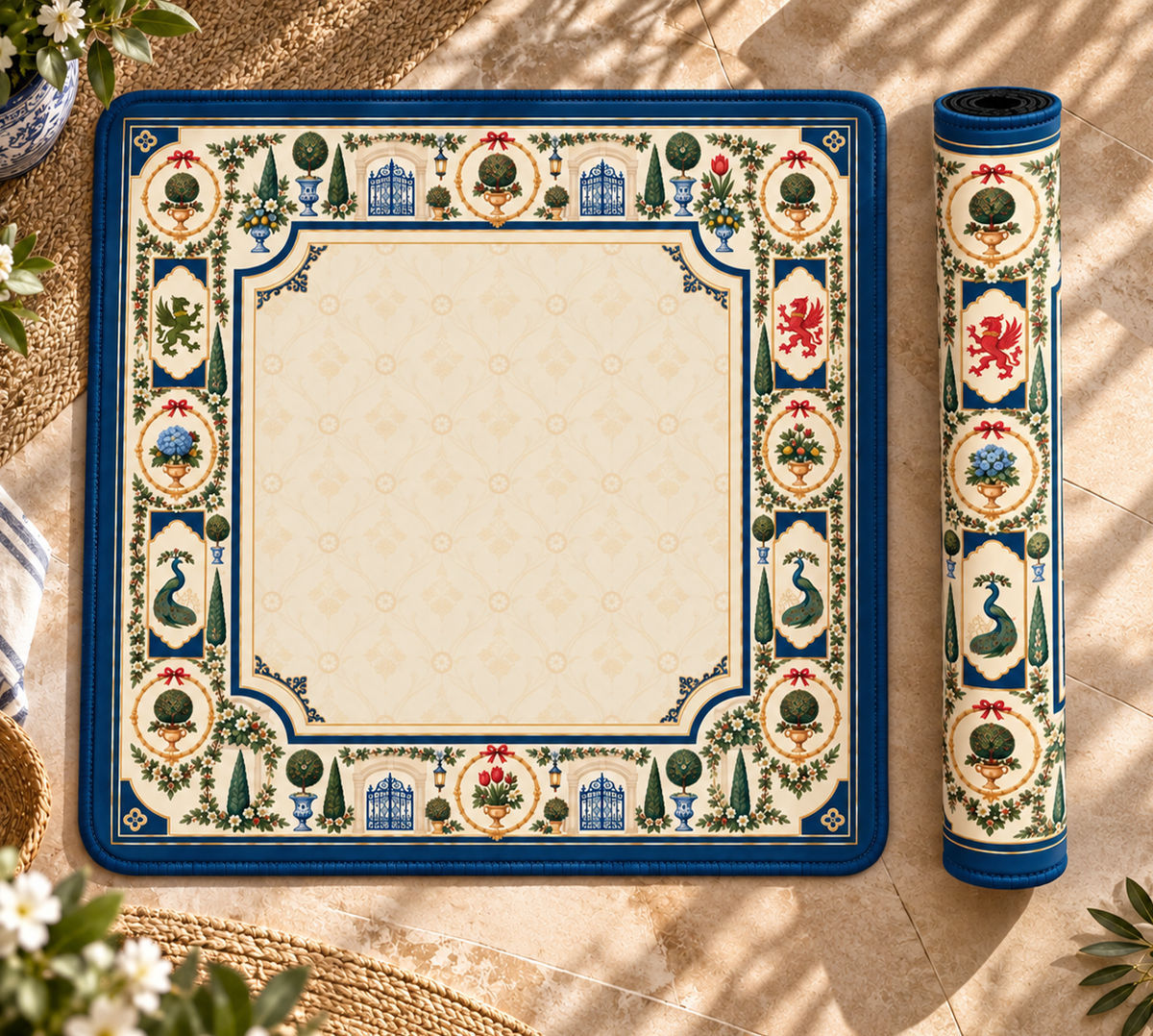
A mahjong table is a permanent or semi-permanent piece of furniture with four built-in seats, cup holders, racks, and a smooth playing surface, typically 36–40 inches square; a mahjong mat is a 27–36 inch portable cloth or vinyl pad that lays over any dining or card table. Tables range from basic folding models to luxury versions with electronic scoring; mats cost significantly less and suit players who host occasionally or have limited storage. Both work for standard American 4-player games using 152 tiles. Choose a table if you play weekly and have a dedicated room; choose a mat if you want to fold, store, and set up quickly. Browse durable mahjong mats that pair with any table surface.
What exactly is a mahjong table?
A mahjong table is a dedicated gaming surface, usually square, with four cardinal seats built for four players. Standard sizes run 36–40 inches per side. Tables include cup holders, tile racks integrated into each side, a padded rail, and often a spinning center mechanism to help deal and pass tiles. Some feature electronic scoreboards; premium models have automatic tile shufflers beneath the play surface. Entry-level folding tables omit the spinner and shuffler. All work with standard American 152-tile sets and accommodate the Charleston (tile-passing ritual) and regular play without additional equipment.
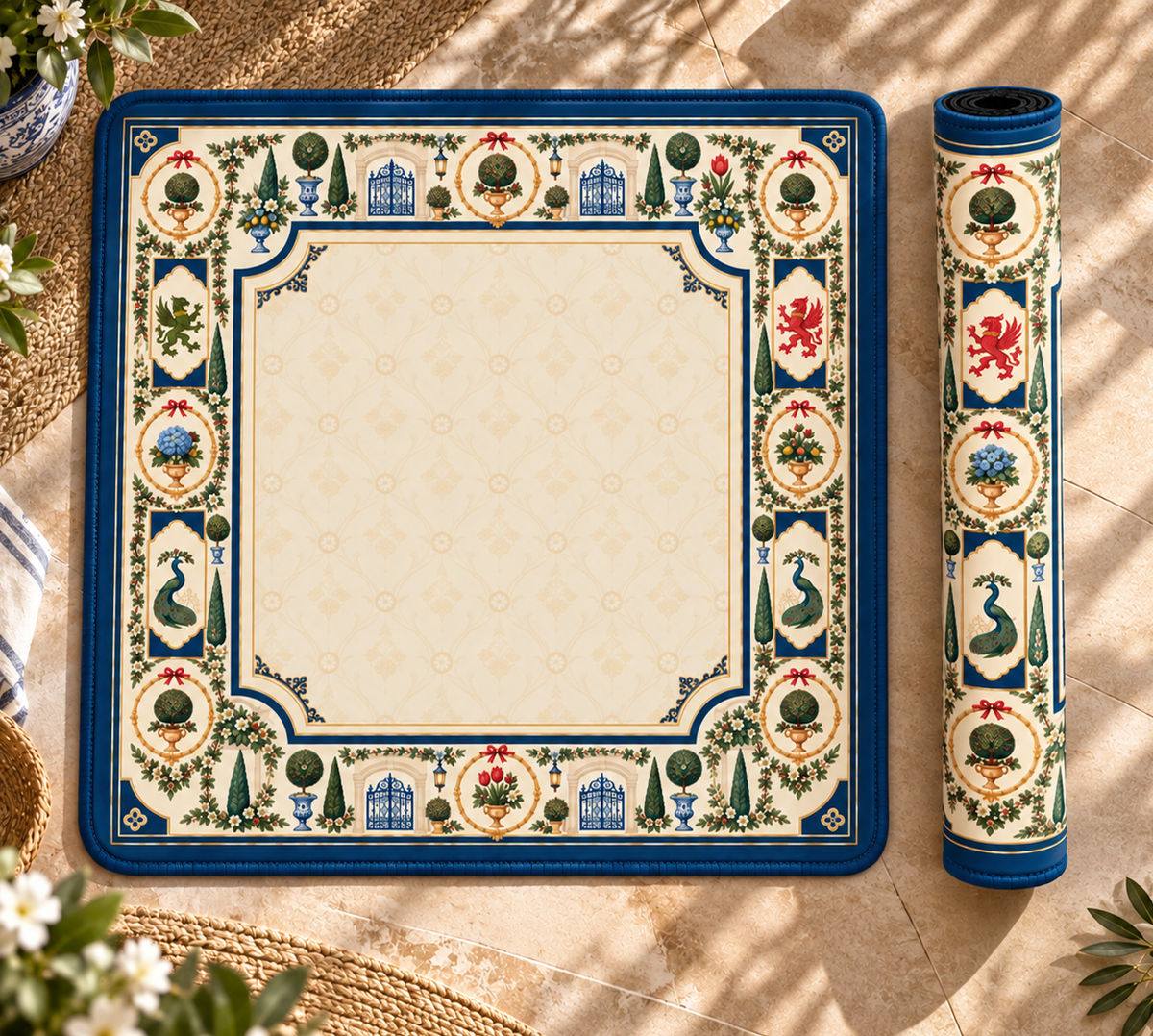
How is a mahjong mat different from a table?
A mahjong mat is a cloth or vinyl pad, typically 27–36 inches, that you lay flat on top of an existing table—your dining table, card table, or even a kitchen counter. It has printed zones for the tile layout and player positions but no built-in racks or cup holders; you supply your own racks with pushers and drinking glasses. Mats roll or fold for storage and pack easily into a bag. They're lighter, take up a closet shelf instead of a room corner, and work with any table height. You lose the permanence and integrated features but gain portability and flexibility.
🀄 Shop best-selling mahjong sets →
Which costs less: a table or a mat?
Mahjong mats are the budget-friendly entry point. A quality mat with clear printed zones and reinforced edges costs a fraction of even a basic folding table. Tables range from budget folding models (still a significant investment) to luxury pieces with spinners and electronic components that rival fine furniture. If you're testing whether mahjong fits your weekly routine, a mat is the lower financial commitment. Families and casual groups often start with a mat, then upgrade to a table after two seasons of regular play. See current price on the mahjong mats collection page.
What setup time do you need for each?
A mahjong mat unpacks in 60 seconds: unroll it on your table, set out your set of 152 tiles, add racks, and you're ready for the Charleston. A folding table takes 3–5 minutes to unfold, lock legs, and level; a permanent installed table is ready whenever you are. If your group meets weekly and setup is a ritual (not a chore), tables feel more welcoming. If you're squeezing games into a shared dining space or hosting irregular groups, mats respect that flexibility and minimize prep fuss.
Who should buy a table instead of a mat?
A dedicated mahjong table suits players who host weekly games in a permanent room, who value always-ready setup, or who play in clubs and venues. Tables anchor a game room, signal serious commitment, and offer a professional feel that builds group culture. If you have a spare bedroom, finished basement, or game room that won't change purpose monthly, a table justifies its footprint and cost. Permanent players also benefit from the integrated racks and spinner, which speed dealing and reduce table fouling.
Buyer Profile | Best Choice | Why |
Hosts weekly games in a dedicated room | Table | Always set up, professional feel, integrated features |
Plays occasionally or shares dining space | Mat | Stores away, uses existing table, lower cost |
New to American mahjong | Mat | Lower commitment, tests interest before investing |
Club player or frequent visitor | Table | Justifies permanent placement, builds group identity |
Moves homes or apartments regularly | Mat | Portable, no furniture footprint |
What should you check before buying a table?
Measure your space first. A 36-inch square table needs 5–6 feet clearance on all sides so players can see their racks and move comfortably. Check doorways and staircases if you're moving it later. Inspect height: tables run 28–32 inches tall; your mat and racks should suit the same height for comfort during a 2–3 hour session. Test the spinner: if the table has a rotating center, spin it and confirm it glides smoothly and locks level. Check the rail: the padded edge should feel firm (not mushy) after months of arm-resting and tile-pushing. Verify seat construction: folding-leg seats are convenient but may flex; solid seats feel more stable. Ask about storage: does the table break down and fit a closet, or will it dominate the room? Confirm tile clearance: the playing surface must be flat and smooth enough that tiles don't catch or slide unpredictably.
🎁 See our most-loved mahjong sets & accessories →
What should you check before buying a mat?
Confirm dimensions: measure your table and verify the mat won't hang over the edges (which complicates tile pushing and dealing). A 27-inch mat suits small card tables; 36-inch mats fit standard dining tables. Examine printing: clear, high-contrast zone markings and seat labels matter—faded printing creates confusion mid-hand. Check fabric: vinyl mats wipe clean but can feel slippery; cotton-blend mats grip tiles better but require gentle washing. Feel the edge reinforcement: rolled or taped edges resist fraying; flimsy hems fail after 20–30 games. Test grip underneath: a rubberized or non-slip backing prevents the mat from sliding across your table, especially during the Charleston's vigorous tile-passing. Verify thickness: a mat thicker than ⅛ inch offers better padding and durability but is harder to roll. Plan for storage: does it fit in a bag? Most quality mats roll into a cylinder 4–6 inches across and 40–45 inches long—check your closet shelf.
Can you use a mat on top of a permanent table?
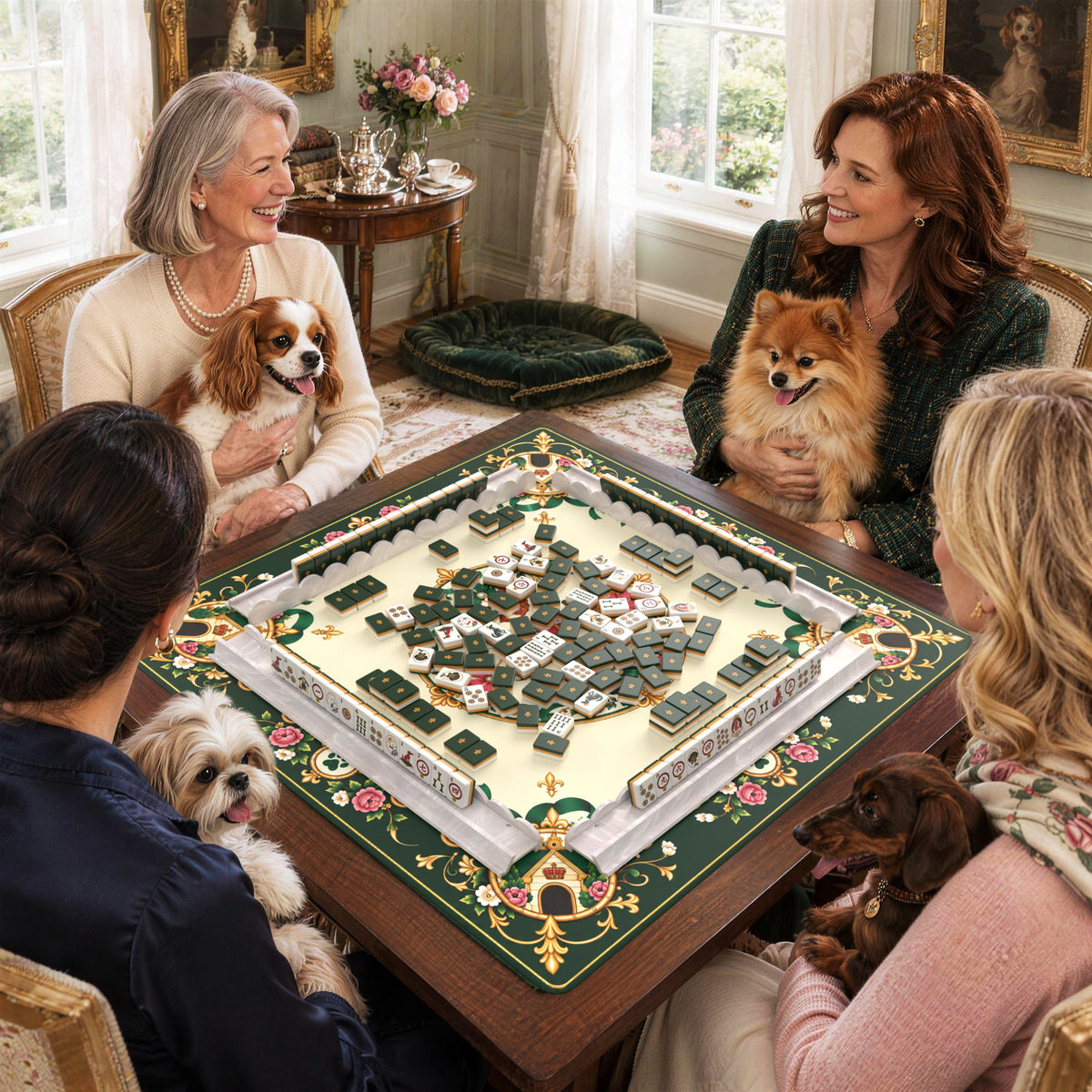
Yes—many players layer a mat over a built-in table to protect the surface from tiles and spills and to customize the visual look. This is common practice at clubs and in home game rooms. You lose the mat's portability benefit but gain a softer play surface and extra protection for a valuable table. The mat stays put because it's thin enough not to interfere with integrated racks, and the table's rim helps anchor it.
Which is easier to store?
Mats fold or roll into a closet, under a bed, or in a travel bag—storage footprint of a shoebox to a large pillow. Tables, even folding models, need closet space or a wall corner; permanent tables never store. If your home is compact or you host in a shared venue, a mat is the obvious choice. Tables suit households with dedicated game rooms or serious enough players to justify permanent furniture.
✨ Find your Mahstead set — free US shipping →
Real-world decision checklist
Choose a mat if:
You play 1–2 times monthly or less
Your game moves between homes or venues
Your dining table is your mahjong table
You're new to American mahjong and testing commitment
Storage space is tight
Your group is informal and setup time is fine
Choose a table if:
You host the same four players every week
You have a dedicated game room or spare furniture space
You want a professional, always-ready setup
Your group values the integrated features (racks, cup holders, spinner)
You plan to keep mahjong as a hobby for years
You're willing to invest in a furniture piece
What comes with your order?
When you buy a mat from Mahstead, it arrives rolled, packed with care to prevent creasing, and ships free across the US. Your order includes the mat itself and packaging guidance on unrolling and care. You'll need to supply racks with pushers, your 152-tile American mahjong set, and a table. Tables are typically purchased separately from furniture retailers or specialty gaming stores—Mahstead does not sell tables, only mats and complete game sets. Bundle a high-quality engraved tile set with a mat to create a cohesive, personalized game experience.
FAQ
Can I use a mat on a small or odd-shaped table?
Yes, as long as the mat's width fits within your table edges without overhang. For round or rectangular tables, check mat dimensions carefully. A 36-inch mat works on most standard dining tables; a 27-inch suits card tables or small desks. Measure first.
Do mahjong tables come with tiles and racks included?
Most tables sell without tiles, racks, or cases. You supply your own 152-tile American mahjong set and racks with pushers. Some premium tables bundle racks; always confirm before ordering.
How often do you replace a mat—does it wear out?
A well-made mat with reinforced edges lasts 2–4 years of weekly play. High-friction use (vigorous tile-pushing, frequent Charlestons) accelerates wear. Vinyl mats outlast cotton in durability; cotton mats offer better grip. Wash gently by hand; avoid machine washing.
Is a table better for a club or venue than a mat?
Tables are standard in clubs because they're permanent, accommodate multiple groups, and feel professional. Mats work in shared venues if space is limited, but players moving between tables prefer the consistency of dedicated tables.
What if I buy a table and then move or stop playing?
Folding tables resell easily; permanent tables are harder to move and repurpose. A mat is easier to rehome or donate if your group disperses. If you're unsure about long-term commitment, start with a mat.


View More
View More
View More
