
Chinese Mahjong Terms and Glossary: Your Play Guide
Last updated: Nov 23, 2026
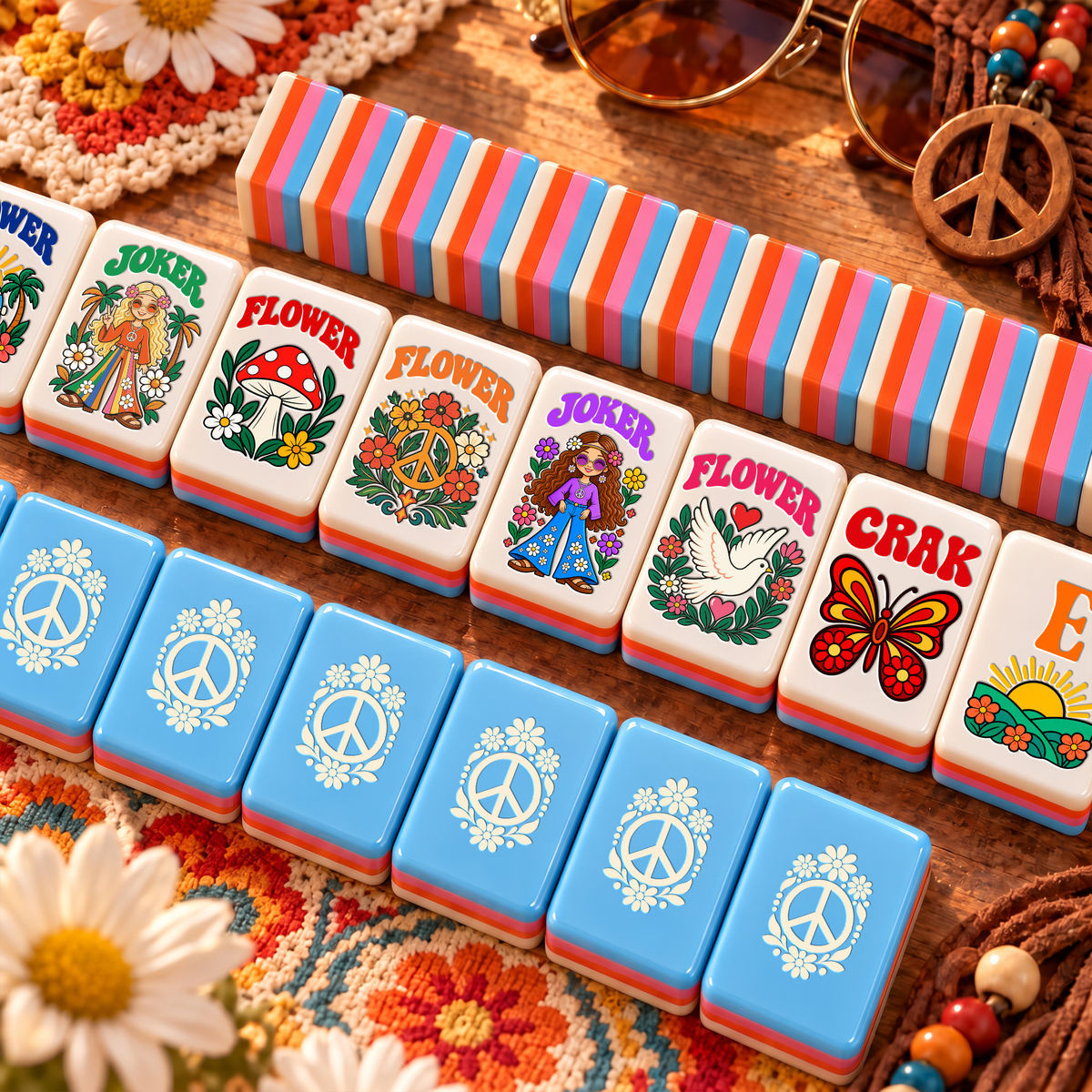
Chinese mahjong terminology differs from American mahjong in tile inventory (144 tiles vs. 152), hand structure, and scoring philosophy. Core terms include Pung (three identical tiles), Kong (four identical tiles), Chow (three consecutive tiles in one suit—unique to Chinese variants), Tsumo (self-drawn winning tile), and Hu (the winning hand). Chinese mahjong emphasizes melds called "sets," scoring by points rather than from a yearly card, and flexible hand patterns rather than fixed combinations. Terms like Washoe (winning with all simples), Pung Kong (hand of all pungs/kongs), and All Terminals clarify winning conditions. Jokers (called "flowers" or wild tiles in some Chinese variants) function differently than in American play. Learning these terms opens access to regional variants—Cantonese, Sichuan, and Shanghai each have dialect-specific names for melds and scoring conditions, though the foundational vocabulary remains consistent.
What is a Pung and how does it differ from a Kong?
A Pung is three identical tiles (three 5 Craks, for example). A Kong is four identical tiles of the same rank and suit. Both are "melds"—exposed sets you place on the table during play. In Chinese mahjong, declaring either scores immediately; in American mahjong, only exposed pungs, kongs, quints and sextets matter toward your final hand on the card. The key difference: a Pung is complete at three; a Kong requires the fourth tile, drawn from the wall or claimed from another player's discard. Kongs score higher than Pungs because they reveal more information and commit more tiles to the table.

What does Chow mean in Chinese mahjong?
A Chow is three consecutive tiles in the same suit—for example, 4 Bam, 5 Bam, 6 Bam. This meld is fundamental to Chinese mahjong but does not exist in American mahjong, where only pungs, kongs, quints, and sextets are playable. Chows can be called (claimed from the player to your left's discard) or concealed (drawn from the wall during your turn). Scoring a Chow typically awards fewer points than a Pung of the same tiles, making Chows a building block for longer, more complex hands. Regional variants treat Chow scoring differently; Cantonese mahjong, for instance, penalizes certain Chow combinations while rewarding "all honors" or "all terminals" patterns instead.
How do Tsumo and Hu relate to winning?
Tsumo means drawing your winning tile directly from the wall (rather than claiming a discard). Hu is the Chinese term for "winning hand"—a complete, valid combination of melds and a pair. When you draw and your hand forms a valid Hu, you announce Tsumo Hu and score. If you claim an opponent's discard to complete your Hu, you announce Hu (or in some regions, "Win"). Scoring for Tsumo is typically higher than claiming a discard because you took no information from other players' discards. Understanding Tsumo vs. Hu shapes strategy: players who draw more often and discard carefully can force others into defensive play.
What are Honor tiles and how do they score?
Honor tiles include Winds (North, East, South, West) and Dragons (in Chinese mahjong, often called "honors" collectively with Winds). Hands built entirely from Honors—called All Honors or Biggers—score the highest in most Chinese variants. An All Terminals hand uses only 1 and 9 tiles from each suit; these also score premium points. Scoring Honors depends on the regional rule set: some variants award double or triple points if your hand contains your seat wind (e.g., East wind scores more if you are the East player). Learning Honor patterns helps you recognize premium hands quickly and assess whether an opponent is building toward a high-scoring combination.
How do regional variants (Cantonese, Sichuan, Shanghai) change the glossary?
Regional Chinese mahjong variants use the same core tile set and basic terms (Pung, Kong, Chow, Hu) but assign different names and scoring weights to hand patterns. Cantonese mahjong emphasizes flexibility: "Ping Hu" (all simples with one Chow) scores modestly, while "Seven Pairs" and "All Terminals" rank higher. Sichuan mahjong often plays with fewer Flowers and may include "Heavenly Hand" (Tian Hu—winning on the opening draw) as a premium score. Shanghai mahjong traditionally uses no Flowers and treats "Robbing the Kong" (claiming the tile an opponent drew to form a Kong) as a distinct winning condition. Each variant maintains the vocabulary but reweights combinations; learning one variant's terminology gives you a foundation to adapt to others. The best way to play confidently across variants is to study the specific hand patterns your group uses before your first game.
Term | What It Is | Chinese Variant | Scoring Impact |
Pung | 3 identical tiles | All | Moderate; foundation of most hands |
Kong | 4 identical tiles | All | Higher; opens bonus draw |
Chow | 3 consecutive tiles | All | Lower; builds flexibility |
Tsumo | Self-drawn winning tile | All | Premium; shows skill |
All Honors | Only Winds and Dragons | Cantonese, Shanghai, Sichuan | Highest; rare and valued |
All Terminals | Only 1 and 9 tiles | Cantonese, Sichuan | Highest; difficult to build |
Seven Pairs | 7 pairs of any tiles | Cantonese, Shanghai | Very high; limits Pung play |
Ping Hu | Simple hand, no honors | Cantonese | Low; starter pattern |
🀄 Shop best-selling mahjong sets →

What tiles does Chinese mahjong use, and how do they differ from American sets?
Chinese mahjong uses 144 tiles: three suits (Bams, Craks, Dots) × 1–9 × 4 copies each = 108 tiles, plus 16 Winds, 12 Dragons, and 8 Flowers (28 honor tiles total). There are no jokers in traditional Chinese mahjong. American mahjong uses 152 tiles plus 8 jokers, adding extra complexity and flexibility to hand-building. Our acrylic American sets include the full American inventory, but if you want to explore Chinese mahjong, you'll need a 144-tile traditional set. The absence of jokers in Chinese mahjong makes hand-building more rigid—you cannot substitute for missing tiles, so strategic discarding and reading opponents' melds becomes critical. Many dual-variant players keep both set types on hand to switch formats within a game night.
What does "All Simples" mean, and why is it a key pattern?
All Simples (Tanyao in some dialects, or "Washoe" colloquially) is a hand built only from tiles 2–8 in each suit—no 1, no 9, no Honors. This hand scores modestly in most regions but teaches hand discipline: you must build Chows and Pungs without relying on terminal or honor safety. All Simples hands appear frequently in beginner play because the mid-range tiles flow quickly and discard safely. Learning to spot an opponent building All Simples helps you avoid feeding them dangerous discards. Conversely, if you're aiming for All Simples, you can discard Honors and Terminals confidently early, signaling your intention and controlling the table's tempo.
How do you announce your hand, and what does the announcement tell other players?
When you form a complete Hu, you announce the hand type—for example, "All Terminals," "Seven Pairs," or simply "Hu" if the pattern doesn't fit a named premium. The announcement serves two purposes: it confirms you've won and signals the hand type for scoring verification and future rule disputes. In some groups, subtle announcements (like "Tsumo" spoken quietly) signal to opponents that you drew your winning tile, adding a theatrical element. Announcing promptly prevents disputes and teaches newer players to recognize premium patterns. Always verify the hand visually before announcing to avoid false claims, which can result in penalties or forced replay.
🎁 See our most-loved mahjong sets & accessories →
What should you check before buying or playing Chinese mahjong?
Before your first game:
Confirm your group's regional variant (Cantonese, Sichuan, Shanghai, or another) and request a simplified scoring reference card.
Ask if the group plays with Flowers as jokers or treats them as honor tiles; this changes hand strategy significantly.
Request a glossary or quick-reference terms list in your language if English isn't primary; many groups print one for reference.
Watch one hand in silence to observe meld calls and discard patterns before joining.
Verify which tiles are "safe" to discard early; honor tiles, terminals, and unmatched suits carry different risk profiles across variants.
Before buying a set:
Confirm whether your group uses traditional 144-tile sets or modern variants with extra flowers or blanks.
Check tile size and weight; smaller tiles suit travel, but larger tiles reduce shuffling fatigue for weekly games.
Ensure the set includes a reference card or glossary (many vendors omit this); some groups provide their own rules sheet anyway.
Consider an acrylic set if you play regularly—they're durable, easier to clean, and resist warping in different climates.
✨ Find your Mahstead set — free US shipping →

FAQ
What is the difference between a Pung and a Kong in Chinese mahjong?
A Pung is three identical tiles; a Kong is four identical tiles. Both are exposed melds that score immediately. Kongs score higher and often trigger a bonus tile draw, making them strategically valuable. Both must be declared during play.
Can you explain what a Chow is?
A Chow is three consecutive tiles in the same suit—for example, 4 Bam, 5 Bam, 6 Bam. Chows exist in Chinese mahjong but not in American mahjong. They can be called from discards or drawn from the wall. Chows typically score lower than Pungs.
What does Tsumo mean, and why does it score higher?
Tsumo means drawing your winning tile directly from the wall. It scores higher than claiming a discard because you demonstrated pure luck or superior strategic play without relying on information from opponents' discards. Announcing Tsumo Hu is a moment of prestige at the table.
How do Honor tiles and Terminals create premium hands?
Honor tiles (Winds and Dragons) and Terminals (1 and 9 of each suit) form rare, high-scoring patterns like All Honors and All Terminals. Hands built entirely from these tiles are difficult to construct but reward skilled play with top scores. Regional variants weight these patterns differently.
Which Chinese mahjong variant should I learn first?
Cantonese mahjong is the most widely taught variant internationally; it has flexible hand patterns and clear scoring tiers. Once you master Cantonese terminology and strategy, adapting to Sichuan or Shanghai variants becomes easier because the core terms (Pung, Kong, Chow, Hu) remain the same.
Do Chinese and American mahjong use the same tiles?
Both use Bams, Craks, Dots, Winds, and Dragons, but tile counts differ: Chinese uses 144 tiles (no jokers), American uses 152 tiles plus 8 jokers. American mahjong's jokers allow flexible hand-building; Chinese mahjong requires stricter adherence to melds and patterns.


View More
View More
View More
