
Mahjong Sets Under 300: What to Compare Before You Buy
Last updated: Nov 23, 2026
When you're shopping for a mahjong set in the mid-market range, you're weighing quality, design, and longevity against cost. American mahjong sets require 152 playing tiles plus 8 jokers—that's standard. What varies: tile material (acrylic, bone, bamboo composite), how durable the storage case is, whether tiles have smooth pushable edges for racks, how legible the engravings are under table light, and if the set ships with a mat or rack. The best-selling mahjong sets in this range typically offer acrylic tiles (quieter, consistent weight, less prone to cracking than cheap resin), a reinforced case, and clear engravings. What to avoid: mismatched tile weights (they stick in racks), thin case linings (tiles rattle and chips happen), or incomplete jokers. A set with lifetime tile replacement or case repair backing—not a generic "satisfaction guarantee"—tells you the maker stands behind durability.
What tile material holds up best at this price point?
Acrylic tiles dominate the mid-market for one reason: they're tough, quiet on the table, and consistent in weight—which matters if you use mahjong racks with pushers. Bone or bamboo-composite tiles feel premium but chip easier under regular play and cost more to replace individually. Resin tiles (the cheapest option) often lack uniform thickness, which means some tiles stick in racks and others fall too easily. We've seen players buy a beautiful set only to replace five tiles in year two. Acrylic tiles won't develop the patina some love about bone, but they'll look crisp after 500 games. Check the product images under overhead light: if tile numbers blur or look uneven, the engraving isn't deep enough to survive reshuffling. A good mid-market set uses laser-etched or hand-painted engravings that stay legible for years.
Should you buy a set with a case or upgrade the storage?
This is where budget choices cost money later. A flimsy cardboard-lined case lets tiles shift during transport—corners chip, numbers rub off the backs, and mismatched tiles slow your game. Mid-market sets come with either a wood case (heavier, professional feel, better padding) or a reinforced cardboard case with fabric lining. Wood cases protect better but add weight; if you host weekly games at your house, weight matters less. If you travel to another player's home monthly, a mahjong travel bag or case designed for sets becomes essential—not optional. We recommend treating case choice like insurance: does your set sit in a cabinet 95% of the time, or does it move? If it moves, spend the difference on a protective bag and skip the cheaper case option. Tiles are replaceable; playing a game with bent or chipped tiles frustrates everyone at the table.
How do you compare designs and customization options?
Mid-market sets come in three flavors: classic (traditional tile artwork, minimal text), modern minimal (clean lines, numbers only), and engraved with titles or names (say, "The Tile Players" or a group name). Classic feels timeless but all your friends' sets look the same. Modern minimal designs suit players who squint at ornate tiles. Engraved sets cost the same but carry your story—they're gifts that last and feel personal at the table. We've seen players choose engraving as a tie-breaker when two sets are otherwise identical. One tip: request to see the engraving size and font in real product photos before ordering. Some vendors make promises about legibility that don't hold up under 2-hour games and dim lights. Check the product photos carefully and ask the maker if they offer proof images before production.
🀄 Shop best-selling mahjong sets →
What extras should be included, and what should you buy separately?
A complete set includes 152 tiles, 8 jokers, and dice—but not always a mat or racks. The table below shows what's typical:
Set Type | What's Included | Who It's For | Buy Separately? |
Tile-only set | Tiles, jokers, dice | Casual players; those with an existing mat | Only if you have no mat |
Set + mat | Tiles, jokers, dice, mat | Home game hosts; table players | Racks (optional, not essential) |
Set + mat + racks | Tiles, jokers, dice, mat, racks with pushers | Weekly game group; serious players | Case upgrade (optional) |
Premium set | Tiles, jokers, dice, mat, racks, case | Tournament players; frequent travelers | Nothing |
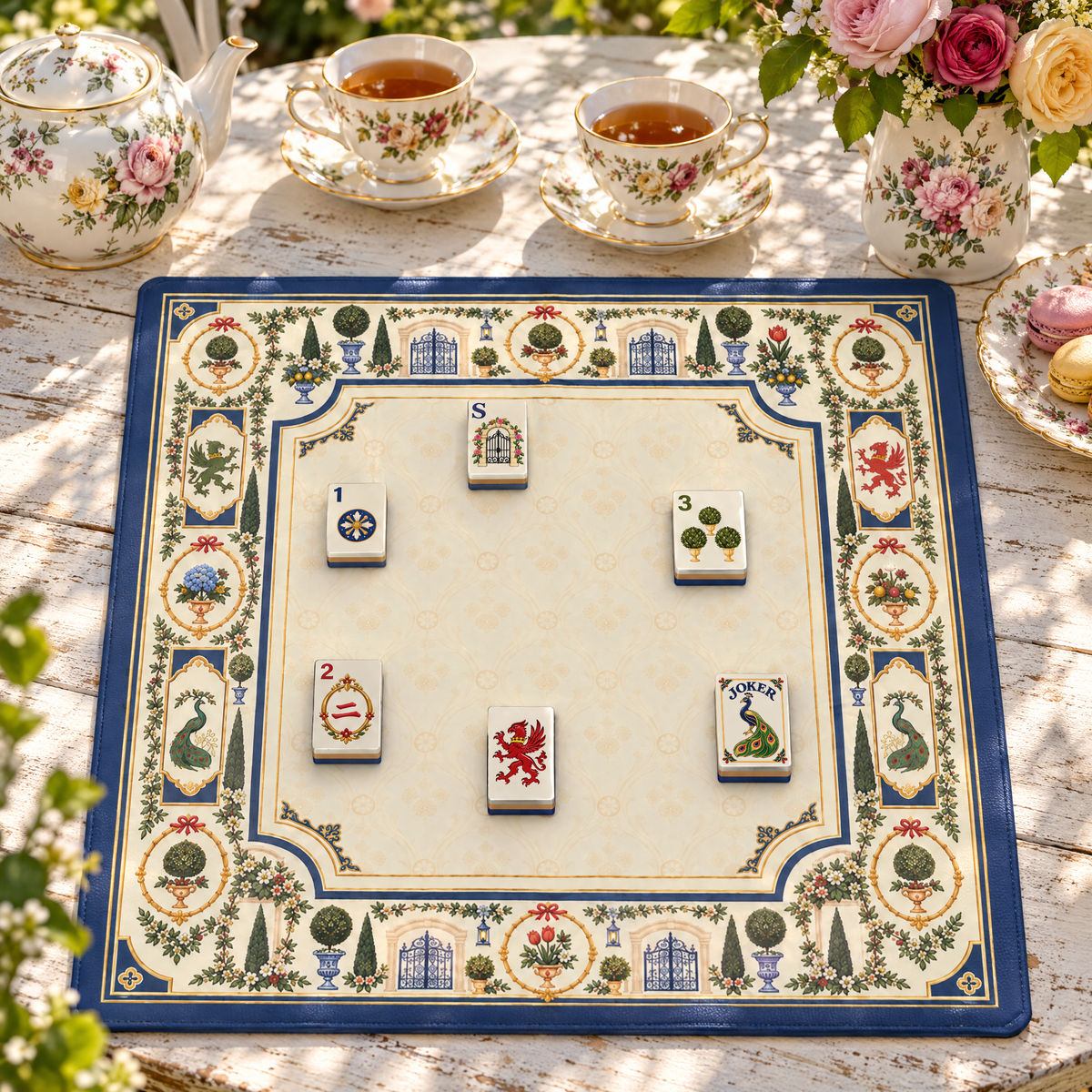
If you host weekly, a mat saves your table—it defines the play area and protects wood. A how to choose a mahjong mat guide helps, but most mid-market players choose a mat they can roll up and store flat. Racks with pushers aren't essential but they speed play and let newer players organize their hand easily. Dice often come included; if not, buy two pairs—one stays on the table, one in your case as backup.
How do you spot a set that's actually mid-market vs. a bargain trap?
Three red flags. First: if the product description doesn't specify tile material, material weight, or case construction, the maker is hiding something. Second: if customer images show tiles sitting loose in a cardboard tray (not molded compartments), they're shipping damaged goods. Third: if there's no clear tile replacement or damage policy, the maker doesn't expect the set to last. Mid-market sets should ship with clear documentation of what's included (ideally itemized) and a straightforward process for reporting damage within a week of arrival. We always pack sets in reinforced boxes with padding that protects tiles through rough shipping. Carriers drop packages; your set should survive it. Honest makers show you their packing process or let you email photos of damage and replace tiles within 14 days, no questions asked.
🎁 See our most-loved mahjong sets & accessories →
What to Check Before You Buy
Tile material & weight: Acrylic is reliable mid-market standard. Verify weight consistency (all tiles should feel identical).
Engraving legibility: View product photos in overhead light. Numbers and suit marks should be crisp and deep.
Case padding: Look for compartments or foam, not loose tiles in cardboard.
Included accessories: Confirm the set includes mat, racks, or dice before comparing prices.
Shipping & damage policy: Ask the maker how they pack sets and what happens if tiles arrive chipped.
Joker count: Every American set must have exactly 8 jokers. Verify the count.
Tile count verification: 152 playing tiles + 8 jokers is the rule. Some sellers advertise inflated numbers to sound premium.
A good mid-market set strikes balance: it's built to last 5+ years of regular play, looks professional at the table, arrives safely, and replaces damaged tiles without hassle. Don't confuse "budget" with "breakable"—the best value isn't the cheapest, it's the one you won't have to replace.
✨ Find your Mahstead set — free US shipping →

FAQ
What's the difference between a 152-tile set and a 160-tile set?
American mahjong uses exactly 152 tiles in play plus 8 jokers. A 160-tile set includes spare jokers or blank tiles for replacement if any get damaged or lost during years of play. You never add spares to the game itself—they're insurance only.
Can I use an older mahjong set, or do I need this year's tiles?
American mahjong hands come from the National Mah Jongg League card, which changes every spring. Tile designs and suits are standard across years, so older tiles play the same. But if you're joining a weekly game group, confirm they use the current year's card; if so, any standard American set works.
Do I need a mat if I host games on a dining table?
A mat protects your table and defines the play area so tiles don't scatter. It's not essential for casual play, but any regular host finds it saves surface and keeps everyone's tiles organized. Rolling mats store flat and cost less than repairing a scratched table.
What's the difference between acrylic and bamboo composite tiles?
Acrylic tiles are lighter, quieter on the table, and more durable under heavy use. Bamboo composite feels warmer and more traditional but chips more easily if dropped and costs more to replace. For mid-market, acrylic is the practical choice.
Should I buy racks with pushers, or can I play without them?
Racks aren't required—many players hold their tiles in hand. Racks organize your hand, help newer players see all tiles at once, and speed play. They're optional but useful if you host weekly games or play with beginners.
What happens if a tile arrives chipped or cracks during play?
A reputable maker replaces individual tiles. Ask the seller's damage policy before you buy. Honest vendors replace damaged tiles within 14 days of arrival and stand behind cracks caused by normal play within the first year.
Do I need to buy a travel bag if I keep my set at home?
Only if you move the set regularly. If your set stays in a cabinet, your case is enough. If you travel to other players' homes monthly, a padded travel bag protects tiles during car rides and shuffling wear.


View More
View More
View More
