
Riichi Mahjong Beginner Strategy: Winning Tactics & Hand Building
Last updated: Nov 23, 2026
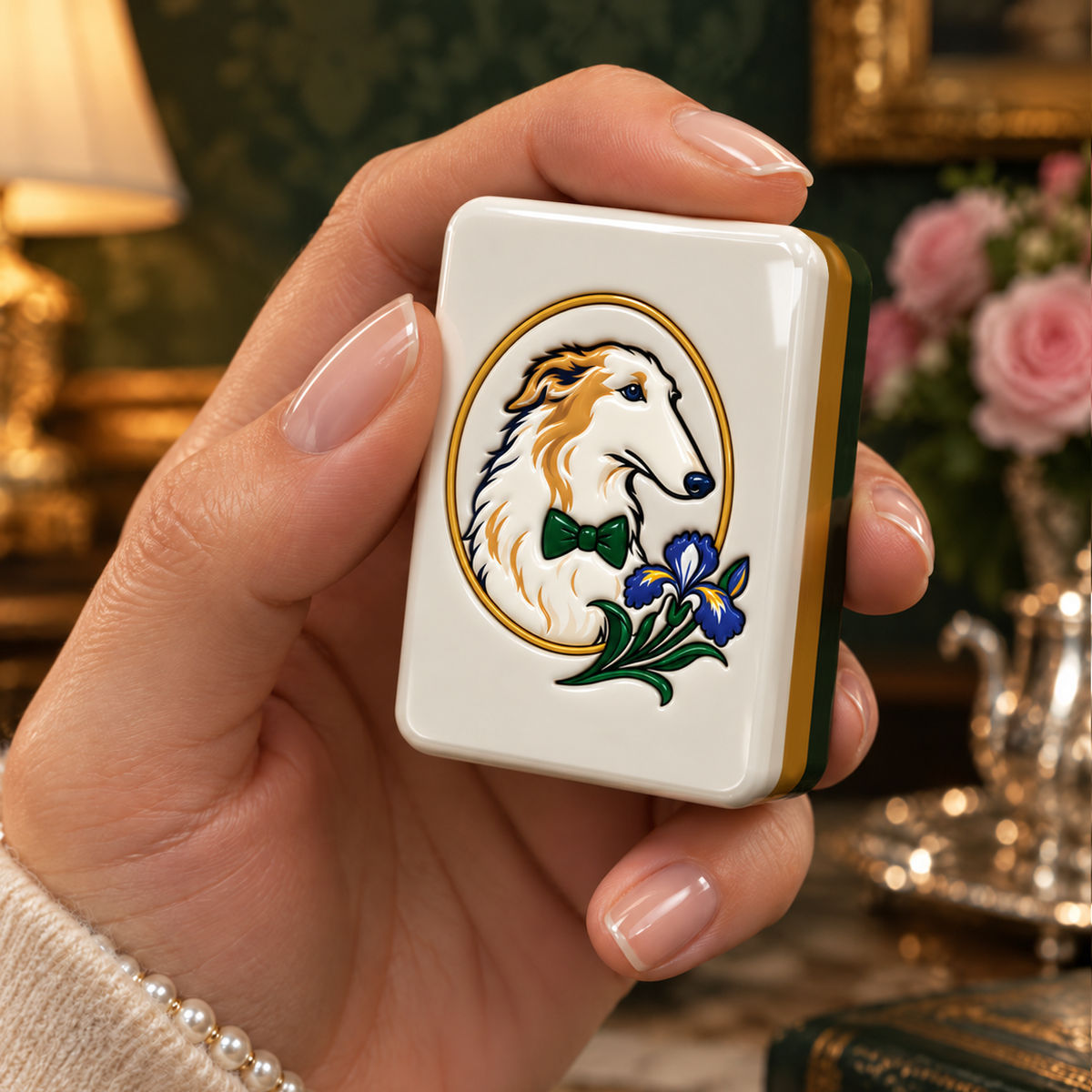
Riichi mahjong strategy begins with understanding hand composition: a winning hand has 14 tiles arranged as four melds (three tiles each) plus one pair, or variations using kans (four-tile melds). Beginners should prioritize building "easy" hands with common patterns like tanyao (all simples: 2–8), yakuhai (dragon or wind pairs), or sanshoku (one suit per meld type). Learn your table's ruleset first—modern competitive rules differ from casual play, and meld-scoring systems vary. Start by tracking discards aggressively to spot opponents' winning ranges, keep your hand flexible until the endgame, and fold early if your discard pile reveals an unwinnable direction. Clear acrylic tiles help you spot suit colors instantly under pressure.
What hand types should beginners learn first?
Beginner riichi hands fall into two camps: "safe" hands that form often, and "yaku hands" that score higher but need specific patterns. Tanyao (honor-free; all 2–8 Craks, Bams, or Dots) is easiest—you'll see the pieces frequently and never brick on honors. Yakuhai (pair of Dragons or your table's wind) is nearly free: any three Craks paired with a Green Dragon wins, no matter your other melds. Pinfu (no honors, four open melds, terminal or honor pair) teaches hand flexibility. Chitoitsu (seven pairs of ANY tiles) is tempting but risky—you're dead if someone calls and you're waiting for your last pair. Master tanyao, yakuhai, and pinfu before chasing tsumo, dora, or riichi-only hands.

How do you read the discard pile to guess what others need?
Tracking discards wins games. If your left opponent discards three Bam honors in a row, they've abandoned Bams entirely—safe to draw Bams without fear of them winning. If your right opponent discards 5 Craks, 6 Craks, and 8 Dots with gaps, they're likely building a hand that needs 4 or 7 Craks; keep those away from your own winning set. Count each player's danger signs: quick discards mean a weak hand, slow plays mean trouble brewing. By turn five, you should know which numbers three players are avoiding. This defensive reading saves you—you fold by discarding tiles no one has touched.
When should you call a meld versus building in hand?
Open melds (pung, kong, chow) speed your hand but reduce options and broadcast your strategy. Early game (turns 1–8), stay closed unless you draw a natural pung or a chow that creates no floating tiles. If you call a 3-meld pung at turn 6, you've shown the table that Bams are active; smart opponents adjust. Mid-game (turns 9–12), call if the meld finishes a suit or removes a dangerous floating tile. Late-game (turns 13+), call aggressively if waiting—one more meld might be riichi. A practical rule: if calling costs you flexibility (you can no longer adapt to other winning patterns), stay closed. Only open if the meld creates a clear path to tanyao, yakuhai, or a scoring bonus.
How do you handle riichi declarations and pressure discards?
Declaring riichi locks your hand and earns a scoring bonus, but you must then discard in order from your draw—you cannot change. Beginners often riichi too early (turn 8) and brick three turns later. Wait until you're truly waiting (one tile wins), your wait is broad (12+ tiles in the dead wall could finish you), and your discard pile offers no obvious tells. If an opponent declares riichi, tighten your defense immediately: discard nothing that matches their likely suit. If two players have declared riichi, play extremely conservatively—prioritize staying alive over advancing your own hand. Riichi creates a psychological rush; resist it. A hand worth waiting for is worth waiting three extra turns.

What's the difference between defensive and aggressive play styles?
Play Style | When to Use | Key Moves | Risk |
Aggressive (chase scoring) | Early game, you're ahead on points | Call melds, declare riichi early, fish for dora | Brick and hand over large points |
Defensive (fold until safe) | Others are riichi or showing strength | Discard old/safe tiles, avoid edge numbers | Miss a winning draw while closed |
Adaptive (read the table) | Mid-game, scores are close | Stay flexible until turn 12, then commit | Confusion; hard to execute under pressure |
Most beginners play too aggressive. The winning habit is adaptive: stay open to 3–4 hand patterns for twelve turns, then commit based on the discard pile. If you're waiting for 3 or 4 Craks, one opponent has already discarded both, you're now waiting for four tiles from two opponents' possible draws—fold. Experienced players fold hands constantly. You only "fish" (draw blindly) after the 10th turn.
How does understanding dora and scoring bonuses shape your hand choice?
Dora tiles (bonus multipliers; the indicator shows the next tile in order) double your hand's payment. A tanyao worth 2,000 points becomes 4,000 with one dora. Beginners often ignore dora early, then regret it mid-game when three dora are live. At turn 5, count the indicator and ask: is my hand naturally building around dora? If the indicator is a 5 Crak and I'm building tanyao, I'm not collecting 6 Craks—no dora bonus. If the indicator is a 1 Dot and I'm building a terminal-honor hand (with 1s and 9s), 2 Dots is my dora—valuable. Plan dora hunting only if it doesn't compromise your hand's core shape. Chasing dora ruins more beginner hands than it wins. Choose a basic yaku first; dora is a side benefit, not the plan.
🀄 Shop best-selling mahjong sets →
Checklist: Before Your First Riichi Game
Confirm the ruleset. Modern tournament rules, casual play, and your club's house rules differ. Ask whether oka (payment adjustment) and uma (seat bonuses) apply.
Learn tanyao, yakuhai, and pinfu cold. Practice drawing and discarding with a friend until you can spot these patterns in your sleep.
Study your table's tile counts. Some groups use 136-tile sets; others 136 + red fives. Confirm before buying a practice set.
Track the discard pile for three full hands. Write down which numbers each player discarded and when. This habit trains defensive reading.
Agree on dora and kans. Kong rules vary: some tables declare kans immediately (exposing the indicator), others keep them hidden. Clarify before the first deal.
Play 5–10 practice hands against a friend or online. Riichi's pressure is different live. Build muscle memory.
Playing riichi for the first time feels chaotic. Your brain juggles four opponents, four walls, three suits, and endless pattern-spotting. The shortcut: memorize one simple hand type (tanyao is best), play defensively for ten turns, then decide whether to chase scoring or fold safely. By game five, pattern recognition becomes automatic. By game twenty, you'll read the discard pile like a story.
🎁 See our most-loved mahjong sets & accessories →
What to Check Before You Buy a Riichi Set
If you're buying a set to practice riichi, confirm the tile count matches your table's standard. Riichi is played with 136 tiles (some rules add red fives, reaching 140). Most casual sets sold in the US are 160-tile American mahjong sets—they include extra jokers and blanks you won't use in riichi. Check whether your local club accepts acrylic tiles or requires bamboo for official play. Mahstead's acrylic sets are durable, lightweight, and bright enough to read under pressure; they're ideal for home practice and casual tables, though tournament play often requires traditional materials. Pair your set with a padded mat to protect tiles and deaden the click when drawing—a quieter game helps you concentrate on discards.
✨ Find your Mahstead set — free US shipping →

FAQ
Does riichi mahjong use sequences (chows) like American mahjong avoids?
Yes. Riichi mahjong rewards chows (three consecutive tiles: 1-2-3, 4-5-6, etc.). Sequences are core. American mahjong forbids called chows entirely—that's the biggest rule difference between the two games.
What does "tanyao" mean and why should beginners focus on it?
Tanyao means "all simples"—your entire hand uses only 2–8 in each suit, avoiding 1s, 9s, and honors. It's beginner-friendly because simple numbers appear frequently, and the pattern is easy to spot and complete.
How many tiles does a winning hand in riichi contain?
Exactly 14 tiles: four melds (three tiles each, totaling 12) plus one pair (2 tiles). Variations like open melds (kans count as four) or seven-pair hands have different structures but always total 14.
If I declare riichi and then brick (draw a useless tile), what happens?
You discard that tile, your turn ends, and play continues. Riichi locks you into drawing and discarding in order, so you cannot recover until someone discards your winning tile. This is why declaring too early is risky.
Can I call a meld after declaring riichi?
No. Once you declare riichi, your hand is locked. You can only discard draws in the order dealt and call win (mahjong) when your winning tile appears. You cannot call additional melds mid-turn.


View More
View More
View More
