
Cheap vs. Expensive Mahjong Travel Sets: What to Actually Buy
Last updated: Nov 23, 2026
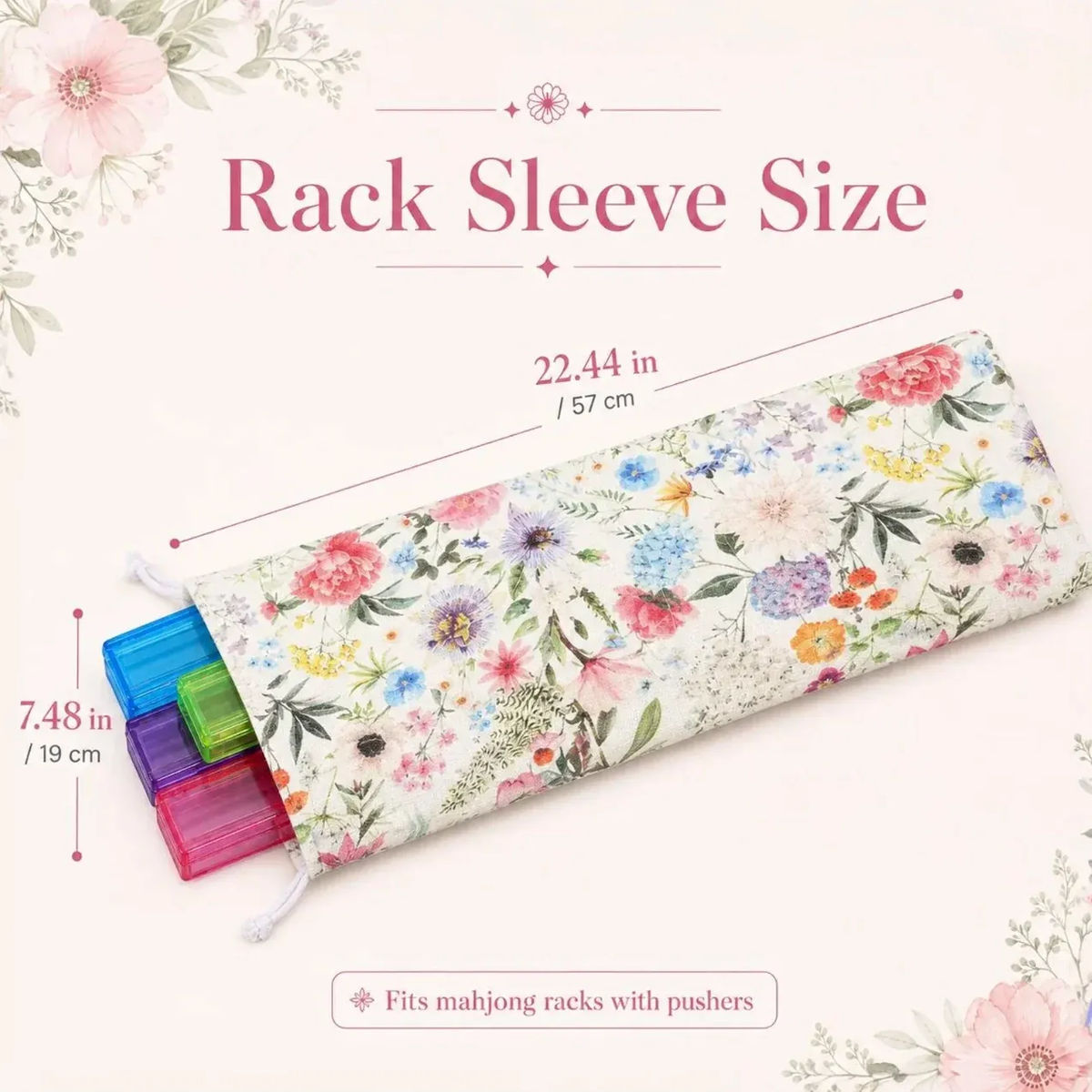
Travel mahjong sets span a wide spectrum: basic acrylic sets in soft pouches (lightest, simplest), mid-range 160-tile acrylic sets with built-in racks in padded cases, and premium sets with engraved tiles and leather or reinforced carry solutions. The difference isn't just aesthetics—durability, tile noise, weight, and storage comfort shift dramatically between price tiers. Budget sets work for occasional players traveling once or twice yearly; serious road-game hosts invest in reinforced cases and smoother tiles to protect their investment and improve table feel. All American mahjong sets contain 152 playing tiles plus 8 jokers; traveling requires a case that protects tiles from shifting, weather, and damage. Mahstead's travel-focused designs pair acrylic tile quality with purpose-built cases, free US shipping, and zero compromise on the 160-tile standard that lets you replace worn jokers without buying a whole new set. ✨ Find your Mahstead set — free US shipping →
What's the real cost difference between budget and premium travel sets?
Budget travel sets cost less upfront but often require replacement within 2–3 years of weekly play because tiles crack, racks warp, or cases fail. Premium sets cost more initially but hold value and function over 10+ years of heavy use. The hidden cost of budget: rebuying every few years, losing jokers to damage, and frustration mid-game when a rack tips over. Premium travel sets absorb impact, stack securely, and keep tiles organized. If you're genuinely traveling to games weekly or hosting road tournaments, a mid-to-premium set pays for itself in durability alone. Occasional travelers (one or two trips yearly) can start with budget but should expect to upgrade if the game sticks.

Why does tile weight and material matter for travel play?
Heavier acrylic tiles (thicker, denser plastic) feel better in hand and produce a satisfying click on the table—the acoustic feedback that serious players rely on to count pung clicks and confirm exposed sets. Lighter or hollow tiles feel cheap, break easily under pressure, and produce a dull thud that disrupts table rhythm. Acrylic also resists humidity and temperature swings better than bamboo-and-bone, which can warp or peel during air travel. Weight also affects case choice: lightweight tiles let you use a smaller, more packable travel bag; heavier sets demand reinforced cases to prevent shifting. American mahjong's rapid tile shuffling and repeated pung-building put mechanical stress on every tile; quality acrylic absorbs that wear. When choosing a travel set, lift it—good tiles feel substantial, not hollow or rattly inside the case.
🎁 See our most-loved mahjong sets & accessories →
How do travel cases actually protect your set during transit?
A good case uses rigid internal compartments or fitted racks to prevent tiles from sliding, stacking unevenly, or cracking when the case is dropped. Soft pouches (budget option) offer zero protection: tiles tumble, jokers get bent, and the case itself tears easily. Padded hard cases with foam inserts or built-in tile storage keep everything in place during car rides, flights, and hotel transfers. Weather sealing (reinforced zippers, waterproof fabric) protects against spilled drinks, airport luggage handling, and humid climates. Weight matters: if your case weighs as much as the tiles, it's over-engineered for casual play; if it's flimsy nylon, you'll regret it after one baggage-handler encounter. The best travel cases include a racks-and-pushers compartment so you're not stuffing everything loose. Check the case's dimensions before buying—must fit under an airplane seat or in a car cup holder if portability is your goal. Our travel bag collection includes purpose-built cases tested by weekly road-game players, with free US shipping so you don't absorb hidden cost there.
What's the comparison: budget vs. mid-range vs. premium travel set?
Factor | Budget | Mid-Range | Premium |
Tile Material | Thin acrylic, hollow | Solid acrylic | Thick acrylic or resin |
Typical Lifespan | 1–2 years (weekly play) | 5–7 years | 10+ years |
Case Type | Soft pouch | Padded hard case with racks | Leather or reinforced case with compartments |
Tile Noise | Dull, plasticky | Clear, satisfying | Crisp, weighted |
Weight (Full Set) | 2–3 lbs | 4–6 lbs | 6–8 lbs |
Weather Resistance | None | Moderate (zippers, fabric) | High (sealed, waterproof) |
Repair/Replacement | Buy new set | Replace jokers or racks | Replace individual tiles or racks |
Best For | Casual once-a-year trip | Regular road games | Tournament play, weekly travel |
The mid-range option is our sweet spot for most traveling players: you get real durability without luxury markups, and the case is purpose-built for mahjong's geometry (deep enough for stacked racks, not oversized).
🀄 Shop best-selling mahjong sets →
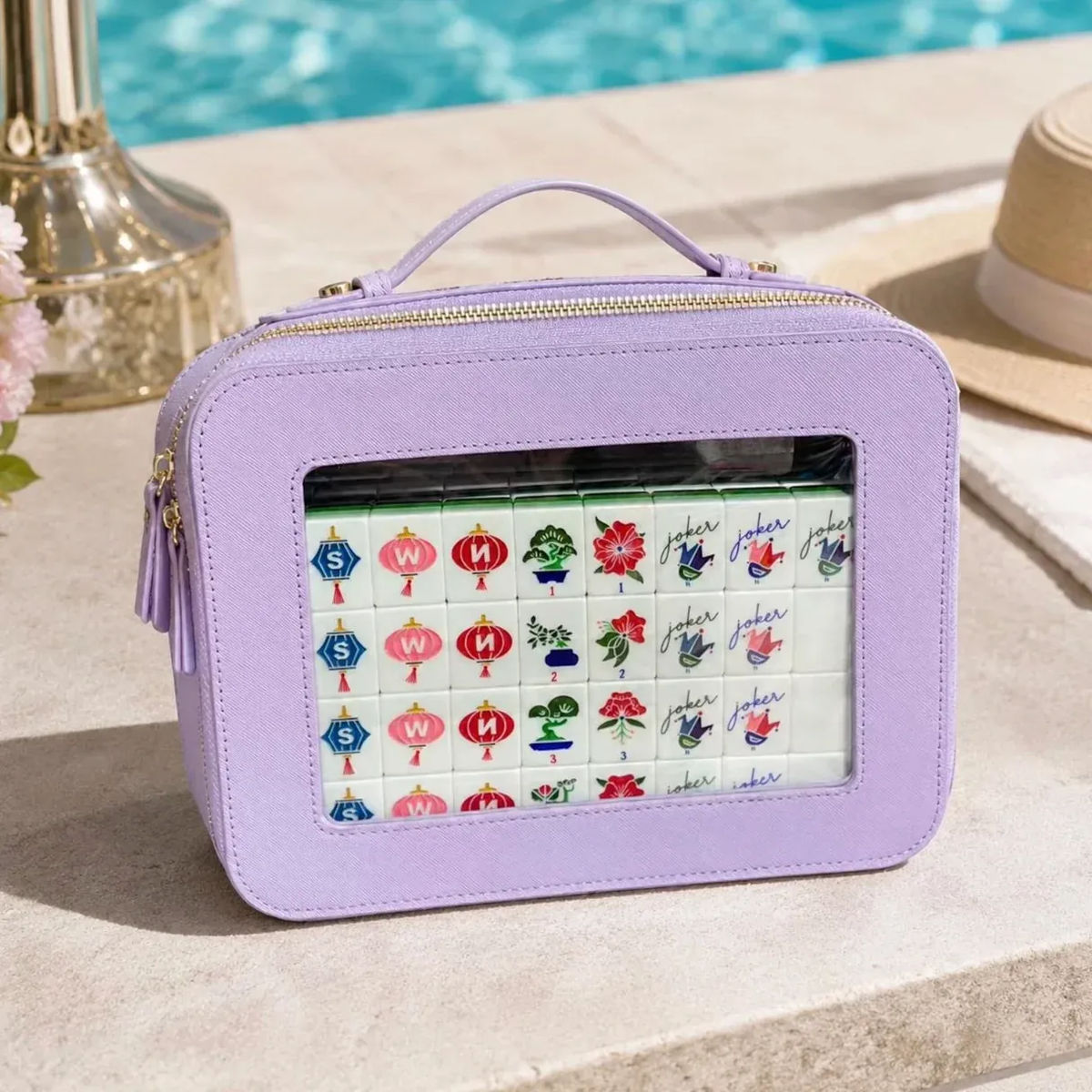
Which travel set works for beginners vs. experienced road players?
Beginners benefit from lighter, simpler sets with clear tile faces and no premium features that could be lost or damaged during the learning curve. A budget or entry-level mid-range set in a basic padded case is ideal: under $X, low stress if a tile gets dropped, and you're not locked into a specific carrying system. Experienced road players—those hosting games in hotel rooms, shuttling between cities, or playing in tournaments—need durability and protection over cost. An engraved set (personalized with a game name or player names) signals commitment and pride; our engraved American mahjong sets let road-game organizers build a signature set that players recognize and respect. Serious travelers also pair their set with racks and pushers that fit snugly in their case and speed up table setup. The beginner-to-player progression usually takes 6–12 months; once you're committed to weekly play, investing in a premium travel set becomes a no-brainer because you're protecting a true hobby asset.
What should you check before ordering a travel mahjong set?
Before clicking buy, verify these:
Case dimensions: Will it fit in your car's cupholder, under an airplane seat, or in your preferred luggage? Measure your closet or travel bag.
Tile count and spares: American mahjong uses 152 playing tiles plus 8 jokers. Sets sold as 160-tile include spare jokers; confirm the listing says 160-tile standard.
Rack fit: Does the case accommodate racks with pushers, or will you have to remove and repack them every time?
Weather seal: If you're driving to coastal or humid destinations, check for waterproof zippers and fabric.
Tile weight and feel: Read descriptions of "acrylic thickness" or "tile heft." Heavier is generally better for travel because it resists breakage.
Replacement policy: Can you order individual jokers, racks, or tiles if something breaks, or is the whole set a one-time purchase?
Free shipping: Confirm it's included (Mahstead includes free US shipping on all orders).
Comparison Table: Travel Set Types by Player Profile
Profile | Budget Set | Mid-Range Set | Premium Set |
Casual (1–2 trips/year) | ✓ Perfect | — | — |
Regular road player (2–4 games/month) | — | ✓ Ideal | Optional |
Tournament or weekly travel | — | ✓ Works | ✓ Best choice |
Beginner learning to play | ✓ Good start | ✓ Also works | — |
Hosts or teaches mahjong | — | ✓ Solid | ✓ Builds reputation |
Gifting to new player | ✓ Low-pressure | ✓ Encourages play | — |
The Real Takeaway: Durability Pays for Itself
Spending 2–3× more on a premium travel set sounds steep until you calculate cost-per-use. A beginner paying for two budget sets (replacing one after 2 years) spends the same as one mid-range traveler over 5 years—but the traveler has zero downtime and plays on better tiles. Road-game hosts who host monthly should view a premium set as an operating cost: a damaged set cancels a game; a reliable set builds loyalty and reputation. Browse our best-selling mahjong sets to see how players at every level have solved this. If you're torn between price tiers, ask yourself: Will I be playing mahjong in 3 years? If yes, mid-range upward is the smarter spend.
✨ Find your Mahstead set — free US shipping →

FAQ
Can I use a budget set for tournaments?
Not recommended. Tournaments require consistent tile weight and case durability; budget sets risk mechanical failure mid-game or disqualification due to damaged tiles. Mid-range or premium sets are tournament-standard.
Do I need a separate case if I buy a set with a bag?
Most sets include either a bag or case. If the set ships in a soft pouch only, a hard case is a smart add-on for travel. Check the product description to see what's included.
How often do I need to replace jokers in a travel set?
With weekly play, jokers (most-handled tiles) last 2–3 years before bending or cracking. Premium 160-tile sets include spares, so you can swap them without buying a new set. Budget sets don't always include spares.
Is acrylic durable for airplane luggage handling?
Solid acrylic is tougher than bone or bamboo, but a thin acrylic set in a soft bag will crack. Pair acrylic tiles with a padded or hard case for airline travel. Weight and case matter as much as tile material.
Can I travel with an American mahjong set on a plane?
Yes. Mahjong sets are allowed in both checked and carry-on luggage by TSA. Pack tiles in a hard case to prevent shifting during turbulence. No materials are restricted.
What's the difference between a travel case and a regular mahjong bag?
Travel cases are rigid, weatherproof, and sized for portability (car seats, luggage racks); regular bags are soft fabric, designed for table-side storage. Travel cases protect during transit; bags organize at home or the table.


View More
View More
View More
