
Mahjong Starter Kit Care Guide: Keep Your Set Game-Ready
Last updated: Nov 23, 2026
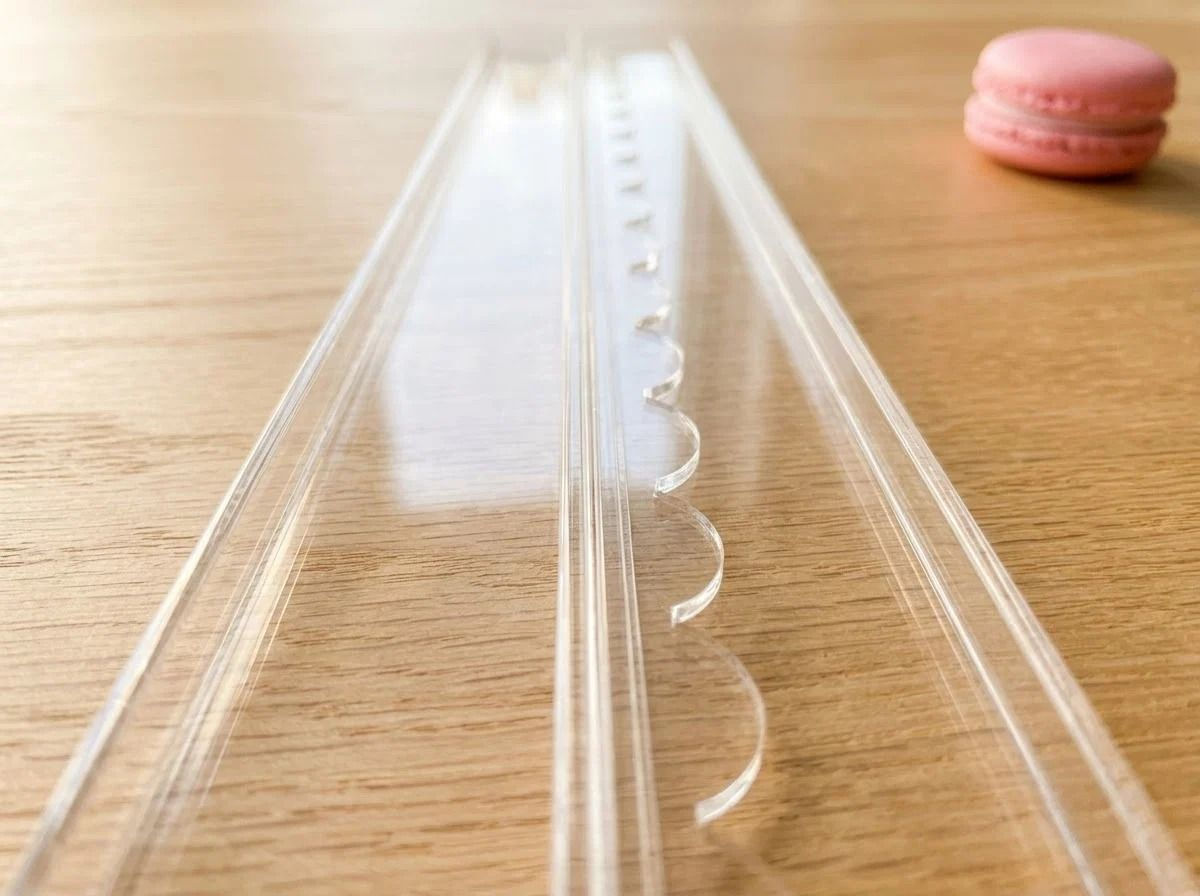
A mahjong starter kit includes 152 playing tiles (plus spares in a 160-tile set), racks, pushers, a mat, and often a case. Care means storing tiles in their case away from humidity and direct sunlight, wiping tiles gently with a dry microfiber cloth (never water), keeping racks and mats dust-free, and protecting the set during transport. Acrylic tiles can crack if stacked unprotected or exposed to heat; wooden or bamboo racks warp in damp conditions; mats fade and tear without a cover. A sturdy travel case is essential if you move your set weekly. Most players refresh their setup every 3–5 years with new mats or replacement jokers, but proper storage extends that easily. Mahstead sets ship in protective packaging and include care instructions with every order.
How do I store a mahjong set when I'm not playing?
Keep your tiles in their original case or a dedicated storage box, stored in a cool, dry spot away from direct sunlight and heat sources like radiators or windows. UV light fades acrylic tile colors over months; heat can warp wooden racks and weaken glued joints. Store the case on a flat shelf, never stacked beneath heavy objects. If your set came in a bag, transfer the tile rack and tiles into a rigid box to prevent crushing. Check the case yearly for moisture or mold, especially in humid climates—a small silica gel packet inside helps.
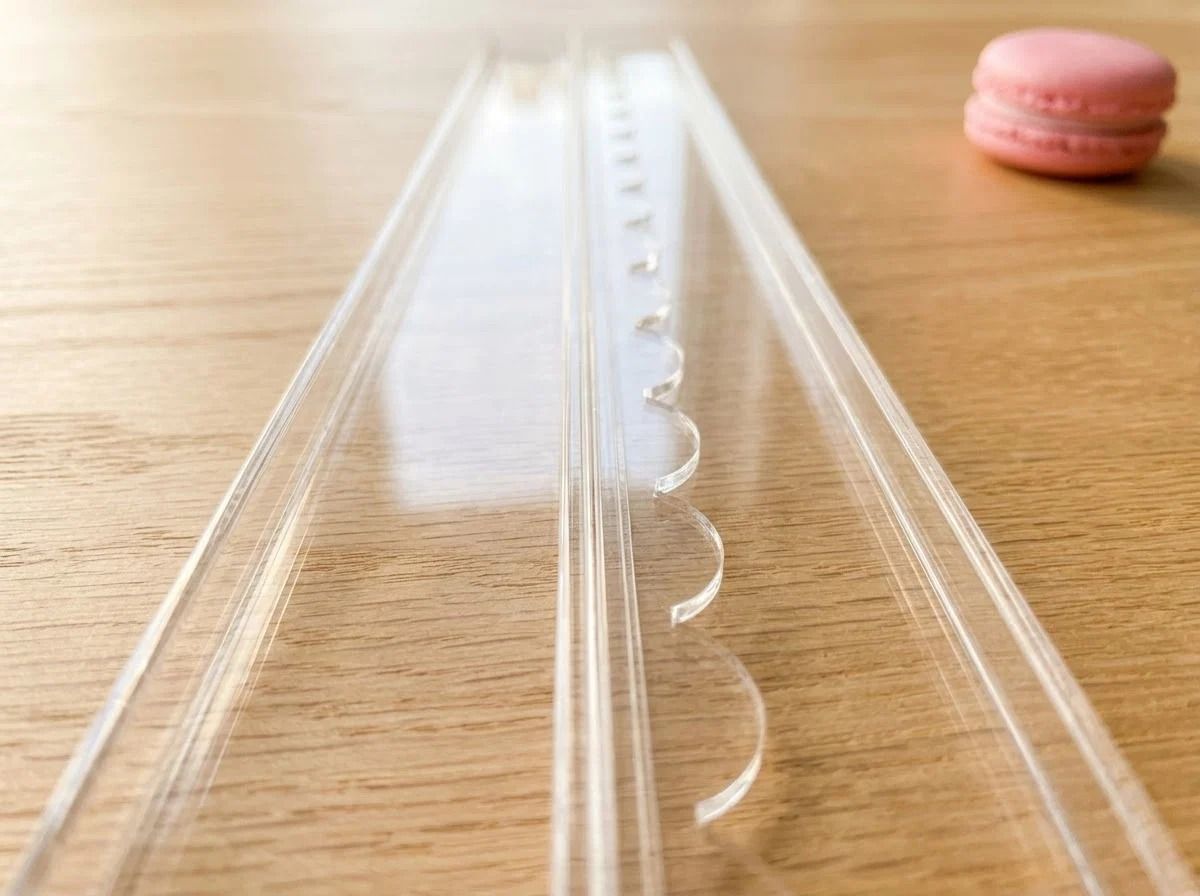
What's the best way to clean mahjong tiles?
Use a dry microfiber cloth or soft cotton cloth and wipe each tile individually or in small handfuls. Never use water, alcohol, or cleaning solutions on acrylic tiles—they can cloud the surface, dissolve printed markings, or cause swelling and warping. For stubborn dust or fingerprints, breathe lightly on the tile to create moisture, then wipe immediately. Inspect the jokers and blank tiles closely, as dust settles in crevices. If you play weekly, a quick wipe-down after shuffling takes five minutes and keeps tiles crisp. Wooden or bamboo tiles tolerate a barely damp cloth, but dry them immediately afterward.
How do I protect my mat during storage and travel?
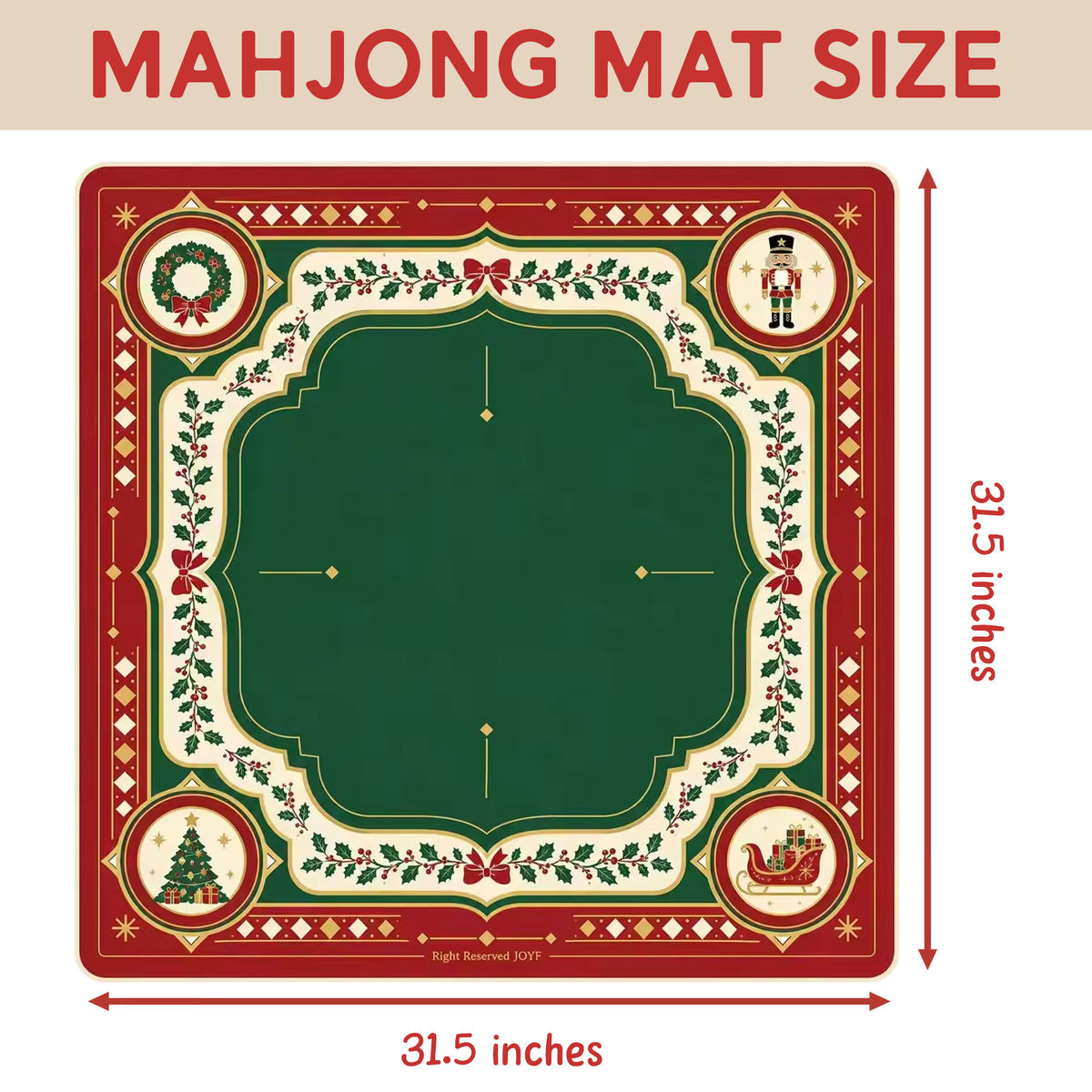
Roll your mat loosely (never fold tightly) and store it in a cloth bag or padded case to prevent creasing and sun damage. If you use the same mat for months without moving it, cover it with a lightweight sheet or leave the game room door closed. For weekly games or tournament play, a dedicated travel bag keeps your mat protected from spills and wrinkles. Check for tears, discolored spots, or worn binding before each session—small holes can expand if left unrepaired. Mats typically last 3–5 years with normal use; replacing one is cheaper than replacing an entire set damaged by a spilled drink on an unprotected mat.
Why do my racks and pushers crack or warp over time?
Acrylic racks exposed to direct heat (sunlight through a window, a radiator, or a heat vent) can become brittle and crack under normal pressure. Wooden or bamboo racks absorb moisture in humid rooms and swell, making the pushers stick or split. Keep racks in the closed case between games, away from temperature swings. If a rack or pusher does crack, check whether the case or shipping was the cause—some damage is preventable by packing properly. Replacement racks or pushers can be sourced separately, so don't assume a broken component means discarding the entire set.
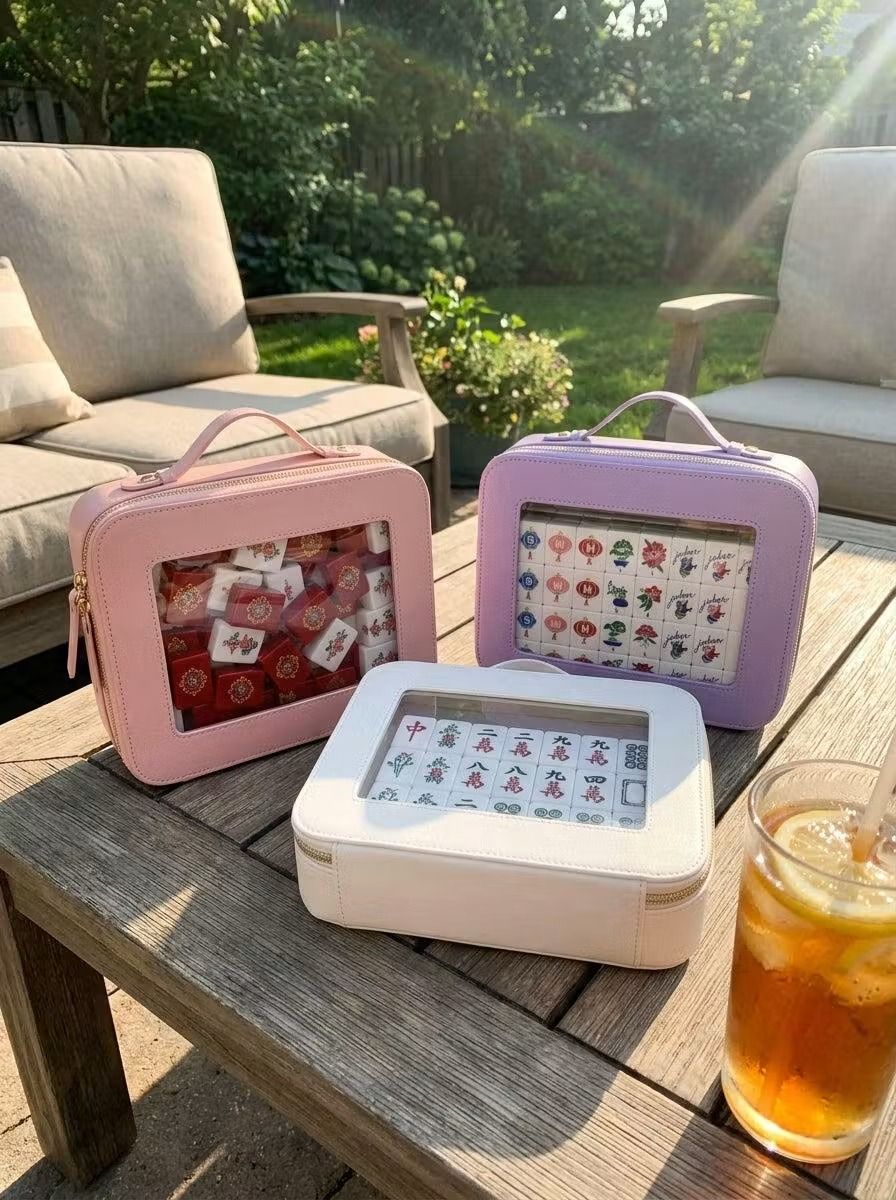
What gear should I use to keep my starter kit road-ready?
A padded travel bag or hard case is non-negotiable if you transport your set weekly—even short car trips expose tiles and racks to sliding, crushing, and temperature shock. Mahjong bags and cases designed for American sets have compartments for tiles, racks, pushers, mat, and dice, so everything stays organized and protected. A mat cover or storage mat underneath your playing mat during setup prevents dirt and spills from the table surface. Keep spare jokers and blank tiles in a small ziplock bag inside the case—if a joker gets lost or damaged mid-game, you have a backup. Some players add a small cloth and microfiber wipe in a pocket for quick cleanups at game time.
Protective item | Why it matters | Best for | When to replace |
Hard case or padded bag | Crushes, heat, humidity damage during transport | Weekly players, tournaments | After 3–4 years if locks fail |
Microfiber cloth | Removes dust without scratching or clouding tiles | All players | Never; washable |
Silica gel packets | Absorbs moisture in storage case | Humid climates, basements | Every 6 months |
Mat cover or storage mat | Prevents fading, staining, creasing | Regular game hosts | Yearly or as worn |
Replacement racks/pushers | Backup if one cracks or warps | High-use sets | Keep 1–2 spares handy |
🀄 Shop best-selling mahjong sets →
What common mistakes damage a starter kit?
Stacking tiles loose in a box without racks flattens and chips the edges; always use the racks provided or store tiles standing vertically. Leaving the set on a wooden table uncovered allows table stain or heat to mark the case. Folding or creasing the mat tightly creates permanent lines and reduces play surface quality—roll it instead. Washing tiles or racks with water causes discoloration, swelling, and glue failure. Storing the case in a car trunk in summer bakes the tiles and warps racks within weeks. Leaving the set exposed to a sunny window fade paint and numbers over 2–3 months. Never use the case as a seat or step stool, even briefly.
Pre-purchase and maintenance checklist
Before buying: Confirm the set includes a case or bag and comes with care instructions. Check whether the seller offers spare jokers or replacement parts if damage occurs in transit.
Upon arrival: Unpack slowly, inspect tiles for chips or cracks, test racks and pushers for smooth movement, and verify the mat is flat and undamaged.
Before each game: Wipe tiles and racks with a dry cloth, check the mat for spills or tears, count tiles to confirm all 152 are present.
After play: Return tiles to racks in the case, roll the mat loosely, and store in a closed, cool room.
Every 3–6 months: Inspect the case for moisture or mold, check racks and pushers for looseness or warping, and verify mat binding is intact.
Yearly: Photograph your set condition, replace any visibly worn items (mat, damaged joker), and refresh silica gel if stored in humid areas.
🎁 See our most-loved mahjong sets & accessories →
How do I know when to replace parts or upgrade my set?
If jokers are cracked, lost, or marked, order replacements rather than play with fewer jokers—the game requires exactly 8 for a 152-tile set. If the mat is torn, permanently creased, or faded, replacing it costs far less than replacing tiles or racks damaged during play. If racks are loose, cracked, or pushers jam, repair or replace them before the next game. If the case latches fail or interior padding crumbles, upgrade to a dedicated mahjong travel bag or hard case. Most players keep the same tile set for 5–10 years but refresh mats, cases, and accessories every 3–4 years. If your tiles are from the best-selling Mahstead collection, compatible replacement parts and upgrades are available.
✨ Find your Mahstead set — free US shipping →
FAQ
Can I use a plastic bag instead of a case to store my mahjong set?
No. Plastic bags trap moisture, crush racks and tiles, and offer no protection during transport. A rigid case or padded bag designed for mahjong is essential—it keeps tiles organized, protects against humidity, and prevents crushing.
How often should I clean my tiles if I play weekly?
Wipe tiles with a dry microfiber cloth after each game (2–5 minutes). Inspect for dust or fingerprints, especially on blank tiles and jokers. A deep clean once monthly is unnecessary if you dust regularly.
What humidity level is safe for storing acrylic mahjong tiles?
Keep relative humidity below 50%. If you live in a humid climate or store your set in a basement, use a silica gel packet in the case and check monthly for moisture, condensation, or mold spots.
Can I repair a cracked acrylic tile or rack myself?
No. Acrylic glue and epoxy typically cloud or discolor tiles and weaken racks under pressure. Replace cracked tiles or racks rather than glue them—a game-ready backup is cheaper and safer than a repaired part that fails mid-game.
Is it okay to leave my mahjong mat on the table between weekly games?
Only if the room is climate-controlled and dust-free. Covering the mat with a sheet or storing it rolled in a bag is safer—it prevents fading, staining, creasing, and accidental damage like spills or pet marks.
What's the difference between a mahjong mat and a table cover?
A mat is thicker, cushioned, and designed for tiles to slide smoothly; a table cover is thin fabric that protects the table surface. For active play, use a mat. For storage or dust protection, either works. Learn more about choosing the right mat.


View More
View More
View More
