
Mahjong Solitaire Strategy: Win More Games Today
Last updated: Nov 23, 2026
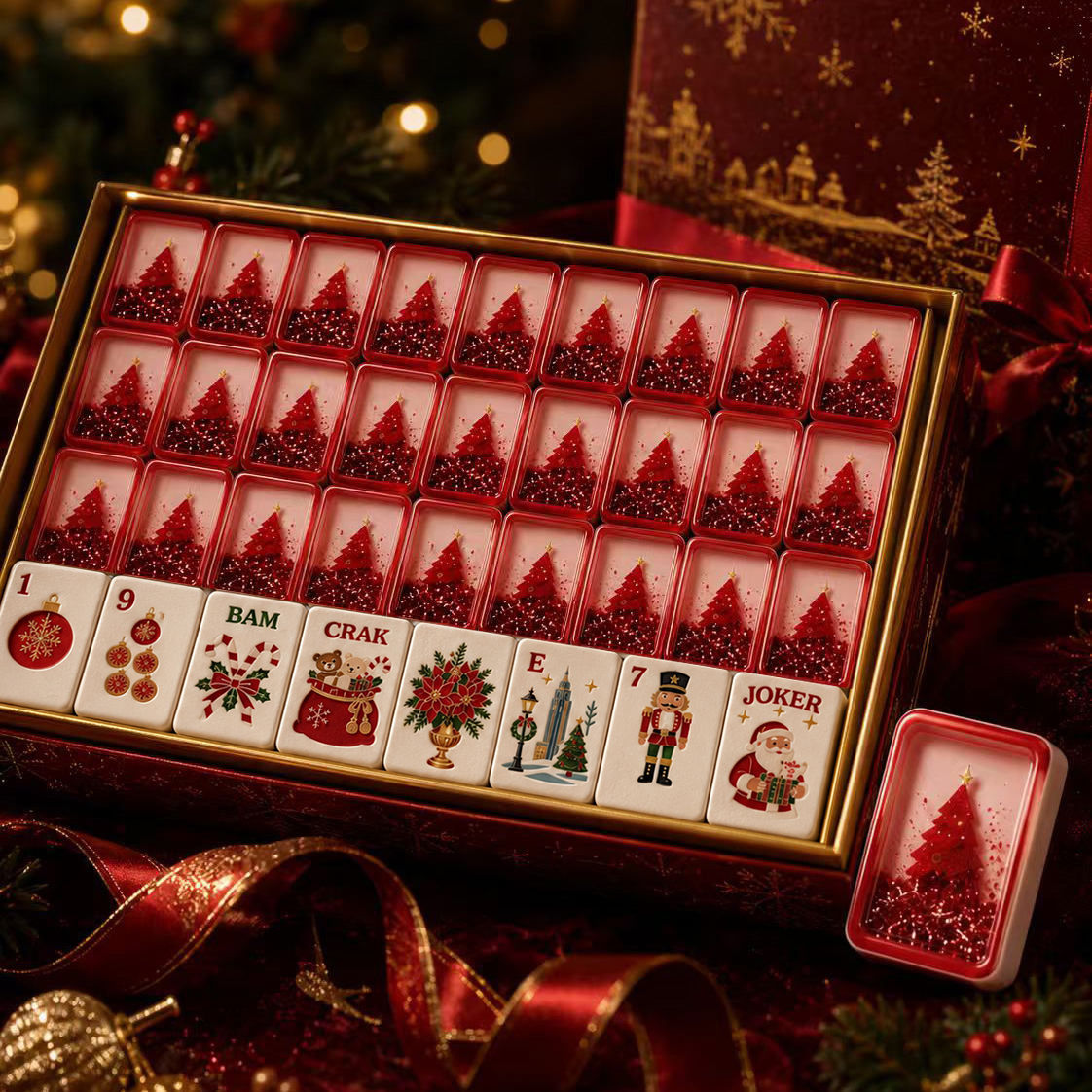
Mahjong solitaire strategy hinges on three core skills: (1) pattern spotting—recognizing which hands on the current year's National Mah Jongg League card your tiles can build; (2) tile prioritization—deciding which discards keep your options open longest; and (3) joker timing—using the eight jokers in your 152-tile set only when a replacement tile can't finish the hand. Unlike casual play, serious solitaire demands you track all exposed tiles, count remaining suits, and understand that American mahjong permits only pungs (three identical tiles), kongs (four), quints (five), and sextets (six)—never sequences. Build with the card in front of you; discard the tile least likely to appear in remaining draws. Many players waste jokers early; instead, reserve them for final gaps. Check our best-selling mahjong sets for quality acrylic tiles that track discards without distortion.
Why does tile memory matter more than luck?
Mahjong solitaire isn't bingo. Every tile you've discarded or seen exposed changes the probability of drawing what you need. If three 5 Dots have already left play, only one remains in the wall—and you're chasing a pung of 5 Dots, your odds just tanked. Successful players mentally track suits: "I've seen two Red Dragons, four 1 Craks, and the North wind—so my remaining wall skews toward Bams and Dots." This memory discipline eliminates surprise when a critical tile fails to appear. Without it, you blame bad luck instead of recognizing your hand was statistically dead ten draws ago. The moment you stop hoping and start counting, your win rate jumps.

Which tiles should you discard first?
Open with your most restricted suits—tiles that appear in the fewest hands on the card. Winds and dragons live in fewer card patterns than number suits, so discard a singleton wind (one you don't need yet) before throwing a middle-number Dot. Discard from the edges inward: a 1 or 9 before a 5, because central numbers anchor more patterns. Never discard a tile that completes a pair you're building unless you have a backup. If you need two pairs and have found both 1 Dots and 1 Craks, you're safe discarding one copy; if you've only locked one pair, hold tight. The cardinal error: dumping joker-free tiles too soon. Keep uncommon dragons and winds in hand through the mid-game; they're your safest gamble because fewer players can claim them in your house games. Track your discards face-up so the next game's solitaire player learns what moved.
How do you maximize joker value in tight spots?
Jokers are wildcards, not crutches. Use them only when no standard tile can finish your hand within the remaining wall. If you've discarded two of four 2 Bams and need the third, don't waste a joker—one 2 Bam is still live. But if all four 7 Craks have played, a joker is your only path. This discipline keeps jokers for endgame crisis moments. A second rule: never use a joker in a pair—American mahjong forbids it, so you'll void your hand. And never hold a joker in hopes of a better hand later; the odds of drawing another hand-winner are lower than finishing your current path. Once you've committed to a hand pattern, jokers protect only the exposed sets you can't complete otherwise. Think of a joker as a "tile I can't get"—not "tile I want to add."
What's the strategic difference between hand types?
Not all patterns on the card carry equal difficulty. Compare: a hand needing two 2–4 Dot sequences (if they existed in American mahjong—note: they don't) would be chased like crazy by opponents; a hand needing two pairs of dragons is rarer and less competitive. Here's the key insight: simple hands (built mostly from high-count tiles like many Dots and Bams) are easier to spot but harder to complete early, while complex hands (mixing dragons, winds, and numbers) are harder to spot but move faster once locked. Choose based on your wall state. If you're halfway through and you haven't seen two dragons, that dragon-heavy hand is already slow. Pivot to a Dot-heavy hand instead. The flexibility to abandon a half-built hand and switch mid-game separates winners from players grinding to a dead end.

When do you know a hand is unwinnable?
Quit before your last four tiles. If you've seen three of four copies of a critical tile, and you haven't drawn it yet, the odds are against you finishing before the wall empties. Count: in a 152-tile game, you draw roughly 60–70 tiles depending on whether you expose sets. If you've already drawn 40 and lack two core components, you've got maybe 20–30 draws left—and both missing tiles need to appear. That's a long shot. The pragmatic move: acknowledge the dead hand, document what you learned (which patterns failed, why), and reset mentally for the next attempt. This isn't giving up; it's playing the odds. A worked example: you're chasing a hand built around two pungs of East winds and a pung of 1 Bams. By draw 35, you've seen three East winds and two 1 Bams—good progress. Then, no East or 1 Bam until draw 58. Your wall is nearly done. Stop. You held the East pung back too long; next game, expose it sooner. The hand taught you something; that's a win for your strategy.
🀄 Shop best-selling mahjong sets →
How does the current year's card shape your approach?
The National Mah Jongg League releases a new card every spring. Each year shifts hand frequencies: one year might overload dragon hands; the next might bury them. Study your card in the offseason. Count how many hands require each tile type. Dragons appear in roughly 10–15% of all patterns; winds in 20–25%; number suits in nearly all. This distribution tells you which tiles are "hot" (risky discards) and which are "cold" (safe throws). A tile appearing in only two card patterns is cold—throw it without guilt. A tile in eight patterns is hot—hold it unless you're pivoting hands entirely. Serious players photocopy the card and annotate it with highlighters, marking which hand they're building and which tiles rank as priorities. Bring a copy to the table; there's no penalty. How to read the mahjong card covers this in depth, but the core: memorize the card's structure so you spot patterns in your hand before anyone else notices.
What equipment helps you track strategy?
Clear acrylic tiles from a best-selling set let you see faces without glare, speeding up pattern recognition. A mahjong mat with marked zones keeps your wall organized and prevents tiles from sliding—crucial when you're concentrating on strategy. Racks with pushers keep your hand visible and upright, freeing your mind from fumbling with loose tiles. Keep a notepad beside the game: jot the hand you're chasing, which tiles are "live," and which have played. This external memory is legal and saves your mental energy for actual decisions. A mat also prevents the frustration of tiles tipping mid-strategy, keeping you focused on the math, not the mess.
A Quick Decision Table: When to Hold vs. Discard
Scenario | Tile Type | Hold or Discard? | Why |
Early game (draws 1–15); hand not yet identified | Single wind or dragon | Discard | Fewer hands need them; you'll find others if needed |
Early game; hand identified | Tile needed in current hand | Hold | Every copy matters; three of four are already out |
Mid-game (draws 30–45); hand half-built | Backup tile for your pair | Discard | You've committed; extras dilute your focus |
Mid-game; joker still unused | High-value number (5–7) | Hold | Numbers seed many hands; joker saves for crisis |
Late game (draws 50+); wall nearly empty | Any tile not in current hand | Discard | Odds of drawing new hand are low; finish or quit |
Any stage; all three copies of a critical tile have played | That tile type | Use joker only | Math says you're done; joker is your only path |
🎁 See our most-loved mahjong sets & accessories →
What to check before you build a new hand
Verify the tile limit. A standard American game uses exactly 152 tiles. If your set is short, solitaire becomes distorted—some hands will feel impossible because tiles genuinely are missing. Check your set count before committing time to strategy training. Scan for damaged tiles. Worn faces blur patterns; a cracked 5 Crak looks like a 5 Dot in dim light, tanking your memory drills. Confirm the card year. Playing last year's card against this year's tiles breeds confusion. The card and tiles must match the current year (issued in spring). Test your surface. A wobbly table or sticky mat ruins concentration. You can't execute strategy if you're catching falling tiles every other turn. Set a time limit. Give yourself 45 minutes to win. If you haven't closed by then, stop, reset, and reflect. This cap prevents sunk-cost fallacy and keeps practice sessions crisp.
✨ Find your Mahstead set — free US shipping →

FAQ
Can I practice mahjong solitaire with a 144-tile or 166-tile set?
No. American mahjong uses exactly 152 tiles (plus 8 jokers). A 160-tile set contains the full 152 play tiles plus spare jokers—perfect for solitaire. Non-standard sizes won't match the card and will frustrate your training.
Should I memorize the entire card before playing solitaire?
No. Memorize the structure and high-frequency patterns. You'll reference the card constantly in real solitaire; memorization is for tournament play. Start by knowing which tiles appear in many hands (Dots, Bams) versus few (dragons, winds).
How many hands should I play per session to improve strategy?
Three to five hands of focused, annotated play beats ten mindless rounds. Write down what you learned each hand: which patterns were live, which tiles you wish you'd held, and why you quit if you did. This reflection is where strategy grows.
Is it cheating to track discards on paper during solitaire?
No. Write down every tile that's played. This external memory is legal, encouraged, and mimics how serious players think. Your brain power is for decisions, not storage.
Can I use the same jokers across multiple games in one session?
Yes. Jokers stay in the set. Only the 152 play tiles rotate. Use the same eight jokers across all your solitaire games; they never leave the set.
What's the win rate pros aim for in solitaire practice?
Completing one hand per session (40–50% win rate) shows solid strategy. If you're winning three of five, you've mastered pattern recognition and are ready for table play. Under 20% suggests you're chasing too many hands simultaneously or holding jokers too long.


View More
View More
View More
