
Engraved vs Printed Mahjong Tiles: Which Lasts Longer?
Last updated: Nov 23, 2026
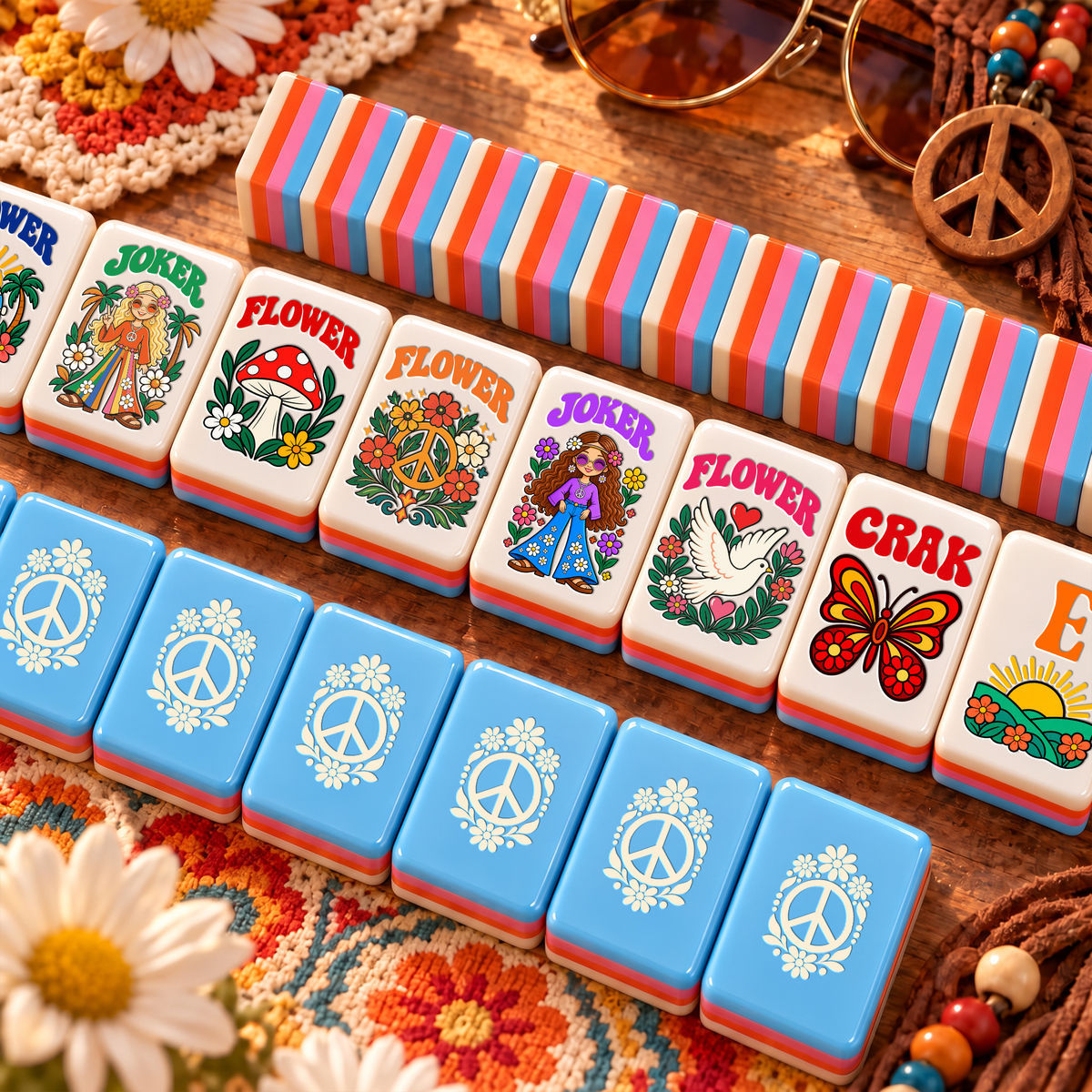
Engraved mahjong tiles have symbols routed into the acrylic surface and inlaid with paint, so the design is part of the tile itself—it cannot wear off. Printed tiles have designs applied to the surface, which flakes or fades as tiles rub together during shuffling and play. For weekly players, engraved tiles remain sharp for 10+ years; printed tiles may blur within 2–3 years of regular use. Engraved sets cost more upfront but cost less per year of play. Mahstead builds all 160-tile sets from engraved acrylic designs with durable inlay, so your investment works through decades of Charlestons and discards.
Engraved and printed tiles each have distinct tradeoffs: engraved designs stay legible through decades of play, while printed tiles cost less upfront but fade with use. Your choice depends on how often you play and whether you want a set that improves with age.
🀄 Shop best-selling mahjong sets →
How are engraved tiles actually made?
Engraved tiles are routed with a CNC machine or laser to cut a shallow depression into the acrylic blank. A colored paint or resin is then pressed or poured into the groove and cured. Once dry, the surface is sanded smooth so the tile feels uniform to the touch, but the pigment remains locked inside the carved channel. This process takes longer than printing and requires more equipment, which is why engraved sets carry a higher price. The payoff is durability: the design is mechanical, not a surface coating.

Why do printed tiles fade so quickly during play?
Printed tiles have ink or UV-cured resin sprayed onto the flat acrylic surface. During shuffling, tiles slide against each other and against felt mats. The friction gradually wears the outermost layer of ink. Within a few seasons of weekly play, numbers become ghosted, suit symbols blur, and dragon tiles lose definition. Wind and flower tiles—which have smaller or finer linework—deteriorate first. Printed designs also yellow under sunlight if sets are stored near windows. This is not a defect; it is physics. Printed tiles are designed for light, casual play or display, not for the cumulative contact of 100+ games per year.
What's the real cost per year of each approach?
An engraved set has a higher upfront price than a printed set. However, if you play weekly (52 games per year), an engraved set amortizes to a lower annual cost of ownership because it remains usable for 12–15 years before any cosmetic dulling. A printed set may require replacement after 2–3 years of regular play, making its per-year cost nearly equal or higher, plus the friction of sourcing and learning a new set's feel. If you play casually (monthly or less), printed tiles may be fine; if you host regular games, engraved is the wiser choice. Mahstead's best-selling collection includes engraved sets designed for players who view them as heirloom tools, not consumables.
How does tile feel differ between engraved and printed?
Engraved tiles feel slightly smoother because the surface has been sanded after inlay; the design sits flush with the face. Printed tiles can feel slightly textured or tacky if the ink is thick. Over time, engraved tiles develop a subtle sheen from hand oils and frequent contact—players often describe this as the set "seasoning" like a well-used game board. Printed tiles, as they wear, develop a matte or patchy appearance. Most players report that engraved tiles feel more substantial and responsive in the hand, especially when stacking or forming melds. If you value the tactile experience of the game, engraving is worth the extra investment.

Which design styles work best with engraving?
Engraving excels at bold, high-contrast designs: thick numerals, clear suit symbols, and defined patterns. Fine lines, gradients, or photorealistic art do not engrave well because the routed channels are shallow and uniform. Geometric patterns, traditional Chinese characters, and personalized names or dates are ideal for engraved tiles. Engraved American mahjong sets work best with minimalist, classic aesthetics—think bold jade-green or cherry-red inlay on white or cream acrylic. If you want a fully custom design, work with your vendor early to ensure it translates cleanly into carved relief. Printed tiles can handle more intricate or colorful designs, but at the cost of longevity.
Feature | Engraved | Printed |
Durability | 10–15 years weekly play | 2–3 years weekly play |
Upfront cost | Higher | Lower |
Feel in hand | Smooth, seasoning sheen | Slightly textured, ages unevenly |
Design versatility | Bold, geometric, text-heavy | Fine detail, gradients, photos |
Maintenance | Wipe with soft cloth | Avoid prolonged rubbing |
Best for | Long-term serious players | Casual, display, gifts |
🎁 See our most-loved mahjong sets & accessories →
How do you care for each type to extend its life?
Engraved tiles: Wipe with a soft, dry microfiber cloth after play. Avoid soaking or running under water, as moisture can weaken the acrylic over decades. Store in a cool, dry place away from direct sunlight to prevent the inlay color from fading. Never use abrasive sponges or harsh chemicals. With basic care, engraved tiles improve with age.
Printed tiles: Keep them in a protective bag when not in use to minimize friction and dust. Wipe gently—never scrub—with a dry cloth. Avoid prolonged exposure to sunlight and do not store in damp environments. If printing begins to wear, some players seal the surface with a matte UV-protective topcoat (test on a spare tile first). This slows but does not reverse fading.
Both types benefit from a quality storage bag and a padded mat that reduces tile-on-tile shock during shuffling. Travel bags and cases protect tiles from dust and impact during transport, which extends the lifespan of both engraved and printed sets.
What to check before you buy
How often do you play? Weekly or more = engraved. Monthly or less = printed is acceptable.
Do you want personalization? Engraving handles names, dates, and club names cleanly. Printing can do it but fades faster.
What design do you prefer? Bold, traditional, minimalist = engraved. Complex, colorful, photographic = printed (with durability caveats).
Are you building a lifelong collection? Engraved is an investment. Printed is temporary.
Will the set travel? Engraved resists wear from transport better than printed.
✨ Find your Mahstead set — free US shipping →

FAQ
Can you repair worn-off printing on tiles?
Not reliably. Once printing flakes or fades, reapplication requires removing the old ink and reprinting, which is labor-intensive. Engraved tiles, by contrast, cannot lose their design—it is structural.
Do engraved tiles ever need refinishing?
Rarely. The inlay stays vibrant for decades. If a tile is deeply scratched, a professional can touch up the inlay, but this is uncommon in normal play.
Are engraved tiles heavier than printed ones?
Not significantly. Weight is determined by acrylic density and tile size, not the decoration method. Both engraved and printed tiles in the same format weigh similarly.
Can you tell engraved from printed tiles by looking at them?
Yes. Run your fingernail gently across an engraved tile—you will feel the smooth surface. With printed tiles, you may feel slight texture or tackiness from ink. Engraved designs also refract light slightly differently in the grooves.
If I buy printed tiles now, can I upgrade to engraved later?
Not by converting the same tiles. You would need to buy a new engraved set. This is another reason serious players choose engraved from the start—avoiding the cost of replacement.
Are there mahjong sets that blend engraving and printing?
Some vendors do hybrid designs, but mixing methods on a single tile set is uncommon and may cause uneven aging. Most Mahstead sets are purely engraved for consistency.
How do I know if a set is truly engraved or just cleverly printed?
Request photos or samples showing the tile edge and depth of the design. Engraved tiles show visible routed channels when photographed from an angle. Ask the vendor directly—reputable makers are transparent about their process.


View More
View More
View More
