
Mahjong Retreats in Tennessee: Plan Your Game Weekend
Last updated: Nov 23, 2026
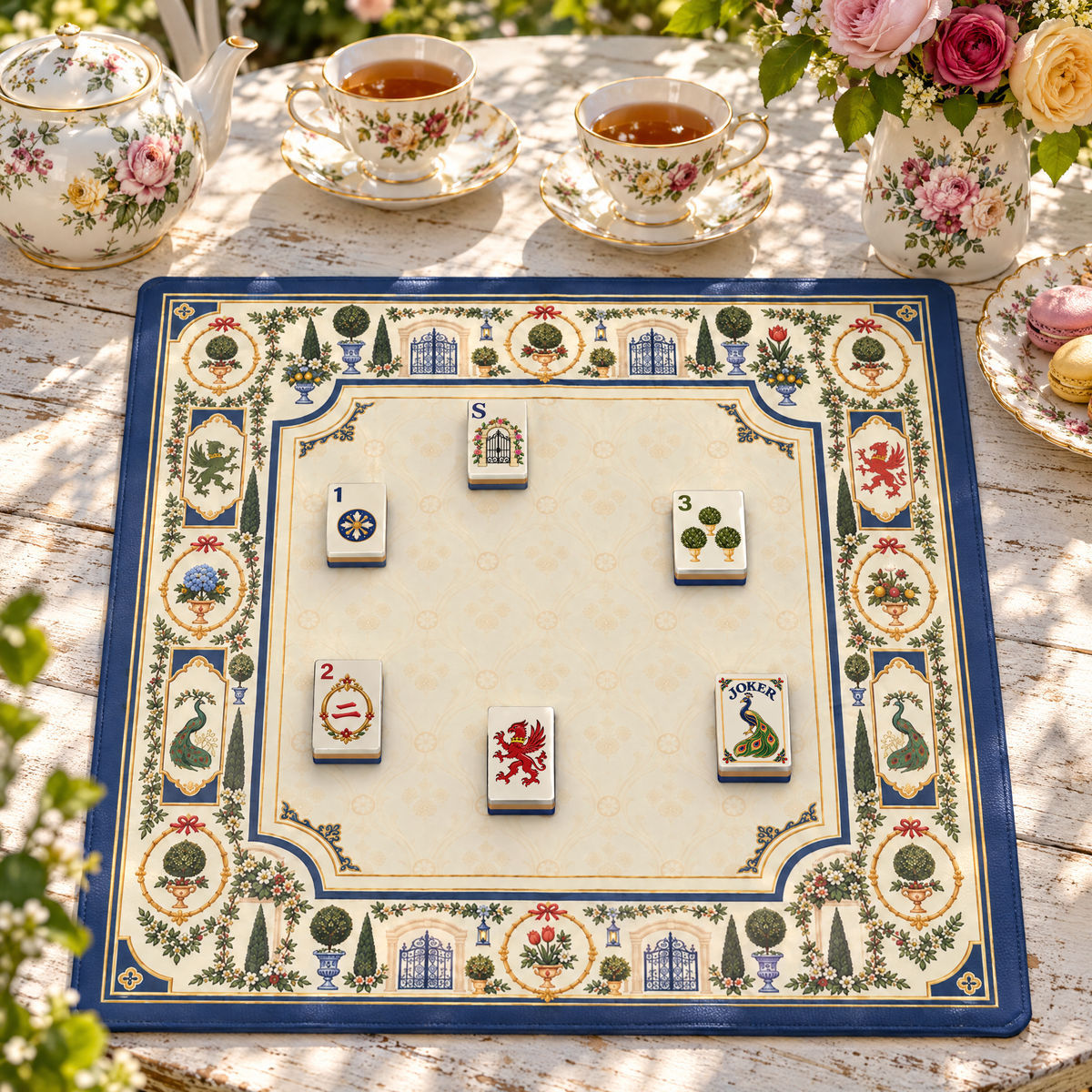
Mahjong retreats in Tennessee range from intimate weekend house games to organized multi-day events, typically held in private homes, rental cabins, or community spaces in Nashville, Memphis, Knoxville, and Chattanooga. Most run Friday evening through Sunday afternoon, with three to eight players rotating through sessions. Costs depend entirely on host arrangements—some are free among friends, others involve shared cabin rental or meal contributions. Tennessee has no single dedicated mahjong resort, but players organize retreats through synagogues, community centers, library networks, and online meetup boards. To find one, search your city's Parks & Recreation department, ask at local Jewish community centers, or post in regional Facebook mahjong groups. What distinguishes a successful retreat is preparation: the right tile set (ideally with best-selling mahjong sets featuring clear acrylic tiles and pushers), a quality mat, and familiarity with how to play American mahjong before you arrive. 🀄 Shop best-selling mahjong sets →
How do I find a mahjong retreat near me in Tennessee?
Start with community centers in Nashville, Memphis, and Knoxville—most host game nights or can direct you to organizers. Check library websites for game clubs and bulletin boards. Search Facebook groups for "Tennessee mahjong" or "Nashville mahjong meetup." Jewish community centers often sponsor or know about retreats. Ask your workplace or neighbors if anyone hosts. Some regional players announce events on Meetup.com and Eventbrite; set alerts for your city.

What should I bring to a Tennessee mahjong retreat?
Bring a notebook (scoring varies by hand), a current year's National Mah Jongg League card (essential for valid hands), comfortable clothes, medications, and toiletries. If you're traveling far, ask the host whether they're providing tile sets and mats or if you should contribute. Many retreat hosts appreciate when guests bring snacks or help with meals. If you own a personal set, bringing mahjong bags and cases makes transport safer. Arrive a day early if possible to decompress and review the rules you'll use.
What's the difference between a casual retreat and a competitive event?
Casual retreats emphasize social play, teaching, and relaxation—often 2–3 games per day with flexible rules and house variants. Competitive events follow strict American mahjong rules from the National League card, tighter time limits, and standardized scoring. Casual retreats suit players at all levels; competitive ones work best for experienced players. Tennessee hosts far more casual retreats than tournaments. Ask the organizer before signing up whether they play strict American rules or house rules, and whether you'll use jokers in a specific way. Most Tennessee home games are casual but rule-conscious.
🎁 See our most-loved mahjong sets & accessories →
How long should a mahjong retreat last?
Most successful retreats run 2–3 days: Friday evening through Sunday brunch or Sunday lunch. Shorter overnight retreats (Friday 6 p.m. to Saturday 10 p.m.) work for local players. Multi-day cabin retreats sometimes extend to four days. The ideal pace is 4–6 games per day with breaks for meals, rest, and socializing. Longer retreats can lead to fatigue and mistakes; shorter ones may feel rushed. Plan meals together—breakfast and dinner create downtime for conversation and strengthen the group's bond between games.
What equipment makes a retreat run smoothly?
Quality tile sets with clear acrylic tiles and pushers reduce confusion and speed play significantly. A dedicated mahjong mat for each table organizes tiles, prevents damage, and marks the dealer's position. Racks with pushers help newer players hold and display their tiles without dropping them. Bring at least two sets so one can be reset while another game plays. Have spare jokers and blank tiles on hand. One host per table with a printed score sheet and a calculator speeds accounting. If a retreat spans multiple tables, a host supplies all equipment and tile sets—you focus on play.
Planning Your Retreat: A Practical Checklist
Step | Detail | Timing |
Pick dates & location | Check local cabin rentals, friend's home, or community space availability | 6–8 weeks ahead |
Invite players | Reach out to local clubs, meetup groups, or personal network | 4–6 weeks ahead |
Confirm rules & card year | Email guests the National League card year you'll use; disclose house variants | 3 weeks ahead |
Arrange meals | Plan shared dinners or potluck; order in or cook together | 2 weeks ahead |
Prepare equipment | Ensure two working sets, mats, racks, spare tiles, score sheets, calculators ready | 1 week ahead |
Brief new players | Send a link to how to play American mahjong; offer a 20-min teaching game Friday evening | 1 week ahead |
Set table assignments | Plan rotation so players meet everyone; confirm table pairs | 1 day ahead |
✨ Find your Mahstead set — free US shipping →

How do I prepare equipment for a multi-table retreat?
For each table, use a dedicated tile set with clear, legible numerals—acrylic tiles under bright light avoid confusion. Place one mahjong mat per table to define play area and protect furniture. Supply racks with pushers to all four players; they're especially valuable if newer players attend. Organize spare jokers, replacement tiles, and blank tiles in a small container at the center so hosts can swap damaged tiles instantly. Have two sets on hand—one in play, one broken down and ready so games restart without gaps. Keep one printed National League card at each table, plus a laminated copy to avoid wear. Place a score sheet and pen at each table. Test all equipment the morning of play.
What rules do Tennessee retreat players typically use?
Most Tennessee home games follow American mahjong rules: standard 152-tile play, jokers as wildcards, tile exposure limited to pungs (triplets), kongs (quads), and quints, and hands drawn from the current year's National League card. However, ask your host whether they enforce strict American rules or play house variants—some groups allow "joker in the eye" (jokers in any position), others ban it. Confirm whether discards are played face-up or face-down. Clarify whether the Charleston (the pre-game tile-passing ritual) follows standard N/E/W/S passing or local custom. Discuss payment: are games "for fun" with no money, or do players settle small stakes? These details vary widely in Tennessee; knowing them before you arrive prevents arguments and ensures you fit the group's culture.
What should I check before booking a retreat?
Ask the host: What year's National League card will you use? Are house rules in play, and if so, which? Will you use jokers in standard American style? Is the space climate-controlled? How many tables and games per day? Is breakfast included? Are there quiet areas for rest? What's the cancellation policy? How many confirmed players? Do they expect beginners or experienced players? Will teaching happen? If you're new to American mahjong, read mahjong for beginners before attending so you're not lost during the first game. Confirm whether to bring your own set or use the host's. Most hosts provide everything; asking clarifies expectations and prevents duplicate equipment or forgotten items.
Common Retreat Mistakes to Avoid
Forgetting the League card: You cannot play valid hands without it; bring a printed copy and a backup digital photo on your phone.
Mixing tile sets: Different brands vary in tile size and color; stick to one matched set per table to avoid misreads.
Skipping the teach: Even if everyone claims they know the rules, a 15-minute refresher on the Charleston and hand-reading prevents delays.
Overbooking games: More than 6 games in a day exhausts focus; quality beats quantity for a fun weekend.
Poor ventilation or lighting: Dark rooms and cigarette smoke make tile reading hard; bright, fresh spaces improve accuracy and mood.
What's the best way to organize player rotation at a retreat?
With four to eight players, design a rotation so everyone plays equal games and meets new partners. If hosting six players over a weekend, run two tables of three (Swiss-style) or split into pairs that rotate. For eight players, run two four-player tables and rotate after each game so different pairs face each other. Create a written rotation chart and post it visibly; it prevents confusion and ensures fairness. Build in breaks every two hours so no one plays more than three consecutive games. Announce rotations before a game ends so players move smoothly. If anyone is a beginner, pair them with an experienced player for the first few games, then mix more freely as confidence builds.
#

FAQ
Do I need to own a mahjong set to attend a Tennessee retreat?
No. Most hosts provide complete sets, mats, and racks. If you're a frequent player and want consistent equipment, owning a best-selling mahjong set ensures your tiles are familiar and travel-ready.
What if I'm a complete beginner—can I attend a retreat?
Yes, absolutely. Tell the host in advance; they'll pair you with experienced players and may run a teaching game. Read how to play American mahjong beforehand so you grasp basic hand structure and tile exposure rules.
How much does a typical Tennessee mahjong retreat cost?
Costs vary widely. Small home games are free. Weekend cabin retreats with shared lodging and meals might involve a $50–$200 contribution per person, depending on size and location. Organized competitive events set their own fees; ask the organizer directly.
Can I bring my own tile set to a retreat?
Check with the host first. Some insist on one matched set per table to avoid confusion; others welcome your personal set if it's in good condition. If you bring one, consider a mahjong travel bag to protect it in transit.
What's the Charleston, and do all retreats use it?
The Charleston is the ritual tile-passing sequence before each game that ensures randomization. Read the Charleston explained to understand the steps. Nearly all American retreats use it; it's part of standard American mahjong play.
How do I find the National League card for the current year?
The National Mah Jongg League issues a new card every spring. Search "National Mah Jongg League" online, visit their website, or ask your local club. Print or download the PDF before the retreat. It's non-negotiable for valid hand play. --- ✨ Find your Mahstead set — free US shipping →


View More
View More
View More
