
Catalin vs Plastic Mahjong Tiles: Which to Buy
Last updated: Nov 23, 2026
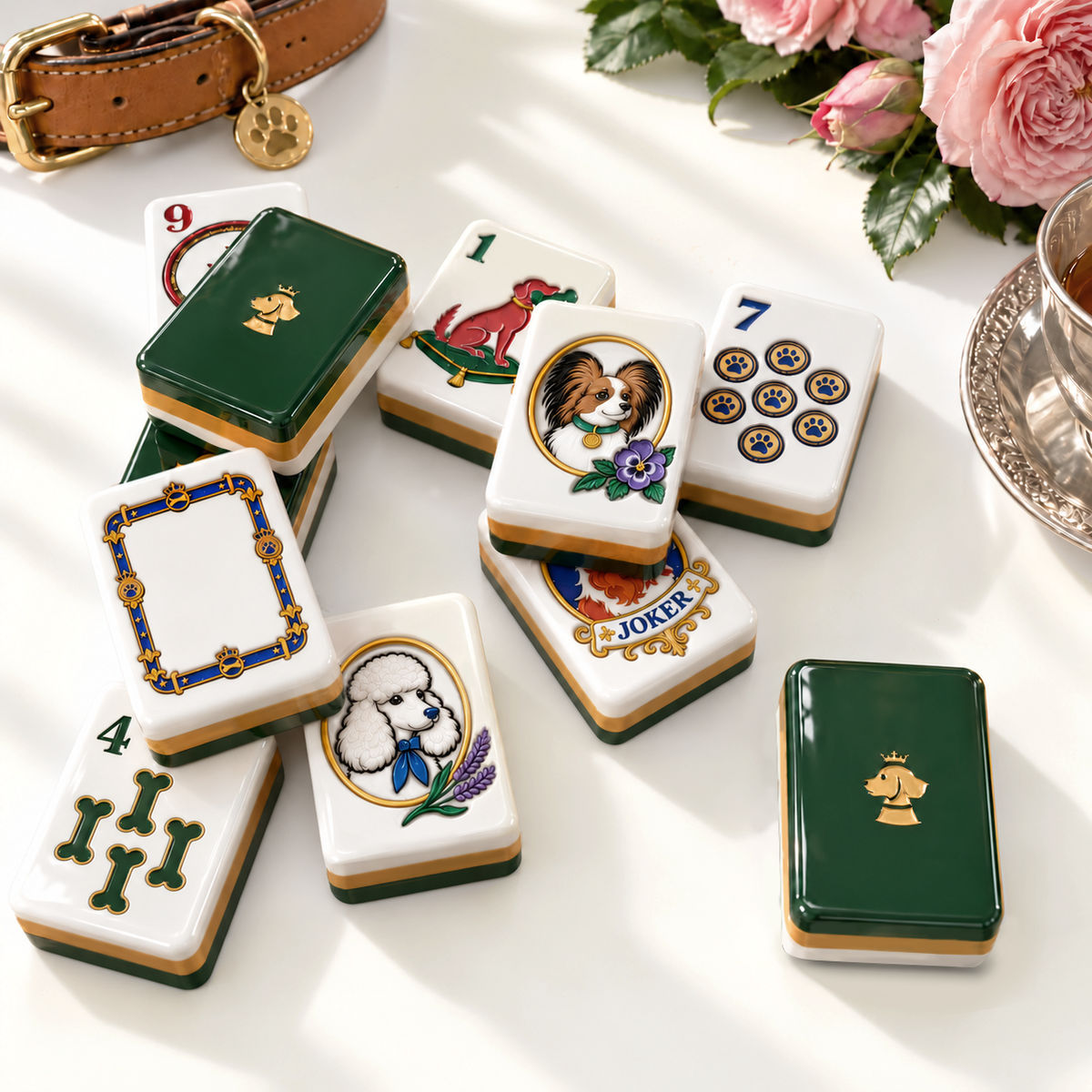
Catalin and plastic are the two main materials for American mahjong tiles. Catalin (a cast phenolic resin) feels heavier, warmer, and more durable; it's period-authentic and preferred by serious players who value longevity and tactile feedback. Plastic (usually acrylic) is lighter, easier to clean, more affordable, and ideal for beginners or casual play. Catalin tiles typically cost more upfront but outlast plastic by years of weekly games. Plastic sets shine if you travel often, have children at the table, or want low maintenance. Both hold standard American mahjong configurations: 152 playing tiles plus 8 jokers. Your choice depends on budget, commitment level, and whether you prioritize authenticity or practicality. We recommend handling a sample of each before ordering—feel matters as much as price.
Choosing between catalin and plastic mahjong tiles is one of the biggest decisions you'll make when buying a set. The material changes not just the cost but how the game feels in your hands, week after week. Let's walk through the real differences so you pick the set that matches your table.
What is catalin, and why do serious players prefer it?
Catalin is a cast phenolic resin—a hard plastic compound invented in the 1920s that became the gold standard for vintage mahjong tiles. It's denser and heavier than modern acrylic, making tiles feel substantial and giving them a warm, slightly waxy surface. Players report that catalin tiles have better "stick"—they don't slide as much when you're arranging your hand on a rack. Catalin also resists wear from years of shuffling; the finish doesn't dull like acrylic can. If you're hosting weekly games, catalin tiles will outlast plastic by five to ten years of regular play. The trade-off: catalin sets are pricier upfront and harder to replace individual tiles if damage occurs.

What makes plastic tiles practical, and who should choose them?
Modern plastic mahjong tiles are typically made from acrylic or similar polymers. They're lighter, cheaper to manufacture, and easier to keep clean—a quick wipe with a damp cloth and they're done. Plastic tiles suit beginners learning the game, families with kids at the table, or travelers who play monthly rather than weekly. Acrylic tiles won't absorb moisture like catalin can, so they're safer if you're playing near drinks. Replacement tiles are usually easier to source for plastic sets. Plastic is also the practical choice if you're rotating sets for teaching multiple groups—you're less worried about damage or wear. The downside: acrylic surfaces dull and can become slippery after a year of heavy use, and they feel less "game-like" to experienced players who've handled catalin.
🀄 Shop best-selling mahjong sets →
How do weight, feel, and sound differ?
Catalin tiles weigh noticeably more—a full set feels grounded in your hand when you shuffle or pick from the wall. They produce a subtle, satisfying click when tiles touch, which many players associate with authentic mahjong. The surface has a faint warmth and slight tackiness that slows tiles down on a mat, reducing accidental knocks. Acrylic tiles are lighter and sometimes feel "plasticky" when stacked, though modern high-quality acrylic has improved. They slide more easily, which some players enjoy if they prefer a faster-paced shuffle, and others dislike because tiles scatter during nervous handling. Sound is muted with plastic—no click, just a soft tap. If your weekly game values ritual and tactile satisfaction, catalin wins. If you want speed and low maintenance, plastic is fine.

What's the real cost difference, and does durability justify it?
Catalin sets from Mahstead's engraved American mahjong sets collection cost more upfront; see current price on the product page. Plastic sets are more affordable. Over ten years of weekly play (roughly 500 games), catalin tiles rarely show damage, while acrylic can become cloudy, develop micro-scratches, or lose surface grip. If you replace a plastic set every five years, you're buying twice. If catalin lasts twelve years, your cost-per-play is lower despite the higher entry price. For casual players (monthly games), plastic remains cheaper over time. For serious hosts, catalin is an investment that pays off in longevity and resale value—vintage catalin sets hold their appeal. Your budget and commitment level are the deciding factors.
How do you decide? A quick checklist.
Factor | Catalin | Plastic |
Weekly play | Best choice | Acceptable |
Monthly or casual | Overkill | Best choice |
Travel/portability | Heavier | Lighter |
Easy cleanup | Wipe only | Wipe or rinse |
Durability (years) | 10–15 | 5–7 |
Initial cost | Higher | Lower |
Tactile feel | Warm, substantial | Light, neutral |
Noise (shuffling) | Satisfying click | Soft tap |
Beginner-friendly | Yes, but more care | Yes, forgiving |
🎁 See our most-loved mahjong sets & accessories →
What to check before you buy
Material certification. Ask the seller whether tiles are catalin or acrylic—don't assume "premium" means catalin. Catalin may be labeled "phenolic resin," "bakelite-style," or simply "catalin." Plastic is usually listed as "acrylic" or "polymer."
Sample weight and feel. If possible, hold tiles from both materials before ordering. Catalin feels substantially heavier; acrylic feels hollow by comparison. Touch the surface—catalin is slightly warm and smooth; acrylic is cooler and can feel slick.
Set completion. Both materials come in standard 152-tile American sets plus 8 jokers. Check that replacement tile sourcing is available from the seller if you buy plastic; it's a deciding factor for long-term peace of mind.
Engraving and design. Catalin holds fine detail well; acrylic also engraves clearly. If you want custom designs or your club logo, both work—confirm the seller's engraving process. Our best-selling engraved American mahjong sets show the quality you can expect.
Cleaning requirements. Catalin needs gentle care (avoid harsh chemicals). Acrylic can handle more aggressive cleaning. Choose based on your table habits—families with spills should lean plastic; serious game rooms can manage catalin.
We recommend trying both before committing to a big purchase. Visit local game clubs or ask friends if you can handle their sets during a game. Your hands will tell you which material is right for your weekly rhythm.
✨ Find your Mahstead set — free US shipping →

FAQ
Will catalin tiles crack or break if dropped?
Catalin is more brittle than acrylic and can crack if dropped on a hard floor from height. Acrylic bends slightly and is more forgiving. Both should be treated carefully; neither is indestructible.
Can I mix catalin and plastic tiles in one set?
Technically yes, but it's not recommended. The weight difference throws off balance during shuffling, and the tiles won't look cohesive. Start with one material and stick with it.
How often do I need to replace a catalin set?
With weekly play and basic care, a quality catalin set lasts 10–15 years. Plastic typically needs replacement every 5–7 years. Longevity depends on storage, handling, and game frequency.
Is catalin safe if someone at my table has a chemical sensitivity?
Catalin is inert once set and poses no known health risks. Acrylic is also considered safe. If specific sensitivities exist, consult the material safety data sheet from your seller.
Can I engrave my own logo on catalin vs. plastic tiles?
Both materials can be engraved, but catalin holds fine detail better. Acrylic engraving is equally clear but may look less refined over time. Professional engraving works best for either choice.
What's the best way to store catalin tiles long-term?
Keep catalin in a cool, dry place away from direct sunlight and extreme heat—UV and warmth can yellow the resin over decades. Acrylic is less sensitive but still benefits from cool storage. Use a protective bag or case to prevent dust and impact damage.


View More
View More
View More
