
Mahjong Retreats in Oklahoma: How to Find & Host Games
Last updated: Nov 23, 2026
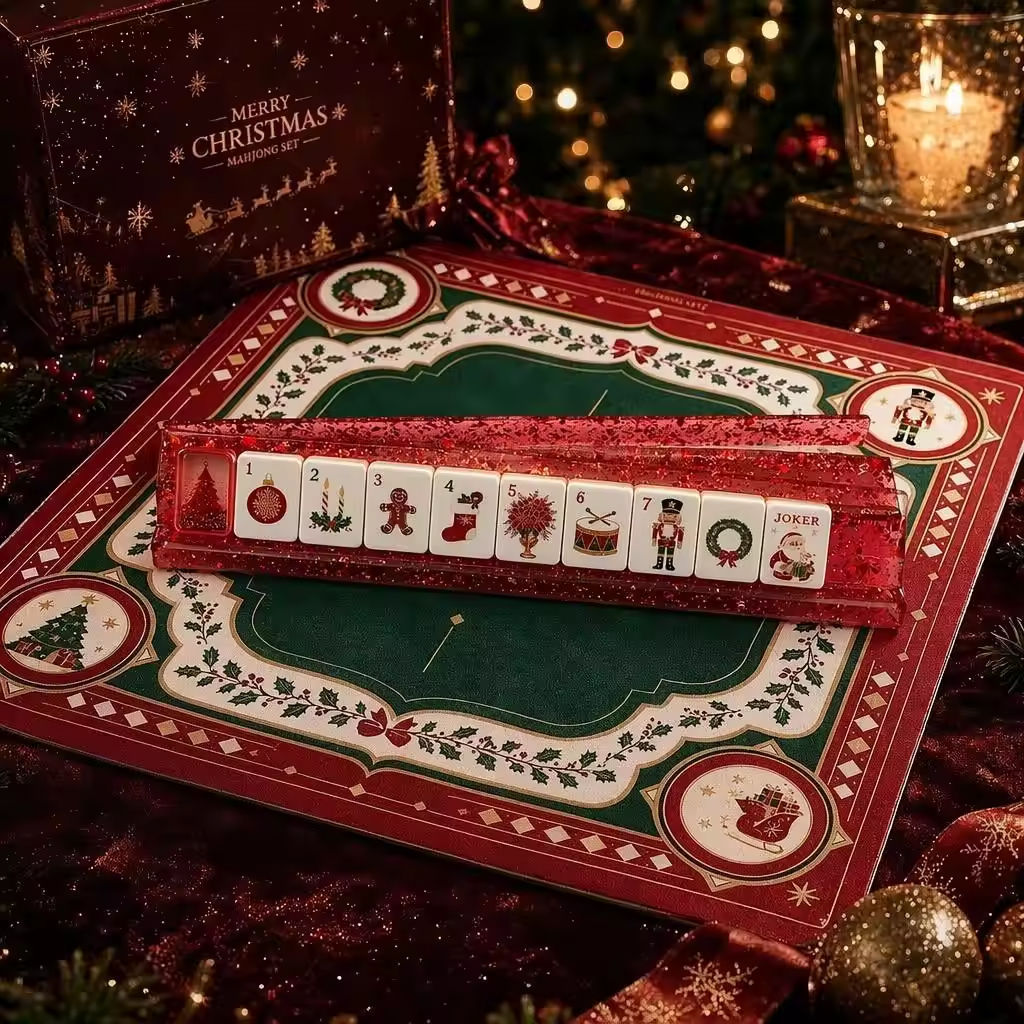
Mahjong retreats in Oklahoma aren't formally branded like casino events, but players organize them through community centers, libraries, synagogues, country clubs, and online meetup boards. A typical retreat runs a half-day or weekend with 2–4 tables, each playing American mahjong (152 tiles per set, 8 jokers, hands drawn from the current National Mah Jongg League card). Players bring their own sets or host provides them; a quality acrylic set from our best-selling mahjong sets works well for group play. Cost is usually a small buy-in per player or shared snack fees. Before hosting, confirm your state's social gaming laws—Oklahoma allows friendly games with no money exchanged or when profits go to charity, but gambling on games can carry legal risk. Find local groups through community bulletin boards, library event listings, or Meetup.com searches for "Oklahoma mahjong."
Oklahoma has a growing mahjong community, but finding organized retreats requires knowing where players gather and what setup makes a retreat comfortable and legal. A typical retreat runs a half-day or weekend with 2–4 tables, each playing American mahjong (152 tiles per set, 8 jokers, hands drawn from the current National Mah Jongg League card). Players bring their own sets or host provides them; a quality acrylic set from our best-selling mahjong sets works well for group play. Cost is usually a small buy-in per player or shared snack fees. Before hosting, confirm your state's social gaming laws—Oklahoma allows friendly games with no money exchanged or when profits go to charity, but gambling on games can carry legal risk. Find local groups through community bulletin boards, library event listings, or Meetup.com searches for "Oklahoma mahjong."
Where do Oklahoma mahjong players gather?
Oklahoma's mahjong community clusters around Tulsa and Oklahoma City. Check community centers for weekly drop-in games, libraries for bulletin boards listing informal groups, synagogues (which often host mahjong nights), country clubs with cards-and-games programs, and senior centers. Many players also coordinate games through Meetup.com, Facebook groups, or local bridge clubs that have branched into mahjong. Call ahead—groups vary in skill level, game speed, and whether they welcome newcomers. Starting at a library or community center is your safest entry; most are free or charge a small table fee.

How do you host a legal mahjong retreat at home?
Oklahoma law permits social mahjong games among friends without stakes or with modest shared costs (potluck, table rental, instruction fees). Money must not change hands based on wins or losses. If you want to avoid any ambiguity, host a nonprofit charity game where proceeds go to a registered organization. Set clear house rules before play: house rules override the National Mah Jongg League card, so decide if you're playing American only, mixing variants, or allowing house hands. Post rules visibly. Ensure each table has one set (152 tiles, 8 jokers), mahjong racks with pushers for tile management, and a mat to define playing space and protect furniture. Provide a current year's National Mah Jongg League card at each table.
What equipment does a mahjong retreat host need?
A retreat for 8 players (2 tables) needs:
Two 160-tile acrylic sets (we recommend our best-selling collection—acrylic is durable, loud, and easy to clean after snacks)
Two mahjong mats (one per table, protects the surface and defines play zones)
Eight racks with pushers, two per table (keeps tiles upright and organized—critical when hosting strangers who may play fast)
Two current National Mah Jongg League cards
Two sets of dice per table
Hand wipes and a damp cloth (acrylic tiles get sticky from snack residue)
Optional but helpful: a travel bag to store and transport sets between retreat locations, and engraved sets if you host regularly (personalization adds hospitality and makes sets easy to identify if players bring theirs too).
🀄 Shop best-selling mahjong sets →

How to plan a retreat schedule for beginners vs. experienced players
Separate by skill level if possible. A beginner retreat works best as a half-day (4–5 hours with breaks): allow 20 minutes for introductions and mahjong basics, 30 minutes for the Charleston (the tile-passing ritual), then 2 hours of play, snack break, 1–2 more hours of play. Each hand takes 10–15 minutes for newer players, so expect 6–8 hands per session.
An experienced players' retreat can run 6–8 hours (morning to early evening) or even a weekend. Players know the card, play faster (8–12 hands per 2 hours), and tolerate back-to-back tables. Mix social and competitive play: host a relaxed round, then a scorecard round if players want rankings. Always have snacks, water, and a comfortable temperature (games slow when people are uncomfortable). Rotate table partners every 2–3 hours so players meet new opponents.
Retreat Type | Duration | Players per Table | Hands per Session | Setup Complexity |
Beginner half-day | 4–5 hours | 4 | 6–8 | 1 mat, 1 set, 1 card per table |
Intermediate weekend | 8+ hours | 4 | 12–16 | 1 mat, 1 set, 1 card, scorecards |
Experienced multi-table | 1–2 days | 4 per table | 20+ | 2+ mats, 2+ sets, cards, prizes |
What should you check before inviting players to your retreat?
Before your first retreat, review how to play American mahjong and the Charleston explained so you can answer questions. Test your equipment: shuffle a full 160-tile set and play one hand to confirm all tiles are present (American mahjong uses exactly 152 tiles in play, 8 jokers; count before the game). Check that racks fit your table width and that mats lie flat. Confirm the current year's National Mah Jongg League card is on hand—the card changes every April, so an outdated card will cause confusion and disputes. If your set is missing tiles, you'll stop the game mid-hand, frustrating players and damaging your reputation as a host.
Clean the set before the retreat. Acrylic tiles accumulate dust; a damp cloth wipes them in seconds. Store tiles in a mahjong bag between games to prevent loss and damage.
✨ Find your Mahstead set — free US shipping →
How do you find a mahjong retreat to join rather than host?
If you'd rather join an existing group, start by searching local event sites. Search "mahjong Oklahoma" on Meetup.com, Facebook Events, and Eventbrite. Call your nearest community center or senior center and ask if they host mahjong groups or can refer you to one. Libraries often post flyers for local clubs. Synagogues and Jewish community centers (even if you're not a member) sometimes welcome guests at mahjong nights; a quick phone call clarifies. Don't hesitate to ask the organizer about the group's pace, house rules, and whether they're accepting newcomers. Some groups are closed to members only; others welcome drop-ins. Many experienced players mentor newcomers, so don't worry if you're a beginner. Once you've played a few times and are ready to host or organize, invest in a quality set and mat—your confidence and credibility will follow.
🎁 See our most-loved mahjong sets & accessories →
What to check before you buy your first retreat set
Tile count: Confirm the set is 160 tiles (152 playing + spares). American mahjong requires exactly 152 tiles in play; no more, no less.
Material: Acrylic tiles are loud (good for group play), easy to clean, and durable. Bamboo is quieter and more traditional but requires gentle handling.
Racks and mat included: If not, budget separately. Racks are non-negotiable for group play; mats protect your table and keep the game focused.
Spare tiles: A 160-tile set includes backup tiles in case of breakage or loss. Confirm the seller specifies this; we always include spares with ours.
Shipping: Free US shipping saves money and hassle when hosting multiple retreats.

FAQ
Is mahjong legal to play for money in Oklahoma?
Oklahoma prohibits gambling on mahjong (and other games) outside licensed venues. Social games among friends with no money changing hands, or games where proceeds benefit a registered nonprofit, are legal. Always clarify the retreat's stakes (or lack thereof) before joining.
Can I play Chinese or Hong Kong mahjong at an Oklahoma retreat instead of American?
Yes, if all players agree beforehand. American mahjong uses a card and no sequences; Chinese and Hong Kong mahjong use sequences and a different tile set. Most Oklahoma groups play American because it's simpler for mixed skill levels and the National Mah Jongg League card is widely available. Confirm the retreat's variant before signing up.
How many players do I need to host a mahjong retreat?
A retreat works best with 4 players per table (standard American game). You can run one table with 4 players or multiple tables with groups of 4. Three-player and two-player variants exist but are less common. For your first retreat, start with one table (4 friends) to test your setup.
What's the easiest way to learn American mahjong before hosting a retreat?
Read mahjong for beginners, watch a video tutorial, and play one practice hand with a friend using a full set and current card. You don't need to memorize the card—just understand the basic hand shapes (pungs, kongs, pairs) and joker rules. Hosting beginners means you're not expected to be an expert; players forgive learning moments if you're organized and friendly.
How often should I replace the mahjong card at my retreat?
The National Mah Jongg League card changes every April. Replace it every spring. An outdated card is the most common source of disputes at retreats—hands on last year's card don't match this year's, causing confusion. Mark your calendar or check online in early April.


View More
View More
View More
