
Mahjong Retreats in Massachusetts: Where to Play & What to Bring
Last updated: Nov 23, 2026
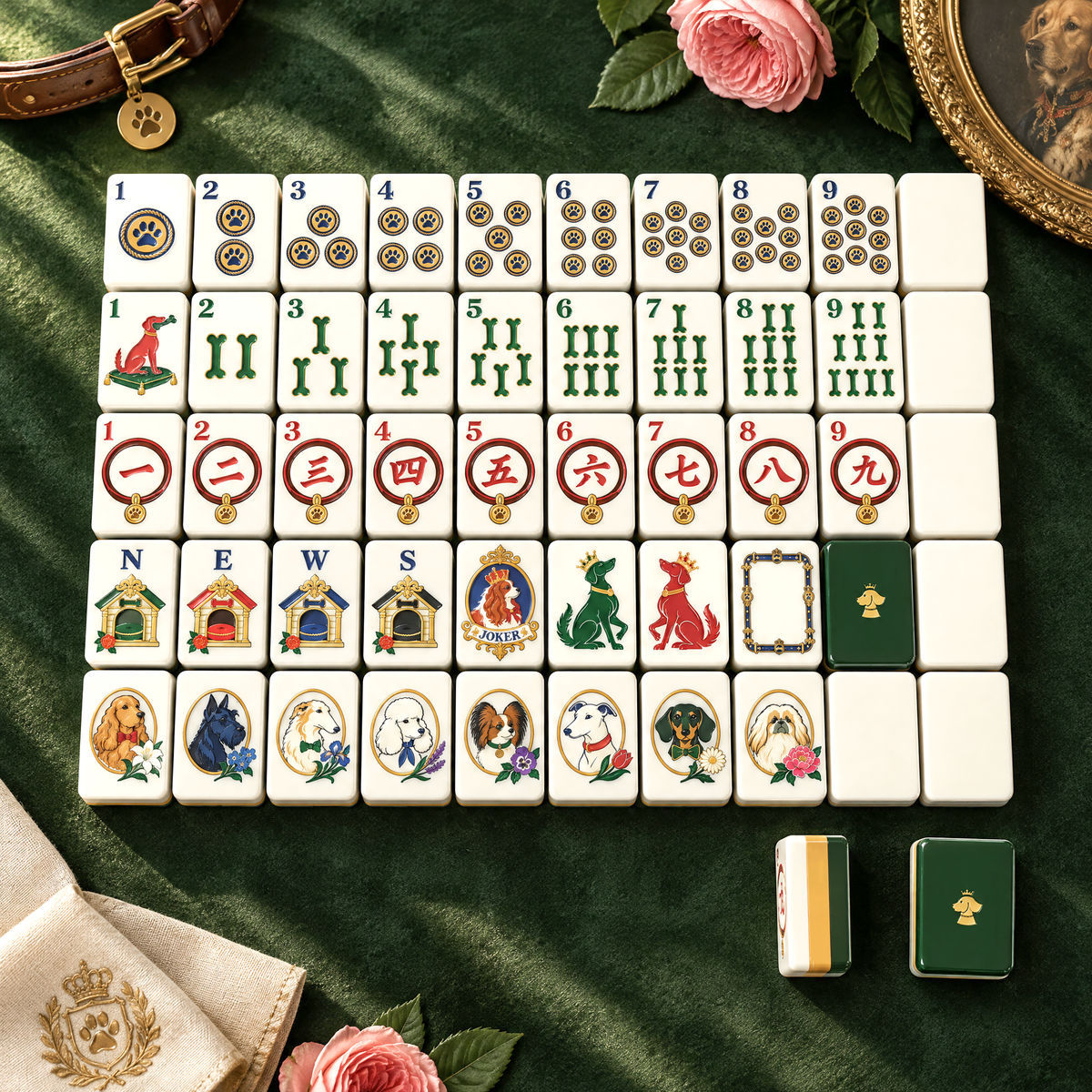
Massachusetts mahjong retreats range from informal weekly games at community spaces to organized weekend tournaments, mostly in the Boston, Worcester, and Springfield regions. Most regular games happen at synagogues, Jewish community centers, libraries, and country clubs—search Meetup boards, ask at your local JCC, or contact nearby libraries for current schedules. American mahjong retreats typically run 4–8 hours and follow the National Mah Jongg League card issued each spring. Standard games use 152 tiles plus 8 jokers; bring a personal set if you're comfortable with your tiles, or join a retreat that provides equipment. Costs vary widely—casual meetups are free, while hosted weekend events range based on location and refreshments. Since we play weekly and host quarterly retreats ourselves, we recommend arriving 15 minutes early to learn house rules, confirming the game variant (American mahjong is standard in Massachusetts), and bringing cash for casual pots or tournament fees.
Where exactly do Massachusetts mahjong players gather?
Massachusetts mahjong community clusters in the Boston metro area, with secondary pockets in Worcester County and western Massachusetts. Search your city or town's Parks & Recreation department website—many list ongoing mahjong meetups at community centers or libraries. Jewish Community Centers (JCC chapters exist in Boston, MetroWest, and Worcester) host weekly games and often welcome newcomers; call ahead to confirm meeting times and whether you need to join first. Synagogues in the Boston area, especially Conservative and Reform congregations, frequently run mahjong groups—ask the membership or programming staff. Country clubs and senior centers in suburbs like Brookline, Newton, and Wellesley often host games during weekday afternoons. Check Meetup.com for "mahjong near me" to find active, current groups; local libraries sometimes post flyers for monthly retreats. The Boston area has the densest network; smaller cities rely on word-of-mouth through JCCs and civic organizations.

What's the difference between a casual weekly game and a retreat?
Casual weekly games meet for 2–4 hours at a fixed location, usually the same night each week, with rotating players and informal scoring. A retreat typically brings 8–32 players together for 6–12 hours (often a Saturday) or a full weekend, with structured tournament rounds, assigned tables, and published rules or scoring. Weekly games rarely have an entry fee; retreats usually charge per person to cover venue rental, refreshments, and prize pools. American mahjong is the standard format everywhere in Massachusetts—you'll use the current year's NMJL card and follow no-chows-exposed rules. Chinese or Hong Kong variants are rare in the state outside of specialty clubs. If you're new, ask the organizer whether the group follows strict NMJL rules or house modifications (e.g., whether jokers reset limits, how many Charleston passes occur). Most retreat hosts publish rules in advance; ask to see them when you register.
What should you pack for a Massachusetts mahjong retreat?
For a single-day retreat (6–8 hours), bring your personal mahjong set if you own one, a seat cushion or lumbar pillow, your National Mah Jongg League card for the current year (buy online or at the retreat), two or three pens, score pads, and eyeglasses if you need them. Wear comfortable clothing; mahjong tables are room-temperature, but you'll sit for long stretches. Bring cash for entry fees, snacks, and casual scoring—checks and cards are rarely accepted. If you don't own a best-selling mahjong set yet, contact the retreat organizer before registering to confirm whether they'll provide one or whether you must bring your own; most organized events supply tables and tiles. For an overnight or weekend retreat, add a small overnight bag, any medications, and a light jacket—some venues have variable climate control. Many retreats include light snacks; confirm with the host whether you should bring a potluck contribution. Leave your phone on silent and avoid using it at the table—it disrupts other players' focus and is considered poor etiquette in Massachusetts clubs.
🀄 Shop best-selling mahjong sets →

How do you find and join a retreat if you've never played before?
Start by learning how to play American mahjong online or through a local class—many libraries and JCCs offer beginner lessons in spring and fall. Once you understand hand-reading and the Charleston tile pass, attend a casual weekly game first to build confidence. Call or email the organizer ahead of time and say you're a beginner; most groups welcome newcomers and will sit you with patient players. Bring your NMJL card, a notepad, and a willingness to ask questions. Don't worry about scoring on your first visit—focus on recognizing valid hands and learning local house rules. Many retreats have a "beginner table" or pair new players with experienced ones; ask when you register. If you own a set, bring it to show players your tiles and spark conversation. Massachusetts players are generally warm and patient with newcomers—the community grows by welcoming fresh faces.
What equipment makes hosting your own retreat easier?
If you're organizing a weekend game for 8–16 players at your home or rented space, you'll need four to six complete 160-tile acrylic American mahjong sets so each table has its own tiles and no borrowing occurs mid-game. Invest in a padded mahjong mat per table—it protects tiles, reduces noise, and defines playing space clearly. Racks with pushers (one set per player, or at least 12–16 total) keep tiles organized and let newer players focus on strategy instead of fumbling with loose tiles. Score pads, pens, and a visible timer or phone alarm help keep rounds on schedule. A travel bag or case per set makes setup and breakdown fast—you'll appreciate this at the end of the day. Bring snacks, water, and a hand-washing station; mahjong tiles get grimy over eight hours. If you're hosting a seasonal retreat (e.g., winter gathering), consider themed engraved sets as giveaways or raffle prizes—players love sets personalized with their names or a funny mahjong saying.
🎁 See our most-loved mahjong sets & accessories →
Equipment | Why it matters | If you're hosting |
160-tile acrylic sets (4–6) | One set per table; standardized tiles reduce confusion | Essential—buy or confirm loan agreements in writing |
Padded mats | Protects tiles, dampens noise, marks table boundary | One per table; makes retreat feel professional |
Racks & pushers | Keeps tiles upright, speeds play, helps beginners focus | 3–4 per table; reduces player fatigue |
Travel bags | Fast setup/breakdown, protects tiles during transport | One per set; saves 30 minutes on load-out |
Score pads & pens | Clear record-keeping; avoids scoring disputes | 2–3 sets per table plus spares |
Current NMJL card | Validates hands; everyone must have one | Remind players to bring; ask if you should buy extras |
What common mistakes do first-time retreat hosts make?
Underestimating setup time: Expect 45–60 minutes to unpack tiles, shuffle, and assign tables; start early or recruit helpers. Not confirming player skill levels: Mixing complete beginners with advanced players at one table frustrates both; ask registrants about their experience and group accordingly. Forgetting the current year's NMJL card: The hand-validation card changes every spring; an old card will cause disputes and slow play. Using cards from previous years invalidates any hand that's no longer printed. Buying cheap mats or broken tiles: A single missing or cracked tile ruins a set mid-game; acrylic sets from reputable makers (not dollar-store imitations) last years and hold value. Not setting house rules in writing: Print a one-page rules sheet addressing whether jokers reset limits, how ties are scored, whether cell phones are allowed, and what Charleston variation you'll use. Email it to players before the retreat. Overcrowding tables: Four players per table is standard; adding a fifth or sixth creates chaos and slows every round. Four tables of four (16 players) is the sweet spot for a beginner-friendly half-day retreat.
✨ Find your Mahstead set — free US shipping →
What to check before you buy equipment for hosting
Tile count: American mahjong uses exactly 152 tiles plus 8 jokers per set. A 160-tile acrylic set includes spare tiles—never add extra jokers or blanks to the playing surface, or hand validation becomes impossible.
Acrylic vs. composite: Acrylic tiles are durable, quiet, and stack neatly in racks. Composite (resin-bamboo) tiles are heavier and more fragile; they're beautiful for personal collections but risky for group retreats where tiles get shuffled roughly.
Mat material: Cork or felt backing grips the table and prevents sliding; avoid bare plastic or rubber mats that let tiles scatter. Test-fit your tiles on the mat before buying—some mats are too thick for standard racks.
Rack height: Standard racks hold tiles at a comfortable angle for players with average hand size; ask whether racks work for arthritis or limited dexterity if your guests mention these concerns.
Bag durability: Travel bags take abuse; check zippers and seams before a retreat. A torn bag mid-trip means broken tiles and a ruined event.

FAQ
Do I need a National Mah Jongg League membership to play in a Massachusetts mahjong retreat?
No. You need the current year's card (a booklet with all valid hands), which you buy separately for roughly the cost of a coffee. NMJL membership is optional and mainly benefits tournament directors and serious competitive players.
What's the most common mahjong variant played in Massachusetts?
American mahjong, played with 152 tiles and the current year's NMJL hand card. Chinese and Hong Kong variants exist in some specialized clubs, but you'll find American mahjong at nearly every community center, library, and JCC game.
Can I host a mahjong retreat in my home?
Yes, if you have a large dining table or card table, four chairs, and enough floor space for refreshments. For 8+ players, rent a community center or library room; it's cheaper than you'd expect and gives you climate control and parking.
How much does it cost to buy a complete mahjong set for hosting?
See current price on the product page. We sell 160-tile acrylic sets with free US shipping; prices vary by design and customization. Budget for 4–6 sets if hosting regular retreats.
What if a tile goes missing or cracks during a retreat?
A 160-tile set includes spare tiles specifically for this reason. Keep spares in the bag; if a tile breaks, swap it immediately and continue play. If too many tiles are damaged, pause and use a backup set.
Are there beginner-friendly retreats in Massachusetts, or do I need experience first?
Many Massachusetts JCCs and libraries run beginner retreats in spring or fall. Call ahead, confirm the retreat welcomes new players, and ask whether they'll teach you at the table. Start with a casual weekly game first if you're very nervous.
Can I bring my own tiles to a retreat I'm not hosting?
Yes, if they're in good condition. Most organizers welcome it and will assign you a table with your set. Call ahead to confirm; some retreats provide all tiles to standardize the game.
How long does a typical Massachusetts mahjong retreat last?
Half-day retreats run 4–6 hours (usually Saturday morning or afternoon). Full-day events are 8–10 hours. Weekend retreats span Friday evening through Sunday afternoon. Check with the organizer for the exact schedule.


View More
View More
View More
