
Mahjong Retreats in Arizona: Plan Your Game Getaway
Last updated: Nov 23, 2026
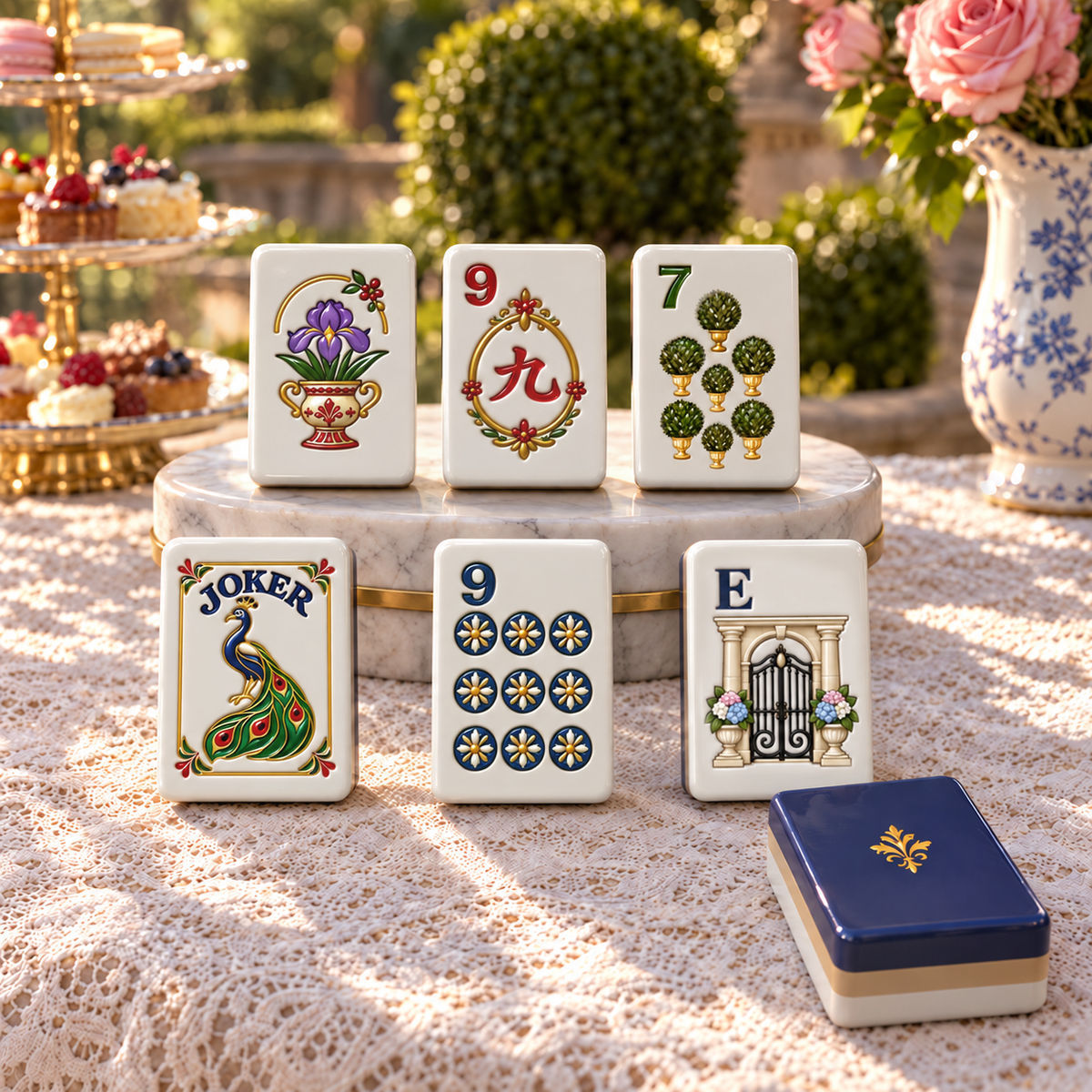
Mahjong retreats in Arizona typically happen in Phoenix, Scottsdale, and Sun City—areas with large communities of active players. Spring and fall are peak seasons (October–April) when the weather suits multi-day events. Most retreats run 2–4 days and include morning teaching sessions, afternoon and evening games, group meals, and sometimes workshops on strategy or scoring. You'll need a 160-tile American mahjong set per table, a mat, racks, and a current National Mah Jongg League card for hand reference. Costs depend on venue, lodging, and meals; many groups self-organize through community centers, retirement communities, synagogues, and country clubs rather than booking commercial packages. The key is starting early: pick your venue 3–6 months ahead, confirm the NMJL card year for all players, and ensure everyone has matching equipment so games run smoothly without tile disputes.
Arizona's warm, stable climate and large retiree population make it a natural hub for mahjong retreats. Unlike casual weekly games at home, a retreat combines competition, teaching, travel, and social time—often 2–4 days with 4–8 tables running simultaneously. Whether you're organizing your first group trip or joining an established event, the logistics are straightforward once you know where to look and what to prepare.
Where Do Mahjong Retreats Happen in Arizona?
Arizona retreats cluster in three main areas: Phoenix (central, largest airport, most venues), Scottsdale (upscale resorts, active 55+ communities), and Sun City (built-in retiree population with established clubs). Start your search at community centers, retirement community activity boards, synagogues with large memberships, and country clubs—many host annual events or can connect you with organizers. Check meetup boards and ask at local game shops whether they know of scheduled gatherings. Libraries and senior centers often post flyers or mailing lists. If no formal retreat exists, you can organize one: rent a hotel meeting room (ask for a group rate), set dates, and invite players through your existing network.

What Time of Year Works Best?
October through April is peak season—Arizona's perfect weather draws snowbirds and makes outdoor or poolside games comfortable. Summer (May–September) is hot but quieter, so venues may offer better rates and smaller, intimate groups if you prefer that. Book venues 3–6 months in advance for spring retreats (especially March–April, when new players travel). Fall retreats (October–November) are slightly easier to schedule but fill quickly as players return. Avoid late July–August if you dislike heat above 110°F; many outdoor venues close or relocate indoors.
What Does a Typical Retreat Schedule Look Like?
Most multi-day retreats follow a rhythm: opening reception and tile check (evening day one), morning beginner or refresher session (30–60 minutes), lunch break, afternoon round-robin games (2–3 hours), dinner, evening tournament or social play (2–3 hours), repeat day two and three. Some include a final championship bracket or friendly closing dinner. If you're hosting 4–8 tables, assign a scorekeeper per table and a head scorer to track cumulative standings. Always print or distribute the current year's National Mah Jongg League card to every player so everyone references the same hands—this eliminates disputes. Have spare tiles and jokers on hand; a 160-tile set from our best-selling collection includes extras for exactly this reason.
🀄 Shop best-selling mahjong sets →
What Equipment Should Every Player Bring or the Host Provide?
Each table requires: a 160-tile American mahjong set, a mat (to protect tiles and reduce noise), one rack per player with pushers, one set of dice, and a current NMJL card. For a retreat, consider providing centralized equipment—one set of mats and racks per table, rental or shared dice—so players travel light. If hosting, buy quality racks with pushers (bamboo or acrylic last years and handle group wear better than budget versions). Provide a dedicated mahjong mat per table; a good mat keeps tiles from sliding during fast play and dampens noise in a busy room. If players are traveling, recommend they pack their own set in a travel bag or case to avoid damage. Inspect all sets before the retreat starts: count tiles, check for cracks, ensure jokers are clearly marked, and verify the NMJL card matches the year of play (2026 in this case).
Item | Who Needs It | Best Option | Why It Matters |
160-tile set | Each table (or retreat host) | Acrylic, from best-selling collection | Durable, complete with spares |
Mahjong mat | Each table | Soft nylon or felt-backed | Quieter play, tile protection |
Racks with pushers | 4 per table | Bamboo or acrylic | Faster tile management, professional feel |
Dice | 1 per table | Standard six-sided | Determines walls and play order |
NMJL card | Every player | Current year (2026) | Legal hand reference, game validity |
Travel bags | Individual players | Padded case | Protects set in transit |
🎁 See our most-loved mahjong sets & accessories →

How to Avoid Common Retreat Mistakes
Tile inconsistency: The biggest pitfall is mixing tile styles or counts mid-game. If some tables use older, worn sets and others use new ones, players will complain that tiles feel different or that counts don't match. Solution: buy or rent matching sets for all tables, or ask each player to bring an identical set from the same vendor. Inspect every set beforehand.
Card confusion: Players sometimes bring outdated NMJL cards or cards from years past. A hand valid in 2025 may not be valid in 2026. Before the retreat, email all attendees the exact card year and ensure everyone has printed or digital copies. Appoint a scorekeeper trained in that year's scoring to settle disputes.
Joker disputes: American mahjong jokers are wild but have strict rules—they cannot form a single tile, a pair, or be substituted for tiles in certain positions. Many beginners misuse them. Run a quick 10-minute teaching session on joker placement during the opening reception. Have a printed copy of joker rules at every table.
Crowded room, no sound control: Multiple tables playing simultaneously create noise and distractions. Use a soft mat at each table (not a hard wooden surface) to muffle tile noise. Consider earplugs for sensitive players and schedule quiet breaks.
Uneven skill levels: If beginners and experts play together without structure, beginners feel overwhelmed and experts get bored. Solution: organize opening games by skill level on day one, then mix tables once everyone is warmed up. Pair a new player with an experienced one at each table to coach.
Getting Started: A Simple Organizing Checklist
Pick your dates (3–6 months out) and venue type (hotel, community center, retirement community).
Confirm space and ask about table rentals, parking, meal options, group discounts.
Set a player cap (16–32 is typical for 4–8 tables) and send invites with the current NMJL card link.
Request tile sets: ask players to bring matching sets or arrange to provide them centrally.
Print mats, racks, and scoring sheets or source them beforehand—don't scramble day-of.
Schedule opening 15-minute orientation: review the card, joker rules, scoring, and table assignments.
Assign roles: scorekeeper per table, head scorer, rules judge, hospitality coordinator.
Send a reminder email one week before with the full schedule, what to bring, and parking info.
Set up early (or the day before) to test all equipment and ensure tile counts are correct.
✨ Find your Mahstead set — free US shipping →
What to Check Before You Buy Retreat Equipment
If you're the host or organizer buying new sets for a retreat, inspect before purchase:
Tile count: Confirm the set contains 152 playing tiles plus spares (a 160-tile set). Count a sample to verify.
Joker marking: Jokers must be clearly distinct (often labeled "Joker" or marked differently in color).
Material: Acrylic is durable and easy to clean; bone/bamboo are classic but require care.
Rack condition: Test pushers—they should move smoothly without jamming or cracking.
Mat thickness: A thin mat will slide; test it on a smooth table surface.
Card currency: Confirm the NMJL card is for the current year (2026). Outdated cards invalidate hands.
We've tested every product we recommend at active tables, so our best-selling sets come from years of retreat feedback. Look for sets with clearly labeled jokers, durable racks, and matching mat options so your retreat feels cohesive and runs smoothly.

FAQ
Can beginners join an Arizona mahjong retreat?
Yes. Most retreats include a beginner orientation or teaching session on day one. Pair new players with experienced ones at the same table, and run opening games by skill level so no one feels lost.
How many players fit in a typical retreat?
A single venue can comfortably host 16–32 players (4–8 tables). Larger groups may need multiple rooms. Each table seats exactly four.
What if players bring different tile sets?
Mixing sets causes disputes over tile condition and feel. Before the retreat, request that all players bring matching sets from the same manufacturer, or provide centralized sets for everyone.
Do we need an official tournament license to host a retreat?
No. Casual and semi-organized retreats run without licensing. If you're charging admission or offering cash prizes, check Arizona gaming rules—most social retreats operate informally under house rules and the NMJL card.
Can we play other mahjong variants (Chinese, Riichi) at an Arizona retreat?
Yes, but clearly label it beforehand. American mahjong retreats follow NMJL rules. If you want to teach or include other variants, allocate specific time slots so players know what to expect and what rules apply at each table.
How do we handle scoring across multiple tables and days?
Appoint a head scorer. Use a shared spreadsheet or printout tracking player totals after each session. After each round, collect score cards from table scorekeepers and update the master tally. Post standings daily so players see where they stand.
What's the best mat for a noisy room with many tables?
Soft nylon or felt-backed mats dampen tile noise better than hard surfaces. Thicker mats (½ inch or more) reduce sound and protect tiles. Place mats on stable tables to prevent sliding during fast play.


View More
View More
View More
