
Mahjong Retreat Ideas: Planning Your Perfect Tile Getaway
Last updated: Nov 23, 2026
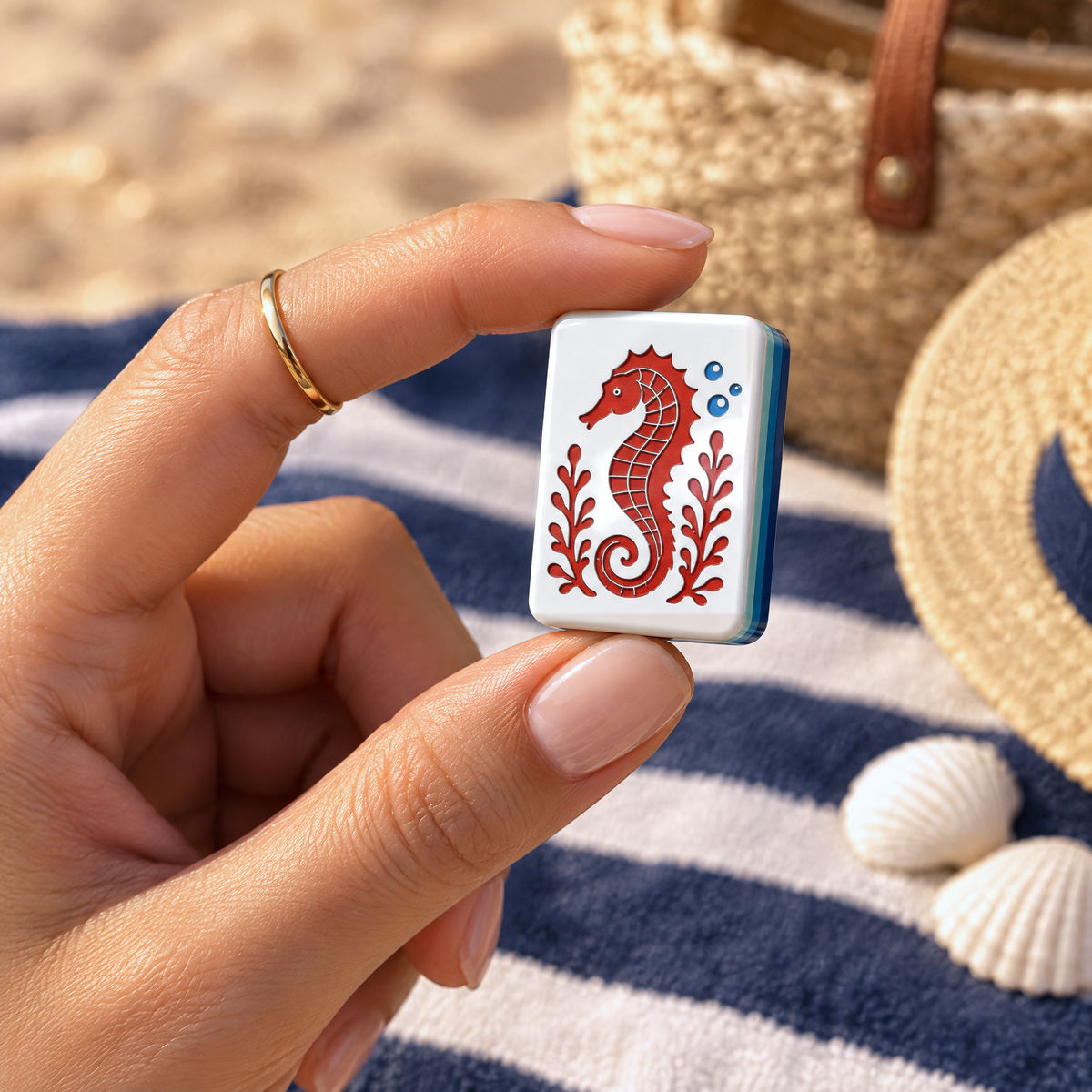
A mahjong retreat is a dedicated gathering—typically 2–7 days—where mahjong players meet at a shared location to play intensively, often rotating tables and mixing skill levels. Retreats range from casual friend weekends at a cottage or cabin to organized club trips and charity tournaments. The core equipment is the same as any weekly game: 152 playing tiles per table, a mat, racks, and a current National Mah Jongg League card. Most groups hosting retreats with us at Mahstead buy multiple best-selling mahjong sets or custom engraved designs so players remember the event. Budget covers venue rental, meals, and setup; the most common mistakes are undershooting table space (need 3–4 feet per player per table), overestimating jokers in shared sets, or forgetting a scorepad and pen for each table.
How many players and tables should you plan for?
A retreat works best with 4–12 simultaneous players, which means one table of four or up to three tables. If you're hosting more than 12, stagger sessions or add a second location. One standard 160-tile set plays four people; if players rotate tables between rounds, one set per table is enough if you manage passing the tiles and jokers back. For rotating play with 8–12 people, we recommend two or three sets so tiles don't get mixed or lost mid-session, and everyone starts fresh each round.

What's the ideal venue for a mahjong retreat?
You need a quiet, climate-controlled space with tables large enough for tile play—at least 36 × 36 inches per table, or 48 × 48 inches if you prefer room to breathe. Homes with a dining room or den, rental cabins, church or community center meeting rooms, or country clubs all work well. Ensure good lighting (overhead or task lamps; shadows kill tile-reading speed), a side table for joker sorting and a snack station, and bathrooms nearby. Avoid outdoor spaces or venues with direct sunlight on the tiles (acrylic tiles can glare and fade). One retreat host we know rents a lake cabin every March; another books a synagogue multi-purpose room for a Saturday. The venue should feel comfortable for 6–8 hours of continuous or semi-continuous play, so include seating outside the play area for breaks.
What equipment do you need beyond the standard sets?
Beyond tiles, you'll want multiple mahjong mats if you have more than one table—each mat protects tiles from scratches and marks the play boundary so tiles don't roll. Bring racks with pushers for all players; hand racks reduce fatigue during long sessions. A scoreboard and scorepads are essential—one per table. Bring extra jokers (spares beyond the 8 per set) in case any crack or get lost; acrylic jokers in shared sets show wear, so having spares prevents delays. If players are traveling from different cities, secure mahjong bags or cases to ship sets or protect them in luggage. One retreat organizer we know orders custom engraved American mahjong sets with the retreat year and location—players love them as keepsakes. A timer for each table keeps rounds on schedule.
Item | Why it matters | Quantity per table |
160-tile set | Standard play | 1 set |
Mahjong mat | Tile protection & boundary | 1 mat |
Racks with pushers | Reduce hand strain | 4 per table |
Scorepad & pen | Record points each round | 1 set |
Joker spares | Replace damaged jokers | 2–3 extras |
Timer | Keep rounds on pace | 1 timer |
NMJL card (current year) | Reference hands | 1 card |
Lighting (task lamp) | See tiles clearly | 1–2 lamps |
How do you manage tile rotation and hygiene across multiple sessions?
If you're running a retreat with continuous play or multiple rounds, establish a clear rotation: after each round, all tiles go back into the set (use a dedicated container), and the jokers get sorted and counted—this catches missing tiles early. We recommend wiping tiles with a dry, soft cloth between sessions; acrylic tiles attract dust and oils. If players are coming from different homes, check tiles before the retreat starts—confirm the set has all 152 tiles and 8 jokers, and no cracks or chips. Label each set with a color tape or marker so organizers can track which set played which table. One retreat host we know keeps a "retired joker" bag for cracked pieces so they don't accidentally mix back into play. Never wash acrylic tiles with water unless absolutely necessary; that can warp the finish.

What's the best way to structure a multi-day retreat schedule?
A weekend retreat typically runs Friday evening through Sunday afternoon; a week-long version spans Monday to Friday with optional weekends. Structure it as rotating rounds of 45–60 minutes per game, with a 10–15 minute break between rounds for joker counting, tile reset, and player rest. Morning session: two or three rounds. Midday: lunch break. Afternoon session: two or three more rounds. Evening: light play or dinner and scoring. If you're mixing skill levels, rotate tables so beginners don't play the same experienced group repeatedly. Some retreats hold a "new player" table for the first day, then shuffle. Others run a tournament bracket in the final day and award a small prize—a custom tile set or bragging rights. One group organizes a "mystery hand" challenge on Day 2 to keep energy high. Always plan a closing dinner or brunch where you announce scoring and hand out mementos.
🎁 See our most-loved mahjong sets & accessories →
How do you handle scoring and prizes fairly?
Use cumulative scoring across all rounds played during the retreat; whoever has the most points after the final round wins. Keep scorepads at each table, and have one retreat organizer collect and total them each evening. Some groups play for small entry fees (split among the highest scorers), while others award non-monetary prizes—a bottle of wine, a donated item, or just bragging rights. Charitable retreats often donate a portion of fees to a local food bank or medical fund. One retreat we know gives every player a custom-engraved set from our best-selling collection as a participation gift, regardless of score; the competitive edge stays friendly. Make scoring rules clear on Day 1 so no one feels blindsided at the end. If you're using the current year's National Mah Jongg League card, confirm all tables are playing the same card edition—sometimes a new card is issued mid-year, which can cause confusion.
What should you check before you buy sets for your retreat?
Confirm the tile count: our 160-tile sets contain exactly 152 playing tiles plus spare jokers and blanks—never add extra tiles to play. Verify all sets have the same tile design and color so players feel they're in the same game (mixing old wooden sets with new acrylic ones confuses scoring and hand-reading). Check that racks and mats match the set size; an undersized mat won't protect oversized tiles. Test the joker pusher mechanism on the racks—they wear over time and can stick. If you're ordering multiple sets at once for a group retreat, ask about bulk packing and free US shipping to your venue. Buy one extra set as backup in case of damage during the retreat.
✨ Find your Mahstead set — free US shipping →
FAQ
What's the difference between a mahjong retreat and a tournament?
A retreat emphasizes extended play, camaraderie, and relaxation over 2–7 days; a tournament is competitive and typically one-day with bracketed rounds and rankings. Retreats often mix social and casual competitive play; tournaments follow strict rules and scoring. Both use the same 152-tile sets and current-year card.
Can you run a mahjong retreat with mixed experience levels?
Yes. Rotate tables between rounds so beginners play each other, then mix with intermediates in later rounds. Offer an optional "teach-in" session on Day 1 for new players. Most retreats succeed because players respect the learning curve and enjoy mentoring. Have a current-year card at every table for reference.
How many sets do I need if I have 12 players?
Three tables of four players = three 160-tile sets. If players rotate between tables, you can use the same sets if you manage joker inventory carefully (recount after each round). Recommend three sets anyway to avoid delays and tile loss.
What happens if a tile cracks during the retreat?
Remove it immediately and replace it with a spare joker if you have one, or shift play to a two-player format at that table temporarily. Keep a few spare tiles on hand. This is rare with acrylic tiles but happens with heavy use.
How do I store retreat sets between events?
Keep each set in a dedicated bag or case with a scorepad and current-year card. Store in a cool, dry place—never in direct sunlight or a damp basement. Label each set with the retreat year or location. Replace jokers or damaged tiles before the next event.
Can you host a mahjong retreat remotely or online?
Not in the traditional sense; mahjong is tactile—players need to feel tiles, manage their own racks, and read the table. You can play online games using software, but the retreat experience—gathering, tile handling, in-person strategy—is lost. In-person retreats are the heart of the hobby. --- 🀄 Shop best-selling mahjong sets →


View More
View More
View More
