
How Much Is a Good Mahjong Set: A Player's Buying Guide
Last updated: Nov 23, 2026
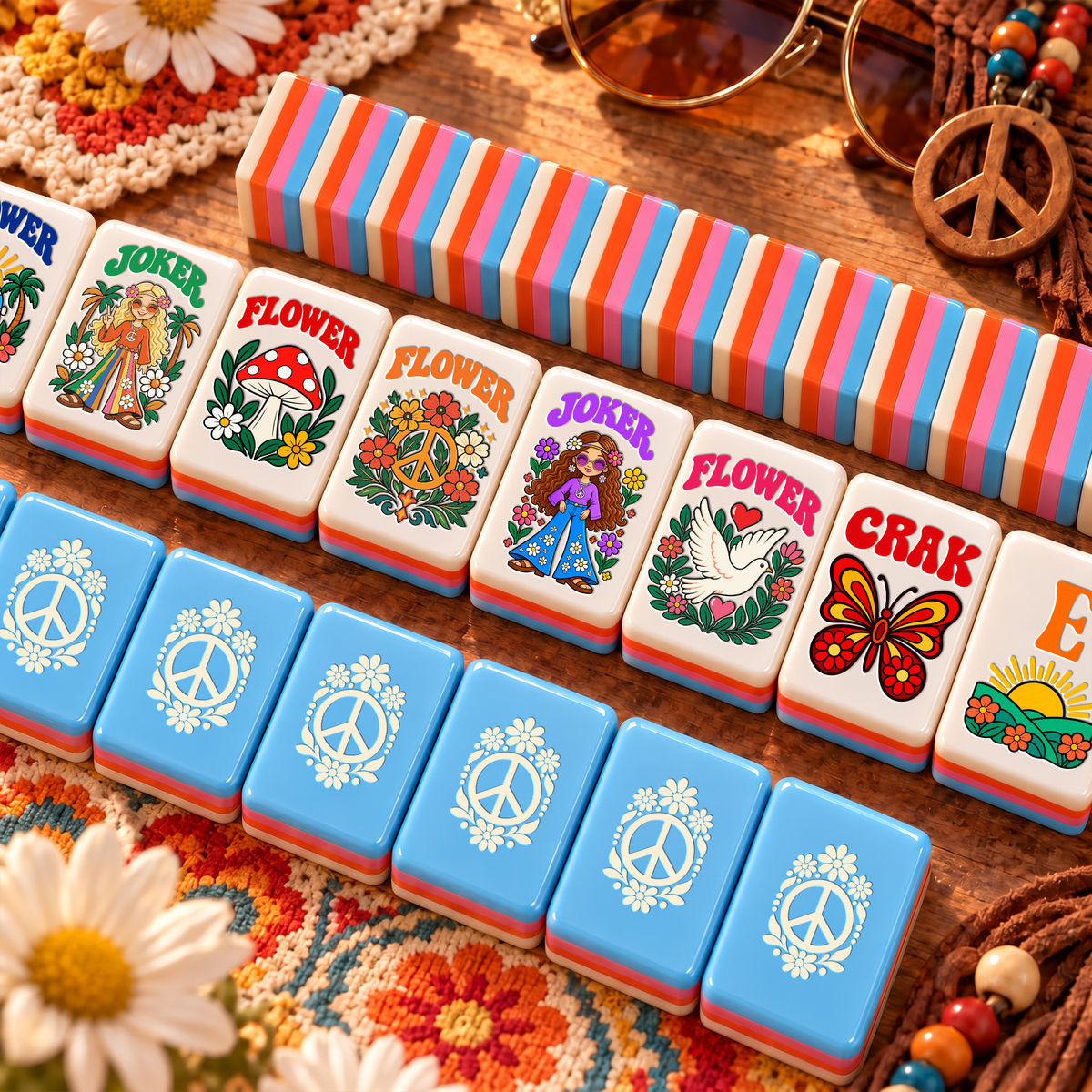
A good mahjong set costs what you're willing to spend on a hobby you'll use at least monthly—anywhere from modest to significant, depending on tile material, engraving, included accessories, and durability. American mahjong sets contain 160 tiles (152 for play plus spares) and work best with a mat, racks with pushers, and storage—so a complete setup includes more than just the tiles. Acrylic sets offer brightness and durability; wood or bone tile sets cost more and feel premium but require careful storage. Avoid sets with unclear tile markings, thin racks, or no organization system; buy from sellers who stock American rules tile counts (160 tiles) and can ship the whole package ready to play.
🀄 Shop best-selling mahjong sets →
What makes a mahjong set "good" in the first place?
A good set has legible, durable tiles that survive years of shuffling, racks or storage that protect them, and a weight or feel that keeps you engaged during play. When you're holding tiles for three hours on a Thursday night, the markers need to be sharp enough to read across the table, and the tile back shouldn't feel cheap or flimsy. The four winds and three dragons should be instantly recognizable even in low light. If you're playing American mahjong, learn what's actually in the set first—152 tiles for play plus extras—so you know you're buying the right count and not oversold on "deluxe" versions that don't follow league rules.

How do material and thickness affect the real cost?
Acrylic tiles (solid or translucent) are affordable, bright, and durable—they won't fade in sunlight and handle daily shuffling without chipping. Bamboo and wood sets cost more upfront and look beautiful, but they're heavier to shuffle, more prone to cracking if stacked wrong, and need dry storage away from humidity. Bone or ivory-style tiles (often resin composites) sit at the premium end; they feel luxurious but are harder to replace if one breaks. The thickness matters: tiles thinner than 7–8mm feel fragile and can warp; thicker tiles (8–10mm) survive the push-together shuffle that happens every game. A good set should feel solid in your palm without being a brick. Weight and heft aren't free—they add to the overall investment, so decide whether prestige or practicality matters more to your group.
What's the difference between a basic set and a "complete" one?
Item | Basic Set | Complete Setup | Why it matters |
160 tiles only | ✓ | ✓ | Both have the right count for American play |
Racks with pushers | — | ✓ | Protects tiles, keeps your hand organized |
Mat or cover | — | ✓ | Protects table, quiets shuffling, marks home seats |
Storage bag or case | — | ✓ | Tiles survive travel; case lasts decades |
Engraved design | Optional | Optional | Personalization; no added play value |
Dice | Usually included | ✓ | Sets dealer and first hand each round |
A "basic" set is just 160 tiles and maybe a thin drawstring bag. A complete setup adds racks with pushers (one per player), a mat or table cover, and a storage case or bag that keeps everything together and safe. If you're hosting weekly games or sharing a set among friends, the racks and mat prevent tile damage and make the game feel intentional—not scratched-up or chaotic. For a casual once-a-year player, a basic set plus a cheap bag might be enough. For someone in a regular game group, the complete package is an investment in not replacing tiles every two years.
🎁 See our most-loved mahjong sets & accessories →

Should you pay more for engraved or personalized tiles?
Engraved sets (custom names, dates, team logos, or holiday themes) don't play any differently than plain ones, but they do turn a game night into a keepsake. An engraved set becomes a gift that lands harder than a generic tile box—it says you're part of something, a tradition, a specific game group. The engraving adds cost but also meaning; if you're hosting year after year or marking a milestone (retirement, 10 years of Thursdays), the personal touch often feels worth it. Browse engraved mahjong sets with player names, titles, or inside jokes that make your tiles instantly recognizable. Plain sets cost less and are easier to replace, but engraved tiles become harder to upgrade once your group is attached to them. Choose engraving if you want the set to last a decade and become part of your group's story.
How do you know if a set will actually last?
Look at the seller's shipping method: tiles packed loosely or in flimsy sleeves will arrive with micro-cracks or chipped edges that get worse each shuffle. A good set ships in a case, box, or padded bag with tiles separated or wrapped. Check the racks—do they have pushers, or just open slots that let tiles slide around during the game? Inspect the tiles for bubbles or uneven thickness, which means they'll warp under pressure. Test the readability of markers: hold a few tiles at arm's length and confirm the character is clear. Ask the seller about their replacement policy; most reputable vendors will replace a single broken tile rather than force you to rebuy. Mahstead acrylic sets arrive fully packed, include racks and pushers (sold separately), and are designed to last through thousands of shuffles—we ship across the US with no extra fee.
What's a reasonable budget for a full setup you'll actually use?
Your budget depends on play frequency and group size. If you're in one weekly game that's been going for years, investing in a mid-range complete set (tiles, mat, racks, case) often pays off over five-plus years of use—each dollar works out to pennies per game. If you're a casual player or new to the game, start with a best-selling set and add a mat and racks later once you know you'll play regularly. Groups often split the cost, which makes a nicer set more affordable per player. Buy once and buy well: a durable acrylic set with good racks will not disappoint you in year three when a cheap alternative is in pieces. Avoid sets that seem dirt-cheap; they typically fail within months or have tile counts wrong for American rules.
✨ Find your Mahstead set — free US shipping →
What to check before you buy
Tile count: Confirm 160 tiles (152 play, 8 spares/jokers) for American mahjong, or your specific variant.
Marker clarity: Hold a tile at 6 feet and read the character without squinting.
Rack quality: Ensure racks include pushers and hold all 14 tiles without gaps.
Shipping protection: Tiles should arrive in a case, box, or wrapped individually, never loose.
Storage included: A bag or case protects tiles during the week and between games.
Seller reputation: Buy from vendors who spec American tile counts and answer tile-replacement questions upfront.

FAQ
What's the minimum I should spend on a mahjong set if I'm a beginner?
You can start with a basic 160-tile acrylic set—the absolute minimum to play by American rules. Add a mat and racks gradually. A complete beginner's setup (tiles, mat, one set of racks, case) is more useful than tiles alone. Buy quality enough that you won't want to replace it in six months.
Are wooden or bone tiles worth the extra cost?
Only if you love the weight, aesthetics, or nostalgia—they don't play better. Acrylic is brighter, more durable, and survives humidity changes. Bone and wood are heavier and require careful storage. Choose based on how you'll store and shuffle, not on prestige alone.
Can I use one set of racks for all four players?
No. Each of the four players needs their own set of racks (three tiles per player in hand or exposed, plus 14 tiles total). Four racks with pushers means organized play and tile protection. Sharing racks slows the game and risks spilled tiles.
Do I need a mat, or can I play on any table?
A mat is strongly recommended, not mandatory. It quiets shuffling, protects the table, marks home positions, and makes the game feel intentional. Without a mat, tiles slide around, the table gets dinged, and casual players feel less engaged. If you host weekly, a mat is a worthwhile upgrade.
What happens if a tile cracks or breaks?
Single tiles can sometimes be replaced by the seller, depending on their policy—ask before you buy. Acrylic tiles are easier to replace than bone or wood. Buying from a reputable vendor means you can reach out for support. Cheap sets often have no replacement option, so the first broken tile becomes a reason to rebuy.
Should I buy a deluxe "166-tile" set instead of the standard 160?
American mahjong uses 160 tiles (152 plus spares). Sets sold as 166 have extra blanks or jokers that never enter play—they're marketing, not added value. Stick with 160-tile sets that match league rules. Extra tiles just clutter your storage.


View More
View More
View More
