
Mahjong Racks with Pushers: How to Choose the Right One
Last updated: Nov 23, 2026
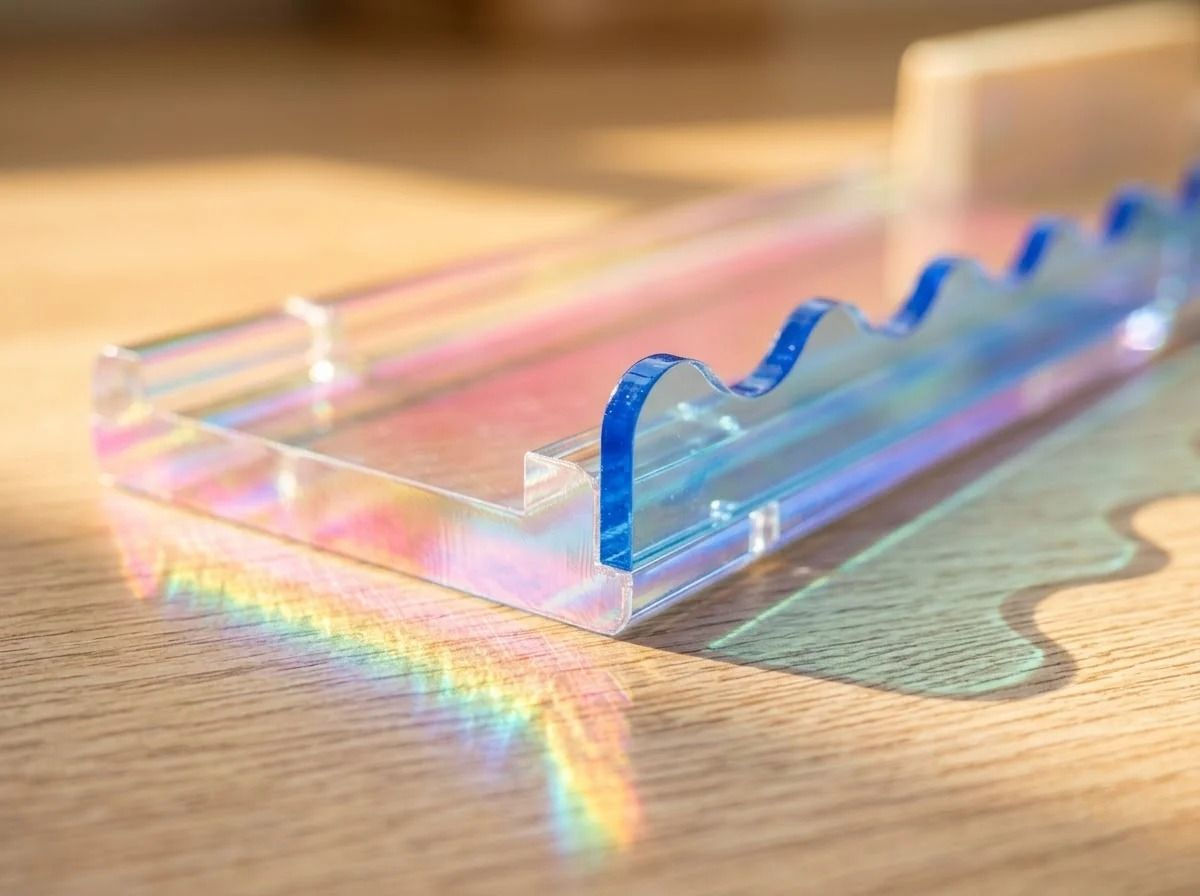
Mahjong racks hold your 13 or 14 tiles upright so only you see them; pushers are small sticks that let you slide tiles in and out without fumbling. American mahjong racks typically sit at a 45–60-degree angle and vary by material (bamboo, plastic, acrylic), length (usually 18–24 inches), and pusher attachment (separate sticks, built-in handles, or clip-on designs). Most competitive and casual players pair racks with matching pushers from the same set, though you can buy them separately. Racks from Mahstead ship as part of complete mahjong sets or as standalone accessories, and many players invest in a second pair for backups or different venues. The choice depends on hand size, tile grip preference, whether you play American or another variant, and your storage space—there's no single "best" rack, only the best fit for how you play.
A good rack becomes invisible to you after the first few hands. You stop thinking about it and focus entirely on your tiles, your strategy, and your opponents' discard pile. We've hosted thousands of Thursday-night games, and we've watched players struggle with undersized racks, fight with pushers that slip, and pack sets badly because the rack didn't fit in their bag. This guide cuts through the noise so you can buy once and play comfortably for years.
What exactly is a mahjong rack and why do you need one?
A mahjong rack is a low-angle stand—typically tilted between 45 and 60 degrees—that holds your 13 or 14 tiles upright and hidden from the other three players at your table. Pushers are smooth sticks (usually bamboo, wood, or plastic) that you use to nudge tiles into and out of the rack without exposing them to your neighbors or dropping them. The rack prevents mis-calls, keeps the game flowing faster, and reduces hand fatigue during a four-hour session. Without a rack, tiles spill; with one, you own the table.
🎁 See our most-loved mahjong sets & accessories →

How do racks and pushers actually improve your play?
Speed and accuracy are everything in American mahjong. A good rack lets you draw, organize, and discard in one fluid motion; a bad one forces you to look down, fumble, or ask for a re-tile. Pushers let you slide tiles in from the right edge and out from the left without using your fingertips—critical when you're nervous, wearing nail polish, or have damp hands from a drink. Racks also enforce the rule that your hand stays hidden until you call a win; opponents can't see your tile arrangement, so they can't read your strategy from the order you've stacked your tiles. Players with arthritis or limited hand strength often find pushers indispensable because they reduce the grip strength and fine motor control needed per tile movement. The best racks keep your hand at a natural angle so your wrist doesn't ache after hours.
Bamboo vs. plastic vs. acrylic: which material lasts?
Bamboo and wood racks feel traditional and warm; they're lightweight, durable, and kind to tile edges if the bamboo is smooth. Plastic racks are often lighter and more durable in humid basements but can feel cheap and may yellow or crack over years of play. Acrylic racks are modern, clean-looking, and extremely durable; they don't absorb moisture, won't crack in temperature swings, and match contemporary tile sets well. All three last 10+ years with normal care. The real difference is grip and weight: bamboo has more friction (tiles stay put), plastic is slippery, and acrylic sits in the middle. If you carry your set to multiple venues each week, weight matters; if you play at home on the same table, durability and comfort matter more. Our best-selling mahjong sets often ship with bamboo or acrylic racks that have been tested in live games, so you're not guessing on material quality.
What's the difference between separate pushers and built-in pusher handles?
Separate pushers are short sticks (4–6 inches) that sit loose in your hand or rest in a groove on the rack's top edge; you pick one up, slide a tile, and set it down. Built-in handles are permanently attached to the top or side of the rack—you grip the handle and the pusher moves with the rack. Built-in handles reduce fumbling (no loose stick to drop) but take up extra space and can dig into your palm if the handle angle is wrong. Clip-on pushers attach magnetically or snap onto the rack's edge; they're a middle ground—tethered so they don't roll away but removable if you prefer to use a separate stick. Most American players prefer separate bamboo pushers because they're lightweight, traditional, and let you set your hand at the most comfortable angle. Test a few styles at a friend's game before committing; hand size and personal habit trump all other factors.
How do you pick the right rack size for your hand?
Rack length matters more than you'd think. Standard American racks are 18, 20, or 22 inches long (measured from the bottom edge to the top). Measure your hand span (thumb to pinky when spread) and compare it to the rack width at the widest point (typically 2–3 inches). If your hand span is under 7 inches, you want a narrower, shorter rack so your thumb and pinky don't jam against the edges when you shift tiles. If your hand is 8+ inches, a longer rack gives you room to breathe and prevents cramping. A 20-inch rack is the most forgiving middle ground and fits 90% of adult hands comfortably. Players with small hands often choose 18-inch or junior-sized racks; tall players with large hands sometimes add a second rack to the first (side-by-side, makeshift) during tournaments, though that's not standard. If you're buying a set, test the rack by simulating a full hand (13 tiles in a row) before you order; if you're buying separately, ask the seller for rack dimensions in inches and compare to your hand.
Hand Span | Recommended Rack Length | Why |
Under 7 inches | 18 inches | Reduces cramping and thumb-pinky collisions |
7–8 inches | 20 inches | The standard; suits most adult hands |
8+ inches | 22 inches or custom | Gives room; prevents hand fatigue |
✨ Find your Mahstead set — free US shipping →

Does your mahjong rack work with different tile sets or game variants?
American mahjong racks work with 160-tile acrylic sets (the standard in the US) and older 152-tile sets. The tile width is consistent, so a rack designed for modern tiles fits older ones too. Chinese, Hong Kong, and Riichi mahjong use smaller tiles, so those games need shorter, narrower racks—don't assume your American rack will work. Riichi racks are often half the length and have dividers to separate your hand into melds visually. If you play multiple variants, ask the seller whether a rack is "American-standard" or "universal" before buying. Mahstead sells racks designed for American 160-tile sets, so they're designed to fit any American game you'll play. If you've drifted into Chinese mahjong or Riichi on the side, you'll want a separate rack for that variant—they're not interchangeable.
What should you check before buying a rack and pushers?
Before you commit, verify five things:
Rack length in inches: Compare it to your hand span; don't guess.
Tile width compatibility: Confirm it's designed for American (160-tile) sets; if you're playing a different variant, say so.
Pusher material and count: How many pushers come with it? Are they attached or loose? Bamboo vs. plastic vs. something else?
Storage: Will the rack fit in your mahjong bag or travel case? Measure the bag's interior width and depth.
Angle and grip: If possible, hold one briefly at a friend's table or look for a photo showing the tilt angle and handle shape.
Once you've bought, break in your pushers for 2–3 games before a tournament; new bamboo can be stiff and may scratch soft tiles if you push too hard. Sand down any burrs or splinters with fine-grit sandpaper, and wipe the pushers with a soft cloth before each session.
How much should you spend, and when do you need a backup rack?
You'll see our complete mahjong collection with racks priced at different points depending on materials and design; see current prices on the product page. Most casual players buy one rack as part of their mahjong set and use it for years. Serious players—those who play twice a week or more, or who travel to tournaments—often buy a backup rack because racks can warp slightly in car trunks, humidity can swell bamboo, and a spare pusher breaks during play. Some hosts buy two identical racks to offer guests a choice of pusher style (separate vs. built-in). If you play in a venue where you leave your set on the table between games, a second rack means you're not rushing to clean and store the first one before the next round. We've seen players swap racks mid-evening to avoid hand fatigue or to match a different set's aesthetic. Budget for one quality rack as your primary tool and a backup set of pushers; if you fall in love with mahjong and play weekly, a second full rack pays for itself in reduced stress and faster game turnover.
🀄 Shop best-selling mahjong sets →
Which racks work best if you're hosting weekly games at home?
Home hosts benefit from buying multiple identical racks so guests have options and don't argue about wear or comfort. A matching set of four racks (one per player) means everyone has the same experience—no one feels short-changed—and makes packing and storage easier. Acrylic racks are ideal for home because they're durable, easy to clean (just wipe), and don't absorb spills or odors from snacks and drinks. Bamboo racks need more care in damp basements or kitchens but bring warmth to a living room set. If you're hosting in a restaurant or bar, plastic or acrylic racks travel better in a bag than bamboo. Most Mahstead customers who host tell us they buy a mahjong set with matching racks and then add one or two spares when they're certain about their game frequency and venue. Hosting doesn't require fancy racks—it requires consistent racks so your players aren't distracted by equipment. A mis-sized or broken pusher during your game creates unnecessary tension and slows down play.
FAQ
Can I use any pusher with any American mahjong rack?
Yes. Pushers are universal—as long as they're smooth, roughly 4–6 inches long, and designed for American tiles. Bamboo pushers from one set fit racks from another set, so don't feel locked in.
My new rack feels slippery. How do I fix that?
Bamboo racks sometimes gloss over in manufacturing. Lightly sand the top edge (where tiles sit) with 120-grit sandpaper in the direction of the grain, wipe with a damp cloth, and dry. This restores grip without damaging the finish.
Do I need a rack if I play at a table with built-in tile holders?
No. Built-in holders are permanent racks. A portable rack is only for flat tables or when you're playing away from home. If your table has holders, you still need pushers.
What's the difference between a mahjong rack and a tile stand used in Chinese mahjong?
American racks are longer (18–22 inches), tilted at 45–60 degrees, and designed for 160-tile sets. Chinese tile stands are shorter, often have dividers to separate melds visually, and accommodate smaller tiles. They're not compatible.
How do I pack a rack and pushers in a mahjong bag so they don't break?
Store the rack horizontally at the bottom of your bag, pushers in a small cloth pouch or wrapped in microfiber cloth, away from sharp edges on the tile box. If your bag has an interior pocket, use it for pushers. Avoid stacking weight on top of the rack to prevent warping.
Can I buy a rack without buying a whole set?
Yes. Mahstead's mahjong racks collection includes standalone racks and pushers so you can upgrade or replace without repurchasing tiles. Measure your old rack before you order so the new one matches your hand size.


View More
View More
View More
