
Mahjong Teachers in North Carolina: Where to Learn & Get Started
Last updated: Nov 23, 2026
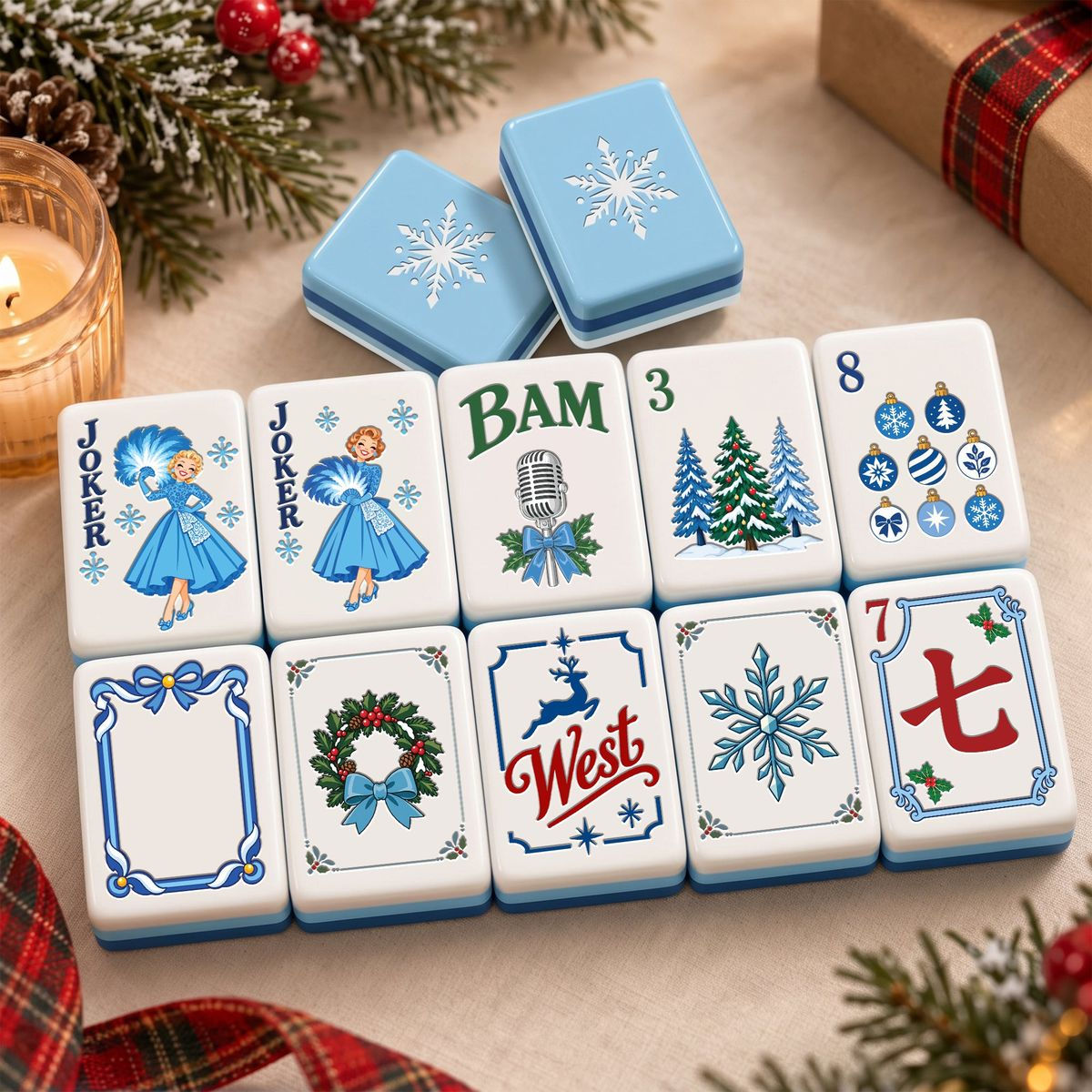
Mahjong teachers in North Carolina operate through community centers, libraries, synagogues, country clubs, and private instructors advertised on Meetup, Facebook groups, and local event boards—search "(your city) mahjong" or "American mahjong lessons." Most teach American mahjong (152-tile game with 8 jokers, no sequences, hands from the yearly National Mah Jongg League card). Before a lesson, learn the basics: tile anatomy (three suits: Bams, Craks, Dots in 1–9; Winds, Dragons, Flowers), how the Charleston (pre-game tile pass) works, and that jokers substitute for missing tiles but never appear alone or in pairs. Group classes typically run 4–8 weeks; private tutoring costs vary. Start with mahjong for beginners guides, grab a best-selling American mahjong set to practice at home, and you'll walk into your first lesson confident.
How do you find a mahjong teacher near you in North Carolina?
The most reliable sources are community centers (search "(city name) parks & recreation mahjong"), public libraries (many host game nights or bulletin boards), and synagogues in larger towns, which often run weekly games open to all. Meetup.com, Facebook groups (search "Raleigh mahjong" or "Charlotte mahjong"), and Nextdoor have active players advertising lessons and open tables. Country clubs sometimes host mahjong circles; call directly to ask. University continuing education departments occasionally list instructors. Start with a 15-minute call or message—ask about skill level, group size, American vs. Chinese variants (almost all NC teachers use American rules), and cost. A genuine teacher will ask what you know and want to learn, not rush you into payment.

What should you know about American mahjong before your first lesson?
American mahjong uses 152 tiles: three suits (1–9 Bams, Craks, Dots, four of each number), 16 Winds, 12 Dragons, 8 Flowers, and 8 Jokers. Unlike Chinese or Hong Kong variants, American has no chows (sequences like 1-2-3)—only exposed pungs (3 identical), kongs (4), quints (5), and sextets (6). Jokers are wildcards but never appear alone or paired. Every hand comes from the National Mah Jongg League card, released each spring. Before play, the Charleston passes tiles in a ritual passing pattern. Scoring is point-based, not based on luck or random pot-splitting. Memorize these terms before day one: "pung" (three of a kind), "kong" (four), "pair," "exposure," "Charleston," and "discard." Your teacher will drill these; knowing them saves class time for strategy.
🀄 Shop best-selling mahjong sets →
How do you practice American mahjong before or after lessons?
Buy a complete 160-tile American mahjong set with a card holder and mat to simulate table play. Practice the Charleston (tile-passing sequence before each hand) with a friend or family member—it's mechanical but must become automatic. Read the current year's National Mah Jongg League card; don't memorize hands, but learn how to scan it fast by suit and number pattern. Watch free YouTube clips on the Charleston and joker rules. Join online forums or Facebook groups to ask rules questions—experienced players answer quickly. After your first few lessons, host a practice game at home using your set; invite classmates if possible. The gap between "learning" and "playing" closes fastest with repetition at home. A mahjong mat keeps tiles organized and muffles noise—worth it for serious practice.
What's the difference between American and other mahjong variants your teacher might mention?
Variant | Hand source | Sequences allowed? | Jokers | Learning curve |
American | Annual card (NMJL) | No—only exposed sets | Yes, as wildcards | Moderate; card-dependent |
Chinese | Centuries of hand patterns | Yes—chows are core | No | Steep; memorization heavy |
Hong Kong | Traditional patterns | Yes—complex combos | Limited | Very steep; strategy-dense |
Riichi | Japanese tradition | Yes; melds drawn/exposed | No | High; luck + skill balanced |
Taiwanese | Flexible patterns | Yes; multiple rulesets | Yes | Moderate-to-steep |
Most NC teachers use American rules because it's beginner-friendly (the card removes guesswork) and attracts suburban players nationwide. If your teacher mentions "no chows" or "annual card," you're in an American game—that's the easiest entry point. Chinese and Hong Kong games require learning hundreds of hand patterns; pick American first, then explore others after mastery. Ask your teacher upfront which variant they teach.

What equipment do you need, and what can you skip?
Essential:
One complete 160-tile American mahjong set with Bams, Craks, Dots, Winds, Dragons, Flowers, and Jokers.
Current-year National Mah Jongg League card (your teacher or a store provides this).
Pen and paper to track score.
Highly useful:
A mahjong mat keeps tiles quiet and organized; most players add one after their first month.
Racks with pushers organize your hand and speed play (clubs often lend these).
A travel bag or case if you attend lessons off-site or host games regularly.
Skip for now:
Luxury resin tiles or rare sets—your teacher will provide loaner tiles at lessons.
Multiple sets unless you plan to host 4-player groups weekly.
Electronic scorers (most NC groups score by hand).
A basic set and mat cover your first year; add racks and a case if you join a weekly game.
🎁 See our most-loved mahjong sets & accessories →
What's a realistic timeline from first lesson to confident play?
Most beginner courses run 4–8 weeks at 1–2 sessions per week. In that time, you'll learn tile names, the Charleston, exposure rules, and basic scoring. By week 4, you'll play a full hand without coaching. Real confidence—reading the card fast, spotting opportunities, managing your discard pile—takes 2–3 months of weekly play after lessons end. Don't expect to win money games immediately; join open practice tables at your community center or library for 3–4 weeks first. Some players reach casual-player level (hold your own, enjoy the social game) within 6 months; serious competitive play takes 12–18 months of weekly practice. Your teacher will tell you honestly when you're ready to join a money game. Stick with it—once you're fluent, mahjong becomes a lifelong hobby with a built-in social circle.
What to check before you buy a mahjong set
Tile quality: Smooth faces, legible numbers/symbols, no chips or rough edges. Most best-selling acrylic sets arrive flawless; inspect before your first game.
Complete count: Confirm 152 playing tiles + 8 Jokers (160 total). Missing even one tile breaks hands.
Suit spelling: Verify the box says "Bam," "Crak," "Dot"—not alternatives like "Bamboo" or "Character" (those are Chinese, not American).
Bonus tiles: Any tiles beyond 152 are spares; they're never added to play.
Storage: Does the set come in a divided wooden or acrylic rack? If not, buy a case to keep tiles sorted during storage and travel.

FAQ
Can I learn American mahjong online instead of finding a local teacher?
Online tutorials teach rules, but the game demands in-person practice—shuffling, the Charleston, reading opponents' discards, and the rhythm of play are hard to learn alone. Video plus one or two in-person sessions is ideal; pure online learning leaves gaps.
Do I need to speak Chinese to play American mahjong?
No. American mahjong uses English suit names (Bam, Crak, Dot) and Wind/Dragon terms, but you hear mostly English at NC tables. Some players use Cantonese or Mandarin slang, but it's optional—English works fine.
Is American mahjong the same game my grandmother played?
Maybe. If she played from a card and no chows appeared, yes—that's American (born in 1920s Shanghai, codified in the US by the 1960s). If she played without a card or with sequences, it was Chinese or Hong Kong mahjong, which is different. Ask about her rule book.
How much does a beginner lesson cost in North Carolina?
Community centers and libraries often teach for free or $5–10 per session. Private tutors typically charge $30–60 per hour. Money-game groups (after you're competent) are nonprofit—you pay a small table fee ($2–5) and keep winnings.
What if I can't find a mahjong teacher nearby?
Check the nearest larger city (Raleigh, Charlotte, Greensboro) for clubs that meet weekly; some offer Zoom or hybrid lessons for out-of-town players. Start learning rules from mahjong for beginners and how to play American mahjong now; you'll be ready when an in-person opportunity opens. --- ✨ Find your Mahstead set — free US shipping →


View More
View More
View More
