
Mahjong Racks With Pushers for Game Groups: Buy or Borrow?
Last updated: Nov 23, 2026
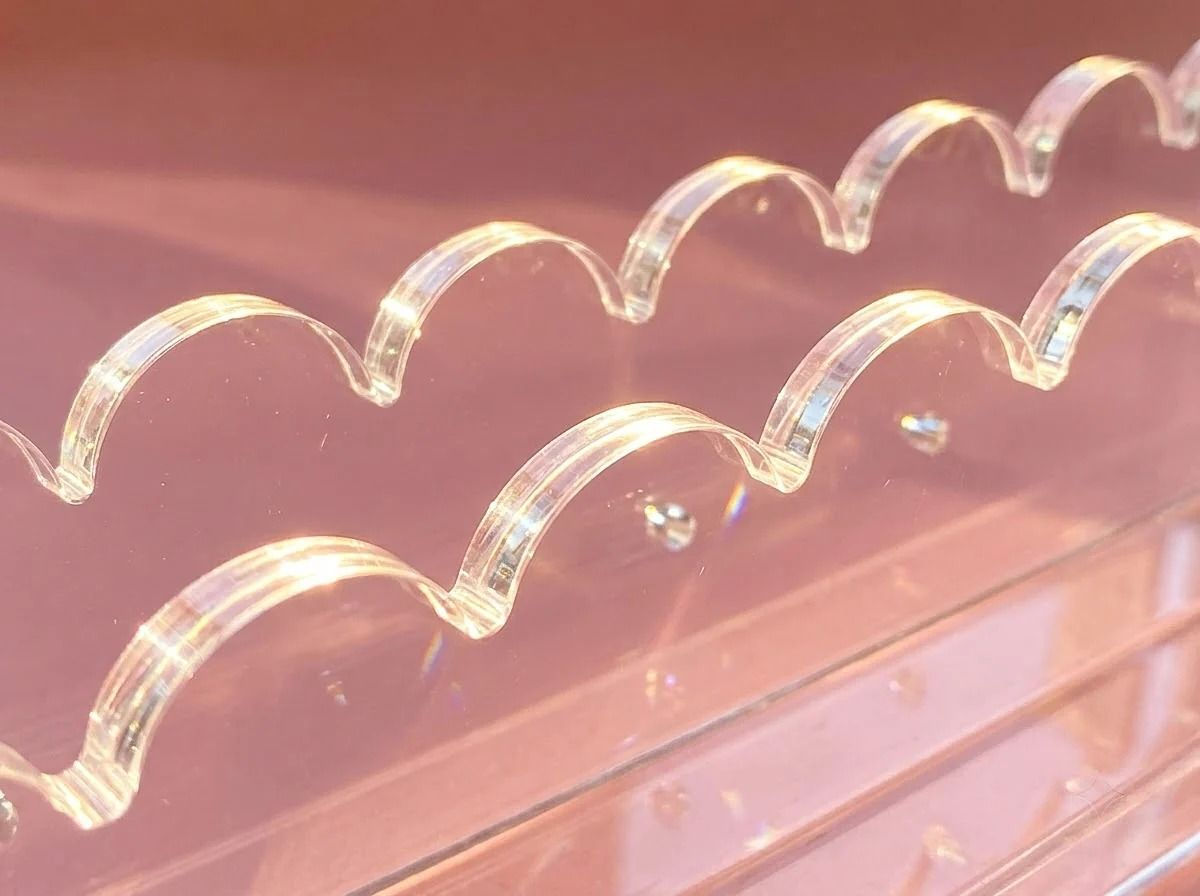
A mahjong rack holds your 13 tiles upright so opponents can't see your hand; a pusher is a stick or tool you use to slide tiles into place without dropping them. American mahjong groups use one rack per player, plus a central area for the wall and picked tiles. Racks range from simple bamboo designs to acrylic with joker slots, pushers from flat sticks to grooved tools. You'll need one complete set per player (four total), plus spares if anyone's learning. Most groups either buy a matched set of mahjong racks with pushers as part of their setup or inherit hand-me-downs—both work fine. Cost depends on material and finish; see current price on the product page. The most common mistake: buying racks that are too tall (you'll fatigue your hands mid-game) or pushers with edges that snag tiles. 🀄 Shop best-selling mahjong sets →
Why do racks and pushers matter more than you think?
Racks and pushers aren't just convenience—they're injury prevention and table speed. Without a pusher, you're pinching and flicking tiles for two hours; with one, tiles move smoothly and stay in line. A good rack keeps your hand hidden and organized, so you're not fumbling when it's your turn to discard. Worn or poorly designed pushers cause dropped tiles, mishealed discards, and argument delays. We've watched games where one player brought their own pusher and played 40% faster, cleaner hand management, no regrets.

Which rack style fits your group's actual habits?
For weekly regulars: acrylic racks with built-in joker slots and matching pushers. They're durable, easy to clean, stack for storage, and last years. They telegraph your intention less (quiet, no rattle), and the pusher grooves mean zero dropped tiles on wood tables.
For casual or rotational groups: bamboo or wood racks with simple stick pushers. Lighter, traditional, cheaper, and forgiving if someone's learning. They sound nice, feel authentic, and break in after a season.
For 2–3 player games: smaller or adjustable racks, or a single shared rack you rotate. American mahjong is built for four, so logistics shift; see 2 and 3 player mahjong rules for full setup changes.
For kids or new players: colorful acrylic racks with wider tile slots and bigger pushers. Easier to grip, less likely to knock over tiles when reaching, and high-contrast colors help tile recognition.
Rack Type | Best For | Durability | Storage | When to Skip |
Acrylic with joker slots | Weekly groups, long games | 5+ years | Compact, stackable | Budget-only groups |
Bamboo traditional | Casual, seasonal | 3–4 years | Bulky, takes space | High-traffic game nights |
Simple wood stick + pusher | Beginners, rentals | 2–3 years | Lightweight | Serious players (wear fast) |
Adjustable/mini racks | 2–3 player formats | Varies | Minimal | Standard 4-player tables |
🎁 See our most-loved mahjong sets & accessories →
What should the pusher actually do?
A pusher's job: slide tiles from your hand into the rack without tipping them, without your fingers entering the opponent's line of sight, without making noise that signals a strong or weak hand. The best pushers have a slightly angled or grooved tip that catches the tile's edge, not its face. Flat sticks work; grooved ones work better. Pushers that are too thick get stuck between tiles; too thin ones slip and bend. Length matters too—too short and you're reaching into your rack (defeating the purpose), too long and it knocks over other tiles. Most players find 4–6 inches ideal. The pusher should feel light in your hand (you're using it dozens of times per hand), balanced, and ready to drop without ceremony—it's not a centerpiece.
We've tested pushers that came with best-selling mahjong sets: the best ones are slightly tapered, around 5 inches, with a gentle lip on the end. Pushers that are rigid acrylic or polished bamboo slide smoothest; flexible or rough ones catch and slow you down.
When should your group buy new versus secondhand?
Buy new if:
None of your group owns racks yet (start fresh, all matched)
Your inherited racks are cracked, warped, or missing pushers
You're hosting regularly and want consistency across all four positions
Someone has hand pain or arthritis (new racks can be ergonomically better)
Your game is played on a premium mat or table (racks should match the aesthetic)
Borrow or buy used if:
You play once a month or less (no wear, no urgency)
Someone in the group has extras gathering dust
You're learning and not sure you'll keep playing
You're teaching newcomers and don't want to invest yet
Many experienced groups have four matching sets but also one or two backup racks for guests. Used racks from an estate sale or friend's closet are usually fine—tiles cause damage over decades, not racks. The one exception: if a pusher is cracked or a rack has a sharp edge, retire it. One caught finger during a fast hand ends goodwill fast.
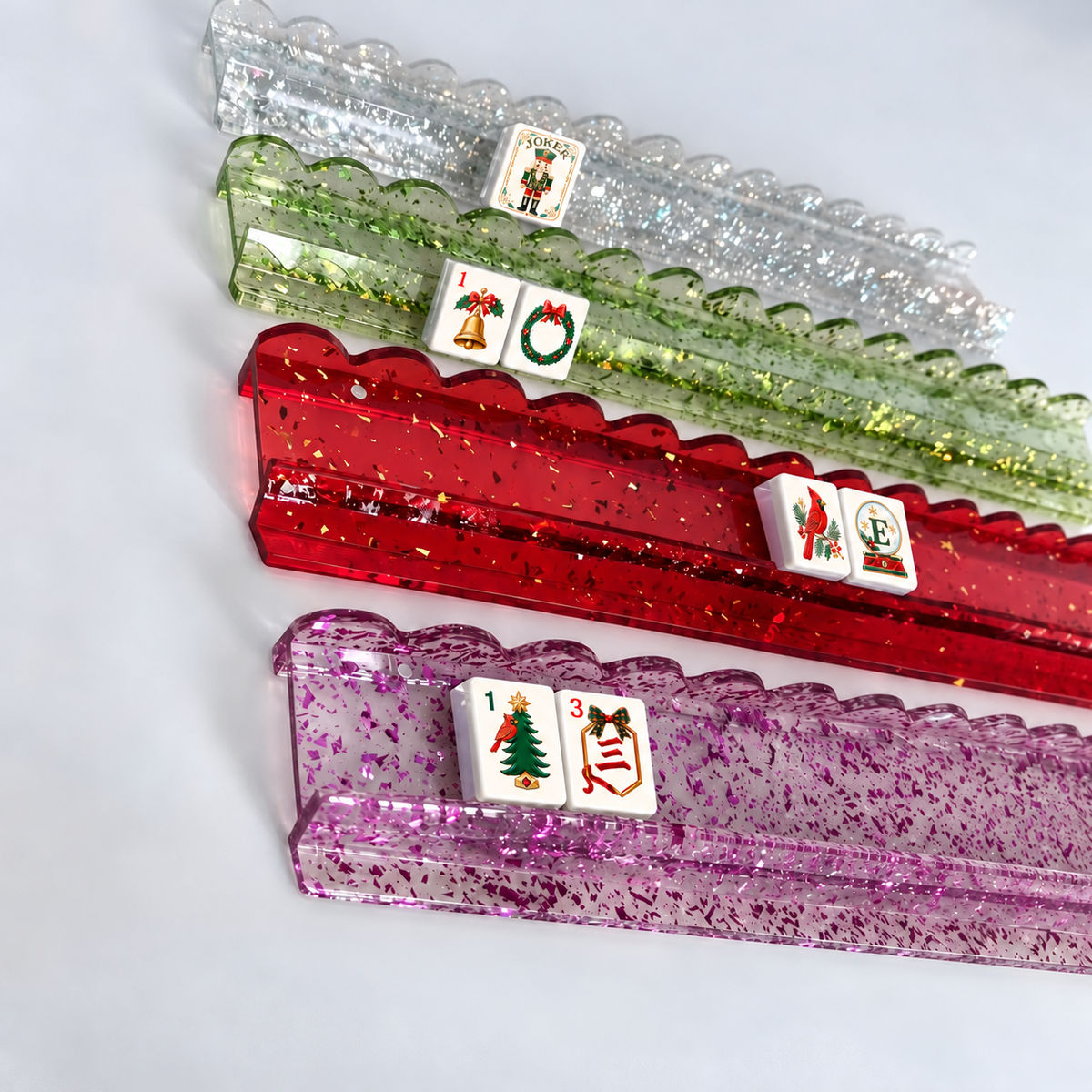
How do size, material, and finishing actually affect gameplay?
Size: Racks that are too tall (over 3 inches high) force your wrists into an awkward angle for 90 minutes—you'll feel it the next day. Standard height is 2–2.5 inches. Depth (front to back) should be at least 5 inches so 13 tiles fit without overflow or crowding.
Material: Acrylic is durable, lightweight, and modern; it won't warp in humid conditions like bamboo can. Bamboo is traditional and quieter but needs care if your game room has temperature swings. Plastic is cheap but gets brittle and cloudy over time. Wood is beautiful but can splinter if dropped.
Finishing: A matte finish on racks reduces glare and hides fingerprints better than glossy. Joker slots (dedicated cutouts for jokers in the rack line) save time and reduce accidental misplays. Pusher grooves catch tiles reliably; flat pushers require more precision and skill.
✨ Find your Mahstead set — free US shipping →
What to check before you buy—a short honest checklist.
Height: If possible, test one at a friend's table or ask the seller to measure. Measure from the table surface to the top lip of the rack.
Depth: Make sure 13 tiles fit with 2–3 millimeters breathing room between the back wall and the top tile. Cramped racks tip over.
Pusher grip: Hold it before you order. Does it feel balanced? Can you pinch it between two fingers without strain?
Joker slot design: If the rack has dedicated joker slots, check that they're the same height as regular tile slots—mismatched slots are a tell.
Damage: Inspect for cracks, sharp edges, or clouding if buying used. A tiny chip is cosmetic; a split or missing pusher is a deal-breaker.
Set consistency: If buying for your group, buy four at once. Mixing styles during play is distracting and unfair to whoever gets the worn or heavy rack.
Storage plan: Racks need a home between games. Do you have a box, bag, or shelf? Loose racks get lost or stepped on.
How to integrate new racks into your established game.
If your group's been playing with hand-me-down bamboo racks and you're introducing acrylic upgrades, do a gradual swap. Rotate one new rack through each position over three weeks—people adapt fast. The player who gets the new rack first will feel the speed difference; skeptics will want to try it. By the fourth week, everyone will be lobbying to keep the new ones. (This is a feature, not a bug: peer pressure makes for happy hardware upgrades.)
For a brand-new group, buy a mahjong racks with pushers set and a best-selling mahjong set as a bundle—racks and tiles should match in visual style and quality. Your first game will feel intentional and organized instead of chaotic.
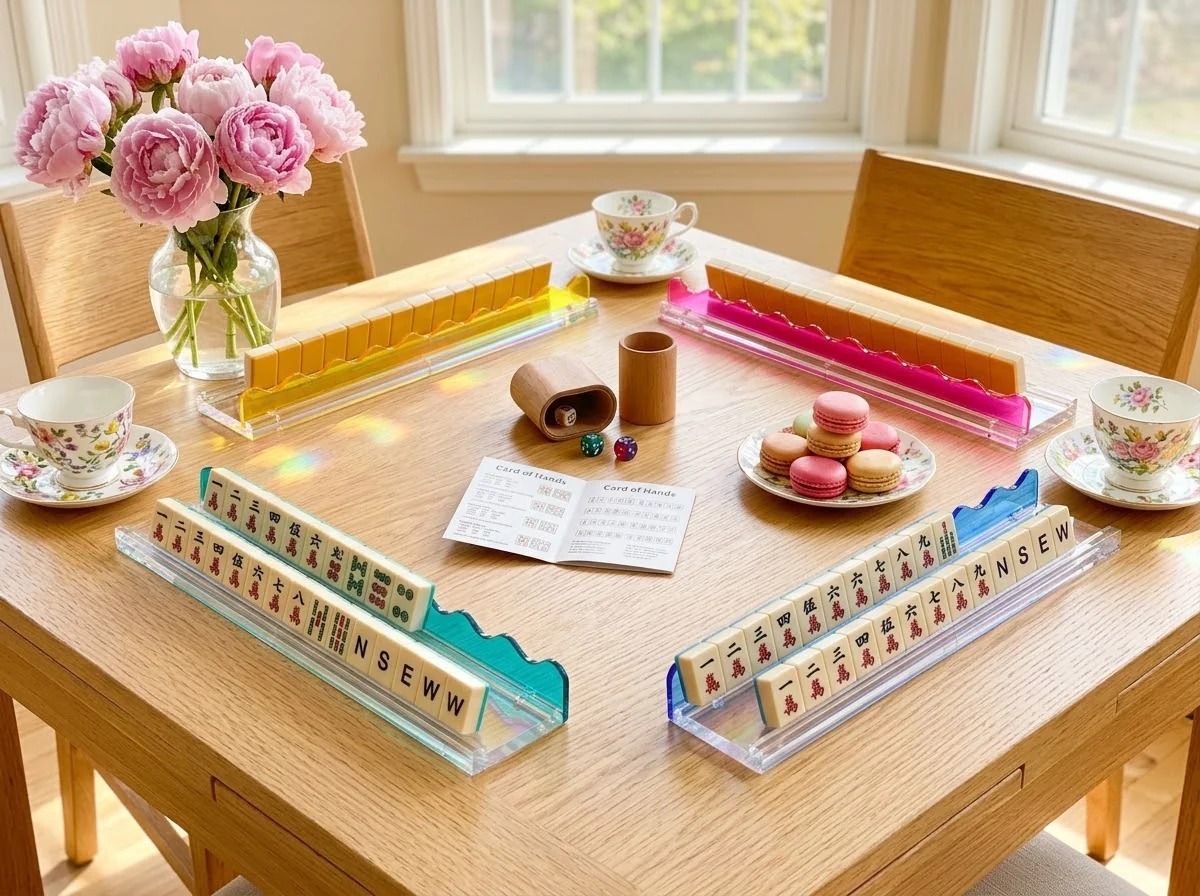
FAQ
Do I *need* racks and pushers, or can I play without them?
Technically, no—you can hold tiles in your hand. But after two hours, your hands, wrists, and back hurt. Opponents can see part of your hand. Tiles get dropped and shuffled. Racks and pushers aren't luxury; they're table hygiene. Invest in them early.
Can I use kitchen utensils (chopsticks, spatulas) as pushers?
You can, but don't. A spatula's too wide, a chopstick's too thin and flexy. A proper pusher is designed to catch a tile's edge without deflecting it. Improvised tools slow play and frustrate opponents.
What's the difference between acrylic and bamboo racks in actual gameplay?
Acrylic racks are lighter, easier to clean, more durable, and stack for storage. Bamboo is heavier, needs care in humidity, but feels more traditional and sounds quieter. Game speed and hand comfort are identical; it's aesthetic and maintenance preference.
Should I buy pushers separately or as part of a rack set?
Buy them together if you can—matched sets are designed to work as a pair. Pushers that come with racks fit the tile size and rack spacing exactly. If you buy separately, test the pusher with the rack first.
How many backup racks should a hosting group own?
One complete set of four racks plus two spares (eight total) covers four players plus two guests. A spare pair is insurance against cracks and loss. More than that is unnecessary unless you're teaching a class.
Will acrylic racks crack if dropped on a hard floor?
Yes, acrylic can crack from a hard fall. Bamboo is more resilient. Store racks in a padded bag or soft case if transport is frequent—see mahjong bags and cases guide for options.


View More
View More
View More
