
Designer Mahjong Mat: Which Style Fits Your Game?
Last updated: Nov 23, 2026
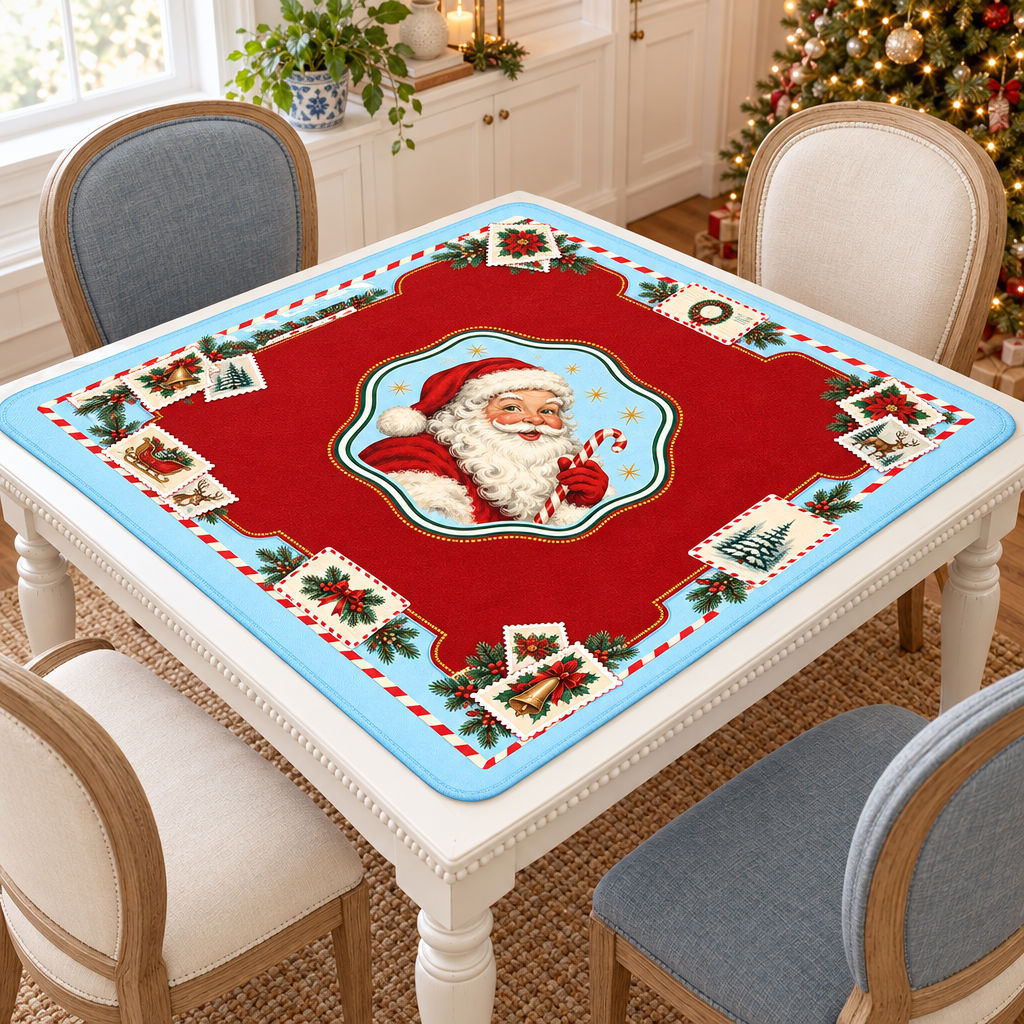
A designer mahjong mat is a printed or engraved acrylic play surface that marks each player's zone and keeps tiles organized during play. We offer mats in several design categories: minimalist engraved tiles and text; playful patterns like seasonal themes, zodiac signs, or witty player nicknames; and fully custom layouts. Most run 27–34 inches wide and fold or roll for storage. Mats pair with your best-selling mahjong sets to create a cohesive table. Cost varies by complexity and size; simpler designs cost less than bespoke engravings. Before ordering, confirm your table depth to avoid overhang, choose a finish (matte grips better than gloss), and verify the engraving will read clearly from all angles—mistakes here can't be undone.
A designer mahjong mat elevates your game from casual to intentional. After hosting hundreds of Thursday nights, we've learned that the right mat does three things at once: it defines each player's zone, anchors the ritual, and tells your game's story. Whether you're ordering for yourself or as a gift, here's how to choose one that works.
What design style matches your game type?
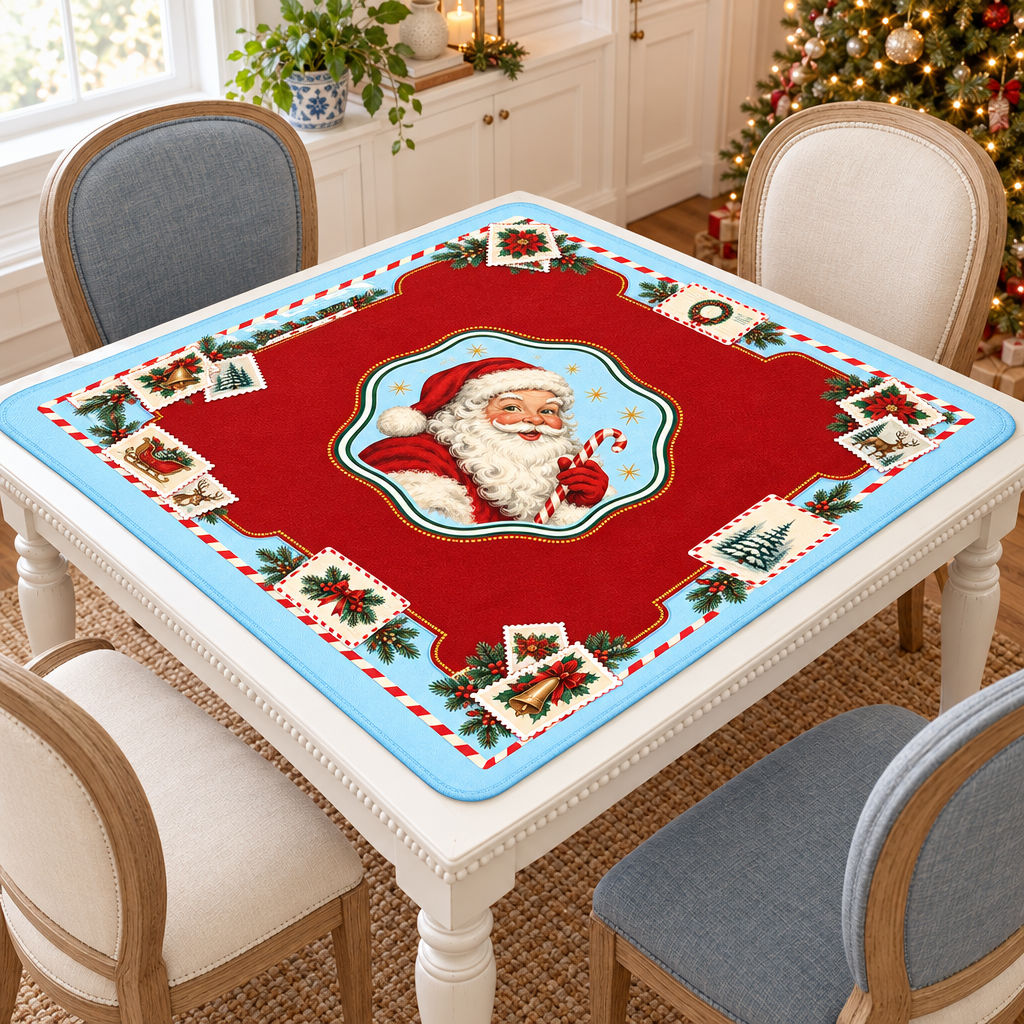
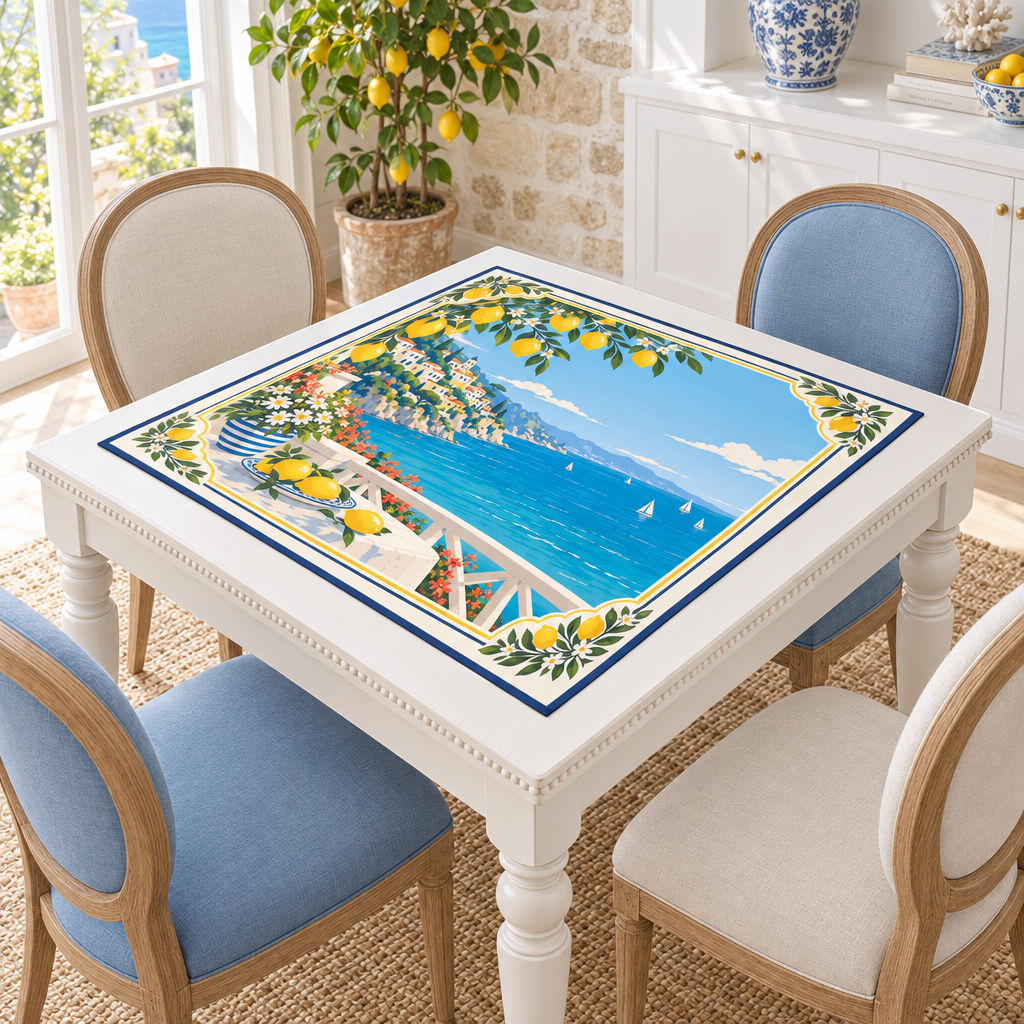
Your mat's personality should reflect how you play. Some of us keep things minimal—clean tile icons, player wind positions in a simple grid. Others want a mat that makes people smile when they sit down: a mat with zodiac animals, lucky numbers, or each player's nickname engraved in a custom font. A third group prefers patterned mats with traditional motifs (clouds, flowers, brocade) that evoke classic mahjong rooms. The "style" you choose isn't decoration—it's the everyday backdrop that makes your game feel like your game.
🀄 Shop best-selling mahjong sets →
How big should your mat be?
Mat size depends on your table and how many hand tiles each player keeps visible. Most mats range from 27 to 34 inches wide. If your table seats four players in a square, a 32-inch mat typically gives each player a 7- to 8-inch personal zone plus a center space for the live wall and discard pile. Measure your table depth from edge to the center point; if you have a 36-inch-deep table, a 32-inch mat fits with a few inches of table showing on the far side, which most of us prefer (it lets you set down drinks or the card). If your table is oddly shaped or very wide, confirm dimensions with Mahstead before ordering—an oversized mat is awkward to store, and undersizing wastes the mat's protection.
Should you choose engraving, print, or pattern?
Design Type | Best For | Durability | Readability at a Glance | Resale/Gift Appeal |
Engraved tile icons + player names | Serious regulars; long-term home set | Lasts years; text can fade with UV | Immediate; players find their spot fast | High; feels keepsake-quality |
Printed pattern (florals, zodiac, colors) | Mixed-skill groups; color-lovers | 2–3 years heavy use; colors fade | Moderate; less functional | Medium; trendy but less timeless |
Minimalist (bare winds or numbers) | Beginners or rental sets | Longest; no heavy ink | Excellent; no clutter | Low; utility-focused |
Fully custom layout (your rules, logos) | Clubs or long-standing groups | Depends on ink depth; test sample | Excellent if kept uncluttered | Very high; one-of-a-kind |
Engraved mats hold up best because the design is cut into the acrylic rather than printed on top. We've seen engraved mats survive five years of weekly play with only minor wear. Printed designs fade faster under direct sunlight or if you store the mat rolled (the ink cracks). For a mat you'll use year-round indoors, print or pattern is fine. For garage games or outdoor setups, go engraved.
What finish—matte or glossy—actually matters?
Matte-finish acrylic grips tiles better and reduces glare; tiles slide smoothly but don't skitter when you're trying to organize your hand. Glossy finishes are easier to wipe clean (food spills don't absorb into texture) but tiles can slide too freely, especially on humid nights. Most of us choose matte for serious play and glossy for casual or high-traffic games. Test this yourself: if you're ordering a mat as a replacement for an old tablecloth, a matte finish usually feels more intentional. If you're updating a mat you already love, match the original finish—switching can throw off your muscle memory.
✨ Find your Mahstead set — free US shipping →
Custom engraving: what text actually works?
Text on a mat must be large enough to read from across the table and simple enough to survive repeated storage and cleaning. We recommend avoiding script fonts (too delicate to hold detail when engraved at small sizes) and ultra-fine line weights. Stick to sans-serif typefaces and at least 0.5-inch text height for player names. Common engravings we see work well: your initials or short house name (e.g., "The Bam House"), the year you bought the mat, each player's wind position, or a one-line saying (e.g., "East Wind, West Wind, All Wind Winds"). Avoid cramming more than one line per player zone—it shrinks readability and clutters the visual field. If you're engraving player nicknames, keep them under eight letters; longer names often require smaller font, which frustrates people who can't find their seat in dim light.
How do you care for a designer mat so it lasts?
After each game, wipe the mat with a barely damp microfiber cloth and let it air-dry flat. Don't use harsh chemicals or abrasive scrubbers—they dull the engraving or wear the print. Store it flat or loosely rolled (not creased) in a climate-controlled space; acrylic can warp if exposed to extreme heat. If you travel with your mat, mahjong bags and cases designed for mats offer padded protection that prevents creasing and keeps it dust-free. Most mats bundled with a designer set include a simple storage bag; upgrade to a dedicated case if you're moving your mat between venues weekly.
What to check before you buy
Before placing an order, complete this checklist:
Table dimensions: Measure the width and depth where your four players sit. Note if your table has rounded edges or a lip that might affect fit.
Player zone layout: Confirm which wind (North, East, South, West) sits where—many of us use traditional seating, but some groups don't. Ask your regular players before engraving.
Lighting at your table: If you play under bright overhead lights, ask for a matte finish sample photo to confirm glare won't be an issue.
Text size and font: Request a digital mockup if custom text is involved. Never approve engraving without seeing the exact layout first.
Finish preference: If upgrading from an old mat, handle it to note whether the old surface is matte or glossy, then match it.
Cleaning & storage plan: Do you have a flat space to store it? Will it live in a bag? If outdoor or humid, prioritize engraved designs.
Budget: Note that custom engravings take longer to produce than stock designs, and simpler stock options cost less—plan ahead during peak season (spring and fall).
🎁 See our most-loved mahjong sets & accessories →
Where to order and what to expect
We design and engrave all mahjong mats at Mahstead in Dallas. Every mat ships free across the US. Standard stock designs (common tiles or zodiac patterns) typically ship within two weeks; custom engravings may take a bit longer depending on complexity and season. Once your mat arrives, unroll it and let it rest flat for 24 hours before first use—acrylic can hold memory from being rolled. If the engraving is not readable at arm's length or if the mat is visibly warped, contact Mahstead immediately with photos. Most issues resolve quickly. Browse our full mat collection to see current designs, and add a mat to your next order alongside your tiles and racks for a complete setup.
FAQ
Can I use a designer mat with any tile set?
Yes. Our mats work with any American mahjong set—Mahstead tiles or others. The mat just defines the playing surface; the tiles are independent.
Do engraved mats cost more than printed ones?
Generally, yes. Engraving requires deeper tooling. See current prices on the product page to compare specific designs.
How long does a mat take to engrave and ship?
Stock designs ship within two weeks; custom engravings may take longer depending on order volume and complexity. Plan ahead during spring and fall.
What if my mat arrives warped or with unclear engraving?
Contact Mahstead with photos immediately. Most issues—especially warping from shipping or engraving depth—are resolved quickly.
Can I get a mat for a round table instead of square?
Round mats are less common because American mahjong is played four-handed in a square. Contact Mahstead to discuss custom round options or non-standard shapes.
Is a mat necessary, or can I use a tablecloth?
A mat is optional but valuable. A mat keeps tiles organized by zone, defines each player's space clearly, and lasts longer than fabric. Many casual players use tablecloths; serious players prefer mats.


View More
View More
View More
