
Mahjong Racks with Pushers: A Buyer's Guide to Tile Organization
Last updated: Nov 23, 2026
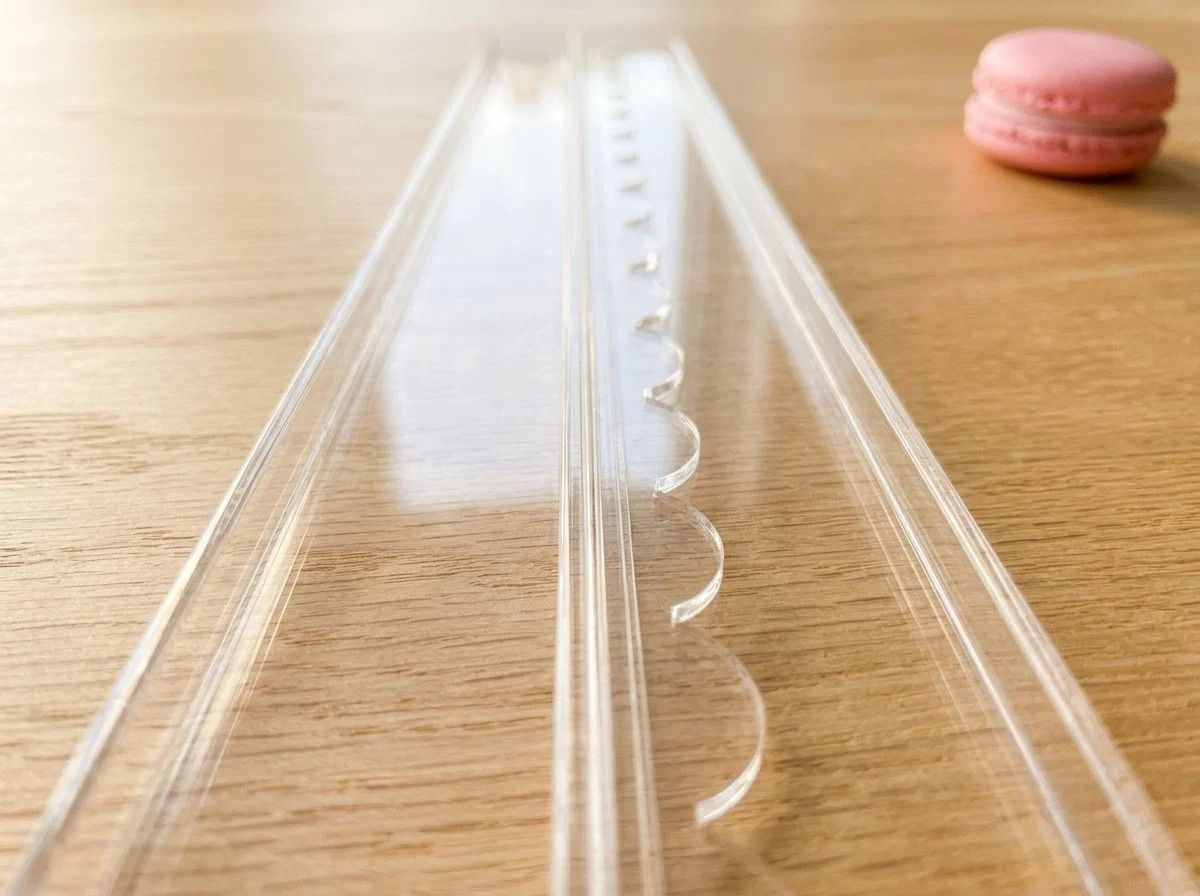
A mahjong rack with pushers is a tilted stand that holds your 13 or 14 tiles during the hand, with a small bar that slides forward to "push" tiles into a discard slot. American players typically use four racks—one per player—to keep tiles hidden and hands sorted. Racks range from simple bamboo or acrylic models to engraved or novelty designs; most are 10–12 inches wide and fit standard American 160-tile sets sold by Mahstead and others. Pushers work by friction: you load tiles into the rack, tilt them toward you, and slide the pusher bar forward to eject a tile into the center discard area. Prices vary by material and customization; acrylic and wood racks are the most common. Avoid racks too shallow for your tile height (they won't hold tiles securely) and mismatched sets where some racks are different widths—buy all four at once and measure against your tiles before ordering.
Racks are not optional: they're the backbone of organized, fair American mahjong play. Without them, tiles cascade, hands mix with the wall, and discards pile into a confusing mess. But not all racks are equal. We've tested dozens of styles—wood, acrylic, bamboo, novelty designs—and learned what separates a rack that lasts five years from one that cracks after two seasons.
Why do racks matter more than most players think?
Racks do three jobs at once: they hide your tiles from other players, they keep tiles sorted in your own hand, and they create a safe zone for your discard. Without a rack, you're holding 13 tiles by hand, which exhausts your fingers after two hours. With a rack, your hand rests. The pusher bar is the smart part: it lets you eject a single tile into the center discard area without reaching across the table or fumbling. If your racks are mismatched (some tall, some short), one player will have a visibility advantage—a genuine fairness issue. We always buy four racks as a complete set, never mix styles mid-session.
What's the difference between acrylic, bamboo, and wood racks?
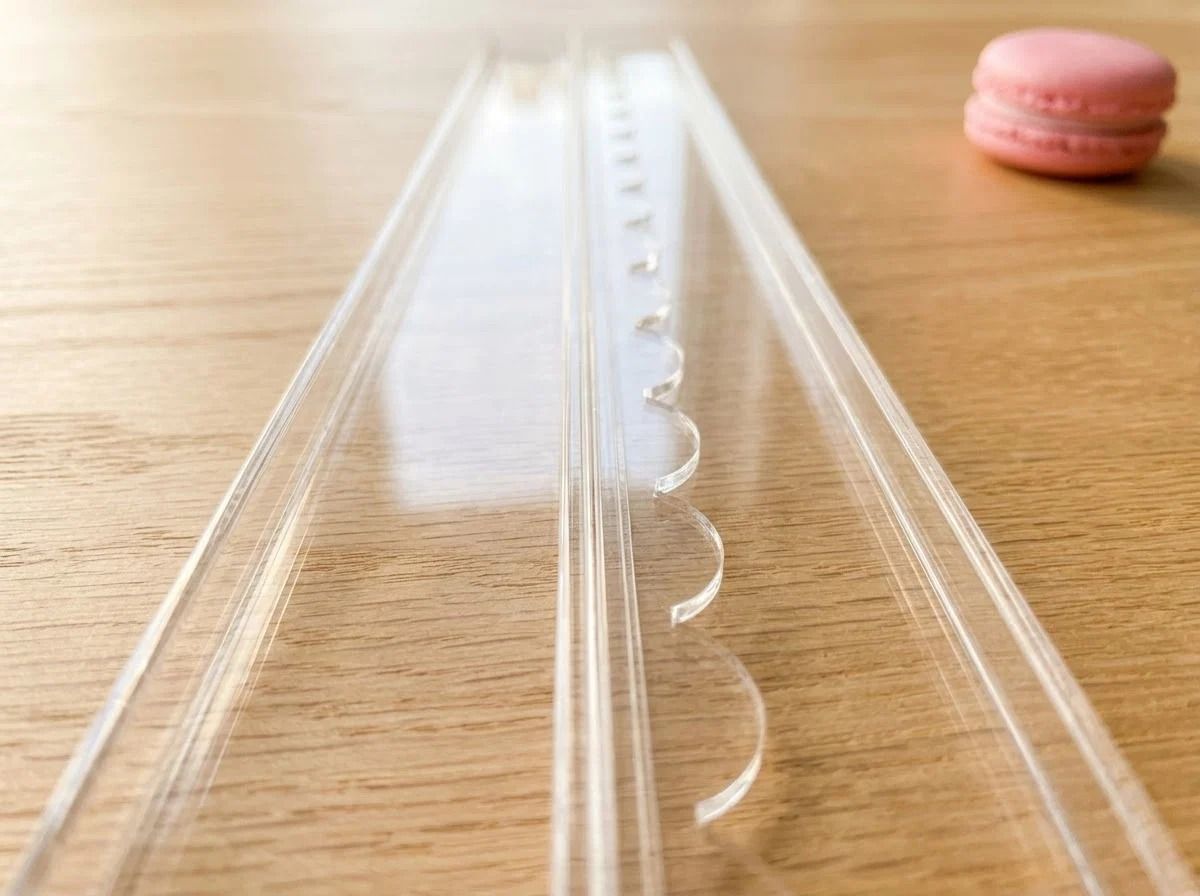
Acrylic racks are modern, lightweight, and durable. They don't absorb moisture and won't warp if your play area is humid or near a kitchen. Acrylic can be engraved with titles, jokes, or player names, making them popular for annual game groups or gifts. They're transparent, so other players can't see if your tiles are organized by suit (though they can't see the tiles themselves—the rack faces them). Acrylic scratches with heavy use, but scratches don't affect function.
Bamboo and wood racks feel traditional and are slightly warmer to the touch. Bamboo is more resilient than soft woods; it resists denting and maintains its finish longer. Wood racks are beautiful and inexpensive, but they absorb moisture and can warp if you store them in a basement or garage. If you live in a humid climate, acrylic is safer.
Novelty racks—designed to look like mahjong tiles, fortune cookies, dragons, or themed objects—add personality but sacrifice some functionality. If the base is too narrow or the pusher bar sticks, you'll regret the decoration.
The honest rule: if you host a weekly game and want racks that last, invest in acrylic or quality bamboo. If you play casually once a month, any rack works. If you want customization or a memorable gift, explore engraved mahjong designs that match your set.
How do you measure a rack to ensure it fits your tiles?
This step stops 90% of fit problems. American mahjong tiles are roughly 1 inch wide and 1.5 inches tall. Your rack's internal width should accommodate at least 14 tiles standing upright (you'll hold 13 or 14 depending on your turn and the hand). Most racks are 10–12 inches wide, but width alone isn't enough—measure the internal depth (front to back) too. Tiles need to tilt toward you without jamming against the back edge. A depth of 4–5 inches is standard; anything less than 3 inches will crowd your tiles.
The pusher bar should slide smoothly forward and backward without binding. Test this by moving it slowly with your fingers; if it catches or requires force, the bar or groove may have a manufacturing flaw. A stiff pusher is annoying after 10 rounds.
Before ordering a complete set of four racks, ask yourself: Do I own a mahjong set yet? If not, measure against tiles from a friend's set or check the product page for tile dimensions. If your racks arrive and one is noticeably different from the other three in width or depth, contact the seller before your next game—playing with mismatched racks is frustrating and unfair.
🀄 Shop best-selling mahjong sets →
What does the pusher bar actually do, and can you play without it?
The pusher bar—a thin wooden or acrylic rod that slides along grooves inside the rack—is the mechanism that ejects your discarded tile. You load your 14 tiles into the rack facing you, then slide the bar forward to push one tile out into the center play area. Without the pusher, you'd have to reach into the rack, grab a tile, and place it in the center by hand, which wastes time and disrupts the game flow.
Can you play without pushers? Technically, yes. We've seen players just rest tiles on the rim or hold them by hand. But it slows the game by 20–30% and defeats the point of having organized racks. Pushers are cheap—they're usually part of the rack assembly—so there's no reason not to use them.
A broken pusher bar (cracked, stuck, or missing) means you need a replacement rack. Some sellers offer pusher bars separately, but it's often easier to replace the whole rack. When you order a set, confirm that all four racks come with pusher bars installed and tested.

Which rack design is best for gifts or a long-term game group?
If you're buying racks for a specific group, consider the people and the lifespan:
Design | Best for | Durability | Why it works |
Plain acrylic | Casual weekly players | 5+ years | Low cost, easy to clean, no maintenance |
Engraved acrylic | Annual groups or gifts | 5+ years | Personal names or titles; shows care; memorable |
Bamboo | Players who value aesthetics | 3–4 years (humid climate: 1–2 years) | Warm feel, traditional look; requires dry storage |
Novelty/themed | One-time gifts or events | 1–3 years | Fun factor; may sacrifice functionality |
Wood (soft) | Beginners, casual play | 2–3 years | Inexpensive; warp risk in humid areas |
For a recurring group with the same four players, we recommend engraved acrylic racks. Each rack can bear a player's name or a running joke from your games ("Bamboo Assassin," "Tile Whisperer"). After five years, the racks still work; the engraving is still readable. You'll want to store them in a drawer or cabinet between sessions—not loose in a garage.
If you're gifting racks to someone just starting mahjong, pair them with a beginner-friendly mahjong set so they have everything needed to play immediately.
What should you check before you buy—and after delivery?
Before ordering:
Measure against your existing tiles (or a friend's) for width, depth, and tile height.
Confirm that all four racks match in dimensions (read the product photos and description carefully).
Verify that pusher bars are included and installed.
If engraving is offered, check the character limit and font options.
Confirm free US shipping is included (Mahstead includes it on all orders).
After delivery:
Unpack all four racks and place them side-by-side. Visually confirm they're the same size.
Load tiles into each rack and test the pusher bar. It should slide smoothly in both directions.
Check for cracks, chips, or rough edges in the material. Minor cosmetic flaws don't affect play; structural flaws (e.g., a cracked groove that binds the pusher) warrant a replacement.
Store racks flat and dry. Don't stack heavy objects on top; don't leave them in direct sunlight for weeks (UV can fade acrylic over time).
🎁 See our most-loved mahjong sets & accessories →
A single mismatched or defective rack ruins fairness and flow. If one of four racks feels wrong after arrival, reach out to the seller before your next game. Most quality retailers will replace it quickly.
When should you buy a second set of racks—or upgrade?
Many of us host multiple games per week or play with rotating players. If your first set is 3+ years old and showing wear (cracks, stiff pushers, faded color), invest in a new set. You don't have to retire the old racks; they work fine as backups or for a 2–3 player variant where you use only three racks.
If you're building a second mahjong station (another table in your home, or a travel kit), buy a matching rack set. This way, all your players experience the same feel and dimensions, reducing confusion when they move between tables.
Upgrade triggers:
Pushers stick or break → replace one rack or all four.
Tiles fit loosely or jam → measure and buy new racks with different internal dimensions.
Engraved text fades (acrylic) or wood warps → acrylic outlasts wood; consider switching.
You're gifting to a new player or group → buy a themed or engraved set to mark the occasion.
The best-selling mahjong collection at Mahstead includes both racks and complete sets; if you're upgrading, bundling a fresh set with new racks ensures all components match and play together smoothly.
✨ Find your Mahstead set — free US shipping →

FAQ
Can I use bamboo racks in a humid climate, or will they warp?
Bamboo resists moisture better than soft wood, but prolonged humidity (like a damp basement) can cause warping over 1–2 years. Acrylic is safer in humid areas. Store racks in a dry drawer or cabinet between games, never in a garage or unheated room.
What if my pusher bar is too stiff to slide?
Check for debris (dried glue, dust, or a manufacturing burr) in the groove. Gently clean the groove with a soft cloth. If it still sticks, the groove may be misaligned. Contact the seller for a replacement rack—don't force it, or you'll crack the bar.
Do I need to buy four racks at once, or can I buy them one at a time?
Buy all four at once to ensure they match in size and finish. Buying them separately from different batches risks dimension mismatches, which creates unfair gameplay and visual inconsistency.
Can racks be engraved with custom names or dates?
Yes, many acrylic racks can be engraved. Check the product page for character limits and font options. Bamboo and wood can also be engraved, but the finish may look less crisp. Plan ahead—engraving usually adds 1–2 weeks to delivery.
What's the weight difference between acrylic and bamboo racks?
Acrylic racks are lighter (roughly 6–8 oz per rack), making them easier to pack for travel. Bamboo racks are denser and heavier (8–12 oz per rack). For a travel bag or case, lighter acrylic racks are preferable.
Are there racks designed for 2 or 3 player mahjong?
Yes. Racks for 2–3 player variants are shorter or narrower since you hold fewer tiles or fewer racks are in play. See our guide on 2 and 3 player mahjong rules for details on how tile count and rack usage change in these formats.


View More
View More
View More
