
Mahjong Racks Made in USA: What to Choose
Last updated: Nov 23, 2026
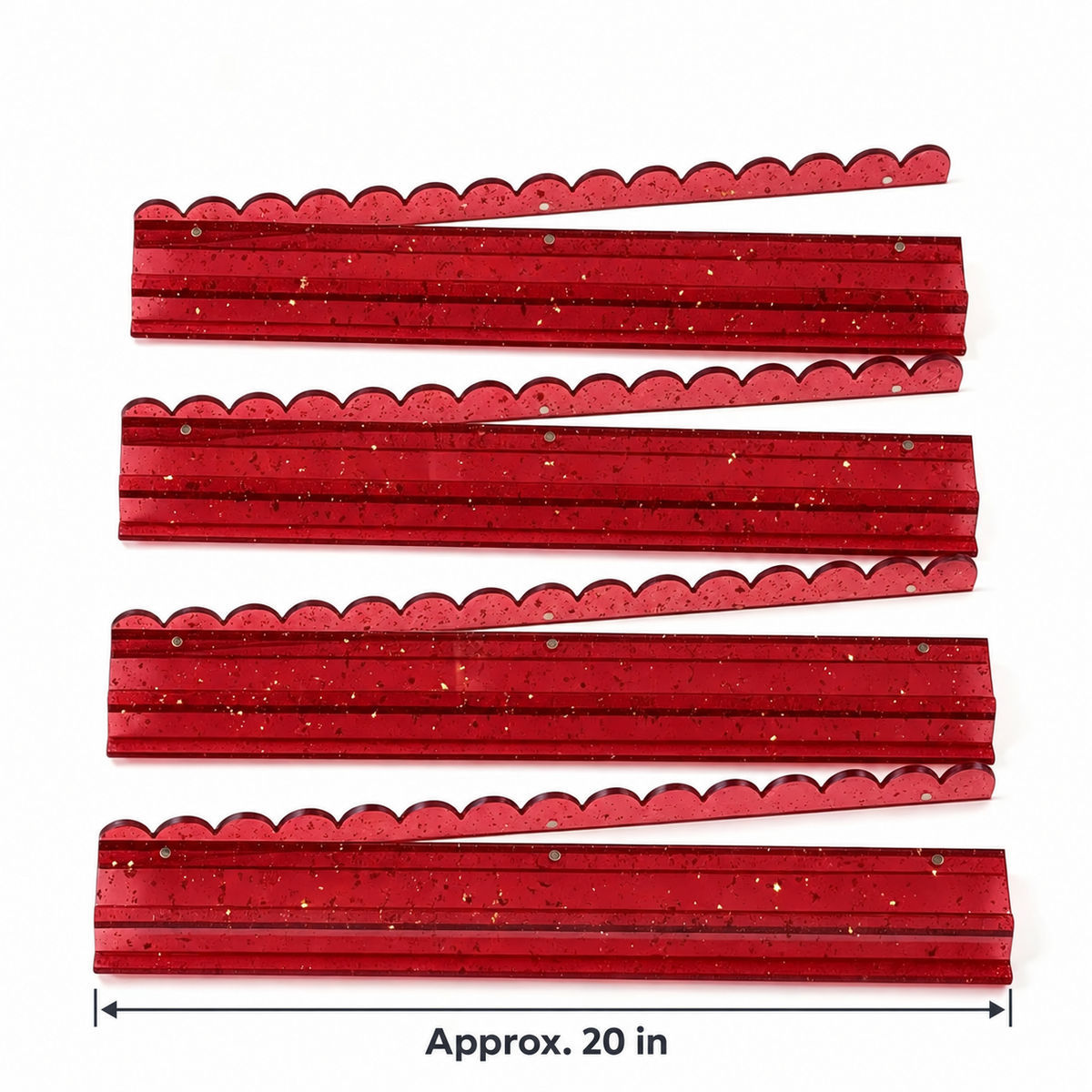
Mahjong racks made in the USA are acrylic tile holders with built-in pushers that keep your hand organized and concealed during play. Mahstead, based in Dallas, designs and manufactures acrylic racks with pushers specifically for American mahjong. These racks hold between 13 and 14 tiles vertically, letting you see your own tiles without exposing them to opponents. They're typically 8–12 inches wide, weighing a few ounces each, and ship free across the US. A full set requires four racks (one per player). Quality matters: cheap racks crack under tile weight or have pushers that jam. Mahstead racks are engineered to last through hundreds of games—check the best-selling mahjong sets to see racks bundled with full playing sets.
Why do serious players use racks with pushers?
Racks with pushers serve two practical purposes: they hide your tiles from opponents and let you organize them without fumbling. When you draw from the wall or receive tiles during the Charleston, dropping them onto the table broadcasts your strategy. A rack keeps tiles upright and concealed until you're ready to expose a pung, kong, or winning hand. The pusher (a flat tool attached to or paired with the rack) lets you move tiles smoothly without touching them individually—essential when hands are full or the game is fast. Many players who've tried games without racks say they miss the rhythm and security.
What materials make a rack last through hundreds of games?
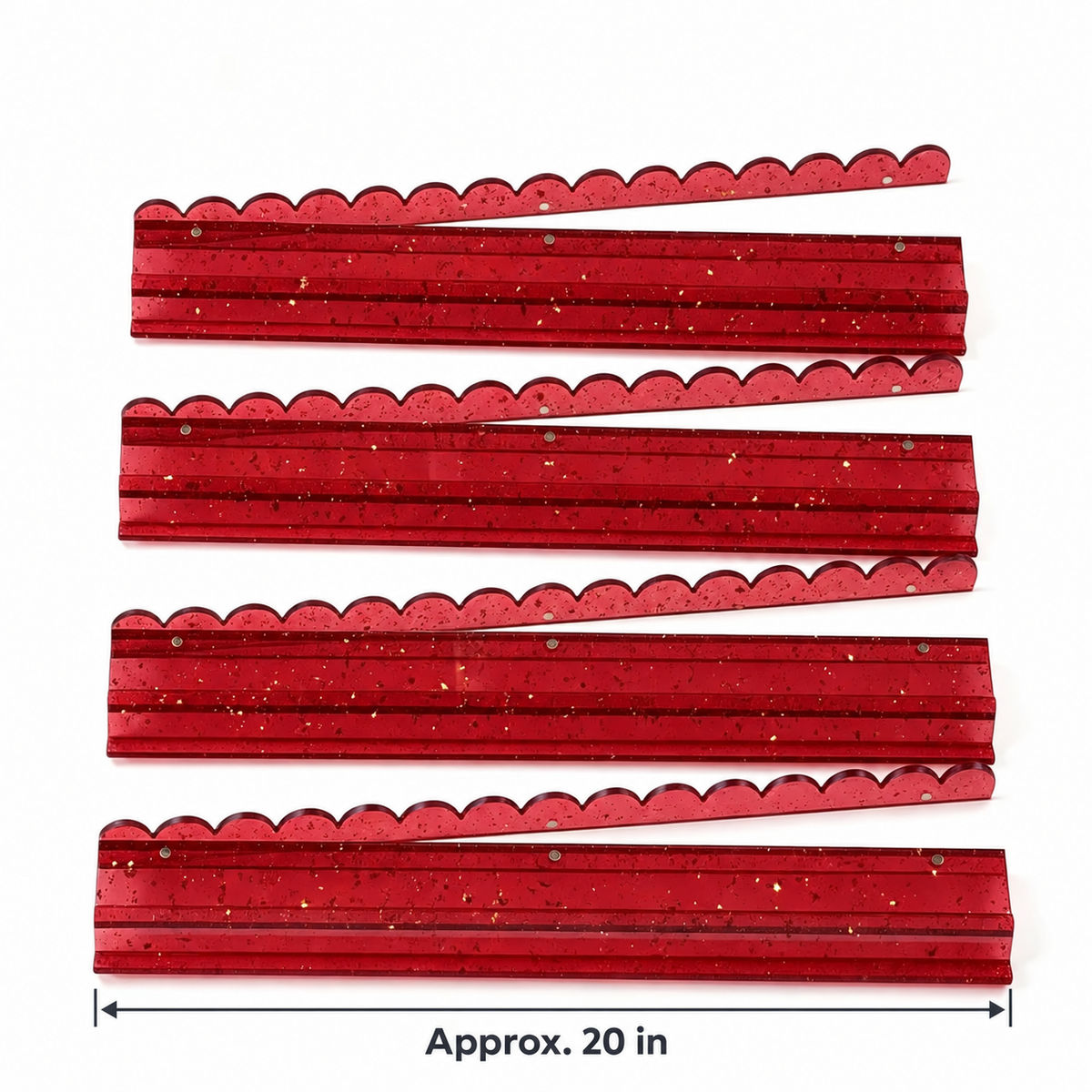
Acrylic is the standard for durable racks because it resists cracking when tiles lean against it, stays cool (unlike plastic), and doesn't warp. Mahstead uses cast acrylic—the same material used in best-selling mahjong sets tile bases—which handles the daily stress of tile weight and temperature swings. Cheaper racks sometimes use molded plastic or thin acrylic that yellows, warps, or splits after a season. When ordering, confirm the material is acrylic and check photos: clear, smooth edges without visible seams signal quality. Flimsy racks also have pushers that stick or require force—that's a red flag.
🀄 Shop best-selling mahjong sets →
How do you choose between different rack styles?
Different rack designs serve different preferences and hand sizes. Here's how to narrow your choice:
Style | Best For | Why It Works |
Integrated pusher (molded into rack) | Players who want one compact tool | Fewer pieces to lose; one motion to play tiles |
Separate pusher (paired rack + tool) | Smaller hands or shared sets | Pusher can adjust or be handed to left/right |
Curved/contoured | Long gaming sessions | Reduces wrist strain; tiles nest naturally |
Straight/minimalist | Tournament play | Lightweight; stackable for transport |
Your hand size matters: if your fingers are small, a separate pusher gives more control. If you host weekly games and lend racks, integrated pushers mean fewer lost pieces. Tournament players often prefer straight designs because they pack into standard mahjong bags and cases. Ask your group what they use—many players stick with one style for consistency.
What size and weight should your racks be?
Standard American mahjong racks accommodate 14 tiles (the size of a hand plus one drawn tile). Most retail racks run 8–10 inches wide and weigh 2–4 ounces each. Mahstead racks are engineered to sit flat on a mat or table without sliding, and the pusher is sized so a thumb can operate it one-handed while holding the rack. If you're tall or have limited table space, measure your setup: some players prefer narrower racks (7 inches) if the table is crowded; others want wider ones (11 inches) for comfort. Weight matters if you travel—four racks should add minimal bulk to a mahjong bag or case. Lighter racks are easier to pack, but they shouldn't feel flimsy.
Should you buy racks separately or as part of a set?
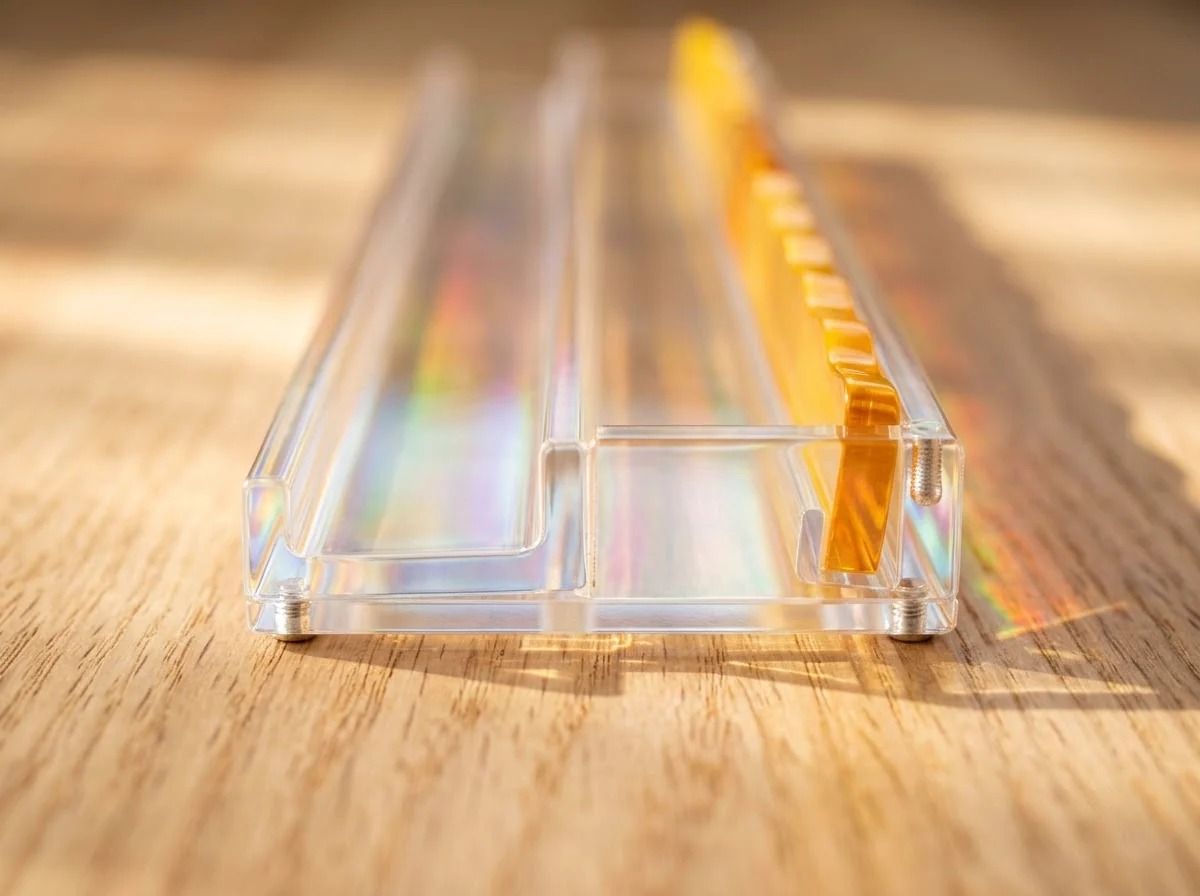
Most new players buy racks bundled with a complete mahjong set and mat—it's more economical and ensures compatibility. Four racks, 160 tiles, a mat, and a pusher set are engineered to work together on the same playing surface. However, if you already own a set and need to replace worn racks or buy a second set for a larger group, purchasing racks alone makes sense. Check the product page to confirm the rack matches your existing tiles' aesthetic (color, edge style, finish). Mixing old and new racks can create an uneven table if they're different heights or weights—a small issue, but real players notice.
What to check before you buy
Before ordering, verify:
Material: Confirm acrylic (not plastic). Check product photos for clarity and finish.
Pusher function: Does it move smoothly in the demo or video? Can a child operate it easily?
Quantity: Are you buying racks only (four needed) or as part of a bundle?
Compatibility: Do the racks match your existing set's color and tile size? (Standard American sets use the same tile dimensions.)
Return or replacement policy: Ask if a cracked or stuck pusher can be replaced. Mahstead stands behind mahjong racks with pushers—contact them directly for specifics.
🎁 See our most-loved mahjong sets & accessories →
Are there differences between US-made and imported racks?
Mahstead manufactures racks in Dallas, so they control every step: material sourcing, casting, pusher assembly, and quality checks. This means faster replacement if a defect occurs, and you're supporting a US-based maker. Imported racks sometimes arrive with loose pushers, misaligned slots, or acrylic that's already cloudy—and returns cross borders, taking months. US-made racks also tend to use thicker acrylic and tighter tolerances because labor costs don't punish precision the way they might abroad. If you play weekly, US-made durability pays off: a rack that lasts five years is cheaper per game than replacing imported racks every two seasons. That said, cost-conscious players may accept slightly lower durability for a lower upfront price—just be realistic about replacement cycles.
What's the difference between a rack and a tile holder?
"Tile holder" and "rack" are often used interchangeably, but distinctions matter. A rack is a dedicated groove or slot that holds tiles upright and hidden—the standard tool for American mahjong. A tile holder might be a generic container or stand that works for any tile game but lacks the pusher or groove design. For American mahjong, always buy a rack with pusher, not a generic holder. The pusher is what separates a practical tool from a toy; without it, you're back to fumbling tiles by hand. When shopping, the product name should say "rack" or "rack with pusher"—that's your signal it's designed for American mahjong.
✨ Find your Mahstead set — free US shipping →
How many racks do you need, and what if you host larger games?
Standard American mahjong is always four players—so you need exactly four racks, one per player. If you host eight players in two simultaneous games, you'll need eight racks total (two complete sets). For rotating players (where winners sit out), consider having one extra set of four racks on hand so players can keep their tiles organized between rounds. Some groups also keep spare racks in case one cracks or the pusher breaks—gluing or replacing individual racks is cheaper than buying a whole new set. If you're thinking about hosting tournaments or lessons, check how many groups will play at once and multiply accordingly. A group hosting a dozen players for a tournament day might want 12–16 racks total, plus mats and engraved American mahjong sets (if branding matters for your group).
Common mistakes to avoid
Buying three racks instead of four: You need one per player, every time.
Mixing heights or styles: Uneven racks make the table feel unstable; stick to one design per game.
Assuming all racks fit the same tiles: Non-standard American sets have wider tiles; confirm compatibility.
Leaving racks in direct sunlight: Acrylic can yellow or warp over time. Store in a cool, dry place, ideally in a mahjong bag or case.
Forcing a stuck pusher: If it jams, don't pry—contact support. Forcing can crack the acrylic.
A quick comparison: who each style is for
Player Type | Recommended Style | Why |
Beginner, casual weekly group | Bundled set (racks + mat + tiles) | Simpler, cohesive, cost-effective |
Tournament or serious club | Straight acrylic rack, separate pusher | Lightweight, stackable, durable |
Small-handed or arthritis concerns | Curved or contoured rack | Ergonomic, reduces strain |
Frequent traveler | Integrated pusher, slender design | Fewer pieces to pack; compact |
Host of large groups | Multiple matching sets, extras on hand | Consistency, room for replacements |
No matter your style, the core principle is the same: a good rack keeps your tiles hidden and organized, your pusher moves smoothly, and the acrylic lasts. Mahstead mahjong racks with pushers are designed with hundreds of weekly games in mind—check the collection to see current designs, and remember free shipping across the US.
FAQ
Do I need racks to play American mahjong?
No, but serious players strongly recommend them. Racks hide your tiles from opponents and let you organize your hand without fumbling. Many groups won't play without them for fairness and speed.
Can I use the same racks for Chinese or Hong Kong mahjong?
Technically yes, but the tile sizes are often different. Chinese sets use slightly different dimensions and symbols. Check tile width before buying—Mahstead racks are designed for standard American mahjong tiles.
What if my pusher gets stuck or breaks?
Contact Mahstead directly for replacement options. Most quality racks include spare pushers or allow individual replacement parts. Avoid forcing a stuck pusher—it can crack the acrylic.
How do I clean acrylic racks?
Wipe with a soft, damp cloth and mild soap. Avoid abrasive cleaners, bleach, or alcohol, which can cloud or crack acrylic. Dry immediately to prevent water spots.
Can racks be personalized or engraved?
Check Mahstead's custom options on the mahjong racks collection page. Many players add initials or group names to racks for tournaments or club sets.
What's the typical lifespan of an acrylic rack?
With normal use, a quality acrylic rack lasts 5–10 years or more. Cheaper plastic racks may crack or warp after 1–2 seasons. Store in a cool place and avoid direct sunlight to extend life.


View More
View More
View More
