
Mahjong Racks Buying Guide: Choose the Right Holder for Your Tiles
Last updated: Nov 23, 2026
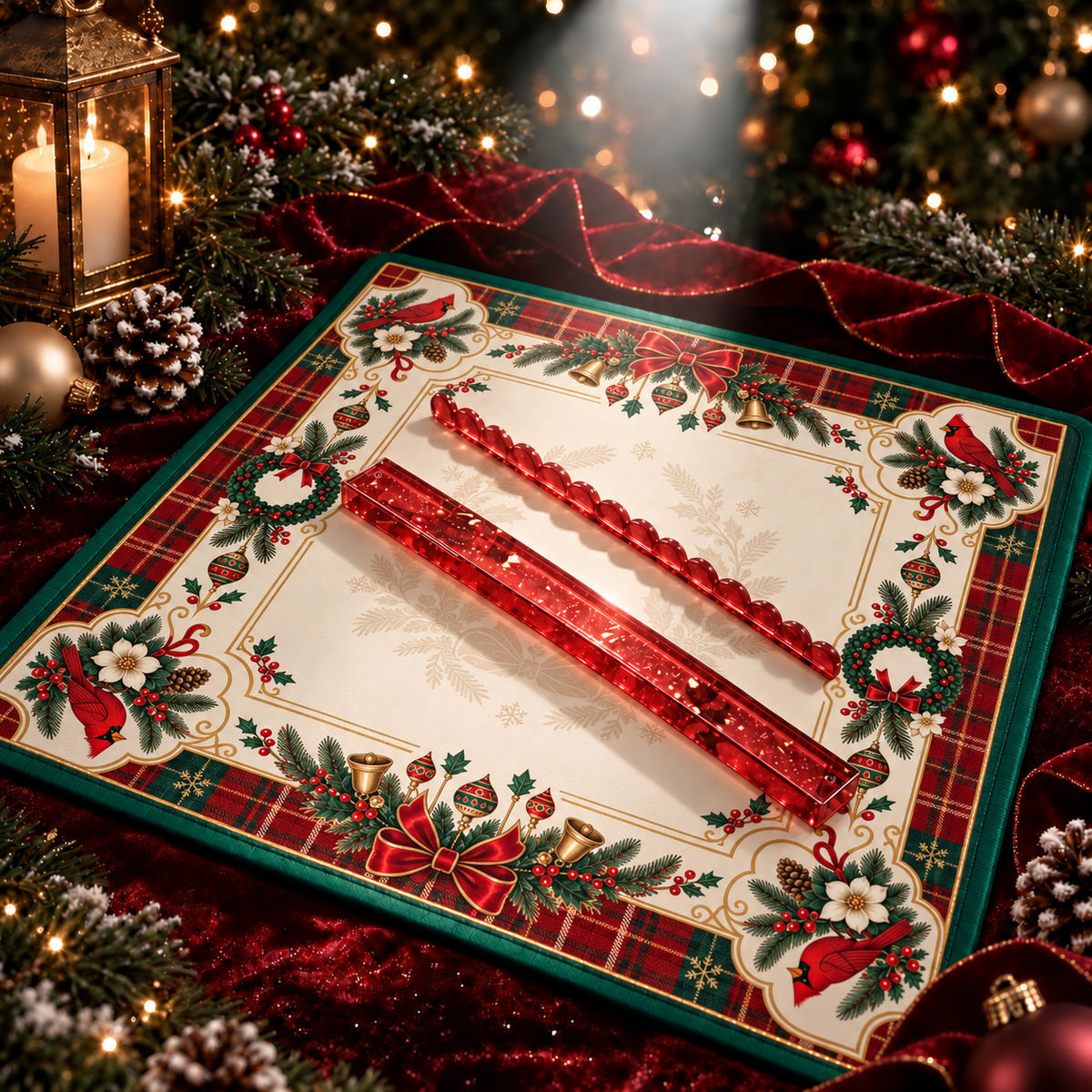
A mahjong rack is a holder that stands upright to display your 13–14 tiles while keeping them concealed from other players. Racks come in two main types: basic acrylic stands and racks paired with pushers (small tools that nudge tiles forward as you play). American mahjong racks typically hold 14–16 tiles and sit flush on a mahjong mat or table surface. They're available in acrylic, bamboo, or wood, with prices varying by material, engraving, and whether pushers are included. The best rack fits your hand size, matches your set's aesthetic, and doesn't tip when tiles are placed firmly. We recommend checking tile thickness (acrylic tiles fit differently than heavier bone-and-bamboo sets) and rack height before ordering; most racks are designed for standard American tiles sold in acrylic sets like those in our best-selling mahjong sets. Avoid undersized racks (they force tiles to overlap and slow play) and lightweight models (they slide on smooth mats).
What's the difference between a basic rack and one with pushers?
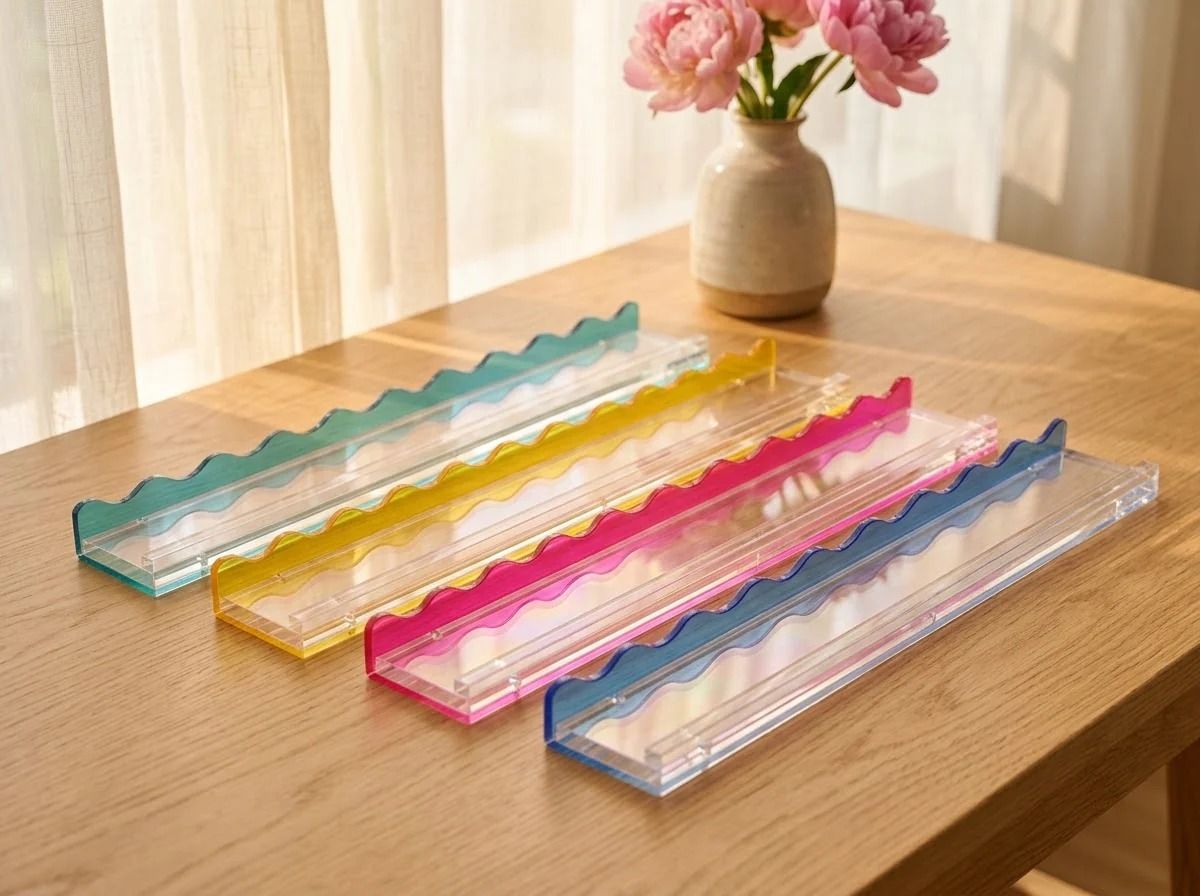
A basic rack is a simple stand—usually two acrylic or bamboo arms—that holds tiles upright without extra tools. A rack with pushers includes two small handles or tabs attached to the base; you slide the entire rack forward as you draw tiles, keeping your hand relaxed and your tiles organized. Pushers speed up play, especially during rapid discard exchanges, and reduce hand strain over long games. Beginners often start with a basic rack and upgrade to pushers once they've learned tile flow and want smoother handling.
🀄 Shop best-selling mahjong sets →
How do you know what size rack to buy?
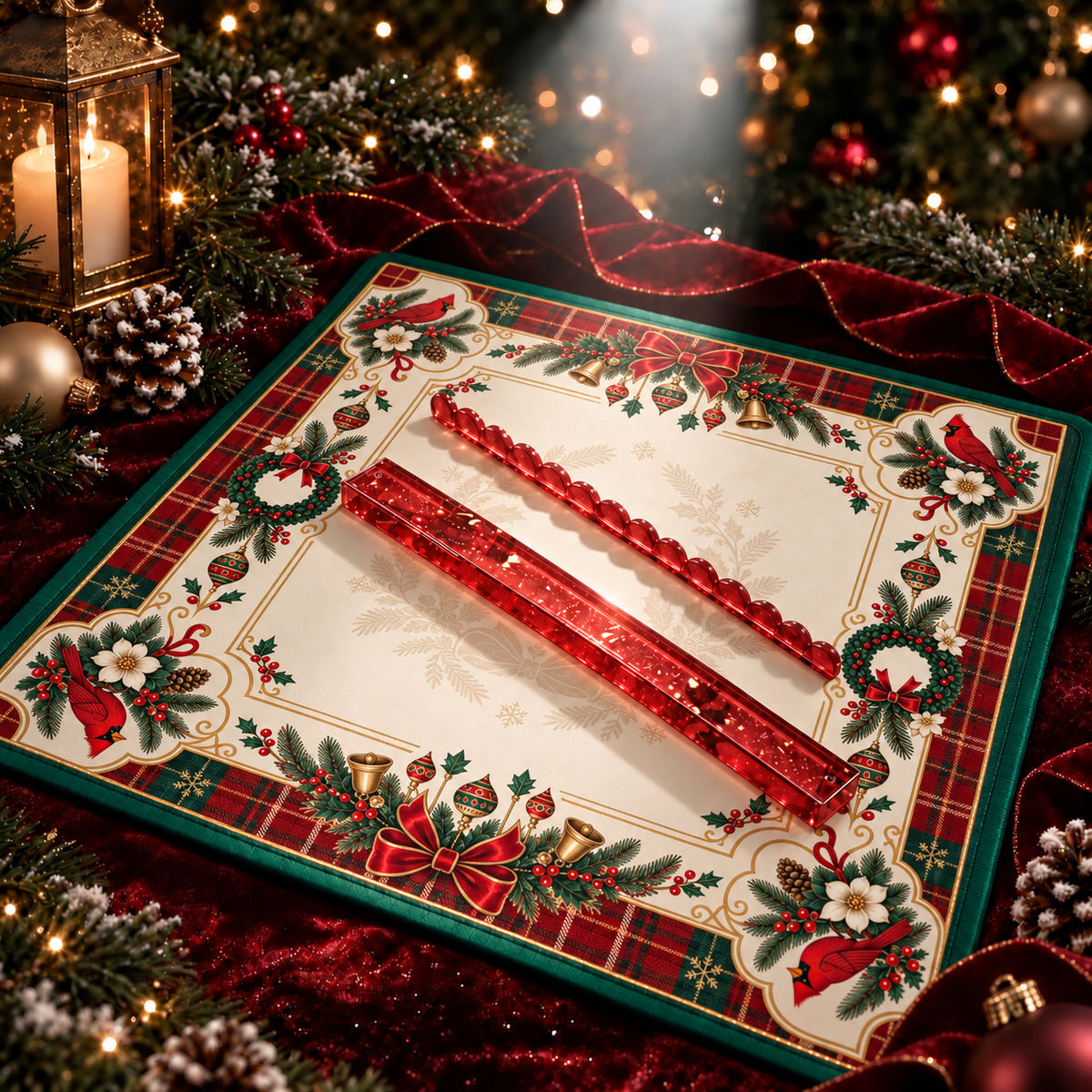
Rack size is measured by the number of tiles it holds (usually 14–16) and by the width of the base. Your hand size and the tile thickness of your set both matter. Measure your palm width—if your hand is smaller than 3 inches, a narrow 14-tile rack works best; wider hands (3.5+ inches) suit 15–16 tile racks. Acrylic tiles in American mahjong sets are typically thinner and more uniform than vintage bone sets, so check your rack's tile slot width against your tiles before play. A rack that's too narrow will jam tiles; one that's too wide will let them rattle and lean. Most mahjong racks with pushers are sized for standard acrylic American tiles, so verify compatibility if you own heritage sets.
Should your rack match your mahjong set and mat?
Many players prefer visual cohesion—a coordinated set, mat, and racks create a polished, intentional table. However, function trumps aesthetics; a mismatched rack that fits your hand and tiles beats a beautiful one that slows you down. That said, acrylic racks coordinate naturally with engraved mahjong sets and mats because they share color and material. Bamboo racks pair well with traditional sets and woven mats. Consider your table's dominant color scheme (many players host weekly games on neutral mats with colorful tile sets) and choose a rack that doesn't visually clash. If you're building a complete setup, we recommend selecting your mat first—the largest visual element—then your tiles, then racks that complement both.
What materials last longest and stay stable on a mat?
Acrylic racks are lightweight, affordable, and easy to engrave; they're best suited for smooth mahjong mats with grip backing, which prevents sliding. Bamboo racks are heavier and grip better on softer surfaces; they're durable and feel traditional but can splinter with heavy use. Wood (typically walnut or oak) is the most stable and attractive but heaviest—ideal for permanent table setups. On a slick laminate or bare table, any lightweight rack will shift; the mat's backing texture matters more than the rack material. Test stability by pressing down on filled tiles; the rack should not tilt or shift sideways. If you play on a smooth surface, consider a mat with anti-slip backing, which solves the problem better than upgrading the rack.
Material | Best for | Stability | Durability | Maintenance |
Acrylic | Smooth mats, engraving | Good (light) | 3–5 years | Wipe clean |
Bamboo | Woven mats, travel | Very good | 5–8 years | Oil occasionally |
Wood | Permanent setups | Excellent | 8+ years | Polish, reseal |
What should you check before you buy?
Before ordering, verify these five details:
Tile thickness: Measure one of your tiles (spine-to-edge). Standard American acrylic tiles are 0.25–0.3 inches thick. If your set uses bone-and-bamboo (heritage sets), tiles are often 0.4+ inches; confirm the rack slot width matches.
Pusher length: If you choose racks with pushers, ensure the handles don't extend so far that they collide with your neighbor's racks during tight seating.
Hand width: Wrap a soft tape measure around your hand at the knuckles. Compare to the rack's internal width; aim for 0.5 inches of play on each side.
Mat compatibility: Note your mat's surface texture (smooth laminate, woven cloth, rubberized). Lighter racks slide on smooth surfaces; heavier models anchor better.
Grip and finish: If ordering online, check product photos for grip texture and whether the finish is glossy (can be slippery) or matte (more stable). Engraved racks often have matte finishes.
A common mistake is buying a narrower rack thinking it will "grow" with your game—it won't. If tiles are crammed, they stick, and you'll fumble during fast exchanges. Another error: assuming all racks fit all tiles. Acrylic, bone, and plastic tiles have different thicknesses; verify compatibility in the product listing or contact the seller before purchase.
✨ Find your mahjong racks with pushers →
How do racks fit into your overall mahjong hosting setup?
Racks are one piece of a full game table. A complete setup includes a mat (for tile layout and protection), a set of 160 tiles (152 play tiles plus spares), racks with pushers (one per player), and often a mahjong bag or case if you host at multiple locations. Many weekly game groups buy matching racks to standardize play and reduce arguments over whose tiles are whose during rapid discard cycles. If you're hosting your first game, start with one set of best-selling mahjong sets and a basic mat; add matching racks for each player as your group grows. Consistency—same tile thickness, same rack height, same mat size—makes games smoother and faster. We see this in our Dallas, Texas workshop: groups that coordinate equipment play tighter, faster games and report higher satisfaction.
🎁 See our most-loved mahjong sets & accessories →
Quick comparison: basic racks vs. racks with pushers
Basic racks ($budget-friendly, no specific price stated) work well for casual play and learning. You lift tiles from the rack by hand, which is fine for leisurely games. Best for small tables, limited storage, or beginners unsure about long-term commitment.
Racks with pushers ($higher price point based on added hardware, see product page for current pricing) are the upgrade for weekly groups. Pushers let you advance tiles smoothly without lifting, speeding discard exchanges and reducing repetitive hand strain. Best for serious players, competitive games, and table setups where speed and ergonomics matter.
Neither is objectively "better"—it depends on your pace, hand strength, and game frequency. If you play once a month casually, basic racks suffice. If you host weekly games or play tournament-style, pushers earn their cost within a season. Many groups keep one set of pushers at the host's house and rotate basic racks among players, balancing convenience and expense.
Where to order and what to expect
When you order from Mahstead, racks ship as part of your broader mahjong set or separately. Acrylic and bamboo racks come individually packaged to prevent scratches. Engraved racks (personalized with names or dates) are laser-etched before shipping; verify spelling before checkout. Most racks arrive ready to use—no assembly required. Shipping is free across the US. If you order racks without a mat or set, note that they're designed to pair with standard American mahjong tiles; double-check tile dimensions if you own older heritage sets.
What to check before ordering:
Tile thickness of your set
Hand width and rack capacity (14 vs. 16 tile slots)
Mat surface texture (smooth or woven)
Whether you want pushers (speed and ergonomics) or a basic stand (simplicity and cost)
Engraving spelling and design (final before purchase)
FAQ
Can you use pushers with any mahjong set?
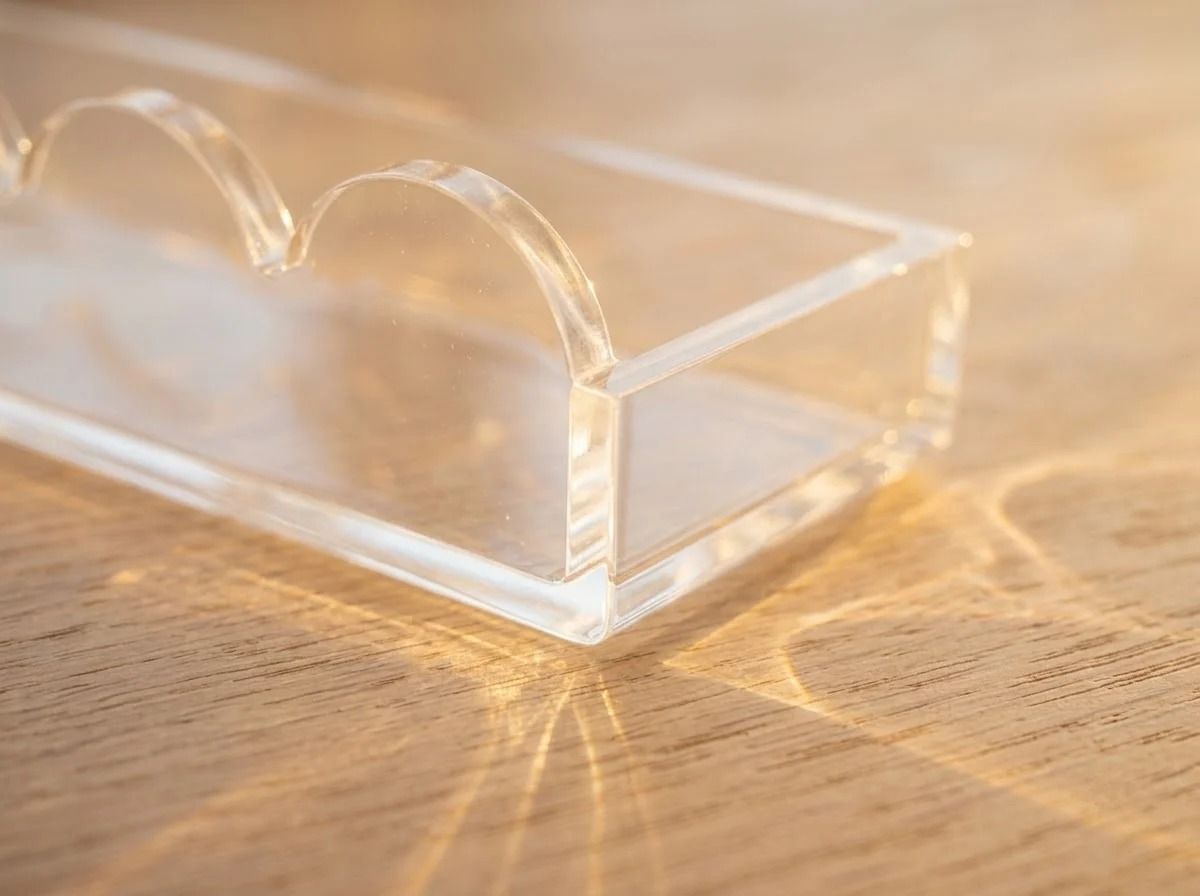
Pushers work with standard American acrylic tiles. Heritage bone-and-bamboo sets often have thicker tiles; verify slot width before ordering. Pushers won't damage tiles, but if the slots are too tight or loose, the rack becomes unstable or hard to manipulate.
Do racks come with the mat?
No. Mats and racks are separate products. A typical setup includes a mat (the play surface), a 160-tile set, and four racks with or without pushers (one per player). You can buy them separately or as coordinated collections from Mahstead.
How many racks do I need?
For a standard four-player game, buy four racks (one per player). For casual hosting where players rotate in and out, some groups share two or three high-quality racks and use simpler stands as backups.
What if my rack slides on my mat?
Check the mat's backing—smooth laminates offer little grip. A mat with rubberized or anti-slip backing holds racks better. Alternatively, upgrade to heavier bamboo or wood racks. Combining both (anti-slip mat + heavier rack) solves most sliding problems.
Can you engrave a rack after you buy it?
Most acrylic and some bamboo racks can be engraved, but Mahstead handles engraving before shipping. If you already own a rack, local trophy shops often engrave acrylic for a small fee, though this isn't guaranteed by Mahstead.
Do racks affect game speed or scoring?
Racks with pushers speed up tile exchanges and reduce fumbling, which can shorten game duration slightly—typically by 5–10 minutes over a full game. Scoring is not affected; racks are a handling tool, not a rules matter. Basic racks don't slow the game meaningfully unless you're playing competitive tournament style.


View More
View More
View More
