
Mahjong Chips and Coins for Beginners: What to Buy
Last updated: Nov 23, 2026
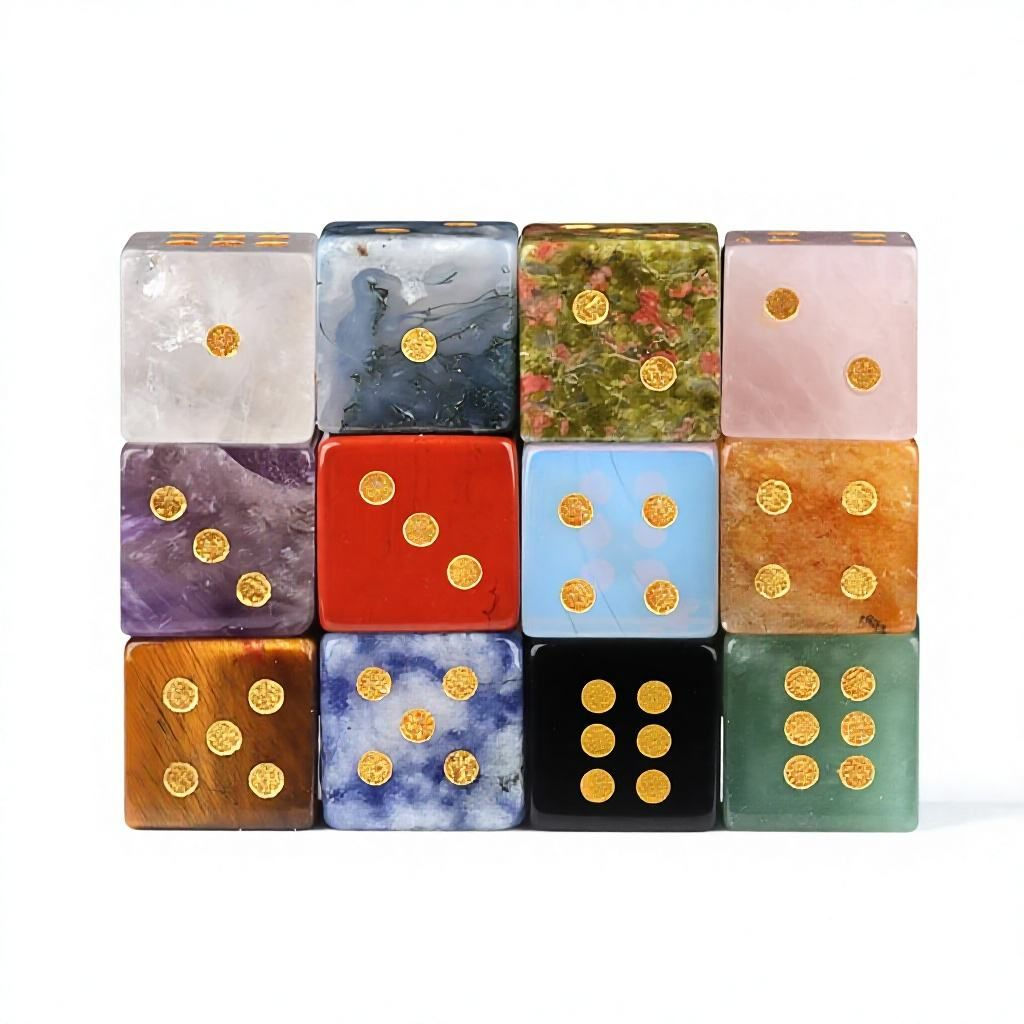
Mahjong chips are tokens used in American mahjong to track and pay points between players during a hand—typically bone or plastic discs marked with numbers (usually 5, 10, 20, 100 points). In American mahjong, scoring happens after a hand concludes: the player who wins collects payment from the three other players based on the hand's point value and the winner's seat (East/South/West/North), which multiplies the payout. New players need roughly 2,000–3,000 points' worth of chips per person (a standard stack), though seasoned groups often use 5,000+ to avoid running short mid-game. You can buy chips separately or as part of a full mahjong set; many beginners underestimate the quantity they'll need or choose chips too small to handle comfortably. Mahstead's best-selling sets include quality tokens sized for adult hands, and we recommend checking chip diameter (typically 1.25–1.5 inches) and weight (heavier chips feel more premium and stack better) before ordering. 🀄 Shop best-selling mahjong sets →
Are mahjong chips the same in every mahjong variant?
No. American mahjong uses point-valued chips (marked 5, 10, 20, 100) to settle scores after the hand ends. Chinese and Hong Kong mahjong use chips mid-game to place bets before play begins; they're often unmarked or marked with seat symbols, not point values. Riichi mahjong typically uses a stick system (bone or plastic rods) instead of round chips. Vietnamese and Taiwanese games have their own scoring and chip conventions. If you're playing American mahjong, buy American-specific chips; if you're learning a different variant, clarify the rules with your group first, as chip design directly reflects scoring method and timing.

How many chips do I actually need at the table?
A typical beginner's game needs 2,000–3,000 points per player (four players = 8,000–12,000 total in circulation). A common stack setup is: each player starts with one 500-point chip and ten 100-point chips (1,500 points), with a "banker's reserve" (the remaining chips) in the center for exchanges. Many experienced groups actually keep 5,000+ points per player available because hands exceed expectations, players run low, and you avoid mid-game scrambling. If your chips are too few, you'll spend time converting larger denominations or running out entirely. Buy a set with extra chips, or ask your chip supplier about purchasing additional stacks—don't skimp on quantity.
What's the real difference between plastic and resin chips?
Plastic chips are lightweight, affordable, and durable for casual weekly games; they're easy to clean and ship well. Resin chips (often called "composite" or "clay-composite") weigh more, feel premium, and offer better stacking and less sliding—ideal for serious players or groups that play frequently. Resin chips often have inlaid or embossed numbering that resists wear, while plastic chips may fade with years of use. Neither is objectively "better"—it depends on your budget, how often you play, and whether you value the tactile experience. For a beginner picking up the hobby, plastic chips work fine; if you host weekly and want tokens that'll last a decade, resin is worth the upgrade.
What should I check before ordering mahjong chips?
Use this pre-purchase checklist:
Denomination clarity: Confirm chips are marked with point values (5, 10, 20, 100 for American mahjong), not just colors—beginners mistake unmarked chips for counting chips and lose track mid-game.
Quantity per player: Calculate (number of players) × (2,500 starting points) + 2,000 for the banker's reserve = minimum total chip count. A set with 10,000+ points' worth gives comfortable buffer.
Chip size and weight: Aim for chips at least 1.25 inches in diameter (smaller coins feel cheap and are hard to stack); heavier chips handle better than flimsy plastic.
Color contrast: Verify each denomination is a distinctly different color—if 10s and 100s look similar under table light, you'll misread values.
Storage & portability: If you move your game between homes, check whether chips fit in the bag or case you're using with your mahjong mats and set.
Comparison: Chip Types for Beginners
Chip Type | Best For | Quantity Guideline | Durability | Feel |
Plastic, standard color | Casual monthly games, tight budget | 1,500–2,500 per player | 3–5 years | Lightweight, slides slightly |
Plastic, heavy-duty | Weekly clubs, frequent play | 2,000–3,000 per player | 5–10 years | Moderate weight, better grip |
Resin/composite | Serious weekly+ groups, tournaments | 2,500–3,000 per player | 10+ years | Heavy, premium feel, stacks well |
Blank/DIY counters | Teaching or trial play only | 1,000–2,000 per player | 1–3 years | Variable; often frustrating |
Which mahjong sets come with beginner-friendly chips?
Our best-selling mahjong sets include chip sets specifically sized and colored for new players—typically plastic or composite tokens in standard American denominations (5, 10, 20, 100). Many come pre-sorted in a drawstring pouch or tray, so you don't start day one hunting for lost chips. Look for sets that bundle chips, a mat, and racks with pushers—this "complete beginner's bundle" approach eliminates guesswork and ensures all components fit together. If you're buying a set without chips (some retailers sell tiles-only), factor in a separate chip purchase; budget accordingly and confirm denominations match American mahjong scoring rules.
🎁 See our most-loved mahjong sets & accessories →

Should I buy chips separately or as part of a full set?
Buy chips as part of a full set if: you're new to mahjong, want guaranteed compatibility, and prefer one-stop shopping. A complete bundle ensures the chip denominations align with the scoring system the set is designed for, and the mat and racks will fit your storage bag.
Buy chips separately if: you already own tiles and mat, need to replace worn chips, or want to upgrade from basic plastic to resin tokens. Standalone chips are also useful if you host games and want multiple chip sets for different tables.
For beginners, bundles save time and avoid mismatched components. If you're joining an established group, ask them what chip set they use first—some clubs standardize on one brand/style, and mixing sets causes confusion.
What's the honest mistake beginners make with chips?
The most common error: assuming you have "enough" chips because the box looks full. Many new players open a beginner's set, split chips among four players, and run out mid-game because the total point value is only 2,000–2,500—barely one starting round. The second mistake: buying unmarked tokens thinking "we'll remember which color is which"—you won't, especially after two hours and a drink. A third: assuming chips from a different game (poker chips, Chinese mahjong coins) will work for American mahjong—they won't, because the denominations and point values are wrong. Buy a set labeled "American mahjong" with clearly marked denominations and at least 2,500 starting points per player.
How do I handle chips during the game?
Each player manages their own chip stack in front of them, sorted by denomination for quick math. When a hand ends, the winner announces the point value (e.g., "80 points, East wins double"), and each other player calculates their payment to the winner based on their seat position—South and West pay single the announced value, North pays double. Players exchange chips to settle; the winner collects chips, losers hand over chips. This happens quickly (60–90 seconds per hand in a practiced group). Keep chips organized by color/value so you're not fumbling during payouts. If you're new, ask a veteran to explain your first two hands before you're responsible for chip math.
Can I use digital scoring instead of physical chips?
Technically yes—some groups use an app or spreadsheet. However, we recommend against it for beginners because: (1) it slows down payouts (fumbling with phones vs. sliding chips), (2) it removes the tactile feedback that helps you learn scoring, (3) disputes about math are harder to audit with a screen than with a physical record, and (4) most established groups use chips, so if you ever join a club, you'll be the outlier. Learn with physical chips first; once you're fluent, you can experiment with digital tracking.
What You'll Need
If you're starting from scratch, a complete mahjong set from our best-selling collection typically includes tiles, chips, a mat, and carrying case—all you need to host your first game. For hosting recurring games, add a second travel bag (many hosts keep one set permanently at home and carry another to clubs). If you play weekly and want professional feel, upgrade to engraved or premium sets with heavier chips and a nicer mat. All Mahstead sets ship free across the US and include quantity and denomination guidance on the product page.
Quick Checklist: Chips for Beginners
[ ] Confirm chips are marked with point values (5, 10, 20, 100), not unmarked or color-only.
[ ] Calculate total needed: (4 players) × (2,500 points) + 2,000 reserve = 12,000 points minimum.
[ ] Check chip diameter ≥1.25 inches and color contrast between denominations.
[ ] Verify set includes a storage pouch or tray so chips don't spill in transit.
[ ] If buying separately, confirm the set's denominations match American mahjong (not Chinese, Riichi, or other variants).
[ ] Review the product page for beginner recommendations or bundle deals.
✨ Find your Mahstead set — free US shipping →

FAQ
Do I need to buy chips if I already have a mahjong set?
Check your set's contents first—many complete mahjong sets include chips. If chips aren't listed or you inherited just tiles, yes, buy chips separately. Confirm the denominations are American mahjong (5, 10, 20, 100 points).
What happens if my chips run out during a game?
The game pauses while you search for unused chips or convert existing ones (e.g., trade a 100-point chip for ten 10-point chips). This is annoying and breaks rhythm. Avoid it by buying 2,500+ points per player before your first game and keeping a "banker's reserve" of unused chips in the center.
Can I mix chip sets from different brands?
You can, but it's confusing if denominations don't match or colors are too similar. A unified set (all chips from one brand and purchase) avoids mistakes, especially for new players. If you must mix, use painter's tape to label each denomination clearly.
How do I clean and store mahjong chips?
Wipe plastic and resin chips with a soft, dry cloth after play. Store in a cool, dry place (not direct sun, which fades colors) in the pouch or case your set came with, or in a small container. Avoid stacking heavy objects on top; chips may crack or warp over time.
Are expensive chips worth the upgrade from basic plastic?
If you play weekly or host regularly, yes—heavier resin chips stack better, handle years of use, and feel more satisfying. For casual monthly games, basic plastic chips are fine. Think of it like coffee mugs: a cheap mug holds coffee; a nice mug makes the ritual nicer.


View More
View More
View More
