
Mahjong Party Ideas in Phoenix: Host a Winning Night
Last updated: Nov 23, 2026
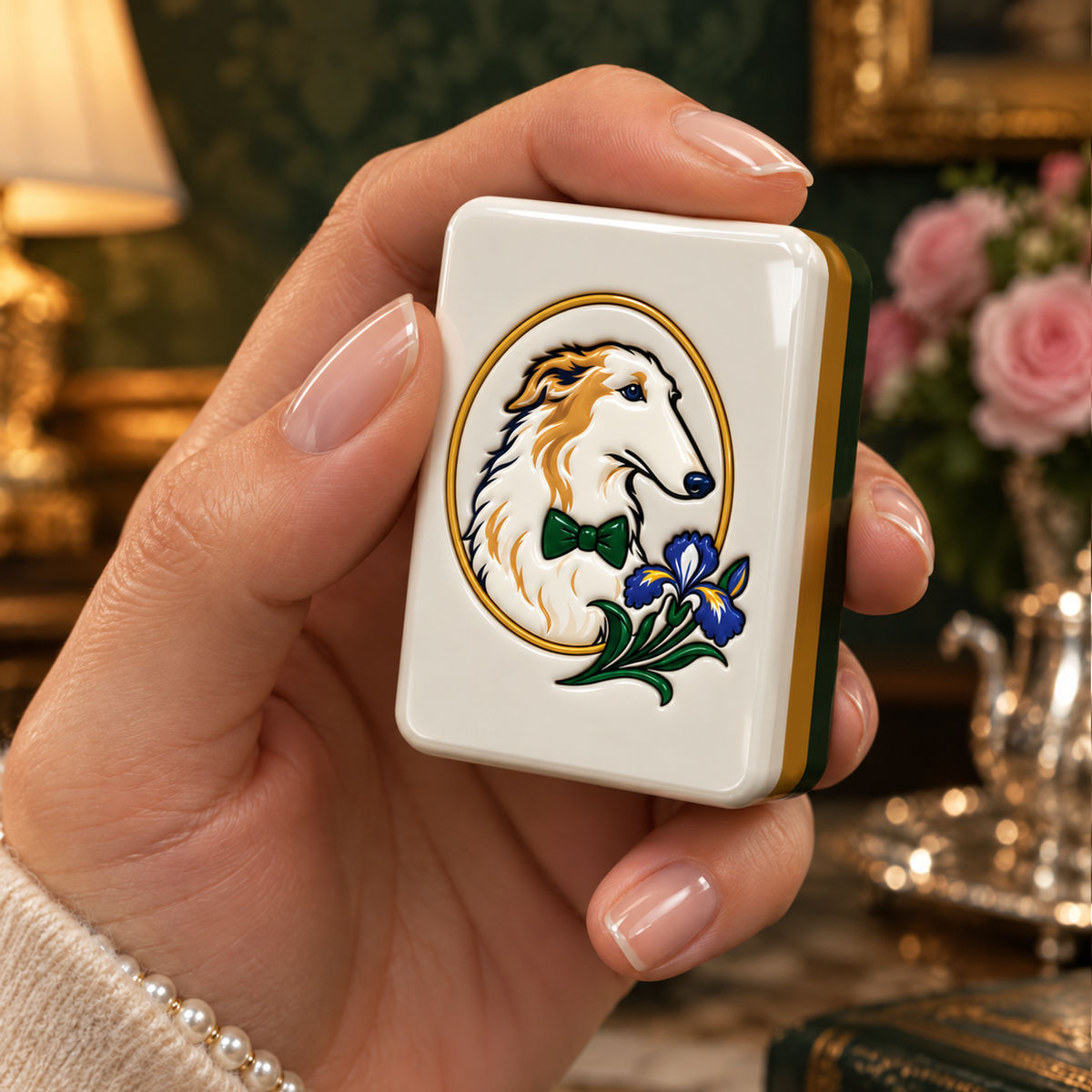
Phoenix hosts an active mahjong community through libraries, community centers, synagogues, and country clubs—start by checking their bulletin boards or event calendars for existing games. American mahjong requires a 152-tile set with eight jokers, a mat or table cover, four racks with pushers, and current-year National Mah Jongg League cards for every player. A typical game lasts 1–2 hours and seats exactly four players. To host successfully, prep your space the night before: clean a flat surface, arrange seating with good lighting, and lay out one set per player if hosting back-to-back rounds. New hosts often forget joker rules (jokers cannot form a pair or single tile) or ignore the Charleston tile-passing ritual that begins every game. Our best-selling mahjong sets come pre-sorted and include everything except cards and racks, making setup transparent and fair for guests.
Phoenix's warm evenings and year-round availability make it a natural hub for mahjong hosting. Whether you're gathering regulars or introducing newcomers, the right preparation turns a casual evening into a memorable game night. Here's how to plan, what to gather, and how to avoid the mistakes that trip up first-time hosts.
What gear do you actually need to host?
You'll need one complete 160-tile set per four players (each set plays four simultaneously), a mat or table cover to protect your surface and grip tiles, four racks with pushers so players can organize and rest tiles without fumbling, and one current-year National Mah Jongg League card per player. Many hosts buy a backup set in case tiles go missing or damage occurs; if hosting doubles or shifting players mid-night, having two sets on hand prevents delays. Dice roll to determine seating order. Pen and paper for scoring come next—never rely on memory. Check that your playing surface is level; even a slight tilt causes tiles to slide and ruins concentration. Lighting matters more than most hosts expect: overhead light plus a table lamp prevents eyestrain and lets players read tiles clearly. Choose a mat that fits your table size to avoid bunching or overhang.
🀄 Shop best-selling mahjong sets →

How do you find enough players in Phoenix?
Phoenix community centers, libraries, and senior centers often host open mahjong nights or can connect you with established groups. Synagogues and country clubs frequently list games on bulletin boards or member calendars. Meetup boards and social media groups for gaming in the Phoenix area often have dedicated mahjong threads. Start by asking if anyone you know plays—mahjong players love welcoming newcomers. If you're starting from scratch, invite four people willing to learn (American mahjong is not as hard as reputation suggests), set a regular time like Thursday evening, and expect the first session to run longer than usual because players will stop to ask rule questions. Once word spreads that you host, regulars often return weekly. Phoenix's size means you'll likely find players at multiple skill levels, so hosting a beginner-friendly first round helps build a consistent group.
What's the right space setup for smooth play?
Your host space should have one table that seats four comfortably (36 inches square minimum), with room to stand and move around the table's edges during the Charleston tile-passing phase. Avoid spaces with glare from windows; tiles reflect light and become impossible to read. Seat players so each has an arm's-length reach to the center and can see everyone else's tile arrangements—a square table beats rectangular for this reason. Keep refreshments on a side table, not touching the playing surface. Temperature matters: rooms that run hot cause players' hands to sweat, and tiles become slippery and hard to grip. Many Phoenix hosts run air conditioning or a fan during warm months. Clear the table completely before play starts so no debris or crumbs mix with tiles. Set out pencil, paper, and the National Mah Jongg League card at each seat before guests arrive. Organize one set of racks with pushers per player so everyone can rest tiles between draws without holding them in hand—this cuts mistakes and speeds rounds. Have a water bottle or glass within arm's reach for each player.
How should you explain rules to a mixed group?
Assume everyone is new unless told otherwise. Spend 10 minutes on the Charleston before touching tiles—walk through the three passes slowly, showing how each player rotates tiles face-down across the table in a set order. Explain that the goal is to form a hand matching the current year's National Mah Jongg League card, and that hands come only from that card, never from memory. Show how to read the card by pointing to one hand and naming each section: pung (three identical tiles), kong (four identical), or quint (five identical). Stress that no sequences (1-2-3) exist in American mahjong—this cuts confusion for anyone who's played Chinese or Hong Kong variants. Demonstrate what a joker is and why jokers cannot form a pair or single tile (they only fill gaps in exposed sets or form melds with other jokers). Let one player practice drawing, discarding, and calling "pung" before the real game starts. Our beginner guide covers American mahjong fundamentals and addresses the most common rule questions. Hand copies to guests before your first session so they can review at home.
🎁 See our most-loved mahjong sets & accessories →

What are the most common hosting mistakes—and how to avoid them?
Mistake | Why it breaks the game | How to prevent it |
Mixing tiles from two sets | Identical tiles look slightly different; players can't trust pung calls | Keep sets separated; one set per table |
Forgetting the current-year card | Old hands no longer count; players argue over validity | Buy the new card each spring; keep a spare |
Allowing jokers in pairs or singles | Violates American mahjong rules; hand becomes uncallable | Remind players jokers fill gaps only, never form pairs |
Playing on an unlevel surface | Tiles slide; rounds derail; player gets blamed for bumping table | Test your table with a marble or ball beforehand |
Skipping the Charleston | Game feels rushed; less luck involved; new players feel lost | Run it every round, even if players groan—it's the ritual |
Running out of space for exposed melds | Players pile tiles on top of each other; discards get lost | Use racks for each player so exposed sets stay organized |
Never assume anyone remembers rules from last month—restate them briefly before each round. Keep the current year's National Mah Jongg League card visible at all times; refer to it constantly so players trust the hand exists. If a player calls a hand incorrectly, don't shame them—explain the mismatch and move forward. Most new hosts underestimate how much space and light matter; if your first round feels chaotic, the room is likely too dim or too cramped.
Why does hosting matter for Phoenix's mahjong scene?
Hosting regular games—even monthly—creates a hub that draws players and builds community. Phoenix's spread-out geography means many players travel to games, so consistent hosting times encourage loyalty. Hosts become known as reliable organizers, and over time, you attract serious, respectful players who value your space and show up on time. This builds the local game culture and gives newcomers a safe entry point. If you host in your home, set clear expectations: start time, end time, what to bring, house rules, and whether you're playing for fun or keeping score. A welcoming host attracts repeat players; a disorganized one gets a reputation that spreads fast. The best hosts I know in Phoenix started small—four people, Thursday nights—and grew to waiting lists within a year.
✨ Find your Mahstead set — free US shipping →
What to check before you buy
Tile count: American mahjong uses exactly 152 tiles plus 8 jokers. Confirm your set includes all of these.
Tile quality: Acrylic tiles should be smooth, chip-free, and uniform in size; uneven tiles throw off hand-reading.
Joker clarity: Jokers should be visibly distinct from numbered tiles so players never accidentally call them as part of a hand.
Rack fit: Racks must accommodate your tile size without gaps; test by placing one tile in a borrowed rack if possible.
Mat grip: A mat should grip tiles without sliding, especially important in Phoenix's dry heat where friction matters.
Spare tiles: A 160-tile set includes spare jokers; check the product page to confirm what comes with yours.
Shipping condition: Tiles arrive in protective cases; inspect for cracks upon delivery.

FAQ
What's the easiest way to organize a mahjong party for beginners in Phoenix?
Reserve a community center or library room, invite four people, buy one complete 160-tile set, print copies of the current National Mah Jongg League card and a beginner rule sheet, and host on a fixed night (Thursday or Sunday works well). Run the Charleston slowly, explain joker rules twice, and expect the first round to take 90 minutes. Regulars will ask to return.
Can I host mahjong in Phoenix outdoors during winter?
Yes, Phoenix's winter evenings (November–February) are ideal for outdoor mahjong. Use a sturdy table that won't wobble on uneven ground, bring a battery-powered work light or LED string lights for visibility, and keep tiles in a case when not in play to protect them from dust. Avoid outdoor hosting May–October when heat and glare make tiles hard to see and hands sweat excessively.
How many sets do I need if I want to host two simultaneous games?
You need two complete 160-tile sets, one per table. Each set plays four players, so two sets let you host eight people at once. Keep sets separated during play to avoid mixing tiles. Many experienced hosts have two or three sets on hand for flexibility.
What do I do if someone doesn't know how to play before they arrive?
Send them a link to a beginner guide or video 48 hours before the party. Spend 15 minutes teaching the Charleston and showing how to read the card before you start. Pair them with an experienced player for their first round, or host a "teach" round where you pause often to explain calls and melds.
Is there a Phoenix mahjong league or tournament I should know about?
Check local community centers, libraries, synagogues, and country clubs for listings of organized games and tournaments. These venues often host weekly or monthly events and can connect you with established players. Meetup boards and Facebook groups for Phoenix gaming also advertise tournaments and open games throughout the year.
What's the best time to host a mahjong party in Phoenix given the climate?
October through April when outdoor and early-evening hosting feels comfortable. May–September, host indoors with good air conditioning; Phoenix heat in summer makes in-person gaming uncomfortable and tiles harder to grip. Most Phoenix players shift to evening games (after 7 p.m.) during warm months to avoid afternoon heat.


View More
View More
View More
