
Thanksgiving Mahjong Party: Food + Game Setup Guide
Last updated: Nov 23, 2026
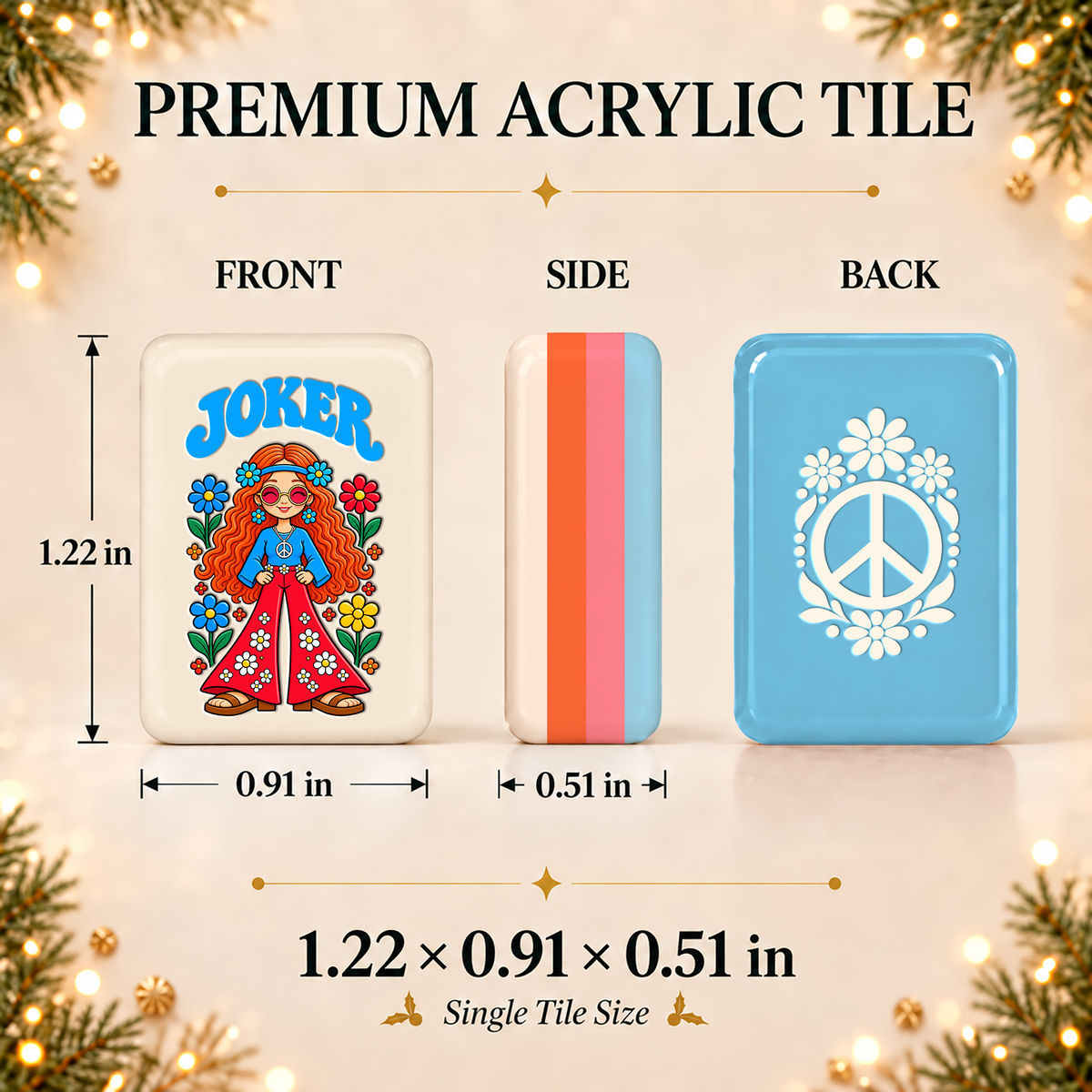
Thanksgiving mahjong parties work best when food and game setup are planned as one system. Serve finger foods and small bites (not heavy dishes that require two hands) during play, keep drinks in stemmed glassware away from tiles, and set up zones: one for the mat and racks, another for serving. Timing: seat players 20 minutes before your scheduled start, eat for 10–15 minutes, then play hands with snack breaks every 3–4 hands. A quality mahjong mat protects tiles from spills, racks with pushers keep tiles upright and stable (crucial when reaching for food), and a travel-ready set speeds setup. Most Thanksgiving gatherings run 2–3 hours; plan three 30-minute games with breaks, or four shorter rounds. Avoid saucy dishes, chocolate, and red wine near the playing zone.
What foods work best during active play?
Stick to one-handed, low-crumb options: cheese and crackers, nuts, dried fruit, veggies with dip in small bowls, chocolates, and sandwiches cut into quarters. Avoid wings, ribs, pasta, and anything requiring two hands. Place small plates and napkins within arm's reach but 2–3 feet from the mat. A player holding tiles should never need to put them down to eat.

How do you keep the playing surface clean?
Use a dedicated mahjong mat rather than a bare table—acrylic tiles are water-resistant, but mat surfaces are washable and define a clear boundary. No eating directly over the mat; food stays on side tables or on a separate cloth to the left of the mat. Wipe hands on napkins before handling tiles. If a spill happens, blot (don't wipe) with a dry cloth and let tiles air-dry for 30 seconds before continuing. A small hand sanitizer station on the sideline keeps hands dry and grip reliable.
What's the timing for food, drinks, and game rotation?
Set a three-hour block: 20 minutes to seat players and explain the hand, 15 minutes for Thanksgiving snack grazing (no tiles in play yet), then alternate: 25–30 minutes of active play, 5-minute break for water and small bites, repeat for three to four hands. If you're hosting beginners, expect 40 minutes per hand early on, then 25–30 as confidence builds. Stop play 15 minutes before a meal or departure so no one leaves mid-hand.
Time Slot | Activity | Food Role | Setup Notes |
0–20 min | Seating + rule review | Optional coffee/tea | Tiles covered, racks empty |
20–35 min | Light grazing | Cheese, nuts, water | No tiles exposed yet |
35–65 min | Hand 1 (play) | Sips only, no eating | Mat in use, racks full |
65–70 min | Break 1 | Sandwiches, fruit | Tiles protected under rack covers |
70–100 min | Hand 2 (play) | Sips only | Same setup |
100–105 min | Break 2 | Seconds + dessert | Tiles reset |
105–135 min | Hand 3 (play) | Sips only | Same setup |
135–140 min | Final break + score | Leftover snacks | Tiles returned to case |
The clearest wins happen when players know the rhythm—eating is separate from active play, not interleaved.
Why do racks and pushers matter for a Thanksgiving game?
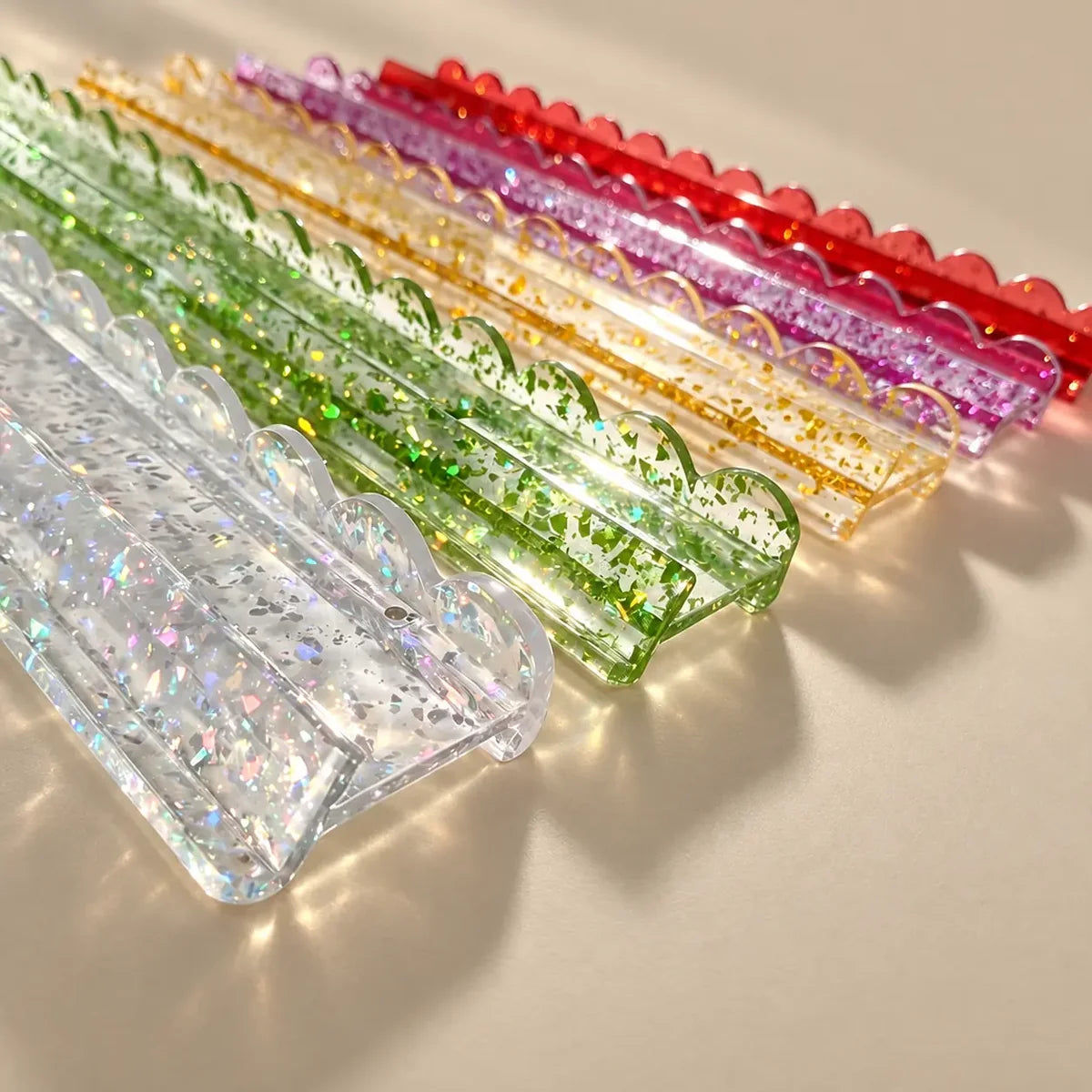
Mahjong racks with pushers keep tiles upright, visible, and stable when players reach across the table for food. Without racks, a full hand (14 tiles) sits flat and topples if someone bumps the table or leans in. Pushers let a player adjust tiles with one hand while holding a plate or glass in the other—critical for comfort at a leisure gathering. Racks also create 4–6 inches of clearance above the mat surface, giving you a dedicated zone below for snacks and drinks without tile risk. Test your racks before Thanksgiving: tiles should stand at a 45-degree angle, stable enough that casual table movement doesn't scatter them.
How does a good mat and set choice reduce hosting stress?
A best-selling mahjong set with a mat handles the physical logistics. Acrylic tiles (standard on quality sets) are durable and washable if anyone spills; bamboo and bone sets are beautiful but stain easily. Mats define the playing zone, speed setup (no need to mark corners with tape), and fold into a case for storage—no loose tiles rolling under the couch. When hosting a Thanksgiving game, you're already managing turkey, sides, guests, and conversation; the last thing you need is a set that takes 15 minutes to organize or that breaks if someone bumps it. Engraved or themed sets add personality without adding complexity—they're still played the same way, but guests feel the intentionality.
🀄 Shop best-selling mahjong sets →
What about drinks—are there safe choices?
Water in stemmed glasses is safest; avoid wide-mouthed mugs that spill if knocked. Avoid red wine, dark sodas, and coffee near the mat. If someone wants a festive drink, use a coaster on a side table 3+ feet away and designate a hand-off person (host or a buddy) to pass it in, refill, or remove it between hands. Designate one player as "hand holder" for the first two games if you have drinkers in the group—they manage the glass while the player manages tiles. A quick rule at the start ("drinks off the mat, hands dry before tiles") prevents 90% of spills without sounding fussy.
Should you use a table cover instead of a mat?
A mahjong mat is better than a table cover for Thanksgiving. Mats are rigid, define tile zones, and have a woven surface that grips tiles so they don't slide when someone reaches across the table during snack time. Table covers are loose fabric and allow tiles to shift, making it hard to hold a stable hand while eating. Mats also fold into a carrying case, making setup and takedown faster on a holiday when you're juggling a kitchen. If your Thanksgiving table is heirloom or precious, a mat protects it from tile marks and spill risk.
🎁 See our most-loved mahjong sets & accessories →
What should you check before your Thanksgiving game starts?
Use this five-minute pre-game checklist:
Tiles: All 152 tiles + 8 jokers accounted for; no cracks or loose paint.
Racks: Four racks upright, pushers moving smoothly, no wobbly legs.
Mat: Flat, no wrinkles, corners anchored to table with corner weights or tape.
Food zones: Side tables 3+ feet from mat, small plates and napkins stocked.
Drinks: Glasses filled and placed away from play area; coasters ready.
Hands: Current year's mahjong card printed or on phone for all four players.
Scoring sheet: Pen and paper or a scorekeeper assigned.
If tiles or racks show wear, testing them now prevents mid-hand delays or frustration. If the mat is wrinkled, smooth it with your hands or a hair dryer on low heat 10 minutes before guests arrive.
✨ Find your Mahstead set — free US shipping →

FAQ
Can we eat full meals during Thanksgiving mahjong?
No. Active play requires two hands (one for tiles, one for discarding). Serve a light meal before play starts, or host a "games first, dinner after" event where everyone plays hungry but anticipates Thanksgiving food as the win prize. Short snacks during breaks work fine.
How do I keep tiles from getting sticky or stained?
Use a mat to create a barrier. Keep foods with oils or sauces off the playing zone entirely. Assign a hand-wiper station (small bowl of dry napkins or hand sanitizer wipes) next to each player. Acrylic tiles are forgiving; a quick wipe with a damp cloth removes most spills if they happen.
Should I ask guests to remove rings or bracelets before play?
Not necessary, but suggest it. Rings catch tile edges and slow play; bracelets knock into racks. A light "rings off speeds us up" comment avoids awkwardness and keeps the game flowing. Most experienced players do this without asking.
How long does a typical Thanksgiving mahjong session last?
Two to three hours total, including setup and breaks. Three complete hands with 5–10 minute breaks between them is standard. If guests are new to the game, add 10–15 minutes per hand for rule clarification.
Can I host a four-player game with six guests?
Only if you rotate. Play one hand with four players (25–30 minutes), then swap in two new players for the next hand. Keep a sideline activity (cards, conversation, snacks) for waiting players. Announce rotations before you start so no one feels left out.
What's the best set to buy if I host Thanksgiving mahjong every year?
Choose a best-selling set with a travel case and a quality mat. Look for acrylic tiles (durable, washable), racks with smooth pushers, and a case that protects tiles during storage. An engraved or themed set adds warmth without adding complexity and makes guests feel the occasion is intentional.


View More
View More
View More
