
Chinese Mahjong Winning Hands: Rules, Patterns & Scoring
Last updated: Nov 23, 2026
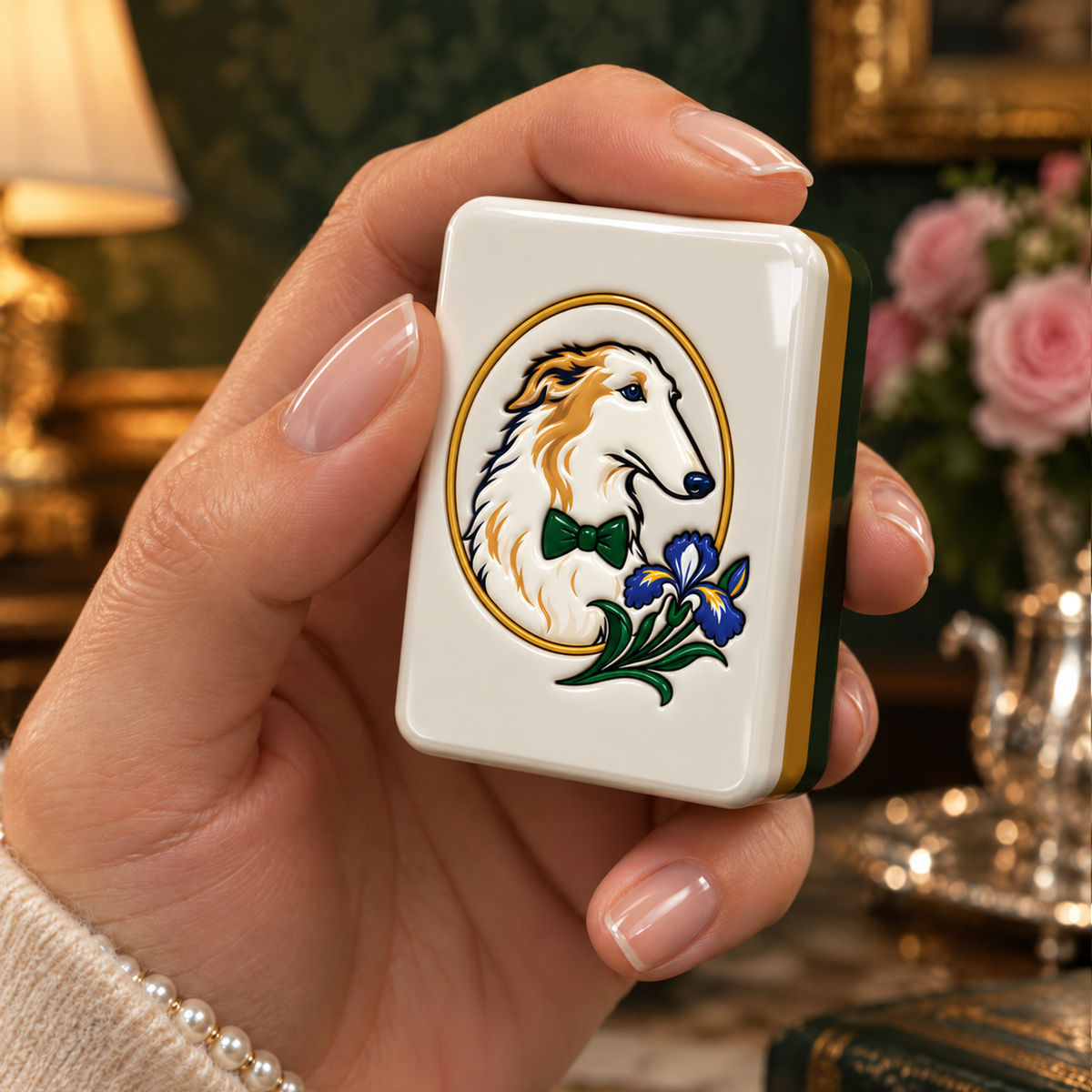
Chinese mahjong wins require four melds (groups of three or four identical tiles, or sequences 1-2-3 through 7-8-9) plus one pair. A meld is either a pung (three identical tiles), kong (four identical), or a chow (three consecutive tiles in the same suit). The hand must be "closed" (all melds hidden) or "open" (at least one meld exposed after a claim). Points depend on meld type, terminal tiles, honor tiles, and luck. Winning is called "mahjong" or "win." Chinese rules vary by region—Cantonese, Sichuan, Shanghai, and Riichi each score differently. Unlike American mahjong, Chinese variants allow chows (sequences) in exposed melds and let players claim discards to win mid-game, not just draw. A hand must total at least the minimum point threshold to win (often 1 point minimum, but house rules vary). Our best-selling mahjong sets work for both American and Chinese play—the tile count and suits are universal. 🀄 Shop best-selling mahjong sets →
What Are the Four Meld Types in Chinese Mahjong?
In Chinese mahjong, a legal hand must contain exactly four melds. A pung is three identical tiles (e.g., three 5 Dots). A kong is four identical tiles. A chow is three consecutive tiles in one suit only (e.g., 4 Bam, 5 Bam, 6 Bam)—chows cannot wrap around or mix suits. The final component is always a pair of identical tiles. Each regional variant scores these melds differently: a pung of terminals (1 or 9) or honors (winds and dragons) is worth more than a simple pung of mid-range tiles. Chows are typically worth zero points in most systems unless part of a special hand pattern. Kongs always earn higher points than pungs. A player cannot claim a discard if it would complete only a pair—you must claim to form a meld (pung, kong, or chow) or to win. Understanding meld hierarchy helps you spot winning patterns faster.

How Do Terminal and Honor Tiles Boost Your Score?
Terminal tiles are 1 and 9 of each suit; honor tiles are winds (North, East, South, West) and dragons (Red, Green, White). In most Chinese variants, a hand made entirely of terminals and honors is called "all terminals and honors" and scores very high—sometimes the maximum. A pung of honors scores more than a pung of mid-range Dots, Bams, or Craks. A dragon pair is more valuable than a flower pair or a simple number pair. The "pung of the round wind" (the wind assigned to the current round) and "pung of your seat wind" both earn bonus points. Hands with all four winds, all three dragons, or all four pungs of terminals are special completions worth significant bonuses. Beginners often overlook these point multipliers and underestimate hands heavy in honors. Learning your local variant's scoring sheet (available in rulebooks or online guides) is essential—every region weights terminals and honors differently. This is why we recommend keeping a scorecard or rules sheet beside your game.
What's the Difference Between Closed and Open Hands?
A closed hand has all four melds hidden in your rack until you declare "mahjong" (win). An open hand has one or more melds exposed on the table after you claimed a discard from another player. In most Chinese variants, a closed hand drawn from the wall scores higher than an open hand. A "fully concealed hand" (no discards claimed at all) earns a massive bonus. An open hand loses the closed-hand point multiplier but still wins and scores its meld and terminal/honor points. A player can only call a discard to form a meld or win; you cannot claim a tile just to improve your hand. If two or more players can claim the same discard (one to form a meld, one to win), the player claiming the win takes priority. Timing matters: if you claim a 7 Crak to complete a pung but another player can win with it, they win the hand. This mechanic—absent in American mahjong—makes Chinese variants faster and more interactive.
How Do Scoring Systems Differ Across Chinese Regions?
Cantonese (Hong Kong) mahjong uses a base point system with multipliers: a hand might be worth 2 to 8 base points, then multiplied by your bet or the winner's position. Sichuan mahjong often uses a simpler win/loss framework with modest point spreads. Shanghai mahjong awards points for specific patterns (seven pairs, all kongs, etc.). Riichi mahjong (Japanese) uses a formal "yaku" (pattern) list—similar to a hand card but fixed for all games—with no Charleston and strict dealer rotation. Taiwanese mahjong mixes elements of all above and is popular in overseas communities. Each system has minimum point thresholds; a low-scoring hand might not qualify as a win until it reaches that floor. Online tournaments specify which rule set applies before play begins. If you're learning a new variant, ask your group's veteran players to walk you through their local scoring sheet or buy a rulebook specific to your variant. Comparing American mahjong rules is a good start if you're switching from that style.
🎁 See our most-loved mahjong sets & accessories →

What Mistakes Do Beginners Make When Building Hands?
New players often try to hold tiles that "might" form melds, cluttering their hand and wasting time. A strong opener keeps only tiles that fit at least two possible melds. Beginners also forget that chows must be consecutive—they try to claim a 2 Bam when they hold 4 and 5 Bam, which is illegal. Another common error: claiming a discard too hastily. If you claim a tile to form a meld, your rack opens; if you could have drawn it yourself next turn, consider whether opening now is worth the lost closed-hand bonus. Many new players memorize hand patterns but forget to listen to the table—if three players have already drawn high Dots, a 9 Dot discard is probably safe. Holding onto "money hands" (high-scoring patterns) too long is risky; if another player goes out first, your points are zero. A practical checklist: before claiming, ask yourself: (1) Does this form a legal meld? (2) Is my new hand closer to winning? (3) Do I lose more by opening than I gain? Slowing down and using a mental pause before each claim cuts mistakes in half.
Comparison: Hand Types Across Three Popular Variants
Hand Pattern | Chinese (Cantonese) | Riichi (Japanese) | American |
Four pungs + pair | Legal; worth 1-2 points base | Yaku required; hand must match yearly card | Hand must match League card for year |
All terminals & honors | Maximum bonus; major win | Honorable hand (Chinitsu variant) | Must match card pattern exactly |
Chow-heavy hand | Legal; chows worth 0-1 point | Legal but often low-value | Illegal—no chows; pungs/kongs only |
Closed draw from wall | Highest multiplier (×2–4 usually) | Menzenchin bonus applied | Draw bonus if available on card |
Winning on someone's discard | Common; speeds play | Legal (Ron); counts as non-concealed | Legal in some clubs; rare in tournaments |
Minimum point to win | 1 point typical (varies by house) | Yaku must have ≥1 point value | Hand must be on current League card |
What to Check Before You Buy a Chinese Mahjong Set
Tile Material & Feel Chinese players traditionally prefer smooth, light bamboo or plastic tiles. If you're buying an acrylic set, ensure the tiles slide easily and don't stick when wet or humid—a mat with pushers helps. Check that tiles are clearly marked; older Chinese sets use more compact symbols, so confirm the font size matches your eyesight.
Tile Count & Spare Tiles Chinese standard is 136 tiles (four copies of 1–9 in three suits, four winds, three dragons, sometimes eight flowers). Some sets add extra jokers or blanks. Confirm the count before purchasing; a set labeled as "160 tiles" includes spares. For Chinese play specifically, ensure you have the exact count your variant requires—ask your group first.
Jokers (Usually Not Needed) Most Chinese variants do not use jokers; American sets include eight jokers as standard. If you buy an American-style set, set the jokers aside for Chinese play. Some regional variants (Sichuan) do use a joker substitute, so verify before play.
Rack & Mat Setup Chinese players often use bamboo racks or no rack at all, keeping tiles in hand. If you prefer racks with pushers, test the height and angle—some racks are too steep for comfortable play. A mahjong mat with clear grid lines helps organize discards and speeds up the wall draw.
Case & Portability If you travel to games, a sturdy bag or case with compartments keeps sets organized and protects tiles. Canvas or wooden cases are traditional and durable; nylon bags are lighter but offer less cushioning.
✨ Find your Mahstead set — free US shipping →

FAQ
Can I use an American mahjong set to play Chinese mahjong?
Yes. Both use the same suits (Dots, Bams, Craks), winds, and dragons. Set aside the eight American jokers—they're not used in most Chinese variants. The tile counts differ slightly (American is 152 tiles vs. Chinese standard 136), but the core tiles overlap perfectly.
What is the minimum score to win in Chinese mahjong?
It depends on your local ruleset. Cantonese typically requires at least 1 point minimum. Riichi has fixed yaku patterns, each with a point value. Ask your group or consult a regional rulebook before your first game. House rules override printed rules.
How do I know if a chow is legal?
A chow must be three consecutive tiles in the same suit only: 1-2-3 Bam, 7-8-9 Crak, etc. It cannot skip numbers (2-4-6 is illegal) or mix suits (1 Bam, 2 Crak, 3 Dot is illegal). If in doubt, state your tiles and let the table rule.
Is winning on someone's discard different from drawing my own?
Yes. In Chinese variants, claiming a discard to win (called "Ron" in Riichi) often scores less than drawing from the wall (concealed hand). American mahjong treats a drawn win the same. Check your variant's rules—this bonus or penalty changes hand strategy significantly.
What should I practice first: Cantonese, Riichi, or Taiwanese mahjong?
Start with whichever your local group plays. Cantonese is most common in North America; Riichi is popular among younger players and online communities. Taiwanese blends elements of both. Learning one variant well (memorizing patterns, scoring, meld priorities) transfers easily to others—the core logic is identical.


View More
View More
View More
