
Mahjong Party Ideas in Long Island: Host & Learn
Last updated: Nov 23, 2026
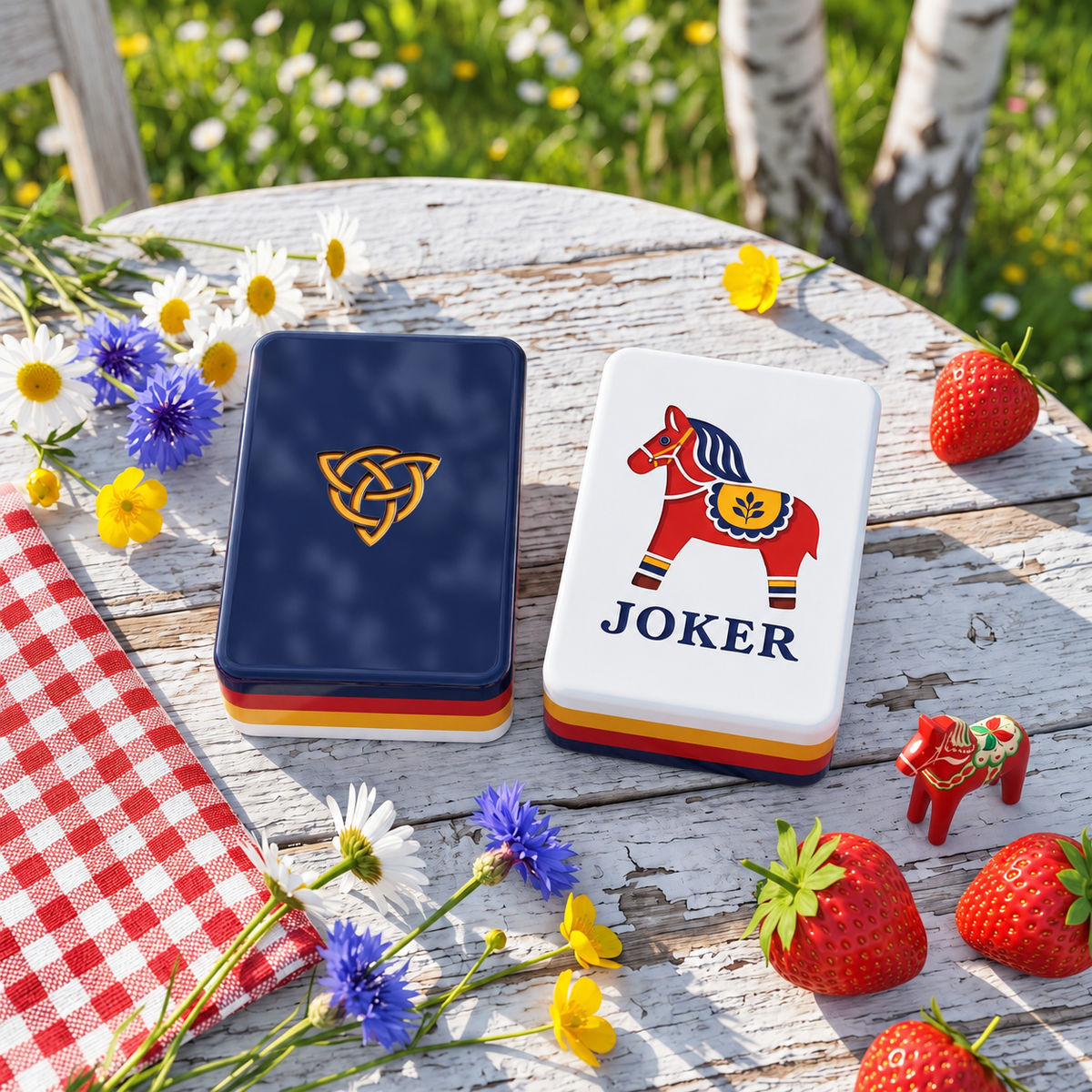
Long Island mahjong players gather at public libraries (check individual branch event calendars), YMCA community centers, synagogue social halls, and country clubs—search "[your town] community center mahjong" or ask at the reference desk. Most groups play American mahjong (the tile game played with a hand-drawn card updated yearly, never memorized patterns). To start a home game, you'll need a 152-tile set, a mat, four racks with pushers, and the current National Mah Jongg League card. Beginner lessons typically run 1–2 hours; open play sessions range from casual social (1–2 hours) to tournament-style (3+ hours). Long Island's temperate weather means year-round indoor play. Our best-selling mahjong sets are designed for home hosts who want durable, readable tiles and free US shipping.
Where do Long Island mahjong players actually meet?
Public libraries on Long Island—particularly in Nassau and Suffolk counties—host mahjong games weekly or monthly; call ahead or check the events page online. Community centers, YMCAs, and senior centers post schedules on their websites. Synagogues often sponsor Thursday or Sunday afternoon social games open to members and guests. Country clubs and private clubs typically require membership. Facebook groups and Meetup.com list casual games and tournaments. Start by calling your local library's community room coordinator or searching "[town name] + mahjong" on social media. Most groups welcome beginners but ask you to bring the current year's card or learn the basics first.
🀄 Shop best-selling mahjong sets →

What's the fastest way to learn before hosting?
Attend one open-play session at a library or community center before hosting; you'll see the rhythm, learn what the card looks like, and hear how players call hands. Watch someone shuffle, tile the wall, and execute the Charleston (the tile-trading step that happens before every hand). Ask to sit in as an observer for 20 minutes. Read how to play American mahjong so you understand pungs (three identical tiles), kongs (four), and how the card works. Many libraries offer short video tutorials or free lessons. Understanding the Charleston alone eliminates confusion at your first game. Most players appreciate a host who's played once or twice over one who's never touched a tile.
How should you set up a home mahjong party?
Gather four players, one table (preferably 36–42 inches square or larger), a mahjong mat to protect the surface and delineate each player's work zone, and four racks with pushers so tiles don't scatter across the table. Place the National Mah Jongg League card (the current year's version) face-up or give each player a copy. Stock water, snacks, and a notebook for scoring. Set the room temperature cool—tile handling generates warmth. Ensure even lighting over the table and minimal glare. If hosting regularly, invest in a mahjong bag or case so your set arrives ready and undamaged. Allow 10 minutes for the Charleston, 5–10 minutes per hand if players are learning, and 30 seconds once they're fluent. A casual party lasts 2 hours; competitive players may play 3–4 hours.
Setup Element | Purpose | Why It Matters |
Mahjong mat | Delineates zones, protects table | Players see where their wall ends; tiles don't slide onto the host's coat |
Racks with pushers | Hold tiles vertically | Reduces clutter, speeds up play, prevents accidental reveals |
Current year's card | Shows valid hands | Without it, every hand is a dispute |
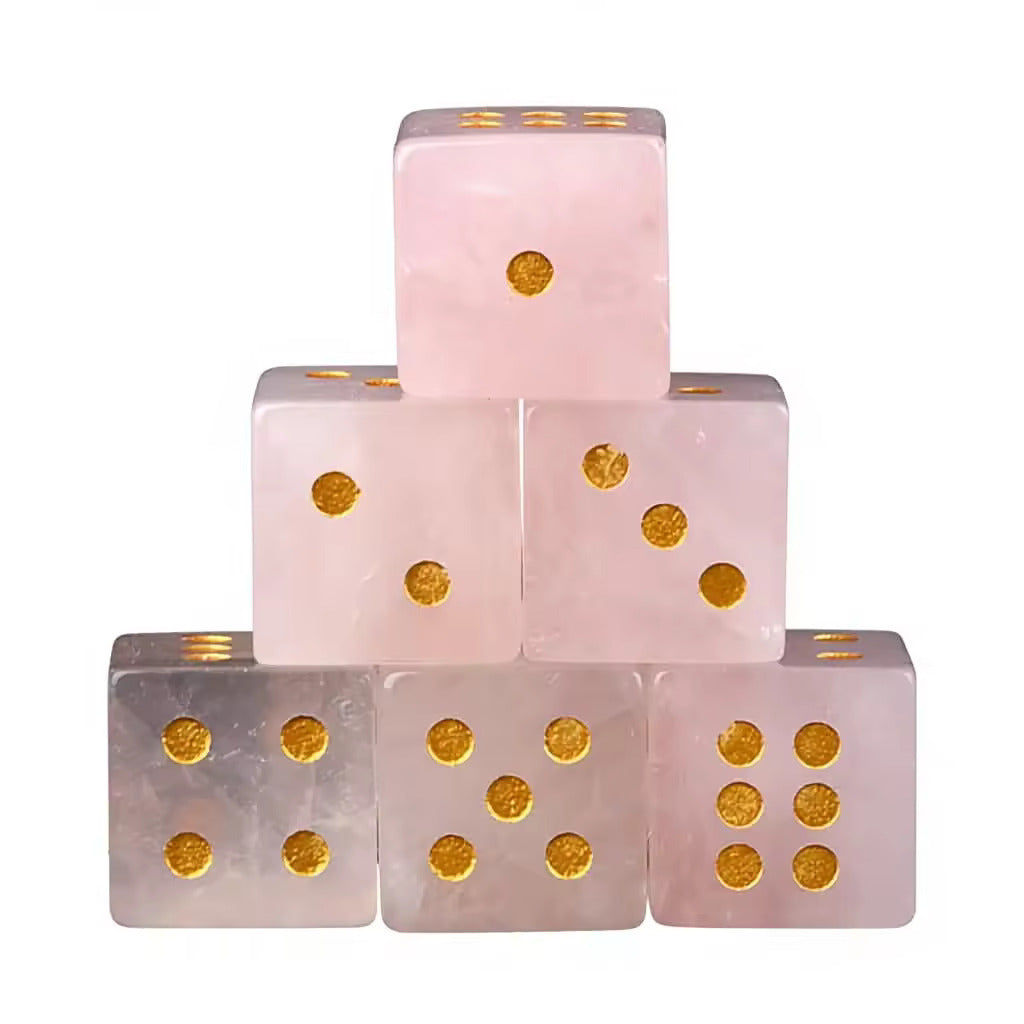
Dice | Determines who starts, wall position | Keeps order; public-facing randomness |
Notebook | Records score | Prevents arguments and helps track who's winning |
Comfortable seating | Four chairs around table | Bad backs and sore necks end parties early |
What equipment makes a first-time host look prepared?
Buy a best-selling acrylic American mahjong set with clear, large tiles (240-count acrylic sets are easier to read than bamboo under home lighting). Pair it with a mat so players immediately see this is a real setup, not a novelty. Include racks with pushers so no one fumbles with loose tiles. Print or display a card where everyone can see it. Have dice ready (included in many sets). A travel bag shows you care about the set; it also makes tidying up fast when the party ends. If you're hosting family or new friends, engraved sets with funny titles create instant humor and make the game feel like a real event, not a random Tuesday. These signals matter: they tell your players you've thought about their comfort and you take the game seriously.
✨ Find your Mahstead set — free US shipping →

How do you host returning players without them getting bored?
Rotate hosts every few weeks so the venue changes and the host's energy refreshes the group. Introduce variations: play a few hands with house rules (e.g., no jokers in the first hand) or invite players to suggest hand combos from the card. Celebrate small milestones (first wall wins, first year playing together). Host themed parties if the season fits—holiday-themed sets in December, birthday parties in summer. Keep snacks and drinks fresh; players talk about bad food longer than good play. Track streaks and friendly rivalries—some Long Island groups run mini-tournaments across two months with small prizes (coffee gift cards, bragging rights). Establish a regular day and time so players block their calendars. Switch up who sits in which direction (North, East, South, West) so no one feels locked into one seat. Most returning players stay because of the people and the ritual, not the setup—consistency beats novelty.
🎁 See our most-loved mahjong sets & accessories →
What common host mistakes should you avoid?
Don't assume all four players know the current year's card. Have extras printed. Don't wing the tile count—verify you have 152 tiles plus 8 jokers before guests arrive; a missing tile derails the game. Don't put the mat on a wobbly table—tile walls tumble. Don't skip the Charleston even if someone says "let's just play"—the Charleston is the heart of fair play. Don't let scoring disputes fester—confirm the hand value before moving to the next round using the card or a scoring reference. Don't host back-to-back games without break time—players fatigue fast and tile-reading errors multiply. Don't use tiles older than five years without testing them—worn tiles stick together and slow play. Don't rely on your phone for the card—screen glare wastes time; print a copy. Most returning players forgive setup hiccups but not rule chaos or sloppy play.
What to check before you buy
Tile readability: Hold tiles under your home lighting. Can you read the suit and number from arm's length? Acrylic tiles with printed characters usually beat bamboo in home settings.
Mat size: Measure your table. A mat should leave a few inches of clearance on all sides so racks don't overhang and crash.
Rack comfort: Test the pusher mechanism; smooth sliding beats stiff or loose. Tall racks (4+ inches) suit players with vision or dexterity concerns.
Bag durability: If you're hosting weekly, a reinforced bag or case prevents tile damage during transport. Check the stitching and handle thickness.
Card freshness: Buy the current year's National Mah Jongg League card every spring. Old cards are worthless once a new one prints.
Tile count verification: Count before the first game. Missing jokers or blanks mess up every hand afterward.
FAQ
Can I learn mahjong online and then host a party on Long Island?
Yes, but only after watching one real game in person. Online videos show hand structure and rules, but they can't teach the physical rhythm of shuffling, the Charleston, or how fast tiles move. Watch at a library for 30 minutes, then host. You'll feel much more confident.
Do Long Island mahjong groups charge a fee to join?
Library and community center games are free or charge a small donation (often $2–5). Senior centers sometimes waive fees for members. Private clubs and tournament events may charge per session or annual membership. Call ahead to ask.
What's the minimum number of players I need to host a mahjong party?
Four. American mahjong requires exactly four players. Fewer than four breaks the game. If you have two or three players, there are adapted rules, but they're not standard—most Long Island groups play four-player only.
Should I buy a mahjong set if I'm only hosting once?
No. Borrow a set from a friend or library if you're testing it. Only buy if you plan to host monthly or more. If you do buy, our best-selling sets have a long shelf life and free US shipping, so the cost spreads across many games.
How long does a typical mahjong game take?
One hand is 5–15 minutes depending on player skill. A social party is often 6–8 hands (1–2 hours). Competitive groups may play 10+ hands (2–3 hours). New players usually play 3–4 hands in their first session.
Can I host a mahjong party outdoors on Long Island in summer?
Technically yes, but tiles get hard to read in direct sun and wind scatters the wall. Screen your outdoor space from sun glare (an umbrella helps) and set up on a sheltered patio. Indoor is safer; outdoor mahjong is more novelty than play.
Where do I buy the current year's National Mah Jongg League card on Long Island?
Libraries carry free copies. Some game shops and bookstores stock them in spring. Order online if your area runs out. Don't buy old cards—they're useless once the new year's card issues.


View More
View More
View More
