
Mahjong Party Ideas in Las Vegas: Host Nights to Remember
Last updated: Nov 23, 2026
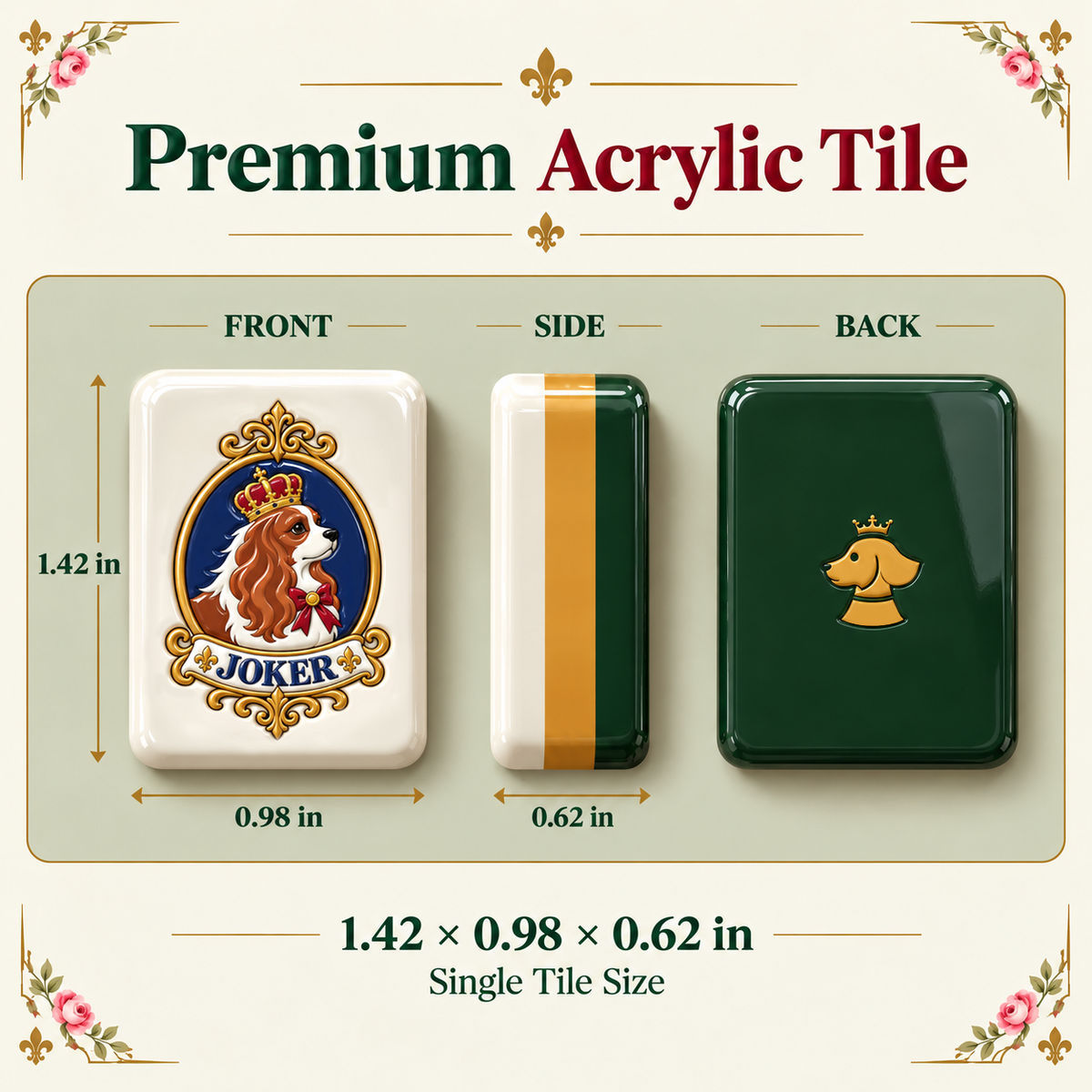
Hosting a mahjong party in Las Vegas works best when you pick a quiet venue (hotel suite, condo, or restaurant private room), gather four players with similar skill levels, and set up with a quality mat to keep tiles organized and walls fast. Plan for 2–3 hours of play, brief non-players on basic American mahjong rules, and use engraved or themed sets to spark conversation—locals appreciate a polished setup. Stock snacks, water, and a score sheet; many Vegas hosts run multiple rounds with rotating winners to keep energy high. Avoid tables smaller than 36 inches, missing jokers (which stall the game constantly), and mixing house rules mid-game. Mahstead acrylic sets travel well on flights and resists dust in dry desert air, making them ideal for Vegas weekends.
Where do Las Vegas players host mahjong parties?
Most Vegas mahjong gatherings happen in three venues: hotel suites with a dining table, rental condos in residential neighborhoods (easier parking than the Strip), or private dining rooms at upscale dim sum restaurants and country clubs. Hotel rooms work if you've reserved a suite with a solid table at least 36 inches square—the cocktail table in a standard room is too small and wobbly. Residential rentals give you more control over noise, timing, and repeat bookings; many locals rent a one-bedroom for 4–6 people rather than a hotel for a single night. A few country clubs in the valley allow non-members to reserve private event space if you book through a member or pay a guest fee. Restaurants with mahjong-friendly ownership (ask your local Chinese community center or library for referrals) may reserve a table, though you'll need to order drinks or appetizers. Avoid casinos' main floors—noise, surveillance, and time pressure make leisure play miserable.

What time of year brings the best mahjong energy in Vegas?
October through April is peak season: visitors fly in to escape colder climates, locals host indoors to avoid heat, and major holidays spark multi-day gathering weekends. Thanksgiving, Christmas, and New Year's week draw regional players who book suites weeks ahead and run tournaments-style games with a master score sheet. Summer (June–August) sees light turnout because day heat keeps people indoors during air conditioning hours, and evening outdoor events compete with pool time. Spring (March–May) and early fall (September) are sweet spots—warm but not scorching, many newcomers arrive, and fewer conflicts with family plans. If you're hosting, book your space 3–4 weeks early in peak season; confirm guest count by the week before so you know whether to prepare for a 4-player standard game or a 5–6-person rotating format. Weather-wise, Vegas is dry year-round, which is actually ideal for acrylic tiles and cloth mats—no humidity damage to wood or paper racks.
🀄 Shop best-selling mahjong sets →
How do you set up a mahjong table for maximum ease and speed?
A professional Vegas table setup follows this checklist:
Tile wall: Use a mat with a grid or a dedicated mat designed to hold walls in place, not a bare wood table. Acrylic tiles slide faster on cloth, reducing fumbles.
Player seating: North (dealer), East, South, West—mark seats with cards or cups so rotations are automatic after each hand. Each player sits 90° apart, tiles stacked 2-high within arm's reach.
Rack position: Place racks with pushers directly in front of each player's belly, not the table edge. Pushers should rest flat so tile-drawing doesn't collapse the rack.
Lighting: One overhead light + one angled desk lamp on the dealer's side. Shadows hide tile dots and create frustration fast.
Score sheet: Laminated or on a tablet, centered where all four can see it without craning.
Discard row: Use a small tray or grid marked on the mat so discards don't scatter. Vegas hosts often set a "no talking after the wall breaks" rule to keep focus.
Jokers and spare tiles: Keep one set in a labeled cup, spares in a drawer. Never leave spares on the table.
Speed picks up after the first hand once everyone settles rhythm. Set a 10-minute hand-setup buffer for the first round, then 4–5 minutes per hand once tiles flow.
What flavor should your party theme have?
Theme drives energy and gives non-players a reason to watch or join. Here are proven Vegas party angles:
Theme | Vibe | Tile Choice | Why It Works |
Classics Only | Serious, traditional | No distraction, fast play, suits experienced groups. | |
Engraved Names/Inside Jokes | Personal, bonding | Players laugh, non-players ask questions, breaks tension. | |
Holiday Celebration | Festive, gifty | Christmas-themed sets if in season; color-coordinated mats | Perfect for Thanksgiving/NYE Vegas weekends; creates photo moment. |
New vs. Returners | Teaching energy | Mix of new arrival sets + printed card copies at each seat | Beginners feel included, veterans show off knowledge, energy stays high. |
A themed mat that matches your tile aesthetic ties the whole table together. Many Vegas hosts choose one bright mat color and stick with it across multiple parties so guests recognize the "house game" and show up reliably.
🎁 See our most-loved mahjong sets & accessories →

How do you manage rules and pacing so nobody gets frustrated?
The biggest Vegas party mistake is mixed rules mid-game. Decide before tiles hit the table:
House rules freeze the moment the first hand starts. Write them on a card: joker usage (fixed number or limit?), whether wall breaks are reshuffled or stand, time limits per hand (best: no limit for first two rounds, then 6 minutes from wall-break to pung call).
Print or display the card rule all night. Have a laminated National Mah Jongg League card or photo copy at each seat (updated for the current year). Vegas hosts often tape a reference sheet under each player's rack so they can check hands quietly without asking.
Enforce the "consult, don't coach" rule. Non-players or waiting players can watch but cannot suggest plays. This keeps ego out of losses and speeds decision-making.
Break every 90 minutes. Even serious Vegas groups pause for water, snacks, and score tallying. Breaks reset frustration and let people stretch.
Use a timer for the first hand only. Once rhythm flows, drop it. Most hands play 5–7 minutes once players know each other's pace.
Most Vegas parties see 4–6 hands per 2-hour session. If you have 5 or 6 players, rotate one out each hand or run two parallel tables.
What's the actual checklist before guests arrive?
Use this to avoid last-minute scrambles:
1 week before: Confirm venue, guest count, and skill mix (all beginners, mix, all advanced?). Alert players to bring a light snack or drink to share.
3 days before: Order or confirm your tile set is present. Check joker count (should be 8) and wash tiles if dusty. Test racks for loose pushers.
1 day before: Reserve mat, buy or print score sheet, set up lighting. Clear table to 36 × 36 inches minimum, no clutter within arm's reach.
2 hours before: Lay mat, position racks, print two copies of the current year's mahjong card, place one laminated copy at each seat. Set up snack/water station out of tile-reach. Brief any newcomers on basic flow (no chows, jokers only in melds, discards go to center).
30 minutes before: Shuffle and wall the 152 tiles + 8 jokers. Verify all four wind tiles are present. Check that everyone can see the score sheet and mat grid.
Honestly, the single most common Vegas party hiccup is missing jokers—they get left in a bag, or one is cracked and set aside, dropping you to 7. Count aloud: "Eight jokers in play?" before the first wall break every time.
What to check before you buy
Acrylic tiles resist dust and heat: Vegas indoor air is dry, but dust settles fast. Mahstead's acrylic sets wipe clean in seconds and stack predictably on mats.
Travel bags for flight: If you're flying a set from Texas to Vegas, a padded bag with handles keeps tiles organized and prevents airport baggage damage.
Mat size matches table: A 24 × 24 mat is too small for four; 36 × 36 is the minimum. Measure your host table or rental before ordering.
Spares matter: A 160-tile set includes spare jokers and blanks. Keep them in a labeled cup, away from play tiles.
✨ Find your Mahstead set — free US shipping →
Why acrylic sets work better than wood or plastic in Vegas
Acrylic tiles are lighter, quieter, and faster to shuffle than wood. Vegas hosts appreciate that they don't warp in dry air or fade under bright lamps. They stack without clicking or echoing, so conversation flows. Plastic tiles can warp under sunlight near windows, and wood can splinter if dropped—both are distracting mid-game. Mahstead sets ship flat and ready to wall; no seasoning or oiling needed like vintage sets. Many Vegas repeat hosts keep one Mahstead set permanently in the rental condo, switching between themes or colors season to season.
For beginners learning the game, acrylic also teaches faster—clarity on each tile face means no squinting, so attention stays on strategy and hand-reading rather than tile identification.

FAQ
How many players does a Vegas mahjong party need?
Four players is standard American mahjong. If you have 5–6 people, rotate one out each hand (they keep score or handle dealer duties), or run two parallel tables if space and tiles allow. Solo or two-player formats exist but rarely host Vegas parties.
Can beginners join a Vegas mahjong party comfortably?
Yes, if you brief them beforehand. Skip the Charleston for the first hand, walk through one complete hand, then play. Pairing a beginner with an experienced player as a "coach" helps. Many Vegas hosts dedicate the first session to teaching, with easier hands and no score pressure.
What's the difference between American and Chinese mahjong for Vegas parties?
American uses a current-year card, no chows (sequences), exactly 152 tiles, and jokers as wild. Chinese allows sequences, runs by discards/calls, and plays all year without a card. Americans typically play American rules in Vegas, but some groups mix—agree before the first wall breaks.
How much time should I budget for a Vegas mahjong party?
Plan 2–3 hours for setup, 4 hands, and cleanup. One hand averages 5–7 minutes once rhythm settles. Add 30 minutes for teaching if anyone is brand-new.
Can I host a mahjong party in a Vegas hotel room without disturbing neighbors?
Acrylic tiles are quiet; the main noise is talking and laughter. Avoid late nights (after 10 p.m.) and choose a suite or corner room away from shared walls. Private dining rooms at restaurants or condos are safer bets for all-night play.
Should I provide snacks and drinks, or ask guests to bring them?
Both work. Many Vegas hosts ask each guest to bring one item (drinks, chips, fruit) to spread cost. Keep water and snacks away from the table; spilled liquids on acrylic tiles dry fast but ruin cloth mats. Use a side table or cart. --- 👇 Explore engraved sets & holiday themes →


View More
View More
View More
