
What Does the 2 Dot Tile Look Like in Mahjong?
Last updated: Nov 23, 2026
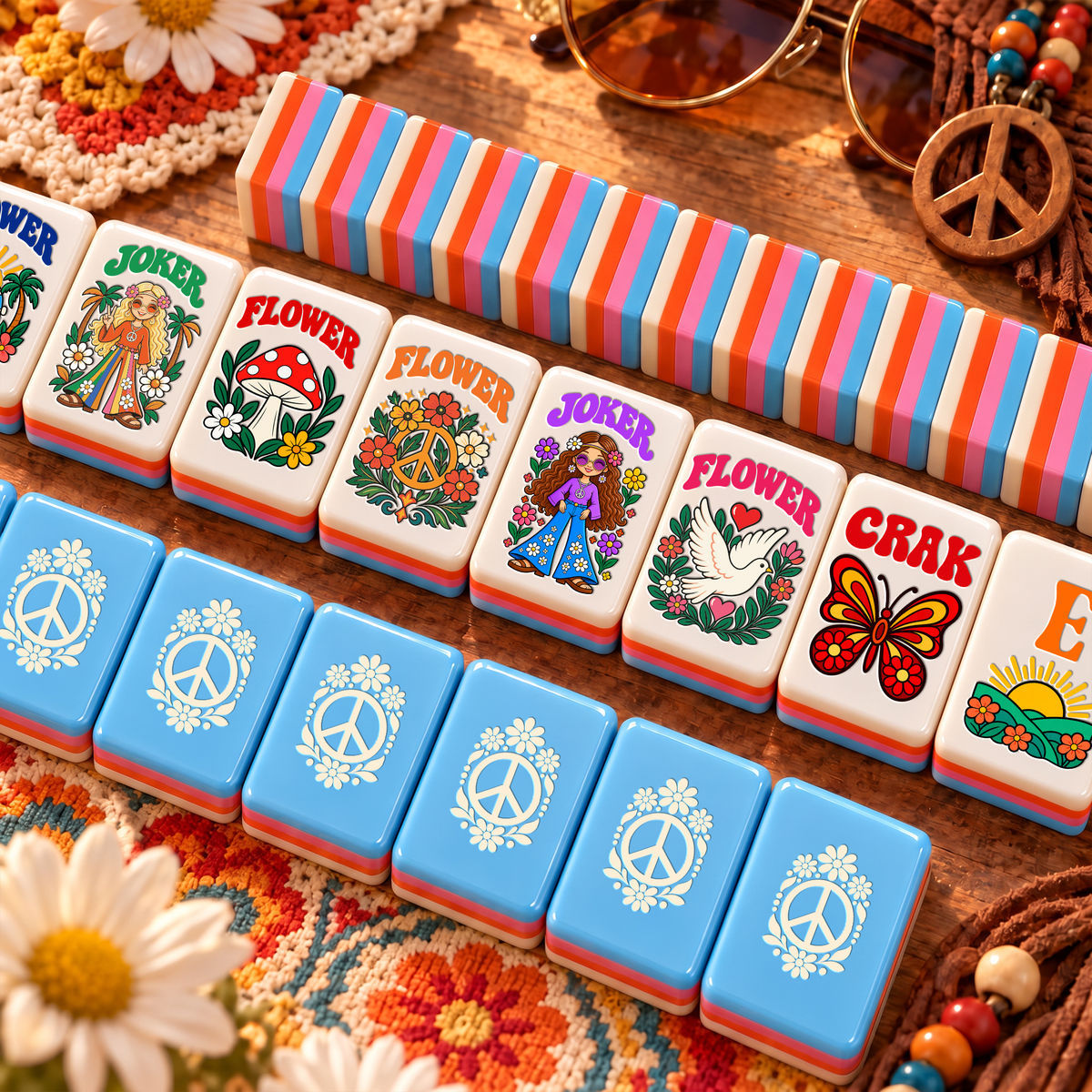
The 2 Dot tile shows two small circular dots arranged vertically or in a scattered pattern on its face, depending on the design and manufacturer. In what's in an American mahjong set, there are four identical 2 Dot tiles in a standard 152-tile American game. The Dot suit (also called bamboo) runs from 1 to 9, with the 1 Dot showing a bird or plum blossom—a historical Chinese symbol—while 2–9 Dots show simple, clear dot arrangements. Clarity is critical: you need to read tiles from arm's length during play, so engraved acrylic tiles with deep etching or color-filled designs beat flat printing. When you're selecting a best-selling mahjong set, check that the Dot suit contrasts sharply against the tile background so the 2 Dot is never mistaken for 1 or 3. 🀄 Shop best-selling mahjong sets →
How does the 2 Dot tile rank in the American mahjong set?
The 2 Dot is one of 108 numbered suit tiles in American mahjong—part of a 152-tile total that also includes winds, dragons, flowers, and jokers. The Dot suit contains 36 tiles: four copies each of 1–9. The 2 Dot ranks third numerically after 1 Dot and is lower than 3–9 Dots. During play, Dot tiles appear frequently in sequences on the National Mah Jongg League card, so recognizing the 2 Dot instantly keeps your game smooth and prevents costly errors when calling hands or deciding discards.

What does the 2 Dot look like compared to 1 Dot and 3 Dot?
The 1 Dot features a single bird, plum blossom, or decorative symbol—not a simple dot—making it unmistakable. The 2 Dot shows two small circles. The 3 Dot displays three circles in a vertical or triangular cluster. Beginners often confuse Dots when tiles are face-down or at an angle, so high-contrast engraved designs prevent miscalls. In American sets sold as engraved acrylic, etching depth and color fill (if added) make the 2 Dot visibly distinct from neighbors. If you're buying for a new player or group, prioritize sets where every numbered tile is clearly readable from four feet away.
How do the three suits—Bam, Crak, and Dot—differ visually?
Each suit has its own symbol family: Bam tiles show bamboo stalks (1 Bam is a bird; 2–9 show stalk clusters). Crak tiles display coins or wheels (1 Crak is a warrior or character; 2–9 show coin or wheel arrangements). Dot tiles show circles or pearls (1 Dot is a bird; 2–9 show dot clusters). In quality acrylic sets, each suit has a distinct color or shading: traditional red for Crak, green for Bam, and white or cream for Dot—though modern designs may vary. The 2 Dot's appearance is always circles on a Dot background, never bamboo or coin imagery. When learning, many players assign one suit per color to build pattern memory faster.
Suit | Symbol type | 1 tile | 2–9 tiles | Typical color |
Bam (bamboo) | Stalks | Bird or stalk | Stalk clusters | Green |
Crak (crack/coin) | Coins or wheels | Warrior/character | Coin or wheel groups | Red |
Dot (pearl/bamboo) | Circles | Bird or blossom | Dot clusters | White/cream |
The 2 Dot is always a circle design and always belongs to the Dot family.

What design features make the 2 Dot tile easy to read?
Engraved acrylic tiles outperform bamboo or bone for readability because etching creates a tactile edge that catches light. Deep grooves around the 2 Dot's circles prevent ink from smudging and make the tile legible even in dim lighting or when held at an angle. Color-filled engravings (where recesses are filled with contrasting paint) boost clarity further. Tiles printed flat on plastic wear quickly and fade, making Dots hard to distinguish mid-session. When you inspect a new set, run your fingernail across the 2 Dot: you should feel the carved indent. Hold it sideways under a lamp; the dots should remain crisp and obvious. Poor-quality sets blur Dots into shadows, especially once tiles age from table friction.
Why does tile clarity matter when playing American mahjong?
American mahjong moves fast: you draw, read your tile instantly, and decide whether to keep it or discard. If you must squint at the 2 Dot or guess whether it's a 2 or 3, you slow the game and risk calling a wrong hand. Misreading a single tile can cost points or invalidate a win. Experienced players develop speed by recognizing suit symbols and numbers at a glance. New players rely on crystal-clear designs to build that recognition without frustration. Hosting a weekly game means your tiles will be shuffled, stacked, and read hundreds of times per season. Acrylic tiles with engraved suit symbols outlast alternatives by years and stay legible under heavy use. Investing in a durable set with sharp 2 Dot definition keeps your group focused on strategy, not squinting.
🎁 See our most-loved mahjong sets & accessories →
What should you check before buying a mahjong set with clear Dot tiles?
Before purchasing, examine the tile samples or product photos closely: look for obvious 2 Dot circles that contrast against the background. Read reviews from players, not just dealers—they'll mention readability issues or fading. Verify the set is acrylic or carved bone, not printed plastic. Confirm the set is a full 160-tile American set (152 playing tiles plus spares), not a compact or travel variant. If buying for an established game group, ask one experienced player to inspect a sample tile in person if possible. Check that all four copies of the 2 Dot are identical in appearance and weight. Request photos of the Dot suit in daylight if shopping online. Test the tiles under the exact lighting you'll use at the table—dim living rooms or bright patios demand different tile finishes.
✨ Find your Mahstead set — free US shipping →
Many players hosting regular games choose our engraved American mahjong sets because the etched designs are durable and stay readable after hundreds of plays. If you're building a complete setup, pair your set with a quality mahjong mat that provides contrast underfoot—bright mats highlight lighter Dot tiles, while darker mats make all suits pop. For players who travel between game venues, a travel bag or case protects your tiles from chips and fading. And if you're new to the game, read how to play American mahjong to understand where the 2 Dot fits into actual hand patterns and strategy.

FAQ
Is the 2 Dot tile the same in Chinese mahjong as American mahjong?
No. Chinese mahjong uses bamboo symbols instead of numbered dots, and the tile hierarchy differs. American mahjong uses a dedicated Dot suit with simple numeric indicators. The 2 Dot in American mahjong is always a circle design; Chinese mahjong has no equivalent "2 Dot" tile—it has bamboo, coin, and character suits instead.
How many 2 Dot tiles are in a standard American mahjong set?
Four. Every American mahjong set contains exactly four identical copies of each numbered tile (1–9 in all three suits), totaling 108 suit tiles. The 2 Dot is one of those four copies per suit per set, meaning four 2 Dot tiles in play.
Can I use the 2 Dot tile in a pair or a single-tile win?
No. In American mahjong, you cannot win on a single Dot tile or use it alone as a pair (unless the card specifically requires a pair of a certain rank). The 2 Dot must be part of a pung (three identical tiles), kong (four identical), quint (five), or sextet (six), or it must appear in a specific pattern on that year's National Mah Jongg League card. Check the current card before assuming any tile combination is valid.
What should I do if my 2 Dot tile looks faded or unclear after a year of play?
Replace that tile if possible. Contact the set manufacturer or retailer to order a replacement tile. Alternatively, if the entire set is worn, consider upgrading to a new set with deeper engraving or color-filled designs that resist fading longer. Acrylic tiles with UV-resistant finishes hold clarity better than bamboo or bone in high-traffic games.
How do I teach a beginner to spot the 2 Dot tile instantly?
Show them the contrast: the 1 Dot is a bird or symbol (completely different), the 2 Dot is two circles, the 3 Dot is three. Have them sort a shuffled pile of Dots by number—muscle memory builds fast. Use a well-lit table and tiles with deep engraving. Play one practice hand where they only focus on reading Dot tiles. Once they distinguish 2 from 1 and 3, the rest of the suit clicks quickly.


View More
View More
View More
