
Mahjong Party Ideas in Baltimore: Hosting & Hosting Tips
Last updated: Nov 23, 2026
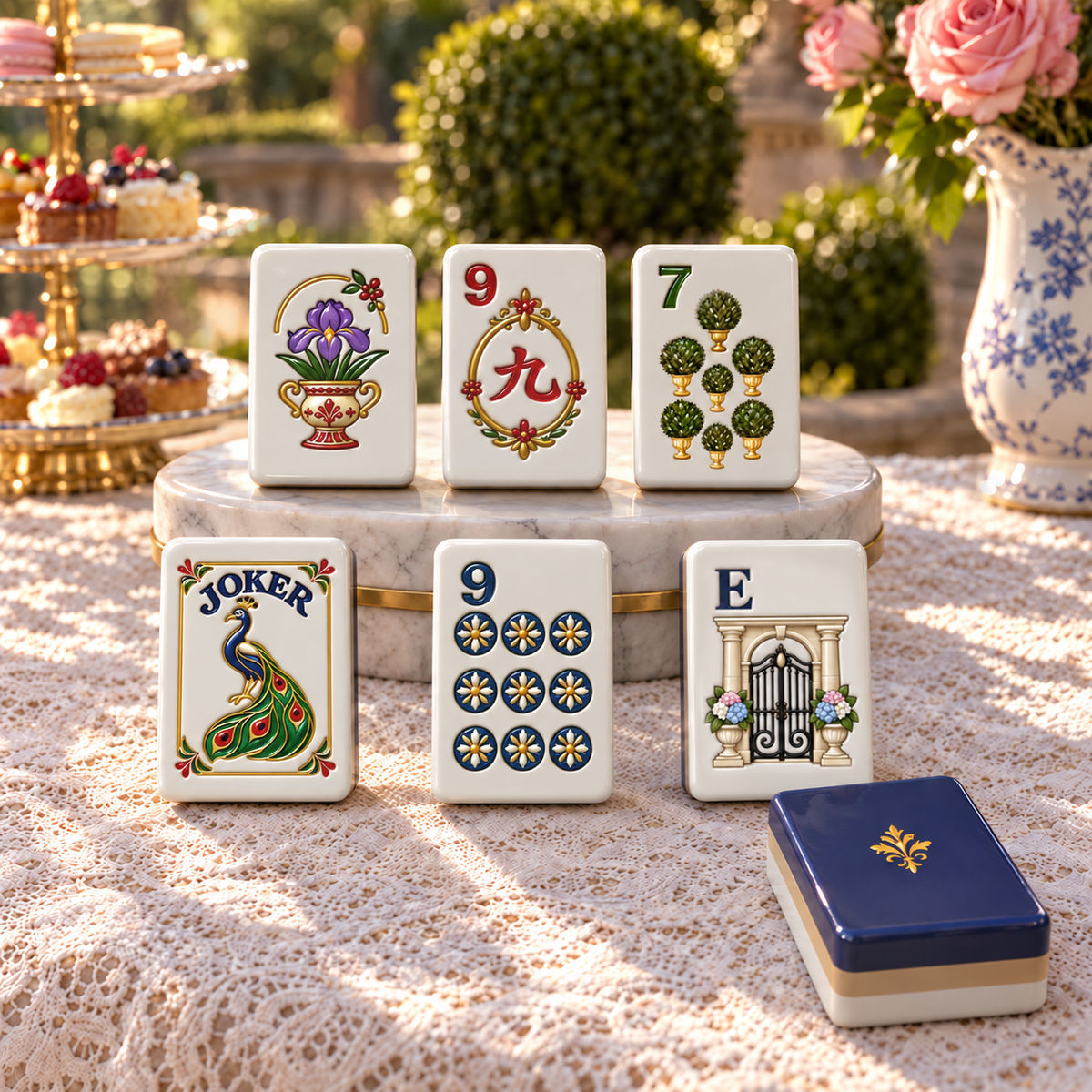
Baltimore hosts weekly and monthly mahjong groups through community centers, libraries, synagogues, country clubs, and online meetup boards—search local event calendars or ask at rec departments to find established circles. To throw your own party, gather 4 players, learn how to play American mahjong and the Charleston passing ritual, and set up a mat with a complete set of 152 tiles plus racks. Plan for 2–3 hours, prepare snacks and a scorepad, and pull the current year's National Mah Jongg League card so everyone plays from the same hand list. A typical four-person game costs almost nothing beyond the initial set purchase—most players bring their own or split one high-quality set among a regular group.
You're thinking of hosting your first mahjong night in Baltimore, but the setup and rules feel overwhelming. Here's how to throw a party that keeps people coming back, whether they're seasoned players or curious newcomers.
What's the first step to find Baltimore players to join a party?
Search your library system's event calendar, ask your local community center or rec department about open mahjong nights, check bulletin boards at synagogues and country clubs, or post on neighborhood meetup apps and Facebook groups. Many Baltimore players gather weekly in living rooms, so word-of-mouth within your circle is often fastest. Attend one public game first if you're unsure—you'll meet regulars who know the social scene and can point you to groups that match your skill level and schedule.

How do I explain the rules to newcomers without overwhelming them?
Start with one fundamental rule: American mahjong is always played with 4 players, always from the current year's card, and always requires a hand to match the card exactly—no freestyle hands. Show newcomers one simple hand pattern from the card (e.g., three matching tiles, called a pung, plus other combinations), then explain that the Charleston is just a fun tile-passing ritual that takes 2 minutes. Spend the first 15 minutes on setup, not theory. Once they hold their rack and start drawing tiles, the rhythm becomes intuitive. Keep the current year's card visible and remind everyone that confusion is normal—every table has a phone-friendly version or printed copy on hand.
What equipment do I actually need to host, and where's the cost?
You need: one complete American mahjong set (152 tiles including flowers, winds, dragons, and Bams/Craks/Dots), four racks, one mat, one scorepad, and optionally dice and a timer. The set is the only major purchase; most groups reuse it weekly for years. A best-selling mahjong set from Mahstead ships free across the US and includes acrylic tiles that last through hundreds of games. Racks and mahjong mats are one-time investments—a mat protects your table and keeps tiles visible. For recurring parties, players often split the cost or one host buys once and keeps the set at their home. Scorepad and dice are minimal expenses; many groups use paper and phone apps instead.
Item | Who provides it | Why it matters | One-time or recurring |
Set (152 tiles) | Host buys once | Without it, no game happens | One-time |
Racks (4) | Host or players bring | Holds tiles upright so no one sees your hand | One-time |
Mat | Host | Protects table, keeps tiles from sliding | One-time |
Scorepad & pencil | Host or player | Tracks points; pen and paper work fine | Recurring (wear out) |
Dice | Optional | For rolling to determine seat order | One-time |
Current year's card | Everyone has one | Rules the game; printed or phone app | Recurring (new each spring) |

How should I set up the table and timing for a smooth night?
Arrange four chairs around a table large enough for a mat (36 by 36 inches works well). Place the mat in the center and put the rack for each player on the near edge so they face inward. Put the tile wall (undealt tiles) in the middle of the mat and leave space for a discard area where players lay tiles face-up as they're played. Have the scorepad, current-year card, and dice within easy reach of whoever is tracking points. Plan 2.5 to 3 hours for a four-game session (each game is 20–45 minutes depending on pace). Start with snacks and introductions, then begin—momentum builds once the first hand ends, and newer players relax after they see how a full round plays out.
What's a realistic checklist to use the day of the party?
Prepare your checklist the week before, then check items on the day:
One week prior: Invite guests, confirm the date and time, download or print the current year's National Mah Jongg League card, and check that your set has all 152 tiles (count them—lost tiles kill a party).
Two days before: Clean the table, test your mat for stains or tears, and confirm racks are clean and move smoothly.
Day of: Wipe tiles, arrange chairs, set up the mat, lay out a scorepad with pencils, place the card where all can see it, and have dice nearby.
One hour before: Put out snacks and drinks, test the lighting (you need to see tiles clearly), and set a phone timer.
Game time: Shuffle tiles, seat players (use dice to roll for positions), explain the Charleston once, then begin.
🀄 Shop best-selling mahjong sets →
Common hosting mistakes—and how to avoid them
Forgetting to count the set beforehand. A missing tile (especially a joker or dragon) ruins a game mid-play. Count the 152 tiles and 8 jokers when you first open the set, and spot-check monthly if you host weekly. Mahstead sets arrive complete, so this is a one-time task.
Using last year's card. The National Mah Jongg League releases a new card every spring with different hand patterns. Playing an old card confuses everyone. Download the current card free from the League website or keep a printed copy in your mahjong bag or case.
Mixing up which suits are which. Bams have a bamboo look, Craks are wheels or circles, Dots are simple spots. If you're unsure, print a photo of the suits and tape it to the mat frame—after one game, everyone's visual memory kicks in.
Seating newcomers next to a competitive veteran. Pair beginners with patient mid-level players so they don't feel rushed. Experienced players naturally pace themselves around quieter tablemates.
Underestimating timing. First games take longer because players hunt the card. Budget 45 minutes for game one, then 25–30 for subsequent hands once the rhythm settles.
What to check before you buy or set up
Tile count: Confirm 152 tiles (no blanks in the playing set) plus extras for spares. If your set has fewer, it's incomplete.
Mat size: Ensure it fits your table—36×36 inches is standard. Measure before ordering.
Lighting: You must see tile faces clearly from across the table. Move under a lamp if natural light is dim.
Racks: Test that they hold 13–14 tiles and don't tip. Worn plastic racks can warp; replacements are inexpensive.
Card year: Pull the current year's card; old cards mean hands won't match and the game breaks down.
🎁 See our most-loved mahjong sets & accessories →
Once you've hosted two or three parties, you'll refine your rhythm. You'll know which players love speed rounds, which prefer leisurely games, and how to seed tables so everyone has fun. Many Baltimore hosts end up buying a second set so they can run two tables at once or always have a backup. If your crowd grows, invest in engraved sets with custom titles or Christmas mahjong sets if your parties fall during the holidays—people love the personal touch and often contribute to keep a house set at your home.
Hosting a mahjong party in Baltimore is less about perfection and more about creating a space where four people gather, learn or replay a ritual that's thousands of years old, and leave richer than they arrived—in laughter, strategy, and friendship. Start small, keep your checklist, and the party handles itself.
✨ Find your Mahstead set — free US shipping →

FAQ
Where in Baltimore can I find an existing mahjong group if I don't want to host alone?
Check your local library and community center event calendars, ask at synagogues or country clubs, and browse neighborhood Facebook groups or meetup apps. Many groups meet weekly in members' homes; once you attend one public session, locals will point you toward circles that match your availability and skill level.
Do all four players need to bring their own set, or does one person host the set?
One host typically owns and brings the set. Most Baltimore groups rotate hosting or one player keeps the set at their home permanently. Sharing a single set is standard and keeps costs low; each player just brings a scorepad, snacks, and the current year's card.
How long does a typical mahjong party last in real time?
Plan 2.5 to 3 hours total: about 20 minutes for setup and introductions, then 20–45 minutes per game (depending on player pace and experience). Beginners' first games run longer; subsequent hands move faster. Most groups play 3–4 hands per session.
What if a newcomer doesn't know the rules—should I teach them before the party starts?
Teach basics 15 minutes in, not before. Explain the Charleston ritual, show them a hand pattern from the card, and let them hold their rack for one game—hands-on learning sticks better than theory. Have the card visible and remind them confusion is normal. Experienced players at the table help quietly as play unfolds.
Can I host a mahjong party with fewer than four players?
American mahjong is strictly a four-player game as printed. Two- and three-player variants exist but require rule changes and are rarely played in Baltimore's mainstream circles; stick to four for your first parties so everyone can follow the same card and rules.
What's the actual cost of hosting a mahjong party weekly or monthly?
The set and racks are one-time purchases; after that, hosting costs almost nothing. Snacks are your only variable expense. Many groups split the initial set cost or rotate who buys it. Per the Mahstead product lineup, investing in durable acrylic tiles means your set lasts for years of weekly play without replacement.


View More
View More
View More
