
Mahjong Opening Hand Strategy Mistakes to Avoid
Last updated: Nov 23, 2026
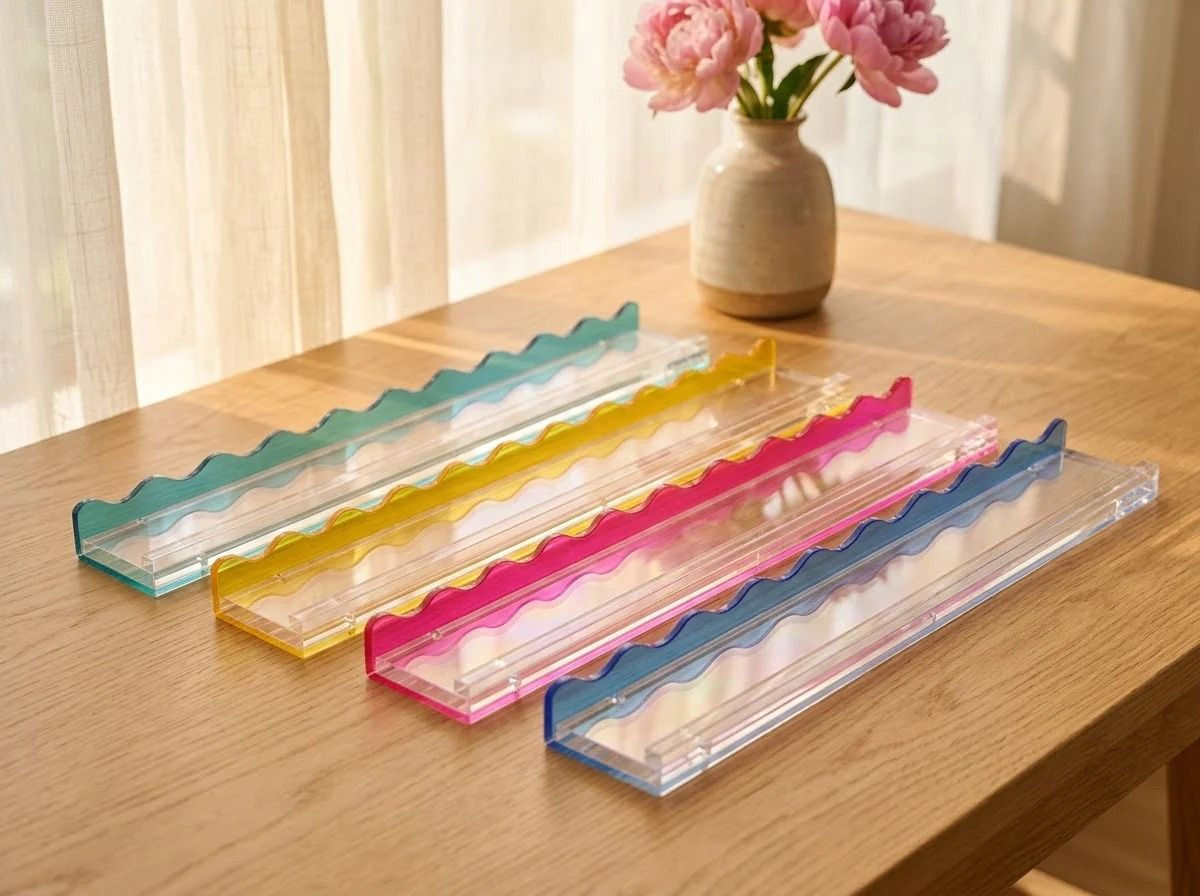
The most damaging opening mistake is holding unmatched tiles hoping they'll connect later. American mahjong hands come only from the current year's National Mah Jongg League card—you cannot build sequences (chows) by pairing consecutive numbers like 1-2-3. After the Charleston, successful players immediately ask: "Does every tile I'm holding appear on this year's card in a hand I could reasonably complete?" Holding three 5 Dots plus two 6 Dots hoping to hit a 4 Dot wastes precious real estate. Instead, identify the 2–3 card patterns where your strongest exposures (pungs, kongs, quints) already exist, then hold tiles that directly support those patterns. Keep jokers for pairs only—never single tiles. Most beginners fail because they draft defensively rather than committed. Playing with a custom mahjong mat lets you organize your hand visibly during the opening phase, reducing this confusion before it costs a win.
The opening hand determines everything. American mahjong hands come only from the current year's National Mah Jongg League card—you cannot build sequences (chows) by pairing consecutive numbers like 1-2-3. After the Charleston, successful players immediately ask: "Does every tile I'm holding appear on this year's card in a hand I could reasonably complete?" Holding three 5 Dots plus two 6 Dots hoping to hit a 4 Dot wastes precious real estate. Instead, identify the 2–3 card patterns where your strongest exposures (pungs, kongs, quints) already exist, then hold tiles that directly support those patterns. Keep jokers for pairs only—never single tiles. Most beginners fail because they draft defensively rather than committed.
Why does everyone grab matching numbers without checking the card?
New players see three 2 Bams and two 3 Bams post-Charleston and think "close enough—I'll draw a 4." This logic fails because American mahjong requires exact card matches. Those tiles may never appear together on this year's card in a completable hand. Spending twelve draws chasing a pattern that doesn't exist is how you end up with a dead hand. Always pull the card out immediately after Charleston ends and locate hands where your existing tiles appear. If you hold three 2 Bams but the card only shows 2 Bams paired with winds or flowers you don't have, discard that pung immediately. Most winning tables have one player who keeps the card visible during the game—ask if that player is yours, or bring your own reference copy to practice sessions.
How do you know when to keep a pair versus hold singles?
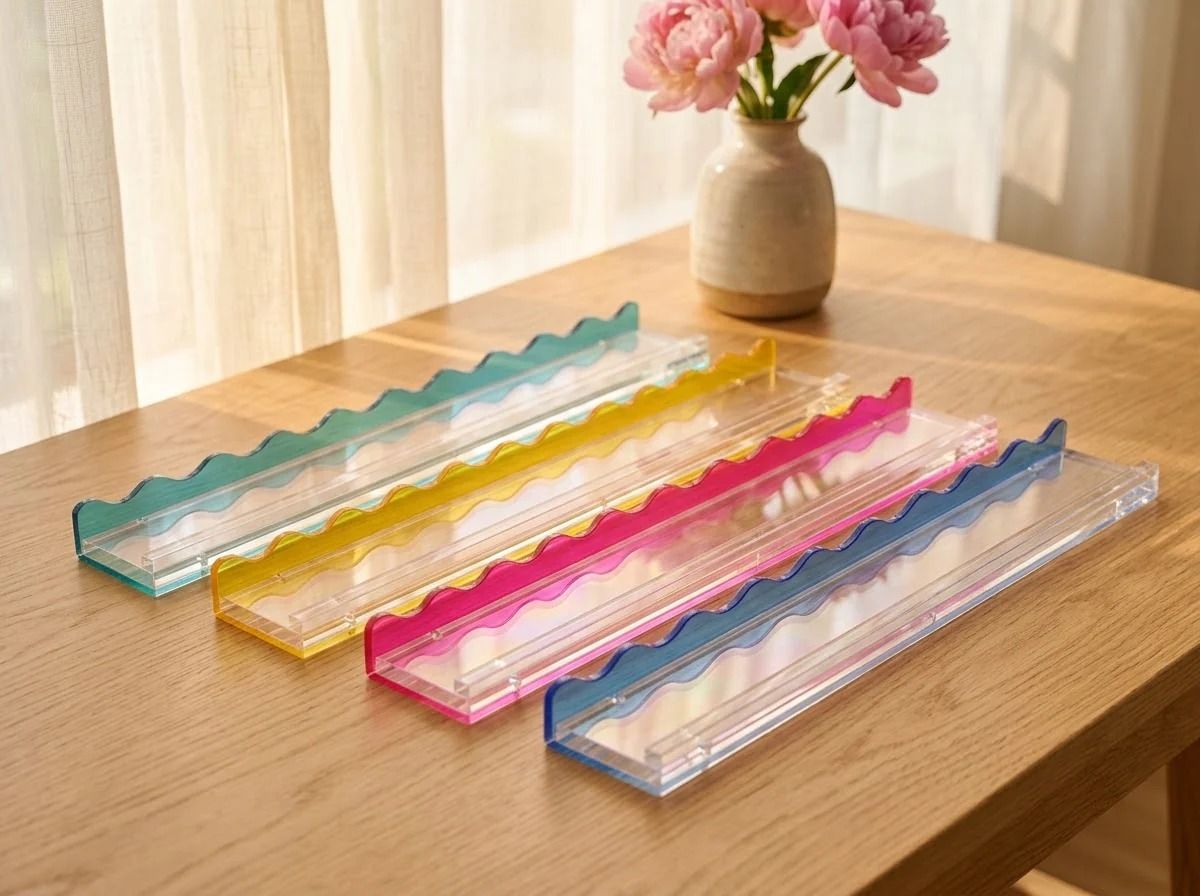
Jokers can only fill pairs, not single tiles. This rule trips up beginners constantly. If you're holding two matching tiles (pair-ready), a joker becomes your third copy—powerful. If you hold two different tiles hoping a joker completes them, the joker sits useless. Count your pairs after Charleston: if you have zero pairs, your early game is fragile. If you have two or more pairs already, you're in control because jokers instantly complete options. The card shows hands with one, two, or three pairs; hands with zero pairs are rare. Before you discard your first tile, count pairs aloud—it takes three seconds and prevents tile wasting. Players with organized mahjong racks with pushers naturally perform this count better because each suit and pair sits in its own zone.
What's the real cost of holding tiles outside the card?
Holding three consecutive numbers you "hope connect" costs board position and draws. In American mahjong, sequences (chows) don't exist—your hand must match a specific card pattern. Every draw cycle, players discard tiles opponents need. If your hand is scattered, you'll discard something valuable to someone else's live hand. Committed players—those holding tiles that do appear together on the card in their target patterns—recognize opponent discards instantly and call them. Scattered hands miss calls, miss windows, and run out of draws. The mathematical cost: a scattered hand loses roughly one live call per four rounds. Over a session, that's the difference between winner and low score. Check the card three times in your first five discards. If your tiles aren't there, ruthlessly dump them.
Why do experienced players discard one suit completely early?
Strong opening strategy involves sacrificing one full suit to build certainty in the other two. If you hold 3 Craks, 4 Craks, and a Crak pung (three matching Craks), but your card doesn't show any Crak hands, discard every Crak before turn four. This frees mental space and prevents accidents. Conversely, if you have three different patterns involving Bams and Dots, keep both suits and dump Craks fast. New players try to hold "insurance"—one tile from every suit—because they fear missing options. This fails because American mahjong rewards commitment, not breadth. Pick your two strongest suits early, identify 2–3 patterns on the card where both suits appear, then execute that focus ruthlessly.
How does the hand-building order prevent opening errors?
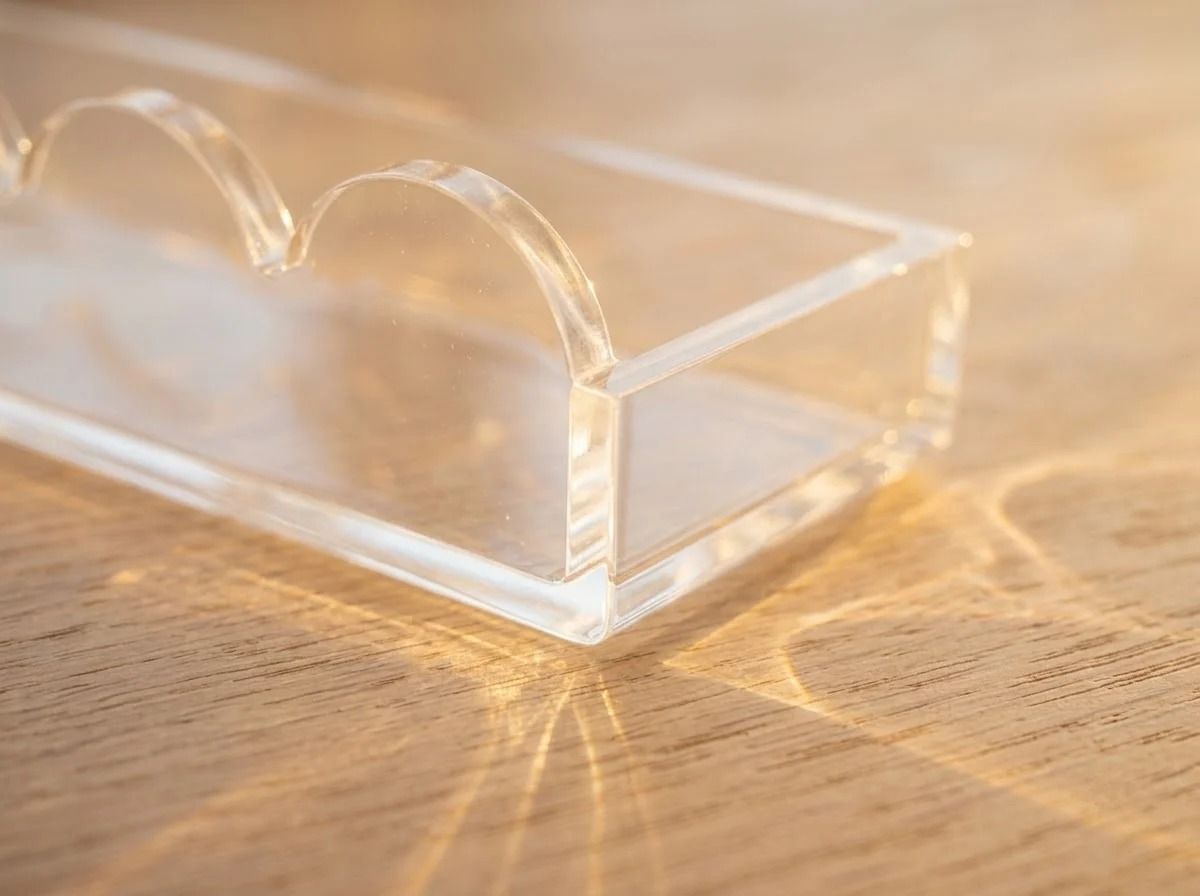
Successful players follow this sequence after the Charleston ends: (1) Pull the card. (2) Identify all hands containing your strongest exposures—pairs, pungs, kongs already in your tiles. (3) Mark or note 2–3 target hands. (4) Verify the card shows your weaker tiles only in those patterns. (5) Discard everything outside those patterns by turn three. (6) From turn four onward, adjust based on live calls and draws. This discipline eliminates opening drift. Beginners reverse the order—they discard randomly, then hunt the card, then lose time. The first five turns are when dead hands die; the opening order decides it. Write this sequence on a sticky note taped to your mat if needed. Concrete example: You hold 4-5-6 Bams (three singles), two Winds, a Crak pung, and jokers. Card check: Do any hands show 4-5-6 Bams together? If yes, keep them. If no, discard all three by turn two and focus entirely on Craks and your Winds instead.
🀄 Shop best-selling mahjong sets →
Mistake | Why it happens | Cost to opening hand | Fix |
Holding 1-2-3 hoping for sequences | No chows exist in American mahjong | Dead hand, missed calls, loss | Check the card for exact pattern matches only |
Using jokers on single tiles | Jokers only complete pairs | Wastes joker for mid-game | Save jokers for pairs; discard singles |
Keeping tiles outside this year's card | Chasing imaginary patterns | Wasted 3-4 draws, board falls behind | Verify every tile on the card by turn two |
"Insurance" hold (one of each suit) | Fear of missing options | Scattered hand, reduced call recognition | Commit to two suits, dump the third by turn three |
Discarding before reading the card | Reactive instead of strategic | Early board loss, late adjustment | Read card immediately post-Charleston |
How do you recover if you realize your opening was wrong?
If by turn four you see your tiles don't form a card pattern, switch commitment immediately. Discard everything from the dead pursuit and pick a new 2–3 pattern from your remaining tiles and the card. This salvages the hand better than hoping. The cost is one or two lost turns—acceptable. Refusing to reset after a bad opening costs five or six turns and guarantees a low score. Watch for opponent patterns too: if someone discards a long suit early, they committed to something else. Don't discard into their strength.
What to check before you buy
Card access: Do you own a copy of this year's National Mah Jongg League card? Laminated versions prevent tears and keep it visible during play.
Hand organization: Are your tiles sorted by suit and number visibly? A mahjong mat with marked sections lets you see pairs and groups at a glance, cutting opening errors in half.
Player count: Are you playing with a consistent group of three or four? Opening strategy shifts slightly with player count; confirm house rules before adopting these tactics.
Set quality: Worn or misread tiles create confusion during the crucial first turns. High-quality acrylic sets from Mahstead stay readable across 100+ games and ship free.
🎁 See our most-loved mahjong sets & accessories →
Opening hand strategy lives or dies in the first four turns. The players who master this phase don't panic—they read the card, commit to patterns on it, dump everything else, and stay flexible. Every beginner loses games to opening confusion; every experienced player remembers the moment they stopped making these five mistakes. Your next session starts with the Charleston. Before your first discard, write down the three patterns you're targeting from the card and stick to them. That discipline alone lifts your opening win rate measurably.
For deeper rules clarity, review how to play American mahjong and how to read the mahjong card. Both articles ground opening strategy in the full rule set.
✨ Find your Mahstead set — free US shipping →

FAQ
Can I hold tiles that aren't on the card and hope they show up next year?
No. You must complete a hand from this year's card only. Tiles outside current patterns are dead weight. Discard them immediately.
What if I have no pairs after the Charleston?
You're in a weak position, but not lost. Identify pungs or patterns with your singles, commit to those, and expect to draw at least two pairs by turn five. This is why the Charleston pass matters—aggressive players aim for one pair minimum before play begins.
Should I ever hold three consecutive numbers like 7-8-9 Dots?
Only if those numbers appear together on the card in a hand pattern. Check first. If 7-8-9 Dots don't form a real hand option on this year's card, they're wasted space—discard them.
How many tiles should I have "committed" to by turn three?
At least half your hand (seven or more tiles) should fit into 2–3 target patterns from the card. If fewer than half connect, reset your strategy before turn four.
Do I need to show my tiles during opening play?
No. Keep them hidden until you call (expose a pung, kong, or quint). However, organized sorting helps you see your own patterns clearly and avoid opening errors.


View More
View More
View More
