
How to Clean Urea Mahjong Tiles: Step-by-Step
Last updated: Nov 23, 2026
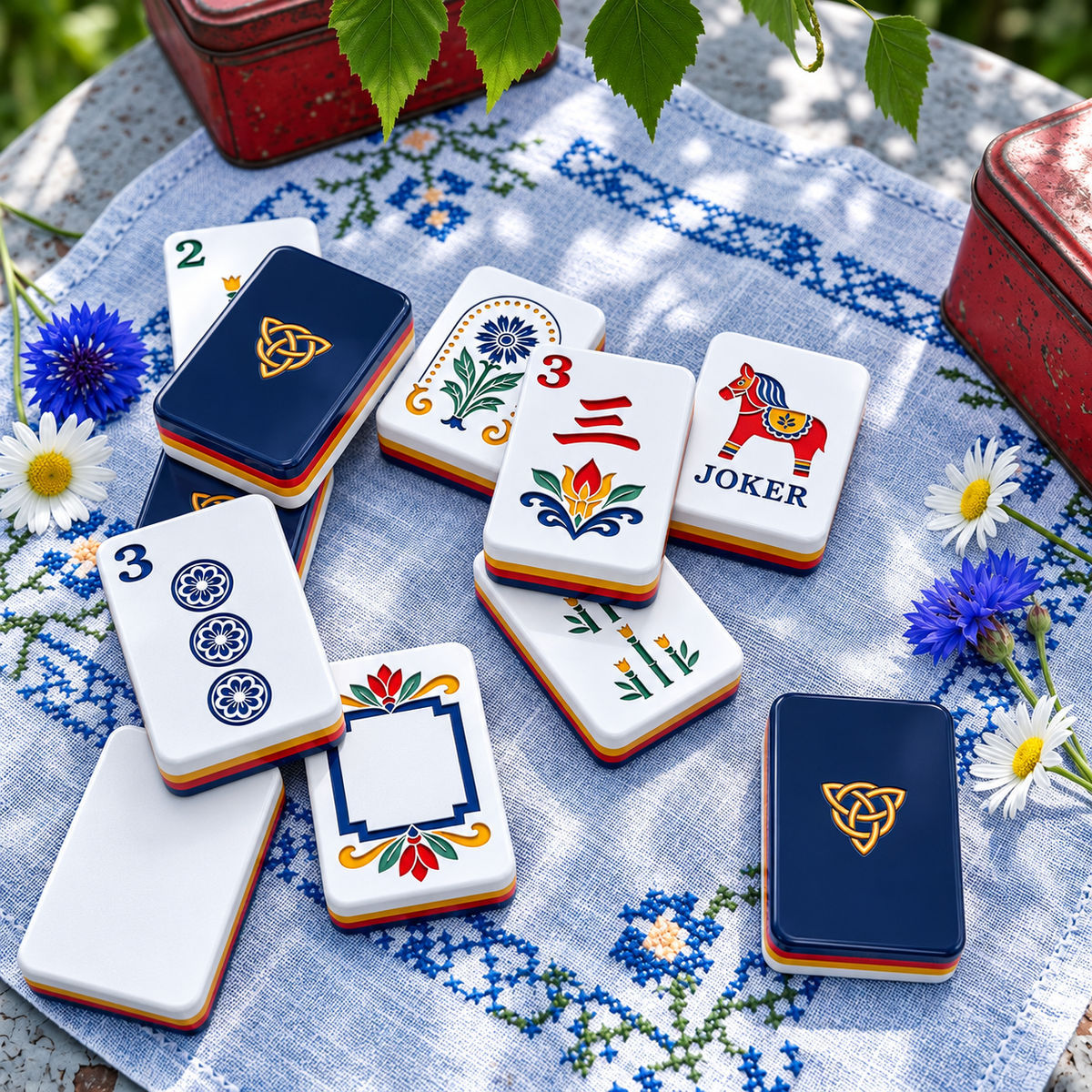
Urea mahjong tiles should be cleaned with a soft, lint-free cloth slightly dampened with distilled water—never submerge them or use harsh chemicals, which can degrade the material and blur engraved designs. Wipe gently in the direction of any inlay, then dry immediately with a second cloth. For stuck residue (dust, food oil), use a barely damp microfiber cloth; stubborn marks yield to a drop of mild dish soap in warm water on the cloth only—never on the tile. Do this monthly or after heavy play. Avoid hot water, acetone, bleach, and stacking wet tiles. Store tiles flat in a protective case or bag to prevent dust and staining between games. If engraved art fades or tiles become pitted after years of use, that's normal wear; replacement tiles from the same manufacturer match better than a full new set. Mahstead's acrylic sets skip this worry—acrylic resists staining and never needs chemical cleaning.
Urea mahjong tiles are beautiful and built to last, but they're porous enough to hold dust, oils, and spills if not handled right. After hosting weekly games for years, we've learned what keeps tiles looking sharp and what ruins them fast. This guide covers the method, the mistakes, and when to call it maintenance versus upgrade.
Why do urea tiles need special care?
Urea—a resin material common in mid-range and vintage American mahjong sets—is softer and more absorbent than acrylic or bone. It stains easily, scratches if you use abrasive cleaners, and can discolor if exposed to prolonged heat or direct sunlight. Engraved designs (inlaid paint or carved details) are especially vulnerable to harsh chemicals, which dissolve the color fill and blur text. The material itself isn't fragile, but the finish is. Treat urea tiles like good wood furniture: gentle, dry, and dust-free storage wins.

What's the safest way to wipe them down?
Use distilled water on a soft, lint-free cloth—microfiber works best—and wring the cloth nearly dry before touching tiles. Wipe each tile gently, following the grain or the direction of any engraved line, then immediately dry with a second clean cloth. Never let water sit on a tile or pool in the inlay. For stubborn spots (oil from snack hands, dust buildup), add one tiny drop of mild dish soap (unscented) to warm distilled water, dampen the cloth, wipe the problem tile only, and dry at once. Do a full gentle wipe of the entire set once a month during regular play season, and after any spill. The whole process takes 10–15 minutes for a full set if you're not rushing.
What mistakes ruin urea tiles fastest?
Never submerge tiles in water—even for "a quick soak"—because urea absorbs moisture and can warp, swell, or stain from the inside out. Avoid hot water (over 110°F/43°C), which softens the resin and fades inlaid paint. Never use bleach, acetone, window cleaner, or furniture polish; these dissolve or corrode the finish. Don't stack wet tiles, don't rub with paper towels (they scratch), and don't store tiles in plastic bags without airflow—moisture and odor get trapped. High heat and direct sunlight cause yellowing and fading over time, so keep your set in a cool, dark place (a closet shelf, not a windowsill or next to a radiator). Many of us learned this the hard way: one player's enthusiastic cleaning with Windex turned a hand-painted inlay cloudy in minutes.

When should you replace worn tiles?
Urea tiles wear visibly after 5–10 years of weekly play: engraving fades, small scratches multiply, and surface gloss dulls. Minor cosmetic wear is normal and doesn't affect gameplay. But if a tile becomes chipped, deeply pitted, or the engraving is illegible, you'll want to replace it. Many manufacturers sell spare tiles or small replacement packs; order from the original maker if the set is identifiable by imprint. A single replacement tile costs far less than a new set and matches the original color and weight much better than a substitute from a different brand. If more than 10 tiles are damaged or you can't identify the manufacturer, it's time for a new set. When that day comes, consider switching to acrylic tiles from our best-selling mahjong sets—they don't stain, never need chemical cleaning, and the engraved designs stay sharp for decades.
How do you store urea tiles between games?
Keep tiles in a protective mahjong bag or case that shields them from dust, moisture, and temperature swings. Lay tiles flat—never standing on edge—so weight distributes evenly and warping is less likely. If you use a soft bag, add a thin cloth barrier between the tiles and the bag fabric to reduce color transfer or fabric dust settling on the surface. Store in a cool, dry place (50–75°F/10–24°C ideal). Avoid basements (dampness), attics (heat), or garages (temperature swings). Keep the set away from pets, sunlight, and high-humidity areas like kitchens or bathrooms. A bedroom closet or game room shelf is ideal. Check tiles before each game for dust or debris; a quick 30-second wipe with a dry microfiber cloth before play keeps them looking fresh and prevents you from playing with gritty surfaces that scratch racks and hands.
Cleaning Method Comparison
Situation | Cloth Type | Liquid | Action | Dry Time | Risk |
Dust & light marks | Microfiber | Distilled water (damp) | Gentle wipe, direction of grain | Immediate | None if wrung dry |
Oil or spill residue | Microfiber | 1 drop dish soap + warm distilled water | Wipe problem tile only | 2 min | Streaking if not dried fast |
Stubborn stain | Cotton (lint-free) | Distilled water only, re-dampen as needed | Light circular motion on spot | Immediate | Color fade if scrubbed hard |
Engraved inlay dirty | Microfiber | Distilled water (barely damp) | Wipe along engraved lines, not across | Immediate | Paint blur if soaked |
🀄 Shop best-selling mahjong sets →
What to check before you buy replacement sets or parts
If your urea tiles are aging but still playable, check the manufacturer's mark on the bottom of a tile (often a logo or country code) to identify the brand, then search online or contact the maker for spare tile packs—this is the cheapest, quickest refresh. If no mark exists or the manufacturer is defunct, a full replacement set is your next option. Before buying new tiles, verify they're standard American mahjong (152 playing tiles plus spares, 160-tile sets). Check whether your group plays the current year's hand card (2026 NMJL card required for league-sanctioned games). If you're shopping for a beginner set or hosting gift games, consider switching to acrylic—no cleaning hassle, decades of life, and engraved designs on Mahstead sets stay legible forever. Compare material durability, engraving quality, and your budget, then read reviews from active players, not just decorators.
🎁 See our most-loved mahjong sets & accessories →
For serious players, urea tiles are worth the gentle care—they feel substantial in hand and age beautifully if you stay consistent with cleaning and storage. But if you're tired of maintenance, acrylic is the no-fuss alternative. Either way, a few minutes of preventive care after each game beats scrambling to save a stained or dusty set months later.
✨ Find your Mahstead set — free US shipping →

FAQ
Can I use a dishwasher to clean mahjong tiles?
No. Dishwashers use hot water, high pressure, and harsh detergents that degrade urea, blur inlays, and can crack tiles. Hand wipe only.
What if my tile gets water-stained or discolored?
If the stain is surface-level, a gentle damp wipe may fade it. If it's absorbed into the tile (darker spot that won't come off), the damage is internal and permanent—that tile is a candidate for replacement.
How often should I clean my set if I don't play weekly?
Once before the season starts and once after the season ends. Light dust wipe every few months if stored long-term. Urea absorbs odors, so airing out sealed bags helps.
Is vinegar or lemon juice safe for stubborn stains?
No. Both are acidic and can etch or discolor urea over time. Stick to mild dish soap and distilled water only.
Should I seal or polish urea tiles?
No commercial sealant or polish is safe for inlaid or engraved urea tiles—they clog the design and build up a cloudy film. Keep them natural and dry.
Can I restore faded engraving?
Professional re-inking is possible but expensive and rarely worth it for a home set. Fading is part of aging; it doesn't affect play. If illegibility bothers you, buy a replacement set.


View More
View More
View More
