
Mahjong Open Play in Virginia Beach: Where to Play & Join Games
Last updated: Nov 23, 2026
Open play mahjong in Virginia Beach happens primarily through community recreation programs, local libraries, and informal player groups that meet weekly or biweekly. The Virginia Beach Parks & Recreation department offers classes and casual play sessions—check their current schedule online. Public libraries, especially those in the central and oceanfront areas, often host or advertise mahjong meetups. Informal games also gather at country clubs, synagogues, and senior centers; ask at your local community center bulletin board or search active Meetup boards for "mahjong Virginia Beach." Most open play uses American mahjong rules (152 tiles, hand cards from the current National Mah Jongg League), plays four players per table, and games last 1–2 hours. Bring a set if you host; if joining, hosts typically provide tiles. Expect a mix of beginner-friendly and experienced tables.
Open play means casual, drop-in games where players of mixed skill levels gather weekly without formal entry fees or tournament pressure. In Virginia Beach, this happens in community spaces where mahjong has steady local interest. Whether you're a complete beginner or returning player, knowing where to look and what to expect makes your first session less nerve-wracking.
Where do open play games meet in Virginia Beach?
Community recreation centers run the most consistent weekly sessions. Virginia Beach Parks & Recreation operates multiple branches across the city; visit their website, search "mahjong" in the activity finder, or call your nearest regional center directly. Classes typically list session times and whether drop-in play follows. Public libraries—especially the main branch and larger neighborhood locations—post game schedules on community bulletin boards or their events page; librarians can point you to active mahjong groups. Country clubs, synagogues, and senior centers (including the three major senior community centers in the city) host private or semi-public games; call ahead to ask if visitors are welcome. Search Meetup or Eventbrite for "mahjong Virginia Beach" to find ad-hoc player groups; these often post weekly table times and welcome newcomers.

What are the rules for open play games?
Open play in Virginia Beach almost always follows American mahjong rules, which differ sharply from Chinese or Hong Kong variants. American mahjong uses exactly 152 tiles (three numbered suits—Bams, Craks, Dots—plus winds, dragons, flowers, and jokers) and hands come only from the current year's National Mah Jongg League card issued each spring. The game requires four players, one Charleston (tile-passing ritual before play begins), and each hand is called by exposing pungs, kongs, or other winning melds on the card. Jokers can fill gaps in melds but never stand alone or form a pair. Hands reset after each win; games typically play eight rounds. Learn the full American rules before you arrive so you're not lost mid-game. If a group plays a different variant (rare in Virginia Beach), they'll tell you upfront—ask when you contact them.
What should you bring to open play?
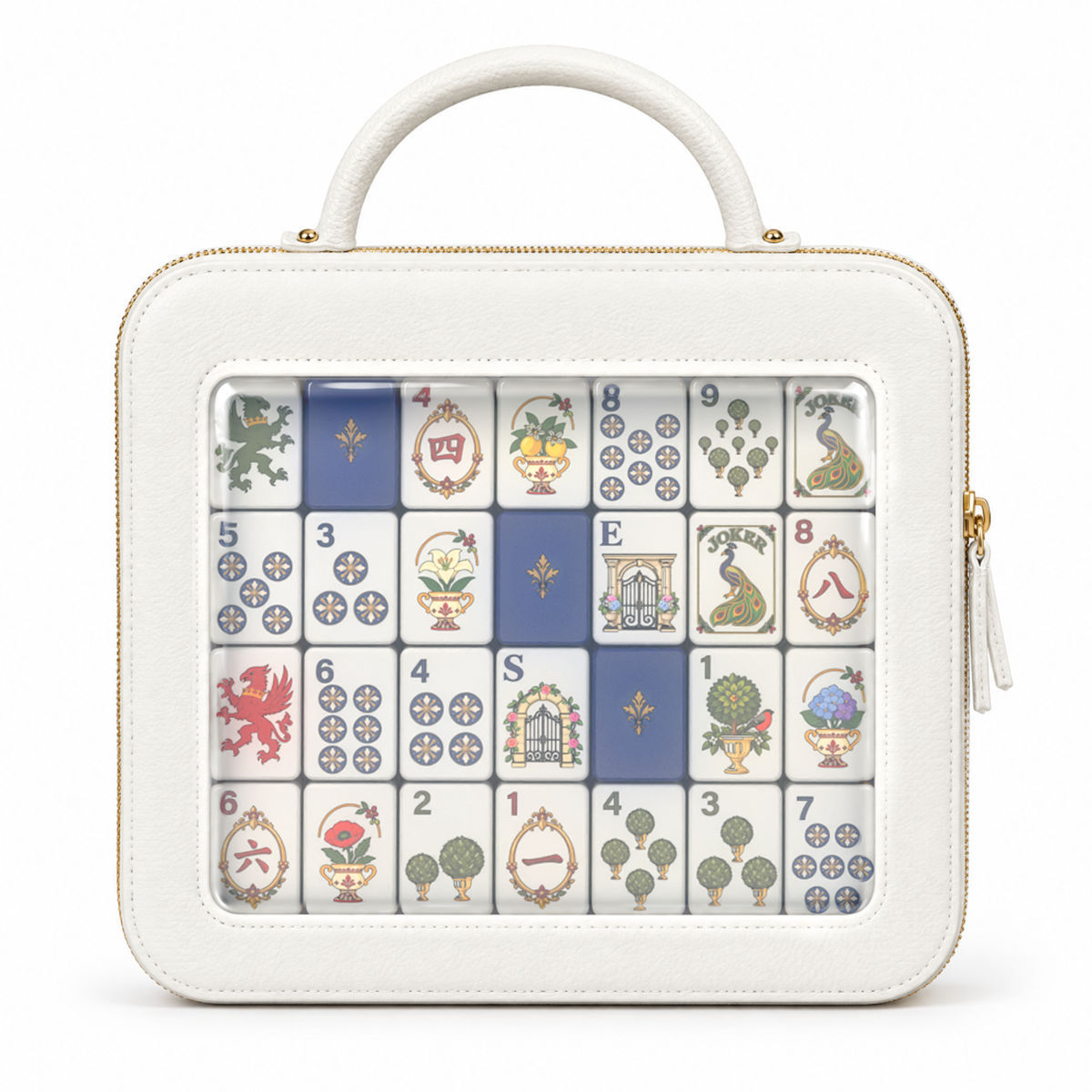
If you're joining a game at a community center or library, bring only yourself and a small notebook to track scores if needed. The host table provides a mahjong set, a mat, tile racks, and a score sheet. If you're a regular, hosting your own set earns respect and lets you control tile quality and comfort. A best-selling mahjong set in a durable case travels well and lasts years; acrylic tiles resist warping and are easier to clean than bone-and-bamboo. A padded travel bag protects your investment during the drive. Wear comfortable clothing—games involve sitting and arm movement for two hours. Bring a drink if the venue allows. Never assume a set is provided; text or call ahead if unsure.

What's the skill mix at open play tables?
Most Virginia Beach open play welcomes beginners and experienced players at separate tables or mixed groups depending on the venue. Ask when you arrive where beginners sit; don't be shy. Experienced players usually help newcomers learn without judgment, explaining card reading, Charleston etiquette, and common mistakes. Expect to lose your first few games—that's normal. Pay attention to how others handle the card, call hands, and manage their racks. After two or three sessions, the rhythm becomes automatic. Beginner-focused groups may slow play down and allow questions mid-hand; competitive open play moves faster but rarely bans newcomers. Check the group's vibe by observing one round before joining; a friendly table will invite you in warmly.
How do you actually join a game this week?
Step-by-step checklist:
Search Virginia Beach Parks & Recreation online or call a regional center to confirm mahjong session times and whether drop-in is allowed.
Visit your nearest public library in-person or check their website for mahjong events or bulletin board postings.
Join Meetup, search "mahjong Virginia Beach," and RSVP to an upcoming session (groups often cap tables at 20–24 players).
Call ahead to confirm you're welcome, ask the start time, and whether to bring anything; most will say "just show up."
Arrive 10–15 minutes early, introduce yourself, and ask to join the next table forming.
Watch one hand, learn how that table calls, and jump in for round two.
🀄 Shop best-selling mahjong sets →
Situation | Best Venue | How to Find | Typical Start |
Total beginner, want coaching | Parks & Rec beginner class | Search recreation center website | 6–7 p.m. weeknights |
Casual weekly play | Community library group | Ask librarian or check bulletin board | 7 p.m. or 2 p.m. Saturday |
Drop-in anytime, flexible | Informal Meetup group | Search Meetup.com, RSVP online | Rotating schedule, check app |
Serious/experienced only | Private club or synagogue group | Ask at country clubs or call ahead | 7 p.m., by invitation often |
What to avoid and what to check before you go
Never assume a game welcomes drop-ins without calling first; some are closed leagues. Don't show up without confirming the session is running that week—cancellations happen. Avoid arriving very late; joining mid-hand disrupts play. If you don't know American mahjong, don't pretend; say "I'm new" and ask to observe the first hand. Don't touch another player's tiles or racks unless you're handling your own. Never photograph other players without asking. Don't bring alcohol unless explicitly invited. Ask in advance if the table plays for money; most Virginia Beach open play is free or costs a small donation (not a bet). Confirm the venue has comfortable seating and good lighting—this matters for four-hour sessions. Check parking before you go; some libraries and community centers fill quickly on weeknights.
🎁 See our most-loved mahjong sets & accessories →
Once you've found a group and played a few weeks, you'll recognize faces, learn house quirks (how they call, score, shuffle), and develop favorites. Many players eventually buy their own set—not because games require it, but because hosting friends feels like the natural next step. When that moment comes, explore our collection of durable, beautiful sets and gear designed by players for players. For now, focus on showing up, listening, and letting the game teach you.
✨ Find your Mahstead set — free US shipping →

FAQ
Is Virginia Beach mahjong open play expensive?
Most community center and library open play is free or asks for a small donation (typically a few dollars to cover facility costs). Informal Meetup groups are usually free. No bets are involved unless the group explicitly agrees beforehand.
Do I need to know American mahjong rules before showing up?
No. Tell the group you're new, and they'll teach you as you play. Watch the first hand, ask questions, and learn by doing. Most players remember being beginners and are patient.
What time do games usually start in Virginia Beach?
Weeknight games typically begin at 6:00 or 7:00 p.m. and run 1–2 hours. Weekend sessions often start at 10:00 a.m. or 2:00 p.m. Call ahead to confirm your venue's exact schedule.
Can I join if I don't have my own mahjong set?
Yes. The host table provides a set for all players. Owning your own set is optional and is useful only if you want to host games yourself or prefer a specific tile style.
Where exactly should I search for Virginia Beach mahjong groups online?
Start with Virginia Beach Parks & Recreation website, then check Meetup.com, your local public library's events page, and community center bulletin boards in person. Facebook groups for Virginia Beach seniors or hobbies sometimes list mahjong, too.
How often do open play games happen?
Community centers and libraries typically offer weekly or biweekly sessions. Informal player groups vary; check Meetup for exact dates. Many groups also run monthly "big game" events with more tables.


View More
View More
View More
