
Mahjong Open Play in Orange County: Where to Join & What to Bring
Last updated: Nov 23, 2026
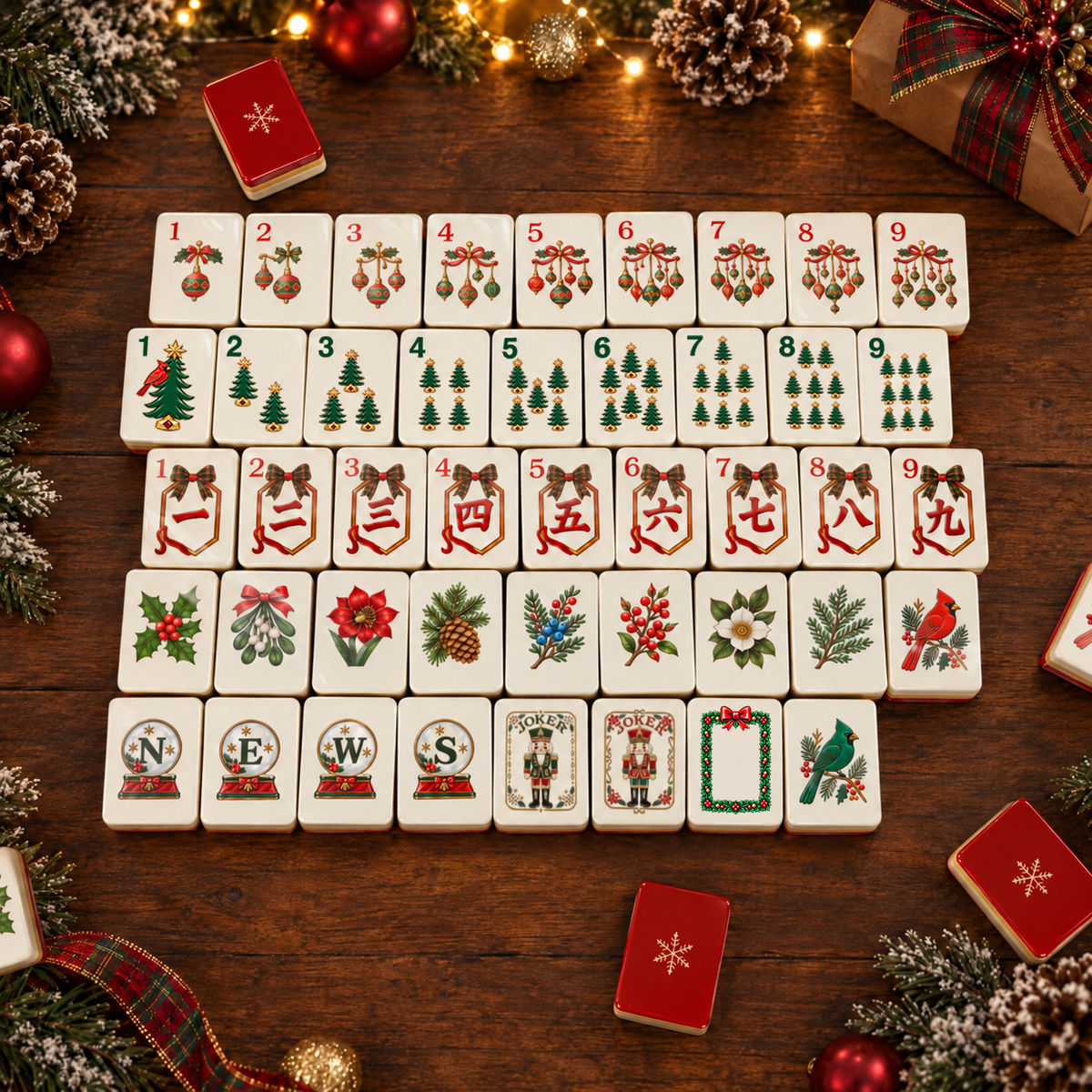
Open play in Orange County happens at community centers, libraries, country clubs, synagogues, and private meetup groups—search your local community center's activity calendar or Meetup.com for "mahjong" plus your city name. Most open play is American mahjong played in 4-player games, typically lasting 2–3 hours per night; some groups welcome raw beginners, others expect you to know the basics. You'll need a mahjong set (with 152 playing tiles and 8 jokers), the current year's National Mah Jongg League card (updated each spring), and a mah-jong mat to protect the playing surface. Some venues provide sets; many players bring their own. Costs vary: entry fees typically range from free to modest drop-ins, with some clubs charging membership. Avoid showing up without knowing basic hand recognition or the Charleston tile-pass ritual—call ahead and ask the host's comfort level with complete newcomers.
How do I find open play games in Orange County?
Start with your city's Parks & Recreation website or community center activity guide—most list mahjong under "games" or "social groups." Meetup.com and Nextdoor are reliable sources for grassroots groups; search "mahjong + [your city]" and contact hosts directly. Libraries often host weekly games or keep a bulletin board with group contacts. Country clubs, synagogues, and Asian cultural centers frequently run mahjong nights; a quick phone call confirms whether drop-ins are welcome. Don't overlook Facebook community groups for your neighborhood—many casual players post game times there.

What's the typical format for open play nights?
Most open play groups run rotating 4-player games with fixed start times (commonly evenings or weekend afternoons) and allow players to join mid-session. One round of play takes 30 minutes to an hour; a full night often includes 2–3 rounds with breaks. Groups usually play for fun or small friendly stakes—though some charge a nominal entry fee to cover venue costs. The host or a senior player typically calls hands and resolves disputes using that year's NMJL card. Newcomers usually sit out the first hand or two to watch and ask questions, then play once comfortable. Some groups rotate dealer position; others keep consistent seating. Call ahead to learn the specific house rules and atmosphere—casual versus competitive matters for your first experience.
What equipment do I need to bring or should I own?
Item | Why Essential | Bring or Host Provides? | Notes |
Mahjong set (152 tiles + 8 jokers) | Foundation of the game | You or host | Most open play groups have spares, but owning your own ensures familiarity |
NMJL card (current year) | Hand validation | Usually provided | Each player should have a copy or access to one on the table |
Mah-jong mat | Protects tiles & table | Often provided | Brings your own mat if you want quality control and portability |
Racks with pushers (4) | Tile organization | Sometimes provided | Personal racks let you manage tiles comfortably; optional but helpful |
Pen & scorepad | Record scores | Usually provided | Bring your own if you prefer a specific format |
Comfortable seating | Endurance over 2–3 hours | Venue provides | Arrive early to claim a good chair; back support matters |
Owning a best-selling mahjong set means you arrive prepared and learn on tiles you trust. Many Orange County players invest in a quality acrylic set and a portable mat so they can play anywhere—at clubs, friends' homes, or rotation nights. Racks with pushers aren't mandatory but transform comfort during long games by freeing your hands and letting you manage tiles cleanly. If you attend the same group weekly, storing a small kit at the venue saves carrying. Beginners often borrow sets their first few times; that's normal. Once you're committed, a personal set worth bringing becomes a long-term investment in your game.
🎁 See our most-loved mahjong sets & accessories →
What should I learn before my first open play night?
Read the fundamentals of American mahjong before attending—at minimum, understand hand composition, the difference between a pung and a kong, and how jokers work in exposed melds. Know the Charleston: the ritual tile-passing that begins every game. Study how to read the NMJL card so you can spot legal hands quickly. Watch one full round sitting out; ask the host or an experienced player to explain calls and scoring as you go. Don't memorize every hand on the card—focus on patterns, zones, and the logic of sets. Most open play groups expect you to learn by doing; they're patient with honest questions during play, less patient with arriving completely cold. Shoot the host a message beforehand: "I'm new—what should I study?" Hosts who welcome beginners usually point you to one or two key concepts and let the game teach the rest.

How do I prepare for the social and competitive aspects?
Come with a relaxed mindset your first few sessions—your goal is learning and building relationships, not winning. Arrive early to chat with regulars and ask how the group handles ties, disputed hands, and disputes about card interpretation. Understand the house rules: Do players cover discards? Can you take back a discard before the next draw? How do groups handle slow play? These vary by venue. Bring a notebook or phone to jot down house rules and hand patterns you see repeatedly. Be honest about your skill level: if you're brand-new, say so. Most open play groups have a mix of skill levels and rotate seating so experienced players mentor newer ones. Never blame others or argue about scores; the card and house rules are final. Offer to buy coffee or snacks for regulars—small gestures build trust. After your first night, reach out to the host with thanks and a specific question about something you struggled with. Returning players who show genuine interest in improving are always welcome.
✨ Find your Mahstead set — free US shipping →
What's the practical checklist for walk-in readiness?
Before you commit to a venue:
Confirm meeting time, location, and day of the week.
Ask if the group is beginner-friendly or expects prior play experience.
Inquire whether sets and cards are provided or if you should bring your own.
Request the house rules in writing or via email so you can study them.
Get the host's phone number in case you need to cancel or have a question.
Before you attend:
Download or print the current NMJL card; familiarize yourself with two or three common hand patterns.
Review the Charleston and joker usage online or via a quick YouTube video.
Charge your phone and bring a pen.
Wear comfortable clothes—you'll be seated 2–3 hours.
If you own a set, pack it in a bag; test your bag setup at home so you know what fits.
At the venue:
Arrive 10 minutes early to meet the host and ask any last-minute questions.
Sit out the first round and watch; take mental notes on calls, tile management, and player communication.
Ask the player to your right or left to explain one hand as it plays out.
Join the second round with confidence. You'll make mistakes—everyone does.
What if I want to bring my own set and mat?
Owning your own mahjong set and mat lets you show up as a committed player and feel at home anywhere. Many open play regulars in Orange County invest in a personal acrylic set and a portable mat because they attend the same group weekly and want consistency. Your set becomes familiar—you learn how your tiles click, how they stack, and which ones are worn or loose. A quality mat protects both the venue's table and your tiles from spills and scratches. If you're serious about joining a weekly group, a travel bag turns your set, mat, card, and racks into one grab-and-go kit. Many players keep their bag in the car or at home ready to roll. This approach also means you can attend rotation games (where the venue changes weekly) or play at friends' houses without asking if equipment is available. Most groups are delighted when someone brings their own setup—it shows respect for the game and the venue.
🀄 Shop best-selling mahjong sets →
What to check before you buy your first set
If you're ready to invest in a personal set for open play, think through these questions:
Tile size and weight: Do you prefer light or substantial tiles? Acrylic tiles are durable and quiet; ask regulars what they like.
Case or bag fit: Will your set fit in your car? Can you carry it comfortably to and from the venue?
Joker and blank tile count: American mahjong uses 152 playing tiles and 8 jokers—confirm any set you buy meets this standard.
Engraving or customization: Some players personalize their sets with initials or group names for sentimental value and easy identification.
Long-term durability: Will the tiles last through hundreds of games without chipping or fading numbers?
A best-selling set from a mahjong-focused maker is a smarter investment than a discount generic set—the tiles hold up, the numbers stay clear, and you feel the quality every game. Many Mahstead sets come with a travel bag and mat, which saves you hunting separately. Once you've attended open play 3–4 times and confirmed you love the game, upgrade to your own if the venue doesn't provide a set you adore.

FAQ
Can I go to an open play game if I've never played mahjong before?
Yes, many Orange County groups welcome complete beginners. Call the host in advance, ask if they mentor newcomers, and arrive 15 minutes early to observe one round. Most groups will sit you out the first hand and let you watch; you'll play by round two. Preparation (reading the basic rules and the Charleston) shows respect and speeds up your comfort level.
Do I need to own a set, or can I just show up and play with the venue's tiles?
Most venues provide sets and cards, so you can attend without owning anything. However, owning a personal set means you arrive prepared and know your tiles intimately—a huge advantage if you attend regularly. Even if the venue has spares, many regulars bring their own for consistency and comfort.
What's the typical cost to play in Orange County open play groups?
Entry fees and stakes vary widely. Some groups are free drop-ins; others charge a small venue fee or membership per session. A few play for money (small friendly stakes), though most are purely social. Call or email the host to confirm the financial structure before attending.
What happens if I don't know a hand when someone declares "mahjong"?
The player shows their tiles and reads the hand number and pattern from the current NMJL card. If you can't see or understand, ask another player to explain it. This is normal and expected—no one will judge you for asking. Always keep the card visible and reference it during play.
How do I know if a specific open play group is right for me—casual or too serious?
Ask the host directly: "Is this group more social or competitive?" or "How do you handle newer players?" Reliable groups tell you honestly. You can also attend one night as an observer and chat with attendees during a break—ask them about the vibe and whether they'd recommend it for someone at your level.
Should I bring snacks or donate to the venue if I'm a guest?
Bringing coffee, tea, or light snacks is a kind gesture that shows respect and builds goodwill, but it's not required. Many groups pool small contributions to cover table rental or supplies. Ask the host what's customary for your specific group—most will tell you it's not necessary your first time.


View More
View More
View More
