
Mahjong Open Play in Minneapolis: Where & How to Join
Last updated: Nov 23, 2026
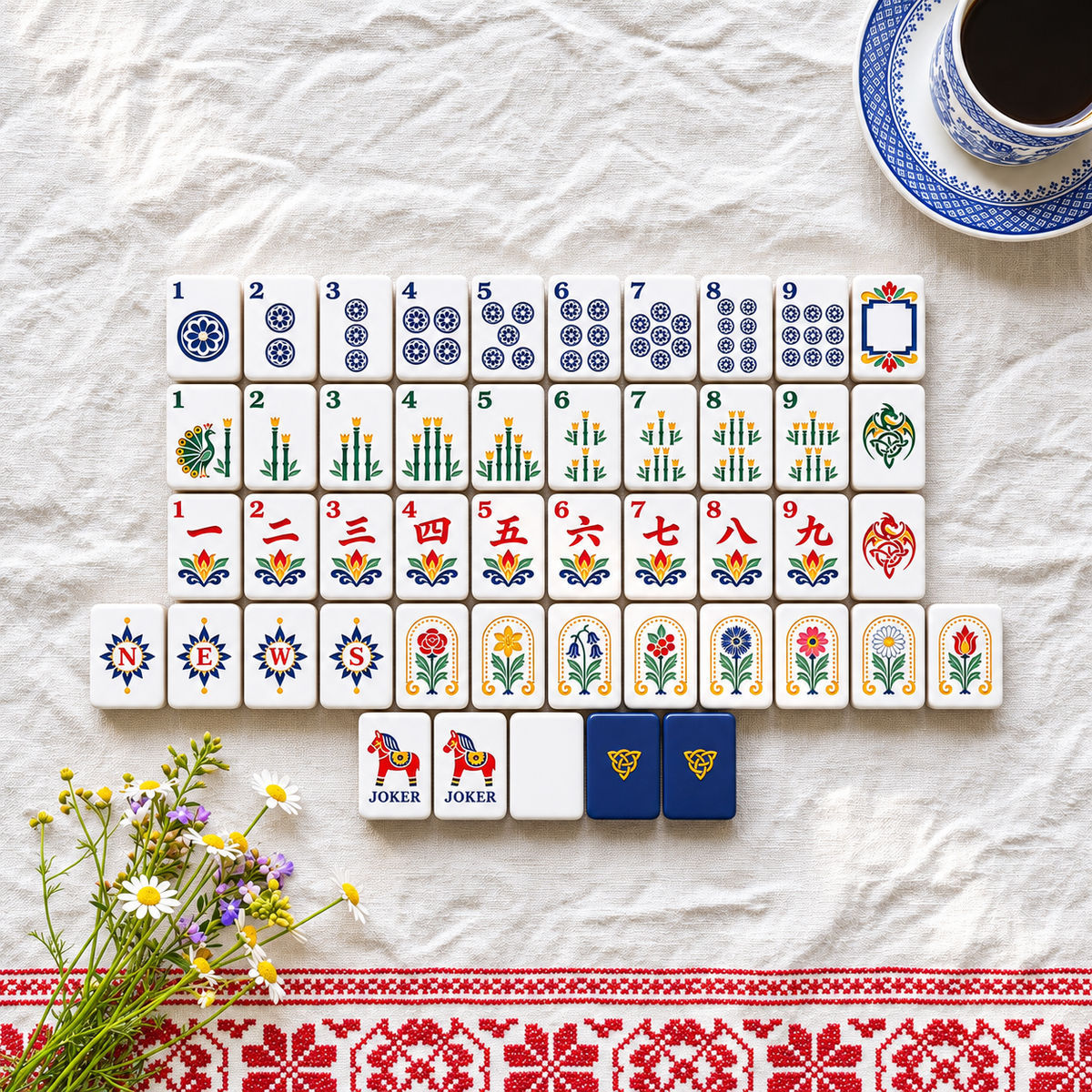
Open mahjong play in Minneapolis happens primarily at community centers (check Parks & Recreation offerings), public libraries (many host weekly or monthly game groups), and private social clubs. Games typically run Tuesday–Sunday, 1–4 tables per session, lasting 2–3 hours. American mahjong dominates, though some groups play Chinese or other variants. Most welcome beginners; many experienced players teach on-the-fly. To join, search "mahjong Minneapolis" on community-board sites, call your local library reference desk, or visit Parks & Rec online—most groups list meet times freely. Cost is typically free or a small table fee (host to host). You'll need your own set or be ready to share, though regular players often bring a best-selling mahjong set they know well. Avoid showing up to your first game without reading one hand from the current National Mah Jongg League card; ask for a laminated copy at the table.
How do I find open mahjong games near me in Minneapolis?
Start with your neighborhood community center or Parks & Recreation website—most post seasonal game schedules. Call your local library and ask the reference desk; librarians track board-game and mahjong groups. Check Meetup.com and Facebook for "Minneapolis Mahjong" or "Twin Cities Mahjong" pages; groups advertise game times there. Visit social clubs (country clubs, ethnic centers, senior centers) in your area—many host tables on fixed nights. Ask at local game or board-game cafés; owners know local players and can point you toward open tables. Once you find one group, ask for contact info for others; mahjong players share leads freely.

What's the skill level at open-play tables?
Open play in Minneapolis ranges from beginner-friendly drop-in groups to intermediate competitive tables—it varies by venue. Many libraries and community centers intentionally seat new players with patient teachers. Private clubs often have both beginner nights and experienced-only sessions; ask upfront. Expect that at least one experienced player per table will help you read the card and explain plays during your first few sessions. Competitive tables move faster and expect you to know how to read the mahjong card and basic American mahjong rules. The best strategy: call ahead and say you're new, then ask which table time suits beginners.
🀄 Shop best-selling mahjong sets →
What do I need to bring to an open-play game?
Most open tables provide tiles, racks, and mats—you're welcome to show up empty-handed. Bring a current-year National Mah Jongg League card (often supplied by the host; if not, ask fellow players or download a digital version). If you own a personal set, bring it; many regulars prefer their own tiles and find engraved or personalized sets easier to spot during play. Wear comfortable clothing and bring water. If you plan to play weekly, invest in a compact travel bag so your set stays organized and protected. Bring cash for any table fee or refreshment contribution. Never bring a set smaller than 160 tiles (152 playing tiles plus spares); smaller sets cause disputes mid-hand.
How does American mahjong differ from games at other Minneapolis tables?
Minneapolis hosts mostly American mahjong in public settings, but some clubs—especially those with international or older members—play Chinese or Hong Kong variants. American mahjong uses the NMJL card (rules change yearly), requires exact hand matches from the card, allows no sequences (chows), and uses eight jokers. Chinese mahjong allows sequences, uses different scoring rules, and often plays open or fast-paced. Hong Kong mahjong is quicker, with simpler hand patterns and higher speed. If you're new, ask the host which variant is played; if it's Chinese or Hong Kong, expect faster rounds and different blocking strategy. Most beginners find American mahjong easier to learn because the card shows every legal hand. Stick with American until you're comfortable, then branch out if you want.
What mistakes do newcomers make at Minneapolis open play?
New players often miscall hands or misread tiles, especially under pressure; slow down and announce every move—no shame in asking the table to verify. Treating jokers as wildcards for any tile breaks the game; jokers can only replace specific tiles in specific positions (see how jokers work for exact rules). Passing tiles during the Charleston without understanding the sequence confuses the next hand; watch two rounds before joining, or ask someone to walk you through it step by step. Picking a partner or table without knowing the scoring system leads to confusion; ask upfront how points are tracked and settled—American mahjong scoring varies slightly between groups. Forgetting that you can't call a hand unless it matches the current card exactly causes disputes; always point to your hand on the card before calling mahjong. Wearing strong cologne or perfume at a table where players focus for hours is disruptive; keep scents light.
Scenario | Common Mistake | How to Avoid It |
Your first Charleston | Passing the wrong tiles to the wrong player | Watch one full Charleston before joining; ask East player to narrate each pass |
Reading the card | Confusing a pung (3 identical tiles) with a sequence | Remember: American mahjong has NO sequences; all exposed melds are identical triplets or higher |
Calling a hand | Claiming mahjong when one tile is a joker in a pair | Jokers never form pairs or single tiles; re-read your hand before announcing |
Table disputes | Getting upset at a veteran player's correction | Treat corrections as learning; veterans want accurate play, not confrontation |
Joining a second time | Showing up to a different venue without knowing its house rules | Call the host before your second game; ask about scoring, replay rules, and beginner protocols |
🎁 See our most-loved mahjong sets & accessories →

How long do games last and how many do people play?
A single round of American mahjong takes 10–20 minutes, depending on table speed and whether anyone wins early. Most open-play sessions run 2–3 hours, which means 6–12 hands per player. Groups often play four or five rounds in a row, then take a break. Some venues schedule back-to-back sessions (one group leaves, another sits down), so a space might host play 10 a.m.–6 p.m. on a Saturday. Cost is rarely charged per hand; instead, groups collect a small one-time table fee per person (ask the host for the exact amount) or play for free. If real money changes hands, it's typically small stakes negotiated among the four players beforehand. Many Minneapolis groups play for fun, not money. First-timers are always welcome to play for zero stakes while learning.
What if I don't own a mahjong set yet?
Most open-play venues provide sets, so you don't need to buy one immediately. Play 2–3 times at a host venue, then decide if you want to invest. If you fall in love with the game, a personal set makes sense—you'll learn the tile positions faster, and your set will feel familiar at every table. A solid set includes 160 tiles, two racks with pushers per player, a mat, dice, and a storage case. The best-selling collection offers acrylic sets designed for durability through weekly play, with sizes ranging from compact travel sets to full home-table kits. Engraved sets (with player names or initials) are popular for groups that play together regularly; they prevent mix-ups during multi-group sessions. If you host open play at home, a quality mat protects your table and makes shuffling quieter for neighbors. For weekly players in a Minneapolis climate, a protective travel bag or case keeps tiles safe through seasonal temperature changes.
What to check before you buy a set for open play
Tile size & clarity: Use 1.5″ tiles minimum if your eyesight is average or aging; smaller tiles tire eyes over 2-hour sessions.
Rack quality: Pushers should glide smoothly; cheap racks jam during the Charleston and slow the game.
Joker count: Every game uses exactly eight jokers; verify your set includes them before purchasing.
Storage & portability: If you'll carry your set to venues, check that the case closes securely and weighs under 10 lbs.
Tile artwork: Make sure the suits (Bams, Craks, Dots) are clearly distinguishable; ornate designs can confuse rapid play.
Spare tiles: A 160-tile set includes spare jokers and blanks; confirm these are included if buying secondhand.
✨ Find your Mahstead set — free US shipping →
How to prepare for your first game
Read at least five hands from the current-year NMJL card before arriving—your host or a fellow player will explain how to interpret symbols, but you need to recognize a "Pung" from a "Kong" at a glance. Watch one full hand at the table without playing; observe the Charleston, the draw order, and how players read the card. Arrive 10 minutes early to introduce yourself to the host and ask one beginner-specific question (e.g., "How fast do hands usually move?"). Sit East (host) your first game if possible—East plays last and has time to absorb the rhythm. Ask permission before touching tiles other than your own. If you miscall or make an error, apologize once and move on; veterans appreciate humility over defensiveness. Take notes on scoring after each hand if it's new to you. Smile—mahjong tables are social spaces, and friendliness is the best currency.

FAQ
Is there a mahjong league or tournament in Minneapolis?
Minneapolis area hosts casual open play rather than formal tournament circuits. Some groups organize friendly competitions or seasonal playoffs; ask your host about local events. The National Mah Jongg League card changes yearly, so most groups play league-sanctioned rules but don't enter regional tournaments. Contact your community center or library to learn if any groups compete.
Can I play mahjong if I don't speak English fluently?
Yes. Mahjong is visual and symbol-based; the tiles and card transcend language. Many Minneapolis groups include multilingual players. Arrive 10 minutes early and tell the host you're learning English; a patient player will sit near you to help read the card. Bring a written list of terms (pung, kong, mahjong, Charleston) on your phone for reference.
What's the cost to join an open-play group in Minneapolis?
Most groups are free or charge a small one-time table fee per session to cover space rental or snacks. If you join a private club, annual membership may apply. Ask the host upfront—there are no hidden fees in mahjong. If real money is wagered, stakes are always disclosed and optional.
Do I need to bring my own set to play open games in Minneapolis?
No. Most venues provide sets. Bring your own if you own one and prefer it, but newcomers are never expected to contribute equipment. Once you play regularly, a personal set becomes handy—you'll know the tiles and avoid fumbling when pressure rises.
How beginner-friendly are Minneapolis open-play tables?
Highly beginner-friendly, especially at community centers and libraries. Private clubs vary; call ahead and ask if the evening welcomes newcomers. Libraries and Parks & Rec intentionally seed tables with one experienced player per new player. Your first game should be drama-free; if it's stressful, try a different venue.
What's the difference between American and Chinese mahjong at Minneapolis tables?
American mahjong follows the yearly NMJL card, forbids sequences, and uses eight jokers. Chinese mahjong allows sequences, plays faster, and scores differently. Most Minneapolis public-venue games are American. Ask the host which variant before joining; switching midstream confuses everyone.
Can I join a game if I've only watched tutorials online?
Yes, but watch at least one live hand in person first. Online tutorials teach rules correctly, but live play has rhythms and social cues that videos miss. Arrive early, watch silently, then ask if you can join the next hand. Your first game should feel like a teaching session, not a sink-or-swim trial.


View More
View More
View More
