
Mahjong Open Play in Chattanooga: Where & How to Join
Last updated: Nov 23, 2026
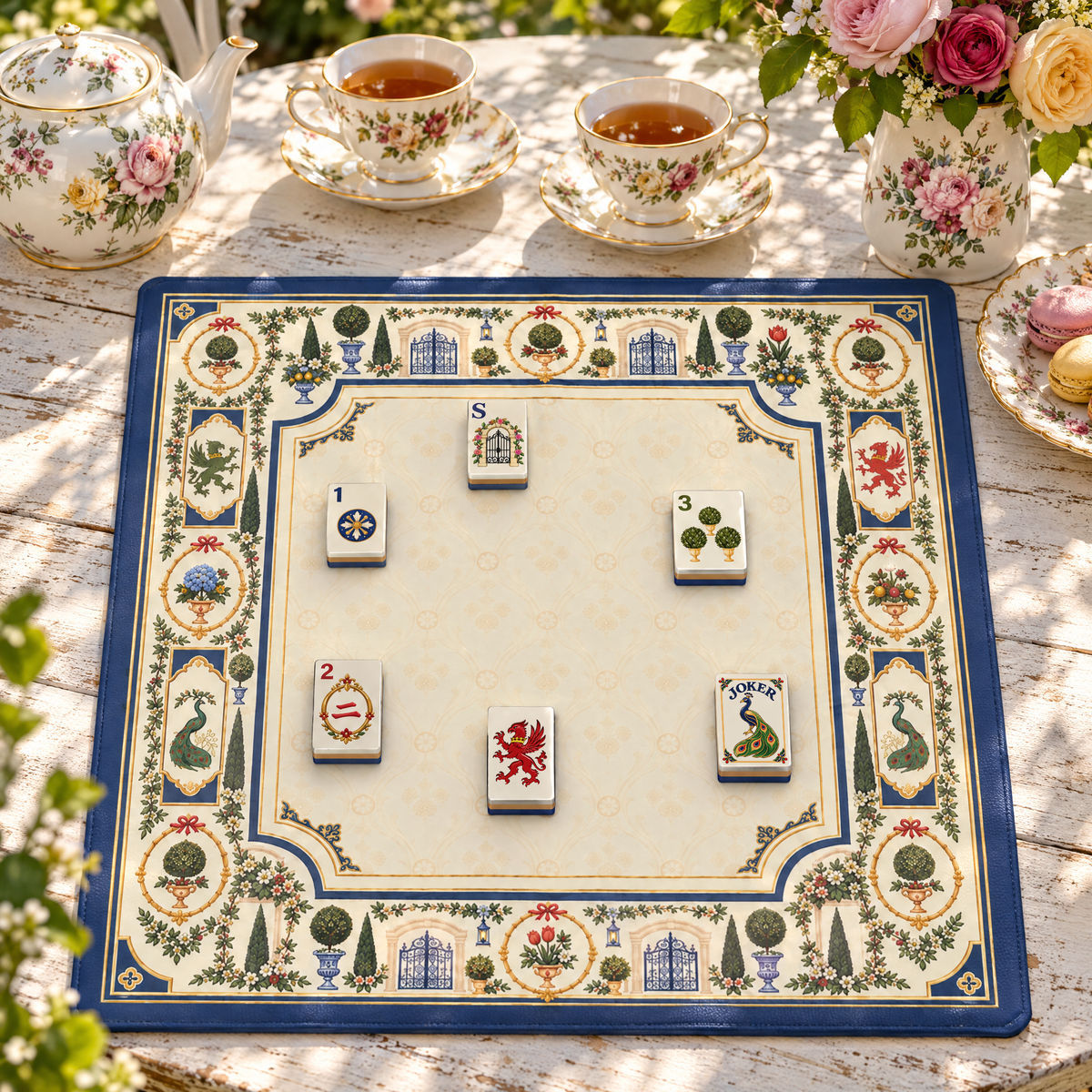
Mahjong open play in Chattanooga exists mainly through community centers, libraries, synagogues, country clubs, and online meetup boards where players post weekly gatherings. American mahjong games (the 152-tile variant played with a National Mah Jongg League card) are most common in the area. Sessions typically run 2–4 hours on evenings or weekends; most welcome beginners alongside experienced players, though some groups have skill tiers. Costs vary—some groups play informally with no fee, others charge a small table fee to cover space rental. Before attending, contact the host directly to confirm date, time, location, player level, and house rules. Bring a best-selling mahjong set if you're unsure the host has enough equipment, plus your current year's National Mah Jongg League card and any house-preferred scorekeeping method.
How do I find mahjong open play groups in Chattanooga?
Search your local community center, library, or recreation department website for "mahjong" or "game nights." Many post group listings or contact info directly. Check synagogues in the area—Chattanooga's Jewish community has historically strong mahjong traditions. Meetup.com and Facebook groups (search "Chattanooga mahjong" or "Tennessee mahjong") often list weekly sessions with contact hosts. Country clubs or golf clubs sometimes run members-only games; ask if you have connections. Start with a direct phone call or email rather than assuming an old listing is current—groups move, change days, or pause seasonally.

What rules do Chattanooga groups typically play?
Most Chattanooga open-play groups follow American mahjong rules because the National Mah Jongg League card is the standard reference for legal hands in the U.S. This means four players, 152 tiles, 8 jokers, the Charleston passing ritual before each hand, and hands composed only of pungs (three identical tiles), kongs (four identical), quints (five), sextets (six), or pairs—no sequences allowed. Always ask the group host upfront about variant rules (some groups add house rules for ties or kong draws). If you're new to the League card format, spend an evening learning how to read the card so you can recognize valid hands quickly and fit in smoothly.
What equipment should I bring or expect to find?
A standard American mahjong setup requires one 152-tile set, a scoring pad, and ideally a mat to protect the tiles and quiet play. Most established groups provide tiles and shared mats, but hosting standards vary. If you own a set, bring it—players appreciate redundancy in case tiles crack or go missing. Chattanooga hosts usually have scorekeeping covered, but some prefer players bring their own pen. A rack with pushers is a personal convenience (it organizes your tiles and protects your hand from accidentally revealing) rather than a must-have; communal racks are common in clubs. If you plan to attend regularly, a personal engraved set paired with a protective mahjong mat makes a good investment and signals respect for the game.
What should I know before my first open-play session?
Arrive 10–15 minutes early to introduce yourself and confirm you're registered or welcome. Bring a notebook to jot down the host's standing rules, house payment method (if any), and the group's preferred cancellation policy. Ask which year's National Mah Jongg League card the group uses—always the current year, but confirm. Listen during the first hand or two before asking clarifying questions; players are usually patient but appreciate courtesy. Come with cash on hand if there's a small table fee. Don't stress about winning—most open-play groups value the social ritual and the challenge of reading hands correctly over money, though some groups do keep score for bragging rights. Bring water and snacks if the host permits; some groups have potluck traditions.

How do the best groups handle different skill levels?
The healthiest Chattanooga open-play communities tier players informally—beginners play together early in the evening, intermediates mid-night, and experienced groups after 8 p.m., for example—or rotate new players with veterans each hand so learning happens naturally. Established hosts often pair a newcomer with an experienced player for the first game to explain tile calls, counting, and card reading in real time. Ask the host directly: "Is this group right for a beginner?" or "Do you have a separate beginner slot?" A group that makes space for learners, explains missed calls gently, and celebrates correct hands regardless of outcome is one worth returning to. Conversely, groups that penalize mistakes harshly or rush new players usually don't retain them—vote with your time and find a warmer table.
Equipment & Hosting Checklist
Item | Why It Matters | Beginner Need | Regular Player Need |
152-tile set | Game can't start without it | Bring a backup or use host's | Own your own |
Current League card | Only legal reference for hands | Essential; get before first game | Bring your own copy |
Mahjong mat | Quiets play, protects tiles | Not required but appreciated | Recommended |
Rack with pushers | Organizes tiles, hides hand | Personal convenience | Nice to have |
Scoring pad | Records points each hand | Host usually provides | Bring own if you prefer |
Cash (if applicable) | Covers table or participation fee | Ask host in advance | Standard |
🀄 Shop best-selling mahjong sets →
What to check before you buy or bring your own set
If you're shopping for your first set to attend open play, confirm it's a full American mahjong set (152 tiles plus spares). Avoid 144-tile or regional Chinese sets—they won't match house equipment or the tile count Chattanooga groups use. Check the tiles are acrylic or high-quality composite (they wear well and withstand years of weekly play). If you're buying as a gift for someone joining a Chattanooga group, pair it with an engraved set with a mahjong title so they feel part of the community. A travel bag or case matters only if you plan to carry your set weekly; many players leave theirs at the host's house. Free US shipping means you can order ahead without worrying about cost surprises.
🎁 See our most-loved mahjong sets & accessories →
Making the most of your Chattanooga mahjong community
Once you've found a regular group, invest in the experience: learn American mahjong scoring so you can track games yourself, practice reading the card at home between sessions, and show up consistently. Groups that see the same faces weekly build deeper camaraderie and inside-game humor. If you ever want to host a game of your own—for friends, family, or a local fundraiser—the same Chattanooga players become invaluable advisors on house rules and pacing. Many thriving communities started with one person's open-play evening and grew into a network of multiple groups meeting different nights. Chattanooga's mild winters and strong cultural ties to game nights make it fertile ground for that kind of growth.
✨ Find your Mahstead set — free US shipping →

FAQ
Do I need my own mahjong set to play in a Chattanooga open-play group?
No. Most established groups provide communal tiles. You can play for years using the host's set. Owning one becomes worth it once you attend weekly and want a personal set at home or to gift someone.
What is the National Mah Jongg League card and where do I get it?
The League issues a card each spring listing all 32,000+ legal hand combinations for American mahjong. You buy it (usually under $5) from the League directly, or many hosts stock them. It's the only legal hand reference—don't rely on phone apps or memory.
Can I play mahjong in Chattanooga if I've never played before?
Yes. Most open-play groups welcome learners because the game attracts curious, patient people. Start by watching a hand, then ask to sit in. Expect to make mistakes; everyone does your first 10 games.
How much does it cost to join a Chattanooga mahjong group?
Many informal groups have no fee. Some charge a small table fee (ask the host when you inquire). Competitive tournaments or clubs may charge membership or entry fees; confirm before attending.
What should I do if I can't find an open-play group near me?
Check synagogues, community centers, and libraries in a 20-minute radius by phone or in-person. Post on local Facebook groups asking if anyone hosts. If nothing exists, consider starting your own—one Friday night a month is enough to build momentum.
If I bring my own set, is there anything I should warn the group about?
If your tiles are especially vintage, fragile, or non-standard (e.g., bone or jade), mention it when you arrive so the host can decide whether to swap in a communal set. Most groups appreciate the offer but want to protect your investment.


View More
View More
View More
