
Mahjong Open Play in Boca Raton: Where to Join & What to Bring
Last updated: Nov 23, 2026
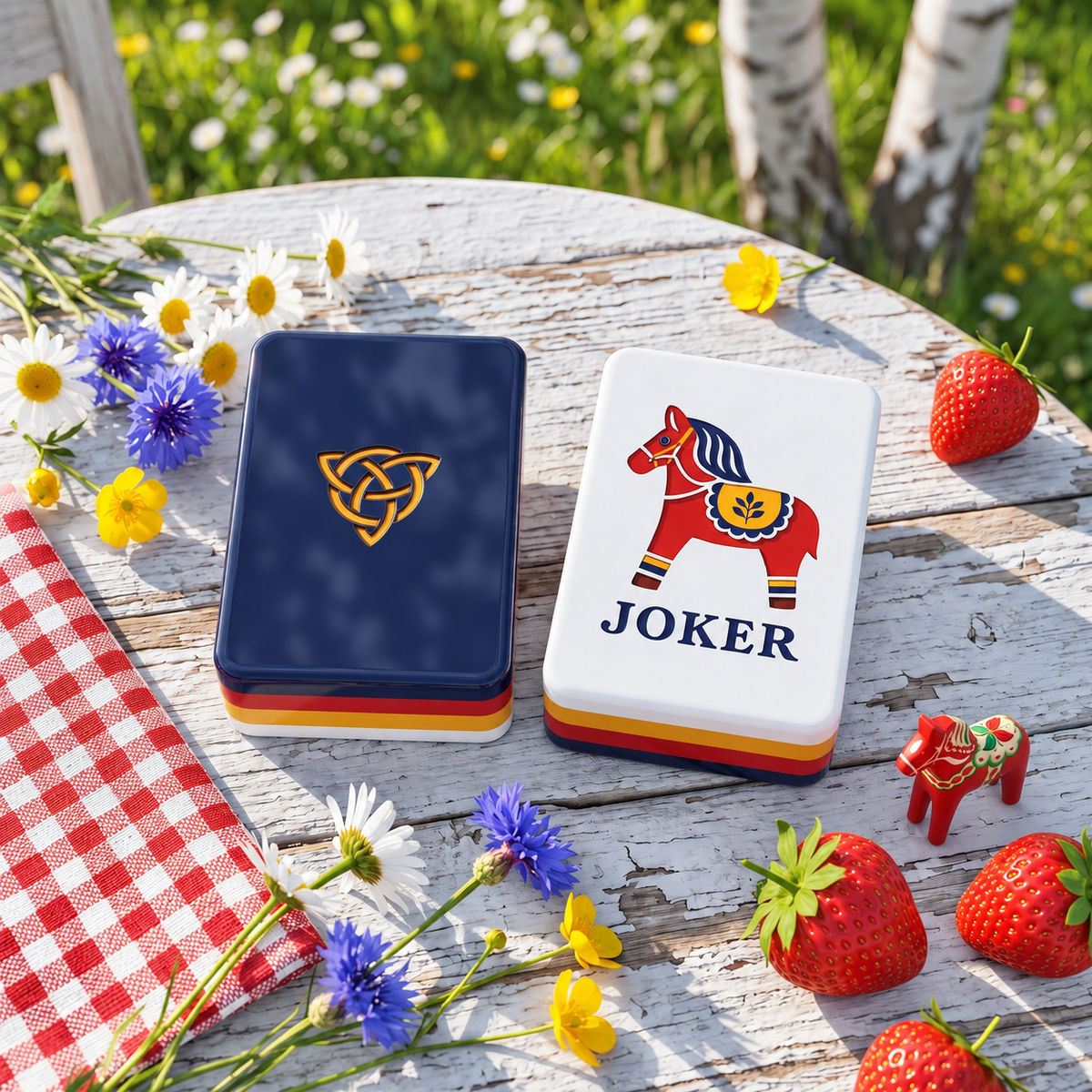
Boca Raton hosts open mahjong play primarily at community centers, libraries, synagogues, and country clubs, with most games running weekly or twice monthly during daylight hours. Open play means casual, non-tournament American mahjong with players of mixed skill levels; you pay a small table fee or refreshment contribution (often handled by the host or split among four). Games usually last 2–4 hours. To join, search local community center activity calendars, call or visit your nearest library, check synagogue bulletin boards, or use community meetup platforms—ask about beginner-friendly sessions. Bring a basic 160-tile best-selling mahjong set if you don't have one, a pen, the current year's National Mah Jongg League card, and a snack or drink to share. Most hosts provide racks and mats, but confirm in advance. Expect slower, more teaching-friendly play at beginner tables, and don't hesitate to ask questions about the rules or the hand.
Open mahjong in Boca Raton is alive and welcoming—whether you're a returning player picking up the game again or learning for the first time. The key to joining confidently is knowing where to look, what to bring, and how the rhythm of a casual table works. Here's what we've learned from hosting and joining open games ourselves.
How do I find open mahjong games in Boca Raton?
Boca Raton's public and private venues regularly host mahjong open play. Start by contacting your local community center directly—most maintain activity schedules online or by phone and can tell you which days mahjong runs and whether they welcome new players. Libraries, especially branch locations in central or west Boca, often coordinate game groups and have bulletin boards with contact info for regular players. Synagogues with active adult programs frequently host weekly games on weekday mornings or afternoons; call ahead to confirm the schedule and whether there's a fee. Country clubs, retirement communities, and senior centers are also reliable sources. Search your city's meetup and community calendar platforms, and don't be shy about asking staff for referrals—most venues know each other and can point you in the right direction.

What's the difference between open play and tournament mahjong?
Open play is casual, social, and relaxed; tournament mahjong is scored, timed, and formal. In open play, players typically rotate out if a fifth person arrives, chat during hands, and spend time coaching newer players on the tiles and card. You play for points (or occasionally a small wager, though many Boca groups play for fun only), and the stakes are low. Tournament mahjong, by contrast, follows strict American Mahjong League rules—no talking during hands, standardized scoring, timed rounds, and registered tournaments held a few times a year. Most open games in Boca are beginner or intermediate friendly and don't enforce rigid silence or timing. If you're still learning how to play American mahjong, open play is the perfect entry point.
What tiles and accessories do I need to bring?
You'll need a working 160-tile American mahjong set with a current National Mah Jongg League card. Most hosts provide the mat and racks, but call ahead to confirm—if they don't, bring a lightweight mat or table protector and a set of racks with pushers to keep your tiles organized and prevent accidents. A pen and small notebook help you track scoring during the session. If you're new, don't overthink equipment; borrow a neighbor's set or rack for your first game to get a feel for the table before investing. Once you know you'll play regularly, invest in a reliable best-selling mahjong set that won't embarrass you or jam mid-hand, and consider a travel bag or case if you're carrying your set to venues multiple times a week.
Item | Why It Matters | Must-Have | Nice-to-Have |
160-tile set | Standard for American play; 8 jokers + full tile count | ✓ | — |
Current year card | Hand reference; changes every spring | ✓ | — |
Racks + pushers | Keeps tiles upright, prevents drops | ✓* | — |
Mat | Protects table, quiets tile noise | ✓* | — |
Pen & paper | Track scores across rounds | — | ✓ |
Travel bag | Carry set safely between games | — | ✓ |
Dice | For Charleston & seating; host usually provides | — | ✓ |
*Host typically provides; confirm before arriving.
What should I know about Boca Raton open-play etiquette?
Respect the pace and focus of your table. If a hand is in play, stay quiet until it's complete or a player calls. Chat between hands and during the Charleston tile-passing ritual—that's when friendships are built. Offer to pay your share of the table fee or refreshment cost upfront (usually a modest amount split four ways). If you're unsure of a rule or don't recognize a tile, ask—no one minds. Arrive on time, bring the current year's card, and keep your tiles neat and face-up so others can verify hands easily. If you're a beginner, say so; experienced players will slow their play and explain hands and scoring. Never assume the score at the end of a round—always verify with the winner or an experienced player before moving on. And remember: open play is about fun and community, not ego or winning at all costs.
Should I learn the rules before showing up to an open game?
Learning the basics beforehand makes your first session much less stressful. Read how to play American mahjong and understand the Charleston (tile-passing round), the basic structure of a hand, and what tiles look like. Familiarize yourself with how to read the mahjong card—recognizing the layout and hand patterns will speed up play enormously. You don't need to memorize every hand, but knowing how a pung (three identical tiles), kong (four identical), and jokers work removes a lot of anxiety. Most open games include players at all levels, and your tablemates will fill in gaps as you play. If you're totally new, ask the host or group organizer if there's a beginner slot; many Boca groups set aside an afternoon for teaching. That said, the best way to learn is to play—mistakes and questions at the table are normal and welcome.
🀄 Shop best-selling mahjong sets →

What to check before you buy or bring a set
Confirm your tiles are a full 160-tile set with 8 jokers (not 152 or 144). Examine each tile for cracks or fading—if a Bam, Crak, or Dot is illegible, swap it out before game day. Make sure your racks fit your tiles snugly; loose tiles slide and create frustration. Test your pushers; they should move tiles smoothly without jamming. If you're bringing a used set you haven't played in years, count the tiles, verify the jokers, and do a quick shuffle to ensure nothing sticks. If you're buying new, an engraved mahjong set with personal touches makes a great long-term investment and a gift for fellow players. Always bring a mat or table cover to protect the venue's furniture—most hosts appreciate it, and it dampens noise, keeping the game calm.
How often do games run, and what time should I expect?
Most Boca open-play groups meet once or twice a week, typically in the morning (9 a.m.–12 p.m.) or afternoon (1–4 p.m.). Community centers often host on weekday afternoons; synagogues and senior centers favor mornings. A single round takes 15–30 minutes, depending on players' speed; a typical session is 2–4 rounds over 2–3 hours. Ask your host or the group organizer for their calendar before your first visit so you can plan around your schedule. Many groups take a break mid-session for coffee or snacks, which is a good time to chat and ask questions.
🎁 See our most-loved mahjong sets & accessories →
What if I forget the current year's card?
Call the host or another player and ask if they can print you a copy or share theirs during the game. Most players carry extras or have laminated copies they're happy to loan. Never assume an old or out-of-date card will work—hands change every spring with the National Mah Jongg League's release, and playing an old card can cause confusion or disputes. If you're a regular, buy or download a current card and keep it in your bag. If you don't have one before game day, contact your host; they'll help you sort it out without judgment.
Can I bring a beginner or learner to an open game?
Yes. Call the host in advance and mention you're bringing a new player. Most Boca groups welcome learners and will seat them at a teaching-friendly table or rotate in an experienced player to coach. Expect the game to slow down slightly, and don't apologize—new players are the lifeblood of every community. Bring extra snacks or a small gift for the host if you're taking up extra time with questions; it's a nice gesture. Your learner will pick up the rhythm and rules far faster by playing than by reading; a single 2-hour session teaches more than a dozen solo study nights.
✨ Find your Mahstead set — free US shipping →
FAQ
Do I need to join a club to play open mahjong in Boca Raton?
No. Open play is public and casual; you just show up, pay a small table fee or contribute a snack, and play. Most venues welcome walk-ins once or twice before asking you to commit to a group or membership—call first to confirm their newcomer policy.
What happens if my set is missing a tile?
Tell your host immediately. Most groups keep spare tiles or a backup set on hand. If it's a joker, a blank tile can substitute. Never start a hand with a missing tile; the game depends on the full count.
Can I play American mahjong if I only know Chinese or Hong Kong rules?
The tiles are similar, but American mahjong is a completely different game—no chows, no flower scoring, different hand patterns, and a mandatory card. Spend an hour learning American rules before joining an open group; the basics transfer fast.
How much does it usually cost to join an open game?
Table fees vary by venue and location—typically a modest split among four players or a small refreshment contribution. Call your host for specifics; most groups keep it affordable and transparent.
Should I bring my own racks and mat if the host doesn't mention them?
If you want to be safe, ask the host directly: "Do you provide racks and a mat, or should I bring mine?" Showing up prepared never hurts, but don't lug extra gear if it's not needed.
What's the best set to buy if I'm a beginner and new to Boca?
A sturdy, full 160-tile American set with clear, easy-to-read tiles. Avoid super cheap sets with sticky tiles or faded markings. Mahstead's best-selling collections are durable and beginner-friendly; they ship free across the US and hold up to weekly play without issues.


View More
View More
View More
