
Mahjong Night Snacks: What to Serve & How to Set Up
Last updated: Nov 23, 2026
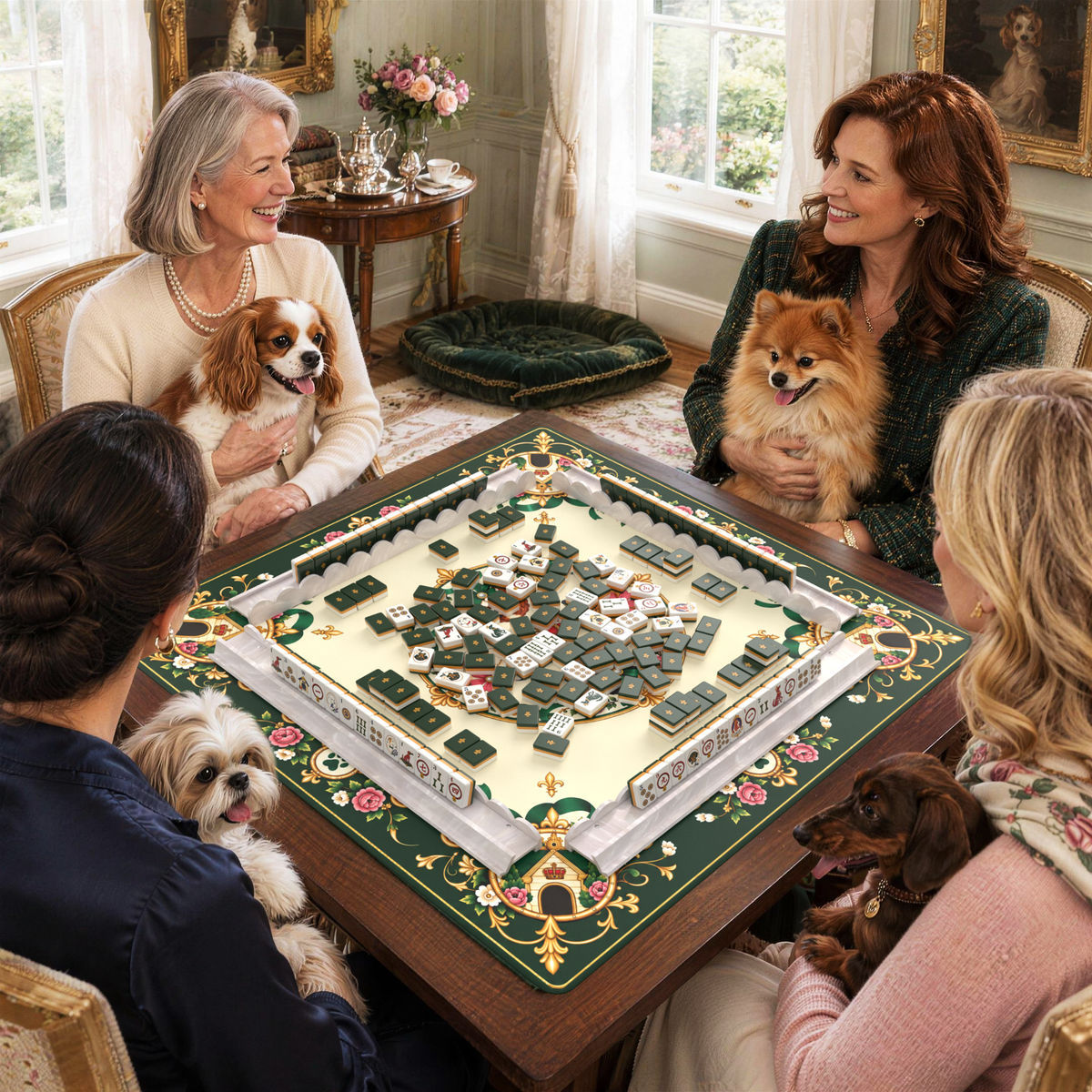
Mahjong night snacks are the small bites and drinks that keep your game flowing without interrupting play or staining tiles. Serve finger foods that don't require two hands: nuts, cheese, fruit, cookies, chocolate, olives, popcorn, and dips with crackers. Drinks should be sipped, not gulped—water, wine, beer, tea, coffee, or soft drinks in covered cups or bottles kept beside play, not on the table. Alcohol slows calls and tile recall, so go light. Skip sticky sweets, greasy chips, and anything that stains fingers. Use small plates and napkins within reach but away from the playing surface. Set up snacks on a side table 2–3 feet from play so players can refill without standing. We've found the sweet spot is restocking every 90 minutes and pairing salty snacks with sweet ones. Mahstead's mahjong mats define the play zone, making it easy to keep snacks off-table and tiles clean.
Mahjong night thrives on good food, conversation, and comfort. Serve finger foods that don't require two hands: nuts, cheese, fruit, cookies, chocolate, olives, popcorn, and dips with crackers. Drinks should be sipped, not gulped—water, wine, beer, tea, coffee, or soft drinks in covered cups or bottles kept beside play, not on the table. Alcohol slows calls and tile recall, so go light. Skip sticky sweets, greasy chips, and anything that stains fingers. Use small plates and napkins within reach but away from the playing surface. Set up snacks on a side table 2–3 feet from play so players can refill without standing. We've found the sweet spot is restocking every 90 minutes and pairing salty snacks with sweet ones. Mahstead's mahjong mats define the play zone, making it easy to keep snacks off-table and tiles clean.
What snacks actually work at a mahjong table?
The golden rule: anything you can eat with one hand while holding your tiles with the other. Nuts (almonds, cashews, pecans, peanuts) are host favorites—no grease transfer, portable, and filling. Cheese cubes and crackers work perfectly if you pair them (one bite each). Fresh fruit—grapes, strawberries, melon chunks, dried apricots—refreshes the palate and doesn't leave residue. Cookies, brownies, and fudge satisfy dessert cravings. Chocolate-covered nuts, olives, and popcorn (salted or caramel) round out variety. Mini egg rolls or samosas add an Asian theme that feels natural to the game. Hard candies, gum, and mints keep players engaged without mess. Avoid chips (finger oil), dips without crackers (two-handed), anything glazed or chocolate-covered that melts on hands, and heavy food that makes players drowsy.
The mistake we see most often: setting out one massive snack bowl and watching players grab handfuls while one hand still holds tiles. Instead, use small bowls (6–8 inches) and refill them three times over the night rather than leave one overflowing bowl that collects dust and crumbs.
How do you keep drinks from ruining tiles?
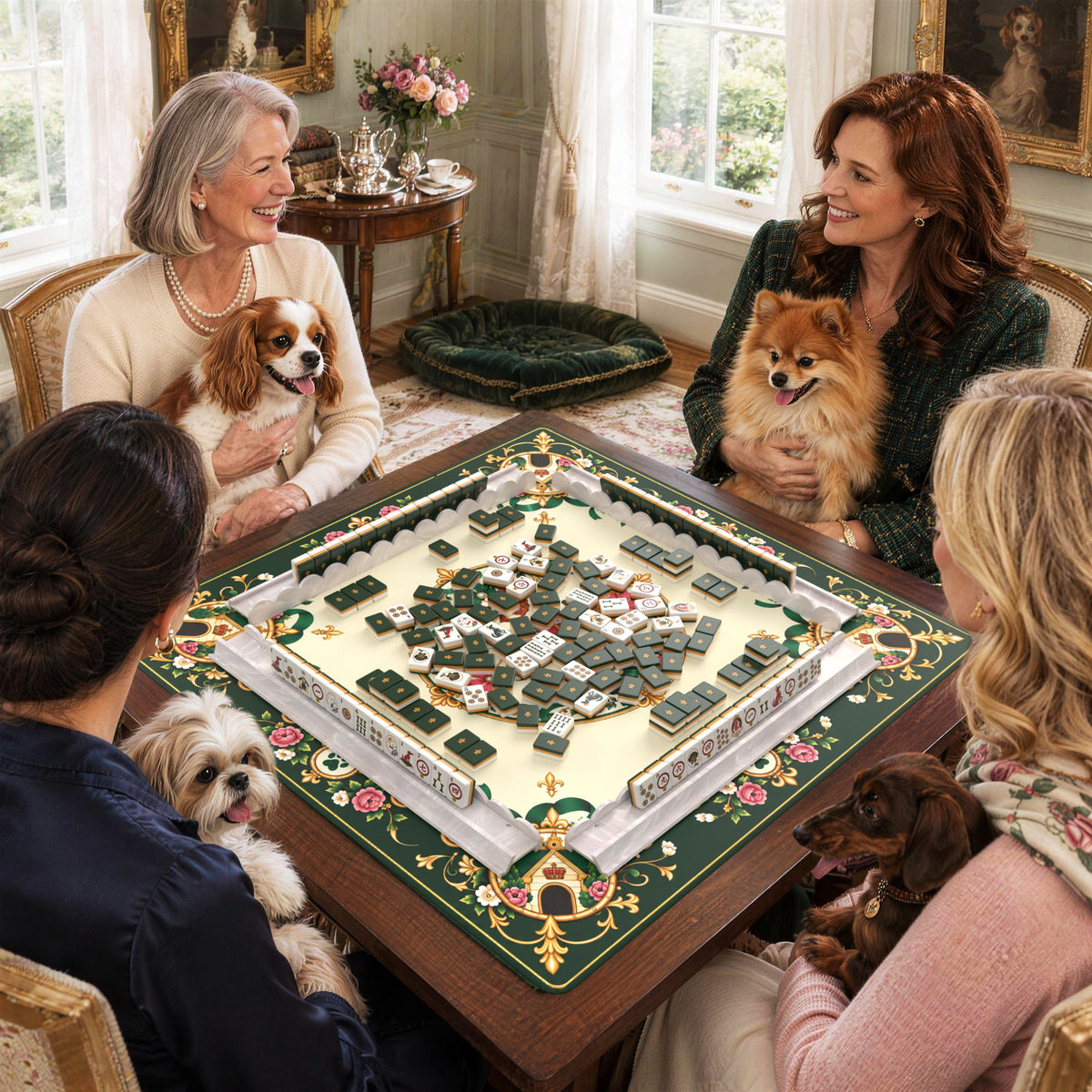
Covered containers are non-negotiable. Use water bottles with snap lids, coffee mugs with handles, or wine glasses placed on coasters at each player's elbow—far enough from the tile wall that a reach won't knock it over. We recommend a side table 2–3 feet from play where players can set down a drink, take a sip, and return it. Never allow open cups or mugs directly on the playing surface. Beer bottles can sweat and drip; use napkins under them if they're on the side table.
For hot beverages, establish a cool-down zone away from play. Tea and coffee stay at the snack table. A host tip we live by: remind players at the start that tiles are investment pieces and spills happen fast. Most players appreciate the protection.
If an accident does occur (it will), blot immediately with a soft cloth. Modern acrylic tiles from our best-selling mahjong sets resist staining better than bamboo, but prevention beats cleanup every time.
Should you serve alcohol at mahjong night?
Yes, but strategically. A glass of wine, beer, or a light cocktail at the start sets a social tone. We've played hundreds of games, and we notice that one drink per player per two hours is the sweet spot—enough to relax, not enough to cloud tile recall or slow game flow.
Heavy drinking leads to slower play, missed calls, failed concentration, and disputes over scoring. If your group is competitive, keep alcohol light. If your group plays for fun and socializing, a second round is fine. The host sets the tone: if you pour sparingly and water is abundant, guests will follow.
Avoid hard liquor unless players specifically request it. Wine and beer stay under control better than spirits. And always have water, coffee, and tea on hand for those who skip alcohol or reach their limit partway through.
What's the best setup: snack table location and timing?
Position the snack station 2–3 feet away from the main table, ideally at a side or back location where players can stand and refill without bending over the playing surface or losing sight of the game. Use a small table (card-table height works) or a dedicated shelf. Arrange snacks in zones: salty items on one end, sweet on the other, drinks on their own shelf, and napkins and small plates in the center.
Timing matters as much as location. Stock snacks before play begins, then check and refill every 90 minutes (roughly one round). Mid-game restocking is awkward; between rounds is smooth. If you're hosting a 3- or 4-hour evening, plan for two full refreshes.
A checklist that works:
Set up snack table 30 minutes before game time.
Stock drinks first, then snacks, then napkins and plates.
Do a visual check before the first hand begins.
Refill after Round 1 (usually 90 minutes in).
Refill again after Round 3 if playing late.
Keep extra napkins always visible.
An organized snack station keeps the game flowing and players focused on tiles, not hunger or thirst.
How do you avoid food disasters at the table?
The biggest causes of mishaps: open drinks at arm's length, crumbs on hands, and sticky fingers on tiles. We've also seen wine spilled over a hand someone was trying to display.
Prevention checklist:
Risk | How to avoid |
Spilled drinks | Use lids; place drinks 3 feet away; remind players at start |
Greasy tile marks | Ban chips, fried snacks; provide wet napkins at side table |
Chocolate or caramel on tiles | Serve dark chocolate after hands are complete; keep wet wipes handy |
Crumbs on the mat | Use mahjong mats (easy to sweep); don't eat directly over tiles |
Sticky residue on racks | Provide hand-wipes before players touch racks with pushers |
The practical move: assign one player as "snack guardian" for the evening—someone who checks levels every 90 minutes and wipes spills immediately. It's a fun role and keeps the night clean.
🀄 Shop best-selling mahjong sets →
What snack themes match different mahjong groups?
Different groups call for different spreads. Casual players often want comfort: cookies, brownies, popcorn, nuts, coffee, and wine. Competitive scorekeepers lean toward quick refuels: cheese, fruit, nuts, water, and tea. Evening players (after work) appreciate lighter bites to avoid drowsiness: fruit, cheese, crackers, nuts, sparkling water, and herbal tea.
Cultural preference shapes choices too. Groups with Asian backgrounds often add dumplings, egg rolls, sesame cookies, or almond cakes. Groups playing during holidays reach for themed treats: gingerbread at Christmas, chocolate eggs at Easter, pumpkin treats in fall.
The golden move: ask your group in advance. One simple message—"What snacks do you like?"—prevents waste and shows respect. Most players will mention two or three favorites; serve three of those, add two universals (nuts and fruit), and you've nailed it.
🎁 See our most-loved mahjong sets & accessories →
What to check before you buy snacks and supplies
Before game day, run this simple checklist:
Snack table: do you have a spare table or shelf, 2–3 feet from play? If not, use a kitchen cart or folding card table.
Drinks: bottles with lids for everyone, plus water pitcher for refills.
Napkins: buy 1.5× what you think you'll need; they vanish.
Small plates: 4–6 disposable or cloth plates for snack portions.
Wet wipes: at least one container on the snack table and one at the main table.
Trash: a bin nearby for wrappers and napkins.
Mahjong mats or tablecloths: define the play zone and make cleanup easier.
Tile protector: if you're using an acrylic set, remind players that tiles are investment pieces.
If you're hosting regularly, a dedicated caddy with napkins, wipes, small plates, and trash bags saves setup time every week. Keep it near your mahjong set storage so it's ready to grab.
✨ Find your Mahstead set — free US shipping →

FAQ
Can I serve chips and dips at mahjong night?
Yes, but serve them strategically. Use sturdy crackers and dips in small bowls, refilling often to avoid a communal bowl full of crumbs and finger oil. Chips alone are risky because salt and oil transfer directly to tiles and hands. Pair any dip with napkins within reach.
What's the best drink for a long mahjong game?
Water and tea. Both hydrate without drowsiness (tea's caffeine helps alertness). Wine and beer are fine in moderation—one glass per player per two hours keeps the game social without slowing play. Coffee works if served early; late-game caffeine can make players jittery during scoring.
How do I protect tiles if someone spills on them?
Blot immediately with a soft cloth. Modern acrylic tiles resist staining much better than bamboo. If spill is alcohol, wipe with a damp cloth and air-dry away from direct heat. Covered drinks and a snack table 3 feet away from play prevent most spills before they happen.
Should I serve a full meal or just snacks?
Snacks only. A full meal interrupts play momentum, makes hands greasy, and takes time away from the game. If game runs past dinner time, order pizza and take a 20-minute break, or plan games around mealtimes. Three hours of play with light snacks and drinks is the sweet spot.
What snacks don't require napkins or stain hands?
Nuts (dry-roasted), grapes, melon cubes, hard candies, gum, mints, and cookies that don't have chocolate coating. Cheese cubes work if you pair them with crackers (one bite per reach). Avoid anything glazed, chocolate-covered, or fried. These snacks let players keep hands clean and tiles protected.
How often should I refill snacks during a game?
Check every 90 minutes (one full round). Refill between rounds, not mid-game. A full evening (3–4 hours) needs two complete refreshes. Keep napkins and wet wipes always visible. Players will self-regulate if snacks are visible; empty bowls make players feel rushed to grab what's left.


View More
View More
View More
