
Luxury Mahjong Mat: What to Buy and Why It Matters
Last updated: Nov 23, 2026
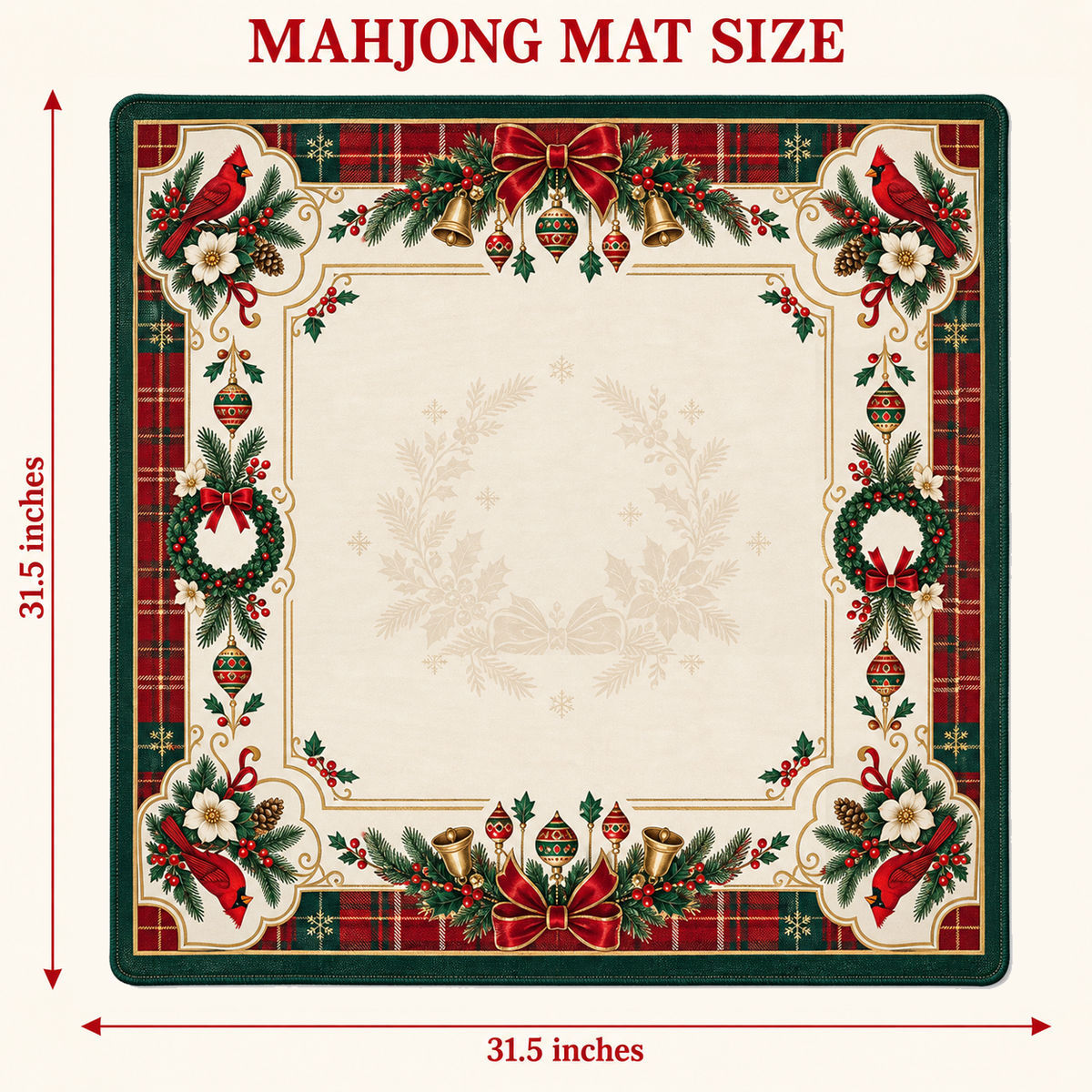
A luxury mahjong mat is a padded playing surface that holds 152 tiles, a discard pile, and personal racks during American mahjong. Mahstead offers mats in multiple designs—from engraved personalized styles to vibrant seasonal patterns—each sized for standard tables and built with durable acrylic-backed fabric. Quality varies: entry-level mats cost less but wear faster; premium mats resist spills, staining, and creasing. The best choice depends on hosting frequency (weekly games justify investment), your table size, and whether you want a mat tailored to your group's style. Most players use one mat for years; buying well saves money on replacements and ensures tiles stay organized and protected through hundreds of hands.
A luxury mahjong mat does more than look good—it protects your tiles, organizes the game, and signals respect for the ritual. Whether you host weekly games or play casually, the right mat keeps tiles in place, prevents spills from damaging surfaces, and lets your group's personality shine through custom designs or engraved touches.
What makes a mahjong mat "luxury"?
Luxury isn't just about price; it's about materials, durability, and thoughtful design. A premium mat combines a non-slip backing, reinforced stitching, stain-resistant fabric, and a printed surface that doesn't fade or peel after 200+ hands. Most importantly, it's sized correctly for your table and game rhythm—a mat too small crowds players; one too large wastes space. Mahstead builds luxury into every mat by pairing durable construction with designs that reflect your group's identity, whether through personalized engraving or curated seasonal patterns.
✨ Find your Mahstead set — free US shipping →
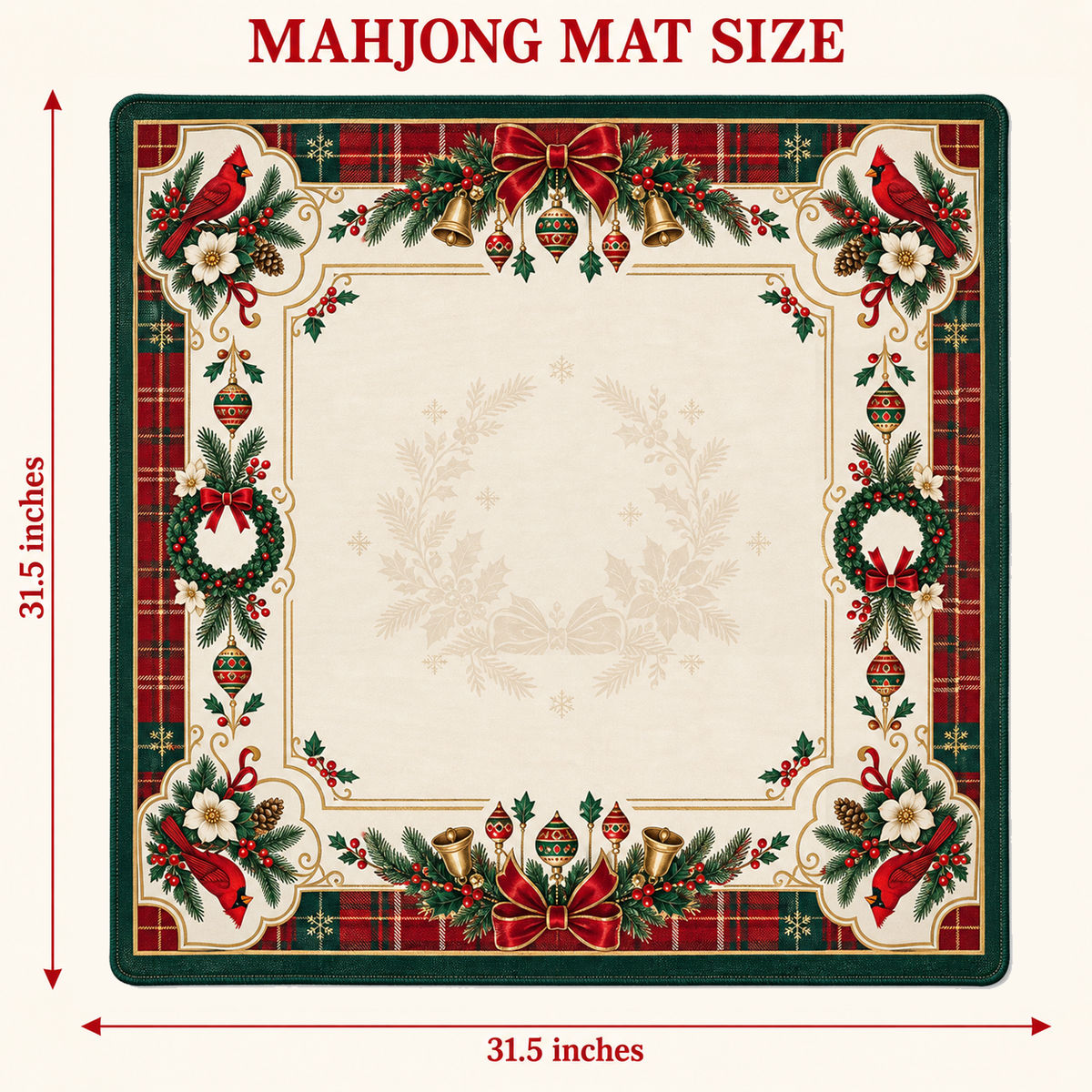
Should you buy a mat or use a table cover?
Mats and table covers serve different roles. A mat vs. table cover comparison shows: mats are thinner, portable, tile-focused, and designed for quick cleanup; table covers protect the entire table surface, last longer under rough use, and suit permanent setups. If you host rotating games on a dining table, a mat is faster to deploy and store. If you have a dedicated mahjong table or play in a humid climate where spills are frequent, a table cover adds insurance. Many players own both—a mat for travel and a cover for their home table.
What's the real cost of ownership?
Entry-level mats run low initially but require replacement every 12–18 months with heavy use; premium mats cost more upfront but last 3–5 years. For weekly players, the per-hand cost of a luxury mat (spread across hundreds of games) often beats buying two cheaper mats. Mahstead's best-selling collection includes mats at various price points; visit the product pages to see current pricing. The hidden cost of a cheap mat: tile slippage, creasing, and the annoyance of replacing it mid-season. A luxury mat eliminates that friction.
Ownership cost comparison (per-hand basis, weekly play):
Mat Type | Initial Cost Basis | Expected Life (games) | Cost per Hand | Best For |
Budget acrylic-backed | Lower entry | ~300 hands | Higher per-hand | Casual, occasional play |
Premium non-slip backing | Mid-range | ~600–800 hands | Mid-range per-hand | Weekly players, home hosting |
Luxury reinforced fabric | Higher entry | ~1,000+ hands | Lowest per-hand | Serious hosts, tournament groups |
How do you choose size and design?
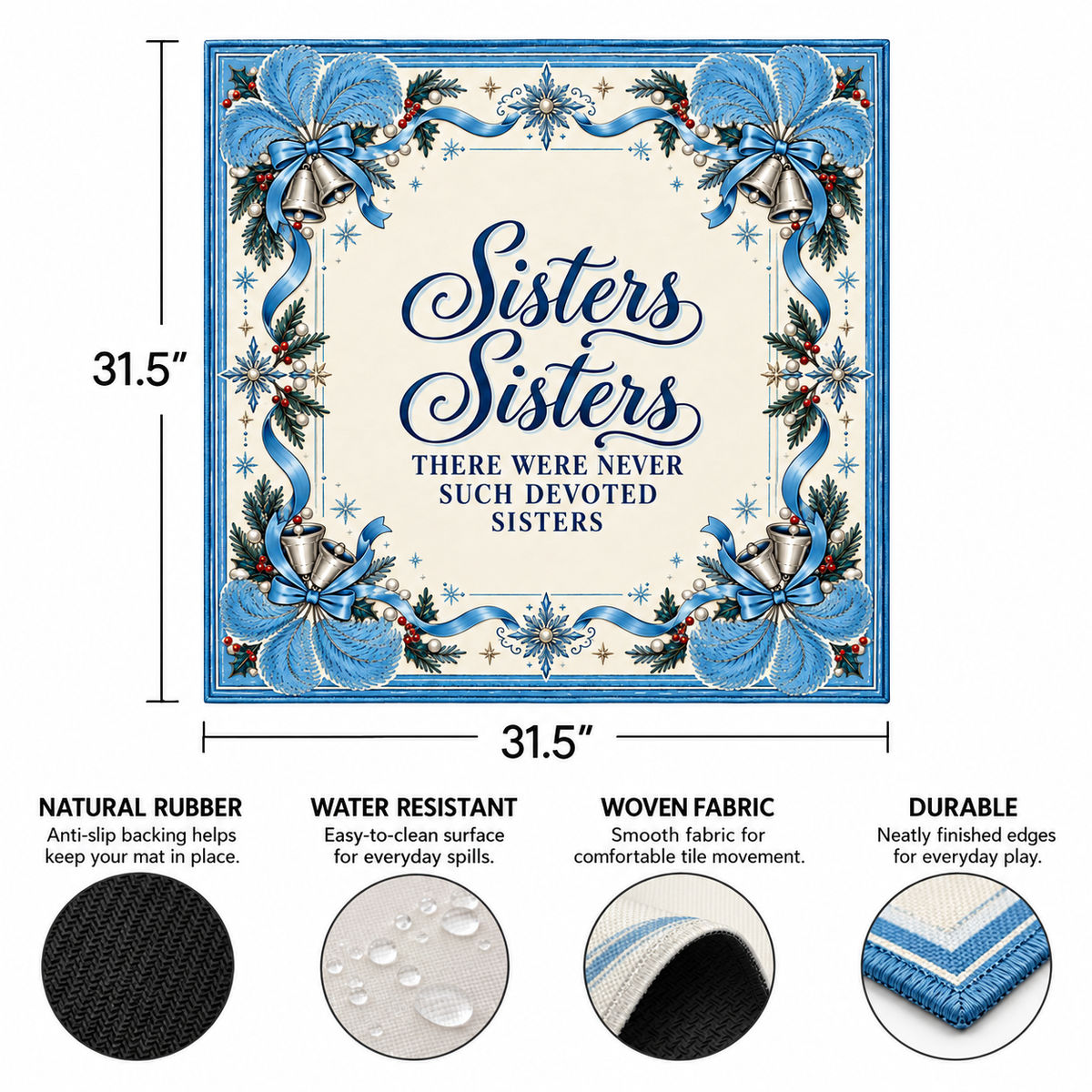
Standard American mahjong tables range 34–42 inches square. Measure your table before ordering; a mat should sit flat with 2–3 inches of clearance on each side so players reach racks comfortably. For design, Mahstead's mahjong mats collection spans engraved personalization (names, group logos, year), seasonal themes, and classic patterns. Engraved mats make excellent long-term gifts for steady game groups and feel premium at the table. Choose a design that matches your group's aesthetic: traditionalists prefer understated patterns; playful groups love bold colors or humorous engravings.
What features matter most: padding, backing, and finish?
Three factors determine mat quality and longevity:
Padding density: Thicker padding (⅛–¼ inch) cushions tiles and reduces table noise; thin mats transmit every shuffle and feel cheap.
Backing material: Non-slip rubber or acrylic prevents the mat from sliding during gameplay; felt or thin fabric backing fails within months of heavy use.
Surface finish: Stain-resistant, UV-stable fabric resists spills, sun fading, and the dulling that happens after 100+ hands. Matte finishes hide dust; glossy finishes look sleek but show fingerprints.
Test before buying if possible; press the surface with your fingernail—it should spring back without indenting. Ask the seller about replacement policies if the mat creases or the backing delaminates in the first 30 days.
🀄 Shop best-selling mahjong sets →
What to check before you buy
Mat sizing: Measure your table in inches. Confirm the mat dimensions on the product page—most are square, 34–36 inches standard. A mat too small forces tiles into cramped zones; one that overhangs creates tripping hazards.
Backing material: Non-slip rubber or acrylic backing is non-negotiable. Felt or cloth backing will slip and bunch within weeks.
Stain resistance: Ask if the fabric is treated for water and food spills. If you host weekend games with snacks, stain resistance saves the mat's appearance long-term.
Stitching & edge binding: Open seams or raw edges fray fast. Quality mats have finished, reinforced edges and interior stitching that won't split.
Return window: Can you return or exchange if the mat is too small or the color doesn't match your décor? Mahstead ships free across the US; check the current policy on the product page before ordering.
🎁 See our most-loved mahjong sets & accessories →
A luxury mahjong mat is an investment in how your game feels and how long your tiles stay protected. Weekly players see the payoff within months; casual groups may find a mid-range mat sufficient. Visit Mahstead's mahjong mats collection to explore designs, sizes, and personalization options. Pair a quality mat with engraved sets or racks with pushers to build a hosting setup that lasts years and brings your group joy every week.
FAQ
What's the difference between a mahjong mat and a mahjong table cover?
Mats are portable tile-focused surfaces sized for individual game boards; table covers protect entire tables. Mats suit rental or shared tables; covers work for dedicated home setups. Most players use mats for flexibility and storage ease.
Can I use a mahjong mat on a glass or marble table?
Yes, if the backing is non-slip rubber or acrylic. Avoid felt or cloth on polished surfaces—they slide. Test a corner first on a small area to confirm grip.
How often should I replace a luxury mahjong mat?
Weekly players typically replace mats every 3–5 years with premium quality. Budget mats need replacement every 12–18 months. Lifespan depends on care: store flat, avoid direct sunlight, and blot spills immediately.
Are engraved mats worth the extra cost?
For hosting groups that play consistently, yes. An engraved mat with your group's name, year, or initials feels premium, signals permanence, and makes a memorable gift. Casual players may prefer simpler designs.
What size mat do I need for a standard mahjong table?
Most American mahjong tables are 34–36 inches square. Measure your table and confirm the mat dimensions match; a mat should sit flat with 2–3 inches of clearance on all sides for comfortable player reach.
Can I wash a mahjong mat, and how?
Spot-clean with a damp cloth and mild soap for spills; avoid soaking. Air-dry flat. Don't machine wash or dry-clean unless the seller specifies it's safe. Stain-resistant treatments extend the life of fabric mats.


View More
View More
View More
