
Mahjong Mother-Daughter Tradition: Teaching the Game at Home
Last updated: Nov 23, 2026
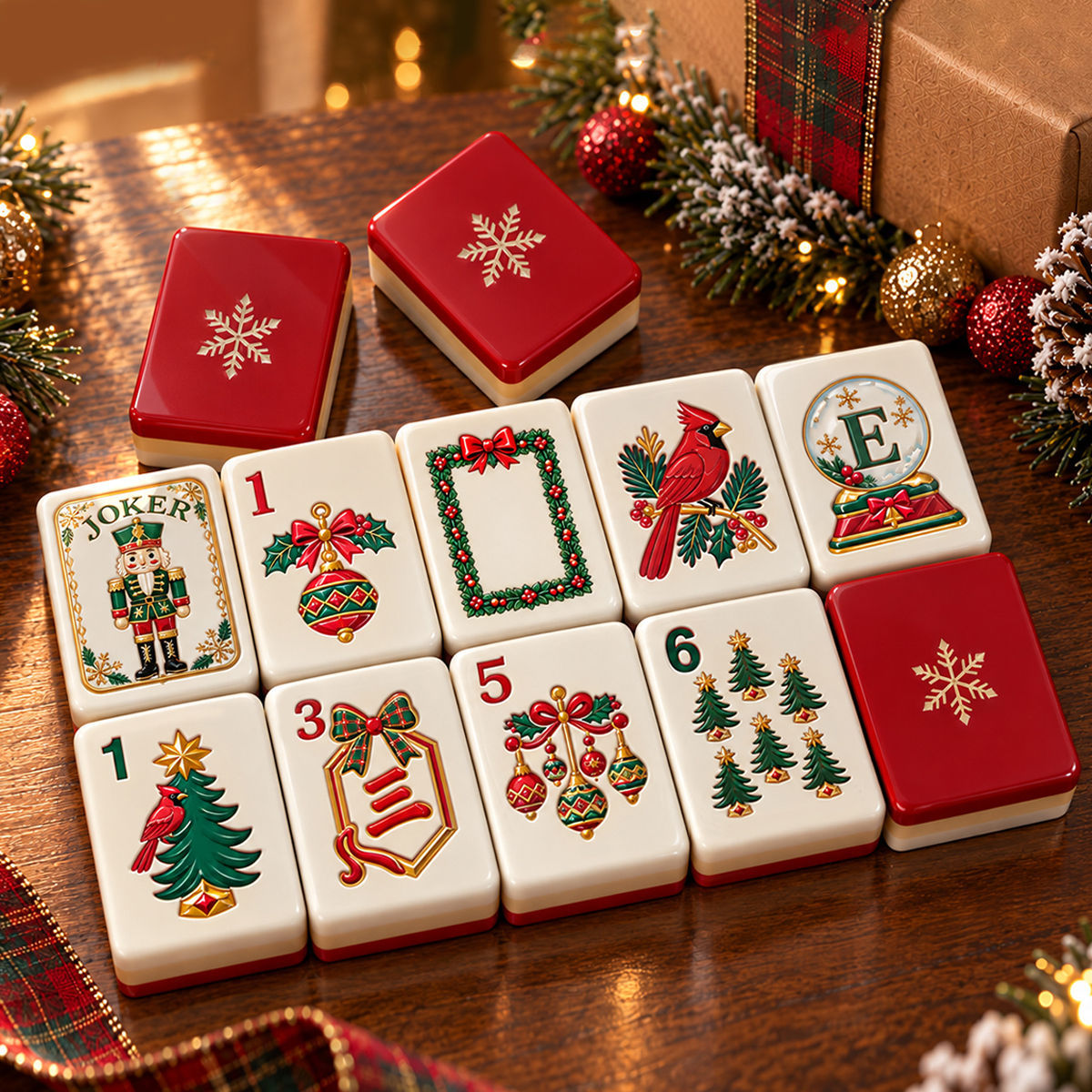
Mahjong mother-daughter tradition typically means teaching American, Chinese, or a regional variant at home, usually starting with reading the tile faces together (suits: Bams, Craks, Dots; winds; dragons; flowers), understanding the annual NMJL card for American play, and practicing the Charleston tile-pass ritual before your first game. A typical session lasts 1–2 hours per game, involves four players (though 2–3-player variants exist), and requires a 160-tile acrylic set with a mat and racks to keep tiles organized. The teaching phase takes 2–4 weeks of casual play before confidence clicks; from Mahstead's best-selling mahjong sets, families often choose acrylic designs that don't scratch easily or sets with engraved titles reflecting shared jokes or heritage. Avoid rushing hand recognition, playing without a current NMJL card if American, and forcing rigid silence—the real tradition is conversation and laughter at the table.
Why does mahjong bond mothers and daughters across culture?
Mahjong sits at the center of immigrant and first-generation family life—a carrier of language, strategy, humor, and deliberate slowness in an accelerated world. Across Chinese American, Jewish American, and mixed-heritage families, the game is coded memory: a mother teaching patterns her own mother taught her, tile clicks matching the sound of her childhood, wins and losses that spark stories. Unlike screen-based games, mahjong forces eye contact, real-time decision-making together, and natural pause for tea or talk. Daughters report that learning mahjong from their mothers grants both permission to be competitive and permission to be playful—the game tolerates both, and neither loses love. The four-player structure also normalizes women gathering without apology, reclaiming table time as intellectual and social currency.

What's the hardest part when teaching a beginner?
Most learners stumble on tile recognition, not strategy. The human brain wants mahjong tiles to look different from one another—they do, slightly—but beginners misread a 5 Bam (flower imagery) as a Crак or confuse White Dragon ("Soap") with a blank. The second wall is the annual NMJL card: American mahjong hands only come from the card issued that spring; a hand from 2024 doesn't work in 2026 play. Start with a laminated reference sheet showing tile faces in rows. Let your daughter pick tiles by suit name aloud, not by memory; this builds neural pathways faster than silent staring. The third sticking point is hand notation—when you mark a hand on the card (like "2024 Spring, row 3, column 4"), the digits feel abstract. Map it to a hand on the table: "See those three 7 Dots you have? That's a pung. Now find the pung in our hand card and we match." Teach one hand type per session. Patience here converts panic to mastery in weeks, not months.
🀄 Shop best-selling mahjong sets →
How do you set up the table so both players are comfortable?
Physical setup is half the battle. Invest in a mahjong mat—the playing surface keeps tiles stable and the zones (discard, pung-kong area, dead wall) clearly labeled so beginner eyes don't have to memorize table geometry. Pair the mat with racks with pushers: these hold tiles upright at sightline height so smaller hands or older eyes don't fatigue reaching into a flat pile. Beginners especially benefit from pushers because organizing tiles becomes tactile and controlled, not fumbling. Seat your daughter or mother where the light hits her face, not the tiles—glare on shiny acrylic tiles causes eye strain over 90 minutes. Use a lazy Susan or rotating tray for the central tile wall; it cuts reaching across the table and keeps the space calm, not frantic. Keep water or tea within arm's reach; the tradition includes hospitality. If your daughter is very young (under 12), sit beside her rather than across; this lets her see your hand gestures and tile choices without awkwardness, and you can whisper encouragement without the table hearing.
Which Mahstead set design works best as a gift between generations?
The best-selling mahjong sets tend toward timeless acrylic finishes—clear or frosted—because they photograph well, don't yellow, and last decades. For mother-daughter pairs, engraved American mahjong sets add personal weight: imagine a set engraved with both your names, or an inside joke ("Tile Queens," "Mom's Rules," "Est. 2026"). The engraving catches light and becomes a conversation piece each time the box opens, signaling this set is not casual—it's yours. Compare gift angles:
Design Approach | Best for | Why It Resonates |
Frosted acrylic, no engraving | First-time players, shared family games | Neutral, sees many hands, durability is obvious |
Engraved with names/date | Mother-daughter debut or anniversary | Personalizes the tradition, creates heirloom quality |
Engraved with humor | Experienced players, long friendship | Signals comfort and inside language |
Seasonal (Christmas/holiday sets) | December gifting, holiday game night | Aligns timing with family gathering season |
Acrylic tiles outlast bamboo and bone (which can crack, stain, or yellow) and rarely chip if stored in a padded mahjong bag or case. The engraving stays legible forever. From our experience, a gifted set with both names or a shared year printed on it gets used more often and moved less often—it becomes a table fixture rather than a closet item.
🎁 See our most-loved mahjong sets & accessories →

What rules change if you're playing with two or three players instead of four?
Standard American mahjong is built for four players, but two- and three-player variants let you adapt the tradition to smaller households or quick dates. In 2-player mahjong, two players each draw twice per turn cycle (simulating the missing players' turns), hand sizes shrink to 13 tiles instead of 13, and the wall draw order shifts. In 3-player, one player sits out and rotates, or rules adjust so all three draw concurrently. Winning scores often scale down slightly because fewer discards mean fewer opportunities for others to call. The NMJL card itself doesn't change, but your scoring and pacing do. Many mothers and daughters prefer 2-player practice matches before inviting the full table—the slower pace lets you both focus on reads without pressure. Timing also shifts: a 2-player round takes 30–45 minutes instead of 60–90. If you're teaching from scratch, start with one 2-player round to drill recognition and basic hand patterns. Once both players recognize hands confidently, graduate to the full 4-player rules. This graduated approach cuts frustration and builds confidence. See 2 and 3 player mahjong rules for exact tile counts and turn orders.
How often should you practice before the first "real" game night?
We recommend a "soft opening" approach: three or four casual sessions before inviting guests or scorekeeping. Session one is tile recognition and suit drill—no hand card, no pressure, just naming tiles aloud and building muscle memory. Session two introduces the NMJL card and the idea of matching; pick two simple hands on the card and chase them. Session three adds the Charleston (the tile-passing ritual before play begins); this feels silly until muscle memory sets in, then it becomes meditative. Session four is your first full practice round—play with scorekeeping off, just to feel the rhythm. By week four, both players know the basic flow, hand types click faster, and mistakes feel like learning, not failure. Then you can host a "real" game with confidence, or continue practicing until month two. This pacing matters because mothers and daughters often have different learning speeds or patience thresholds; slow collective rhythm prevents resentment. Keep a printed mahjong card at the table for all four practice rounds, and expect to check it 30+ times per round—that's normal. By game five, checking drops to 10–15 times.
✨ Find your Mahstead set — free US shipping →
What to check before you buy
Before committing to a set:
Tile size: Standard American tiles are roughly the size of a postage stamp; acrylic versions won't change this. If your mother or daughter has vision issues or arthritis, confirm the set comes with clearly readable faces (no tiny serif fonts).
Joker count: A 160-tile Mahstead set includes spares. Confirm the base play uses the standard 152 tiles plus 8 jokers; the spare tiles (extra jokers and/or blanks) stay in the box during play.
Mat and rack pairing: A frosted or clear acrylic set shows tiles beautifully but needs a mat to prevent sliding. If your daughter is clumsy or plays fast, racks with pushers are investment, not luxury.
Storage: Acrylic sets feel lighter than bone and bamboo, which is a plus for standing storage or travel. A padded bag keeps tiles and case safe from temperature swings.
Card currency: Confirm you have the current year's NMJL card if playing American mahjong; old cards don't work. The card is free online but printed copies are easier at the table.

FAQ
Can I teach mahjong to my daughter if I'm still learning myself?
Yes—learning together is part of the tradition. Start with one clear rule: you both keep the NMJL card and the tile-recognition sheet visible. Name tiles aloud before playing them. This slows the game but builds shared confidence. Many families report that co-learning deepens the bond because vulnerability and discovery happen together.
What's the difference between American and Chinese mahjong for a family game?
American mahjong uses an annual card, no sequences (chows), and exact 13-tile hands in 2026. Chinese mahjong uses sequences, melding mid-play, and scoring systems that shift by region. American is easier for beginners because hands are shown on the card; Chinese requires memory. For a mother-daughter debut, American is less overwhelming.
How long until we can play without the card at the table?
Most learners need 8–12 full rounds (2–3 weeks of regular play) before recognizing common hands instantly. Some never fully memorize and refer to the card the whole time—that's fine. The goal is fluency, not perfection. If you play weekly, month two is when you'll notice yourself not reaching for the card as often.
Is acrylic more durable than bamboo or bone tiles for home play?
Acrylic doesn't crack, stain, or yellow, and scratches are cosmetic. Bamboo and bone are traditional and beautiful but fragile; they chip, soak up spills, and age visibly. For a set played weekly by multiple hands, acrylic is practical. For an heirloom or display piece, bone or bamboo with a case made sense historically; today, engraved acrylic fills that role better.
Do we need a special mat, or can we play on the dining table?
A mat is highly recommended—it zones the table, prevents tiles from sliding, and cushions clicks (important in apartments). Bare wood or glass amplifies sound and makes tile movement feel chaotic. A mat costs less than one restaurant dinner and lasts decades. If you start without one and the game clicks, consider adding one within month one.
Can I use an older mahjong set I inherited from my grandmother?
If it's traditional bone and bamboo and playable, absolutely—that's beautiful continuity. Check that all tiles are present (152 plus 8 jokers in American play), that tiles read clearly (aging darkens faces), and that you have a current NMJL card to reference. Inherited sets often lack jokers or cards; Mahstead's guides on what's in an American mahjong set show what to verify. If tiles are missing or unreadable, pairing the inherited pieces with a new modern set for play honors both.


View More
View More
View More
