
Wright-Patterson Mahjong Lessons Online: Where to Start
Last updated: Nov 23, 2026
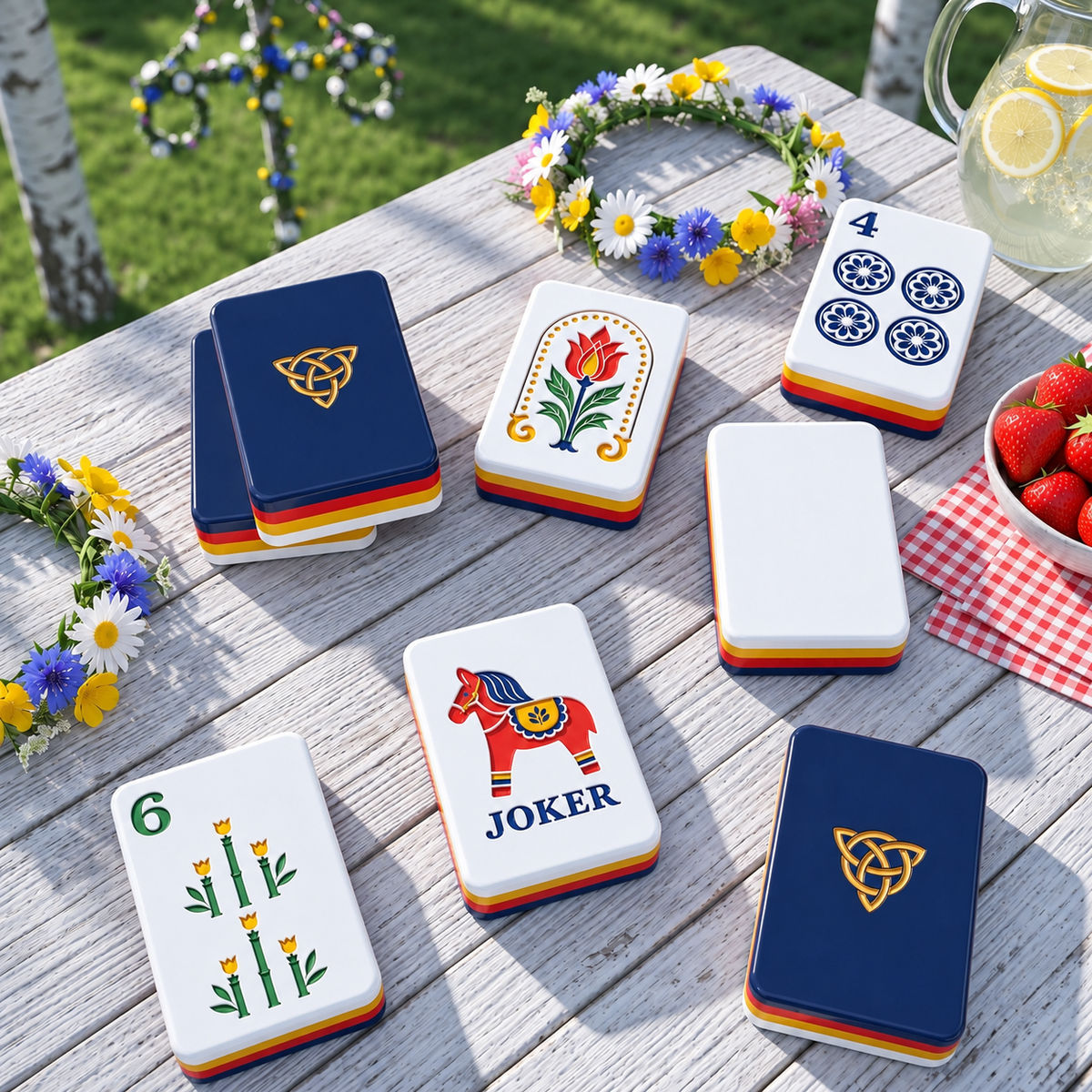
Online mahjong lessons for Wright-Patterson area players are hosted by community centers, synagogues, libraries, and independent instructors through Zoom and video platforms; search local community boards, Meetup, and Facebook groups to find live weekly sessions (typically 60–90 minutes) or self-paced YouTube tutorials covering American rules, hand-reading, and strategy. Lessons usually run beginner-focused (tile values, the Charleston, reading the current-year National Mah Jongg League card) through intermediate play (scoring, defensive discards, when to call). Many instructors teach for free as part of club membership or charge a modest per-session fee; always ask if lessons suit 4-player American mahjong (the standard) or another variant.
Where do I find mahjong lessons near Wright-Patterson?
Start by searching "mahjong lessons online" plus your county name on Meetup, Facebook Groups, and Nextdoor. Many instructors advertise weekly Zoom sessions open to any US player. Contact your local library, community center, or Jewish synagogue—they often host mahjong clubs with built-in teaching or can refer you to active groups. YouTube channels dedicated to American mahjong offer free recorded lessons on fundamentals; search for playlists on tile names, hand-reading, and the Charleston. Ask in online forums which instructor or club hosts beginner-friendly, judgment-free sessions; reputation matters more than polish.

What should a beginner lesson cover first?
A solid first session teaches tile anatomy (Bams, Craks, Dots, winds, dragons, flowers, jokers), how to hold and sort your rack, and the Charleston—the tile-passing ritual that opens every game. The instructor should then walk through reading a hand from the current year's National Mah Jongg League card, showing how pungs (three identical tiles), kongs (four identical), and quints fit the patterns printed on the card. Next comes calling: when you can announce a pung or kong to the table, and how jokers substitute in exposed melds. Scoring (counting points at game's end) usually comes once students can finish a complete hand. A well-paced lesson covers two or three of these; don't rush all five in one session.
How is online learning different from playing live?
Online, you lose the tactile feedback of drawing and discarding real tiles, and you can't read the table's energy or spot a player's habits as easily. Video also flattens the spatial layout of the wall, the discard pile, and racks, making it harder to track which tiles are still in play. However, online lessons often slow down enough for learners to ask questions mid-hand without holding up three other players. Many instructors share their screen showing a virtual tile layout or diagram, and Zoom's chat lets students type questions in real time. After your first few online lessons, playing live (even just one session) with a friend's set will cement the physical rhythm; we recommend joining a best-selling 160-tile American set to your home so you can practice sorting, racking, and calling at your own pace between lessons.
🀄 Shop best-selling mahjong sets →
What should you practice between lessons?
Between sessions, sort and re-sort a real set by suit and honor tile so your hands become muscle memory. Study the current year's National Mah Jongg League card for 10 minutes daily, focusing on one section (like 2024 patterns or quint hands). If your instructor gave example hands, recreate them with your own tiles, then try to spot what tiles block you from winning. Join a free online practice group or find a friend to play short games (even 30 minutes helps); live play teaches decision-making no video can. Keep a notebook of hands you won or missed; patterns repeat. Watch one instructional video on your weakest area (joker rules, reading the card, scoring) each week. By your third or fourth lesson, you should recognize most tiles without thinking and follow the card's layout quickly.

Comparison: lesson types and what to expect
Lesson type | Format | Pace | Best for | What to prepare |
Live Zoom club session | 4–8 players, instructor guides | Moderate; real-time questions | Building confidence + meeting others | Tile set, notebook, camera |
Pre-recorded YouTube | Self-paced, pause anytime | Slow; you control timing | Reviewing specific rules or patterns | Tile set, quiet space |
One-on-one coaching | Private Zoom with instructor | Very slow; tailored to you | Fixing specific mistakes | Set, honesty about struggles |
Hybrid club (online + in-person) | Zoom first month, then live games | Moderate to fast | Smooth transition to competitive play | Set, tablet for Zoom, travel case later |
🎁 See our most-loved mahjong sets & accessories →
What to check before you buy or join
Verify the rules being taught. American mahjong is the only variant played with the National Mah Jongg League card and no chows (sequences); some instructors teach Chinese, Hong Kong, or Riichi mahjong, which have completely different tile counts, hand patterns, and scoring. Ask the instructor upfront: "Are you teaching American mahjong from the current-year League card?" If yes, you're in the right place. If they mention "chows" or sequences you can meld openly, it's a different game.
Check tile accuracy in lessons. A real American set has 152 playable tiles (36 Bams, 36 Craks, 36 Dots, 16 winds, 12 dragons, 8 flowers, 8 jokers) plus spares. If an instructor's diagram or video shows incorrect counts (like five winds of one type, or dragons with no Soaps), their teaching may be unreliable. Always verify using what's in an American mahjong set.
Confirm live-play frequency. Some clubs teach theory but rarely hold actual games; others expect you to join weekly tables after three lessons. Ask how many weeks of instruction precede your first real game and whether you can observe a live session first. A teaching-only group is great for beginners, but you'll eventually want real gameplay to lock in the skills.
Start with a reliable set at home. Before your first lesson, own or borrow a best-selling 160-tile acrylic American set so you can follow along tile-by-tile instead of watching a screen. Handling tiles yourself during a lesson—especially the Charleston and racking—makes the rules stick far faster than passive viewing.
Avoiding common beginner mistakes in online lessons
Mistake 1: Confusing joker rules. New players often think jokers can stand in for any tile anywhere. In American mahjong, jokers substitute only in exposed melds (pungs, kongs, quints), and you can never use a joker as a single tile or in a pair. Ask your instructor to demo this twice using real tiles.
Mistake 2: Memorizing instead of learning patterns. The League card has hundreds of valid hands; you can't memorize every one. Instead, learn the structure (how many of each tile type, where jokers go, what makes a legal combination). This lets you read a hand in seconds even if you've never seen it before.
Mistake 3: Playing too fast after one lesson. After your first session, you understand the rules but not the strategy: which tiles to keep, when to call, how to read an opponent's discard. Play slowly, ask experienced players questions mid-hand, and focus on finishing rather than winning for your first 5–10 games.
Mistake 4: Using the wrong League card. The National Mah Jongg League issues a new card every spring. Always check that your instructor and your lessons use the current year's card. Last year's card is different; mixing them causes confusion and invalid hands.
✨ Find your Mahstead set — free US shipping →

FAQ
Can I learn mahjong entirely online, or do I need to play in person?
Online lessons teach the rules and hand-reading perfectly, but nothing replaces live play for speed and decision-making under pressure. We recommend 4–6 online sessions, then one in-person game. After that, mix both: attend online lessons for refreshers and concepts, play in-person weekly for fluency.
What's the difference between American mahjong and the "mahjong" YouTube teaches?
American mahjong uses the National Mah Jongg League card (issued yearly), no sequences/chows you can meld openly, and 152 tiles with strict hand patterns. Chinese and Hong Kong mahjong are entirely different games with different tiles, hand logic, and scoring. Always verify your instructor teaches American mahjong before signing up.
Do I need to own a set before taking online lessons?
Not strictly, but you should own one within two lessons. Watching a video is one-dimensional; holding tiles, doing the Charleston, and racking your hand teach muscle memory that screen-only learning cannot. A best-selling 160-tile set costs less than two private lessons and lasts decades.
How long until I'm ready to play a real game?
Most casual players are playable (slow but competent) after 4–6 one-hour lessons plus 2–3 hours of solo practice with tiles at home. If you practice daily, you can be comfortable in a beginner game within 2 weeks. Speed and confidence come after 10–20 actual games played.
Should I buy an engraved or custom set, or start with a plain one?
Start with a plain or lightly decorated best-selling set so you learn without distraction. Once you're playing regularly (4+ weeks) and know what design or features matter to you—color preference, pusher style, case type—upgrade to engraved custom sets or specialty designs. Early custom sets often don't match your actual playing style.
What equipment do I need beyond the tiles?
You need a set, a current-year League card (printed or digital), and ideally a mat to define the play area. Many clubs also use racks with pushers to organize your hand; these are optional but helpful once you've played a few times. A travel bag or case keeps your set safe if you move between homes or clubs.


View More
View More
View More
