
Mahjong Mat Reviews: What Matters When Choosing
Last updated: Nov 23, 2026
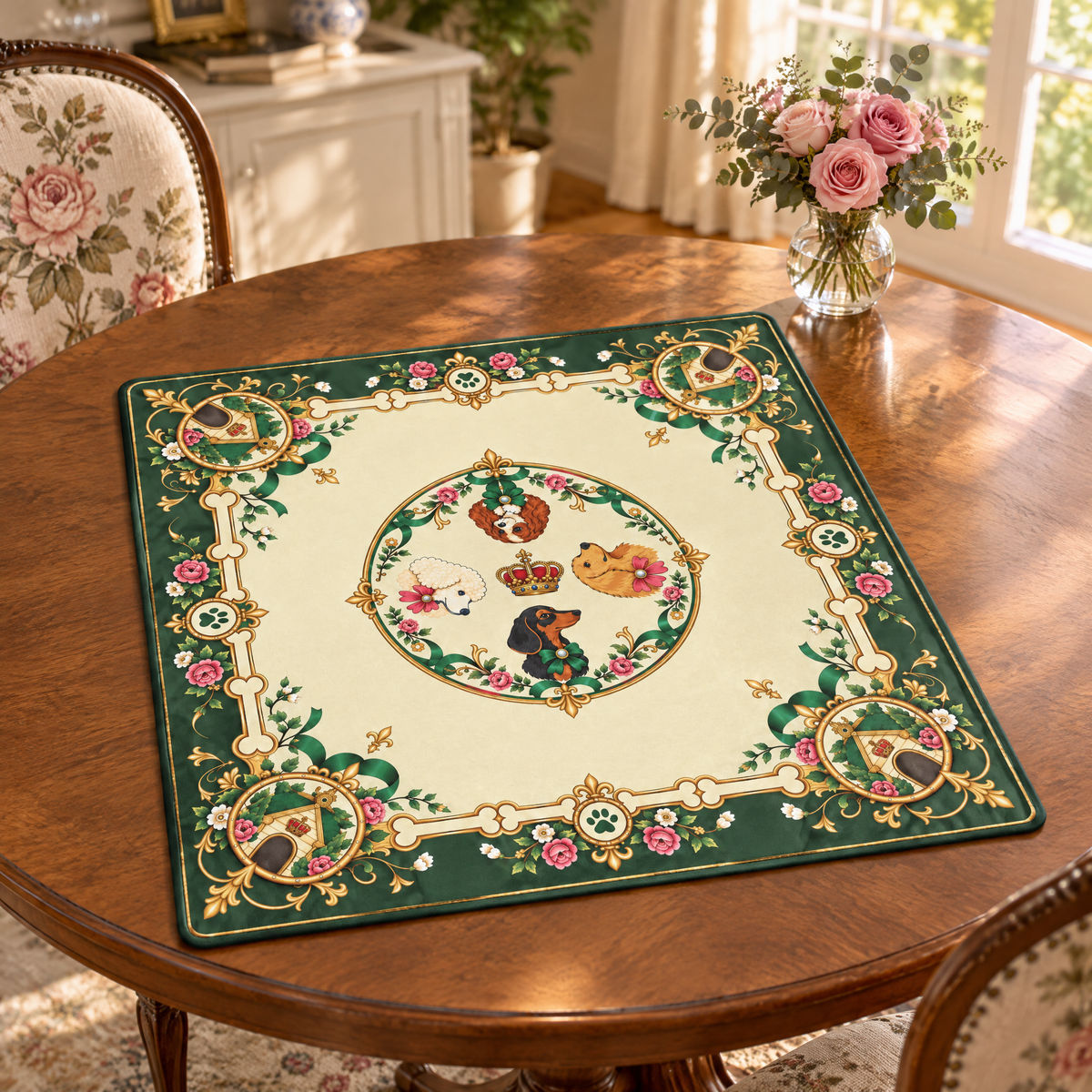
Mahjong mats range from basic felt overlays (portable, affordable, thin) to thick quilted canvas with raised borders (durable, cushioned, pricier). The key decision: are you hosting casual monthly games or playing weekly with serious players? Size matters too—standard mats fit 36–40 inches square, enough for four players and a 152-tile set plus racks; some have pockets for tiles, others don't. Mahstead mahjong mats come in engraved designs with or without joke text, rolled or flat-packed. Check material thickness, border grip (so tiles don't slide), and whether it fits your storage space before ordering. Most quality mats last 3–5 years with weekly play; budget between mid-range and premium based on play frequency, not brand alone.
A good mahjong mat does three jobs: it protects your tiles and table, it holds four players' racks and the loose tile pool in place, and it makes setup and cleanup fast enough that you actually enjoy hosting. We've played on everything from kitchen tablecloths to inherited mats that are older than some of our players, and what we've learned is that mat choice often comes down to one honest question: what are you willing to store, and how hard do you want your tiles to work against physics?
What's the real difference between mat materials?
Felt is light and folds small; canvas is heavier but absorbs bumps. Felt mats are typically 1–2mm thick—great for travel or apartment players—but the surface grips less reliably when someone's hand moves fast or a tile gets nudged. Quilted canvas mats run 3–5mm thick with a rubber or felt backing; tiles stay put, your hands feel softer landing on them, and the mat protects the table underneath. Raised or padded borders keep tiles from rolling off if an elbow lands near the edge. The honest trade-off: felt travels in a flat pouch; canvas needs roll storage or a dedicated drawer. If you're playing at the same table every week, canvas wins. If you rotate between friends' houses or move frequently, felt's your friend. Explore Mahstead's mat collection—we offer both styles so you pick based on your life, not our inventory.
🎁 See our most-loved mahjong sets & accessories →
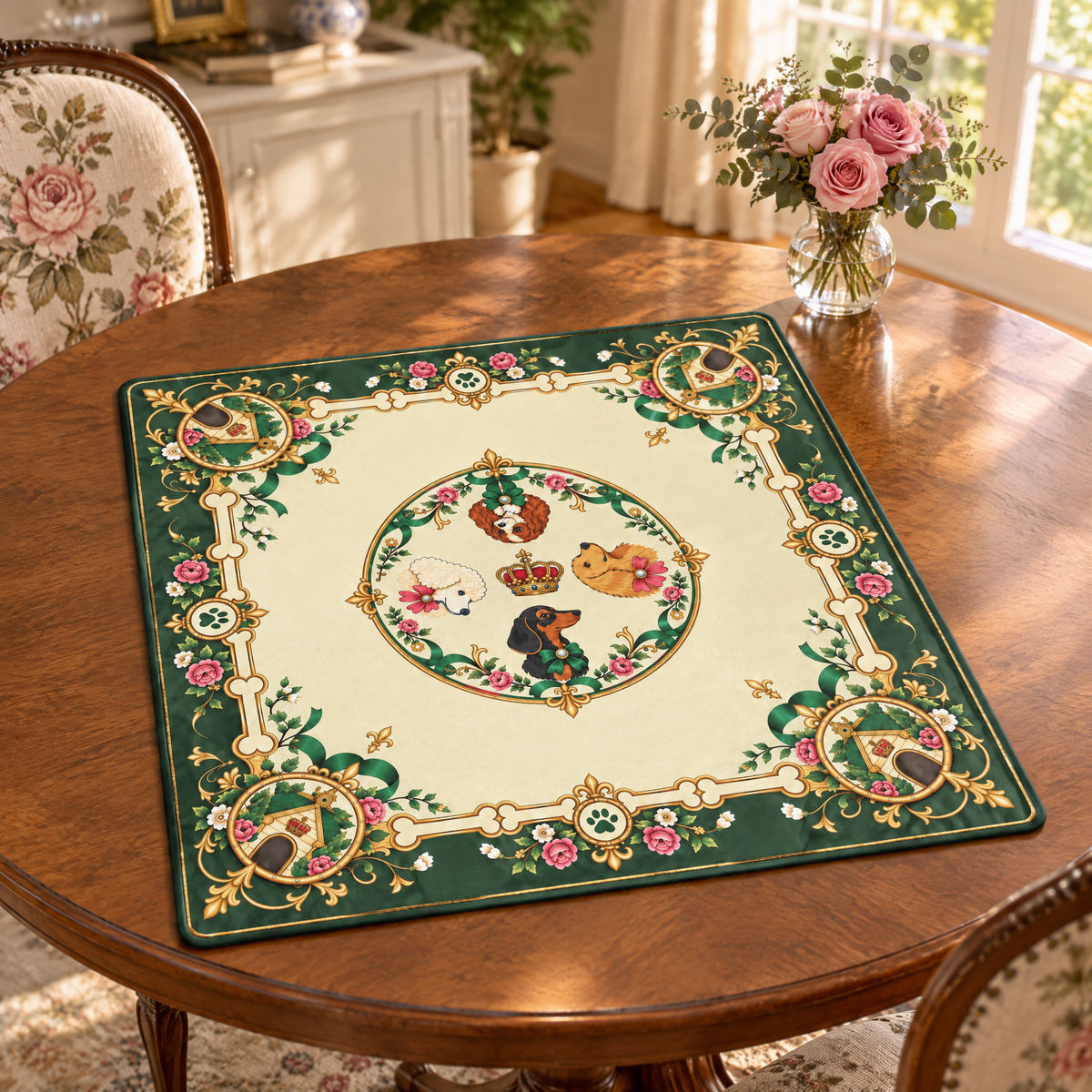
Does mat size actually matter for four-player games?
A 36×36-inch mat is the standard for four players sitting on four sides of a table; a 40×40-inch mat gives slightly more breathing room. Some players upgrade to 42 or 44 inches if they use large racks with pushers or have deep tile pools, but honestly, most home tables are already tight enough that size beyond 40 inches doesn't help—it just makes storage harder. Before you choose, measure the table you'll actually play on; if it's a dining table with a 48-inch width, a 36-inch mat leaves ugly corners exposed. If it's a standard folding mahjong table (usually 34–36 inches), go 36-inch mat. A mat that hangs over the edge by 2–4 inches on all sides is ideal for keeping spilled tiles contained. Some mats have pockets or a designated "wall" area for the live tile pool; others are flat. The pocket design is faster for setup but feels cramped if your group prefers a looser tile arrangement. Measure first, then compare the layout.
Should you pick engraved text or a blank design?
Engraved mats with jokes, player names, or titles ("Mahj Royalty," "Tile or Die," year + initials) add personality—that's why they're popular gifts. Blank or minimalist mats in solid colors don't distract and age better visually. The engraving itself doesn't affect play; it's purely aesthetic. Here's the real consideration: will this mat stay at one house, or will it travel? If it's a permanent fixture at your weekly game, an engraved mat becomes part of the room's charm. If you rotate hosts or pack it for trips, you might prefer a neutral look so it fits any décor. Both options are equally durable if the material is good quality. Browse engraved American mahjong sets and mats if you want text, or stick with solid mahjong mats if you prefer minimal.
✨ Find your Mahstead set — free US shipping →
What about grip, seams, and long-term durability?
The underside of a mat matters as much as the top. Mats with rubber or suede backing stay put on smooth tables; felt backing can slide if the table is glossy. Seams are usually finished at the edges; if a seam is loose or fraying after a few months, that mat was either badly made or handled roughly during shipping. Quality mats have heat-sealed or tight-stitched edges. The playing surface should resist pilling (tiny fabric balls that form with friction); premium canvas and felt do this better than budget alternatives. Within the first few uses, check the corners and edges for loose threads; a light trim with scissors fixes minor fraying. If the border starts separating from the base within the first three months and you've used it normally, there's a manufacturing defect. Durability is also about how you store it—rolled is better than folded for canvas, flat is better than rolled for felt. Mats that live in closets or drawers last longer than those left on tables between games.
How do mat prices compare, and what should you actually spend?
Mat Type | Typical Material | Thickness | Best For | Storage |
Basic felt | Felt, single-layer | 1–2mm | Travel, casual play | Flat folder |
Standard canvas | Canvas, quilted | 3–4mm | Weekly home games | Rolled tube |
Premium canvas | Canvas, thick padding | 5–6mm | Serious players, daily use | Rolled tube |
Bordered quilted | Canvas with raised edge | 4–5mm | Protection from spills | Rolled tube |
Entry mats are affordable and work fine for casual players; mid-range mats offer better grip and last longer with weekly play; premium mats justify cost only if you're hosting serious games or playing daily. Check the product page before ordering to confirm thickness and material. Free shipping across the US means you can order knowing there's no surprise fee, but confirm return policy if the mat doesn't feel right when it arrives.
What to check before you buy
Table size. Measure your actual play table—don't guess. A 36×36-inch mat is standard; confirm it won't hang awkwardly or feel cramped.
Storage space. Canvas rolls need a tube or deep drawer; felt folds into a pouch. Be honest about where you'll keep it.
Border design. Do you want pockets for the tile pool, or a flat surface? Do you need raised edges to contain tiles?
Surface texture. Feel a mat in person if you can (at a game night or friend's house), or watch a video of tiles moving on it. Felt lets tiles glide more; canvas resists.
Backing grip. If your table is glossy or smooth, look for rubber or suede backing so the mat doesn't shift mid-game.
Color and engraving. Will it match your space? If you're gifting it, does the recipient like their name or a joke on the mat, or is that too much?
Shipping and returns. Confirm the seller's return window in case the mat arrives damaged or feels wrong for your game.
🀄 Shop best-selling mahjong sets →
Most players we know underestimate how much a good mat changes the experience. It's the difference between tiles sliding everywhere and everyone staying focused. Pick based on your play style and storage, not just price, and you'll get years of solid games out of it.
FAQ
What size mat do I need for four players?
A 36×36-inch mat is standard; 40×40 inches gives more room but is overkill for most home tables. Measure your table first. If it's smaller, go 36-inch; if wider, 40-inch keeps tiles from rolling under furniture.
Can I use a mahjong mat on a glass or tile table?
Yes, but confirm the backing has rubber or suede grip so it won't slide during play. Felt backing alone can slip on glossy surfaces. Test it before an important game.
How do I clean a mahjong mat?
Vacuum gently or wipe with a dry cloth to remove dust. For stains, spot-clean with mild soap and cool water, then air-dry flat. Never machine-wash; heat damages the backing.
Does an engraved mat affect how tiles move?
No. Engraving is surface-level and doesn't change grip or feel. Tile movement depends on material (felt vs. canvas) and backing, not text.
Should I buy a mat if I'm just starting to learn mahjong?
Not immediately. Borrow one from a friend or play at a club first to learn the game. Once you know you'll play regularly, invest in one. A quality mat lasts years if you use it weekly.
What's the difference between a mat and a table cover?
A mat is a standalone playing surface you roll or fold; a table cover permanently covers a table and stays in place. Mats are portable and work on any table; covers are for dedicated mahjong tables. Compare mats and table covers for your setup.
Can I pair my mat with Mahstead racks and pushers?
Absolutely. Mahjong racks with pushers rest comfortably on any mat and keep tiles organized on your side. They're a natural pairing if you want to protect your hand and speed up play.


View More
View More
View More
