
Mahjong Mat for Small Tables: Size Guide & Best Options
Last updated: Nov 23, 2026
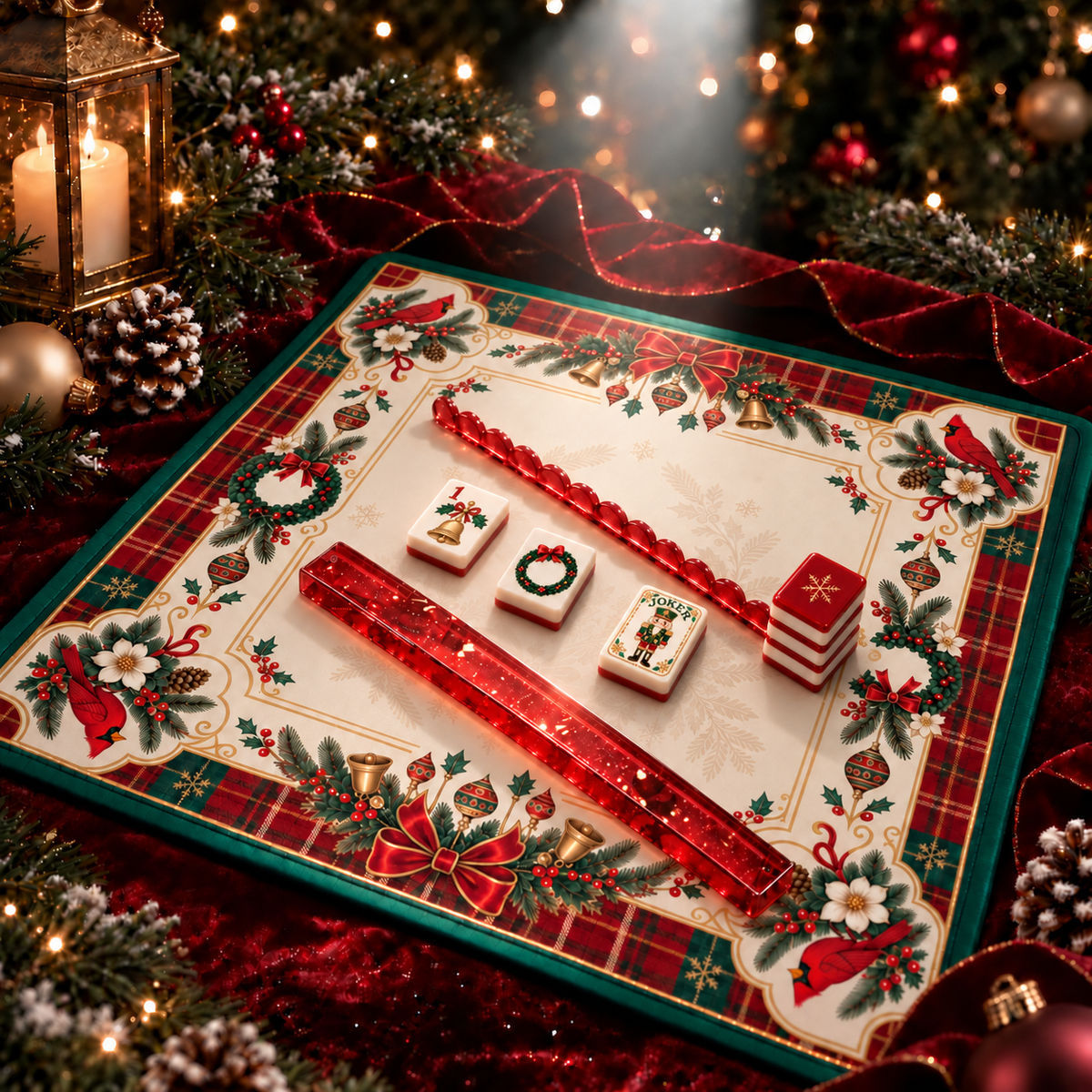
A mahjong mat for a small table is a padded, printed fabric layout sized to fit tables 36–48 inches wide, with printed tile guides and player zones. Mats range from minimal quarter-fold designs (no Charleston area) to full compact layouts that preserve all four player sections. Most are non-slip rubber-backed, rolled or folded in a protective bag, and cost varies by material and print detail. Choose based on your table depth—measure both dimensions before ordering—and whether you need a labeled Charleston guide or just the playing zones. We recommend checking the product dimensions against your exact table, as mats with overhang bunch awkwardly on narrow bases; compact mats eliminate waste but require precise measuring. 🀄 Shop best-selling mahjong sets →
Why measure your table before buying a mat?
Undersized mats slide and bunch; oversized ones fold under chairs or drag on the floor. Your mat width should be 2–4 inches smaller than your table width, and depth must account for the narrowest seating zone (typically 12 inches). Measure the playing surface, not the frame—many small tables have pedestal or tripod bases that won't support mat overhang. If your table is exactly 42 inches wide and 28 inches deep, a 38×24 mat fits snug; a 40×26 mat will crimp at the sides. Document your measurements and compare them to the product specs before checkout—a mat won't adjust, but your order can if you reach out before shipping. We've seen players return mats because they ordered the "standard" size without measuring, only to find it draped over a narrow cafe table.
What's the difference between compact and full-size layouts?
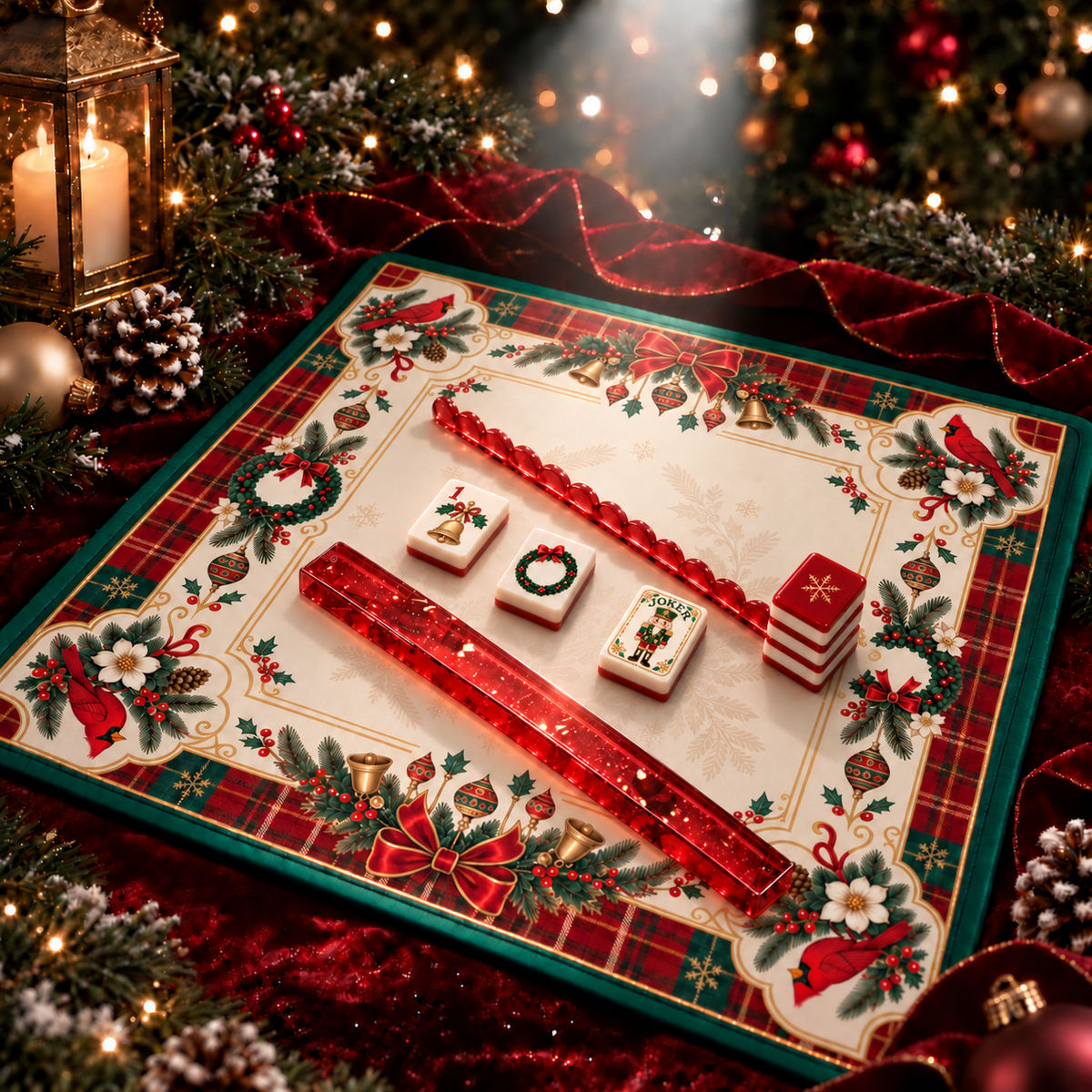
Full mahjong mats include a Charleston area (the exchange zone before play) and large labeled player sections. Compact mats drop the Charleston zone or shrink it to a small corner, dedicating more space to the playing grid. Compact layouts fit 36–42-inch tables; full layouts need 48+ inches. If you play weekly and use the Charleston every hand, a full layout keeps the ritual organized and prevents tiles from sliding into other zones. If space is tight or you play casual games where Charleston happens off the mat, a compact layout works fine. The print clarity matters equally on both—compressed layouts need clear, large numerals and suit symbols so players can read from across the table without squinting. Choose based on whether your group values ritual organization or prioritizes playing surface space; both work, but the experience differs.
Should you use a mat vs. a table cover?
A mat stays flat during play, protecting the table and providing tile traction; a cover is cloth that shifts with bumps and knocks. Mats have quilted or rubber backing; covers are single-layer fabric. On a small table where every inch counts, a mat is worth the space cost because it prevents mis-dealt tiles from sliding. Covers work well on large, stable tables where tiles have room to shift. If your small table is wobbly or has a glass top, a mat (not a cover) adds grip and absorbs vibration. For more on this comparison, see mat vs. table cover.
What mat features work best on tight setups?
Non-slip rubber backing is essential on small tables—without it, the mat slides when players bump elbows reaching for tiles, and tiles tumble. Corner reinforcement (stitched or glued edges) prevents curling on compact mats, which are under more tension than full-size versions. Printed player zones (North, East, South, West labels) help newer players orient themselves quickly on a crowded mat where seats are close. Look for mats with bonus marked-out joker or flower areas if your group loses track of special tiles. Matte finishes (not glossy) reduce glare from overhead lights, critical on small tables where everyone's line of sight is lower and more direct. Our best-selling compact mats use triple-stitched edges and thick rubber backing specifically for this reason.
✨ Find your Mahstead set — free US shipping →
Which mat pairs best with your playing setup?
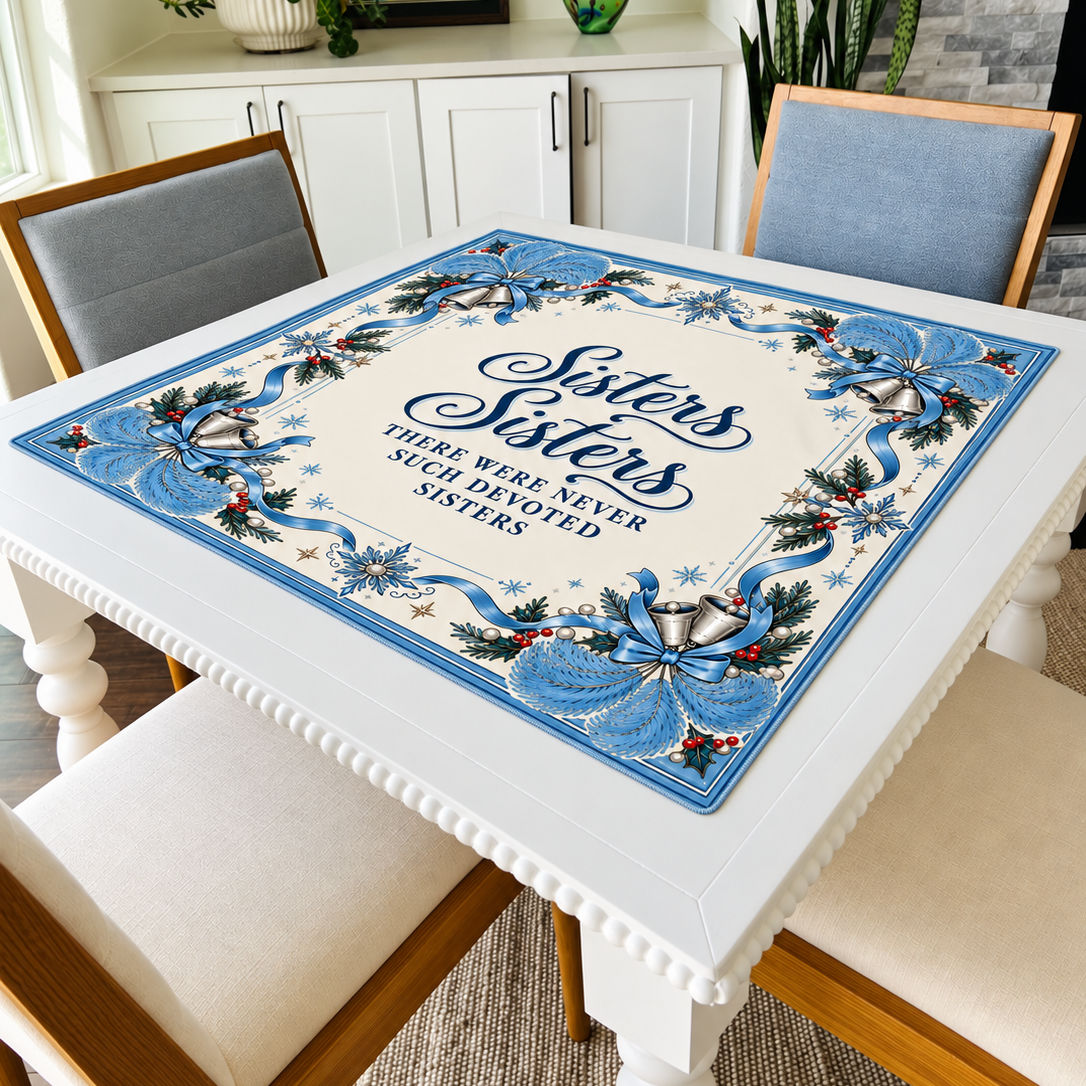
If you have racks with pushers, choose a mat with clear, wide zones so the racks don't overlap grid lines—a cluttered mat confuses tile placement. Compact mats need taller racks or no racks at all, because a full rack plus a narrow mat workspace leaves almost no buffer. If you're storing tiles in a bag between games, pick a mat with a protective carry sleeve or that rolls small enough to fit a standard travel bag. If you're hosting players at different skill levels, a mat with large, printed score tracking areas (some compact mats include a corner grid for keeping score) helps beginners follow the hand. Consider a mat that works with your set's aesthetic—engraved sets with player names pair nicely with custom or themed mat designs. Browse engraved mahjong sets to see which mat styles complement your tiles.
🎁 See our most-loved mahjong sets & accessories →
Small-table mat comparison: what works for your space?
Setup Type | Mat Size | Best For | Notes |
Cafe or bistro table (36–40") | 34×22–36×24" | 2–3 player games, casual setups | Minimal overhang; check pedestal base clearance |
Coffee table (40–44") | 36×24–40×26" | 4-player friendly; couples' games | Most balanced for small homes |
Folding dining table (44–48") | 40×26–44×28" | Full 4-player ritual; weekly groups | Maximum workspace; mat stays flat |
Nesting/side table (36–42") | 32×20–36×24" | Solo practice; 2-player learning | Spare mat for travel |
Choose your row based on your table's exact dimensions (depth matters as much as width); then verify the mat specs match before adding to cart.
🀄 Shop best-selling mahjong sets →
What to check before you buy
Measure your table twice—width and depth, playing surface only.
Check the mat dimensions—confirm they're 2–4 inches smaller than your table width.
Verify seat depth—if your chairs sit 14 inches from the edge, the mat shouldn't cover more than 12 inches of table depth per side.
Confirm backing type—non-slip rubber, not bare cloth.
Test the carry case—if you move the mat weekly, ensure it rolls or folds into your mahjong bag.
Read the return policy—mats are final once used, so measure before opening.
Small-table mats are a one-time investment; getting the size right saves frustration and keeps tiles in play where they belong.
FAQ
Can I use a full-size mat on a small 40-inch table?
No. A full mat (typically 44×28 inches or larger) will overhang and bunch on a 40-inch table, creating wrinkles that snag tiles. Measure your table and order a compact mat instead—it's designed for this exact scenario.
Do compact mats without a Charleston zone work for regular games?
Yes, if your group doesn't strictly follow the pre-game tile exchange. The mat guides play; the Charleston happens off-mat. For formal weekly games, a full layout (or a larger table) keeps ritual clear.
What's the best mat backing for a glass-top table?
Non-slip rubber backing with extra thickness prevents tiles from skidding when the glass flexes. Triple-stitched edges stop the mat from curling on the glass's edges.
How do I prevent a mat from shifting on a wobbly small table?
Use a thick, rubber-backed mat (not a cover) and ensure the table's legs are stable first. A shifting table, not the mat, is the real problem—fix the table.
Can I use a small mat for 2-player mahjong?
Yes. A 36×24 mat fits two players comfortably with room for discards and the tile wall. Remove the unused zones mentally, or cover them with a second mat if you prefer separate play areas.
Should I buy a spare compact mat for travel?
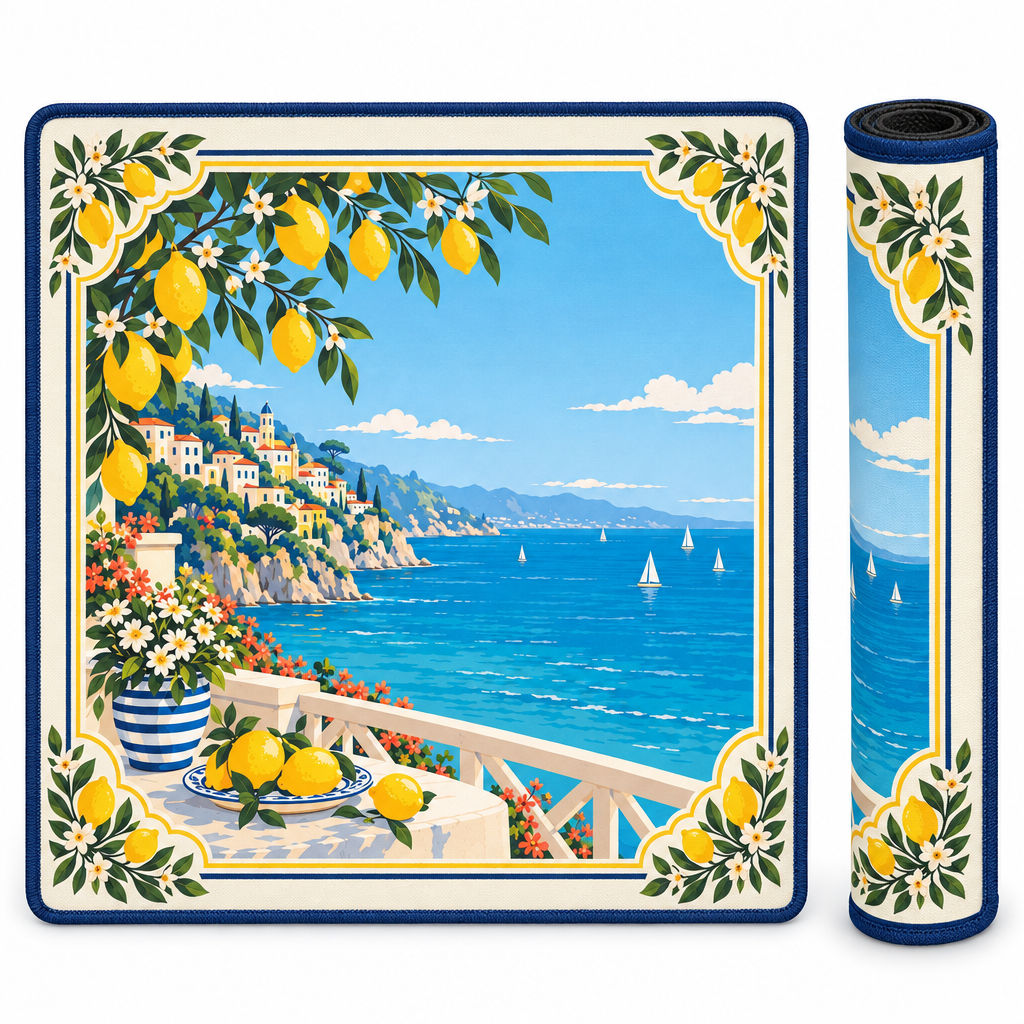
Only if you host in multiple locations weekly. Otherwise, one mat paired with a travel bag rolls into most car trunks. Check the bag dimensions against your rolled mat before ordering.


View More
View More
View More
