
Automatic Mahjong Table for Seniors: What to Know Before Buying
Last updated: Nov 23, 2026
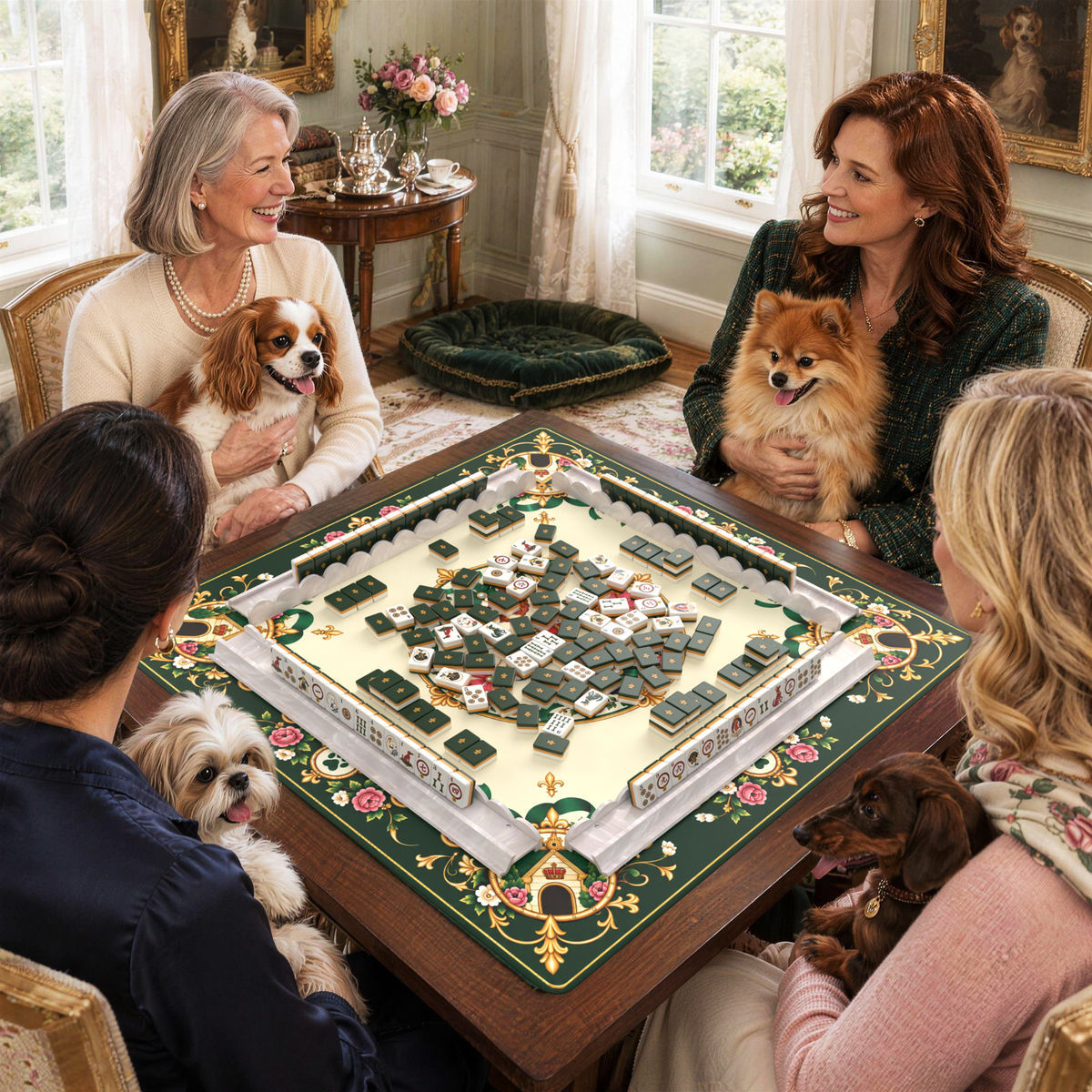
An automatic mahjong table is a motorized cabinet that shuffles, stacks, and distributes tiles at the push of a button, eliminating manual hand work that strains wrists and fingers. Most models run on electricity (some battery-backup variants exist) and take 3–5 minutes per cycle versus 15–25 minutes for manual setup. They typically cost significantly more than a standard playing mat—ask your retailer for a quote based on model and features. Seniors with arthritis, limited grip strength, or those playing in high-volume groups benefit most. However, they require space (most are 3–4 feet per side), electricity access, and maintenance. Manual play with quality mahjong racks and pushers often delivers similar ergonomic relief at a fraction of the investment and zero noise—a real trade-off worth considering before committing.
An automatic mahjong table shuffles and stacks tiles by motor, eliminating manual hand work that strains wrists and fingers. Most models run on electricity and take 3–5 minutes per cycle versus 15–25 minutes for manual setup. They typically cost significantly more than a standard playing mat. Seniors with arthritis, limited grip strength, or those playing in high-volume groups benefit most. However, they require space (most are 3–4 feet per side), electricity access, and maintenance. Manual play with quality mahjong racks and pushers often delivers similar ergonomic relief at a fraction of the investment and zero noise—a real trade-off worth considering.
Who Actually Needs an Automatic Table?
Not every senior mahjong player needs motorized shuffle. If you play once or twice weekly and have functional wrists, a good mat with pushers saves money and storage space. Automatic tables shine for caregivers hosting daily games, physical therapy centers, or long-term care facilities running back-to-back sessions. They also help players with advanced arthritis, Parkinson's tremor, or post-surgery recovery—where repeated gripping and knuckle-breaking the wall causes real pain. Ask yourself: Does someone in your group need pain relief now, or is this aspirational? One real question from our weekly players: "My mom can't shuffle anymore, but she still loves the game." That's your signal to explore automatic options.
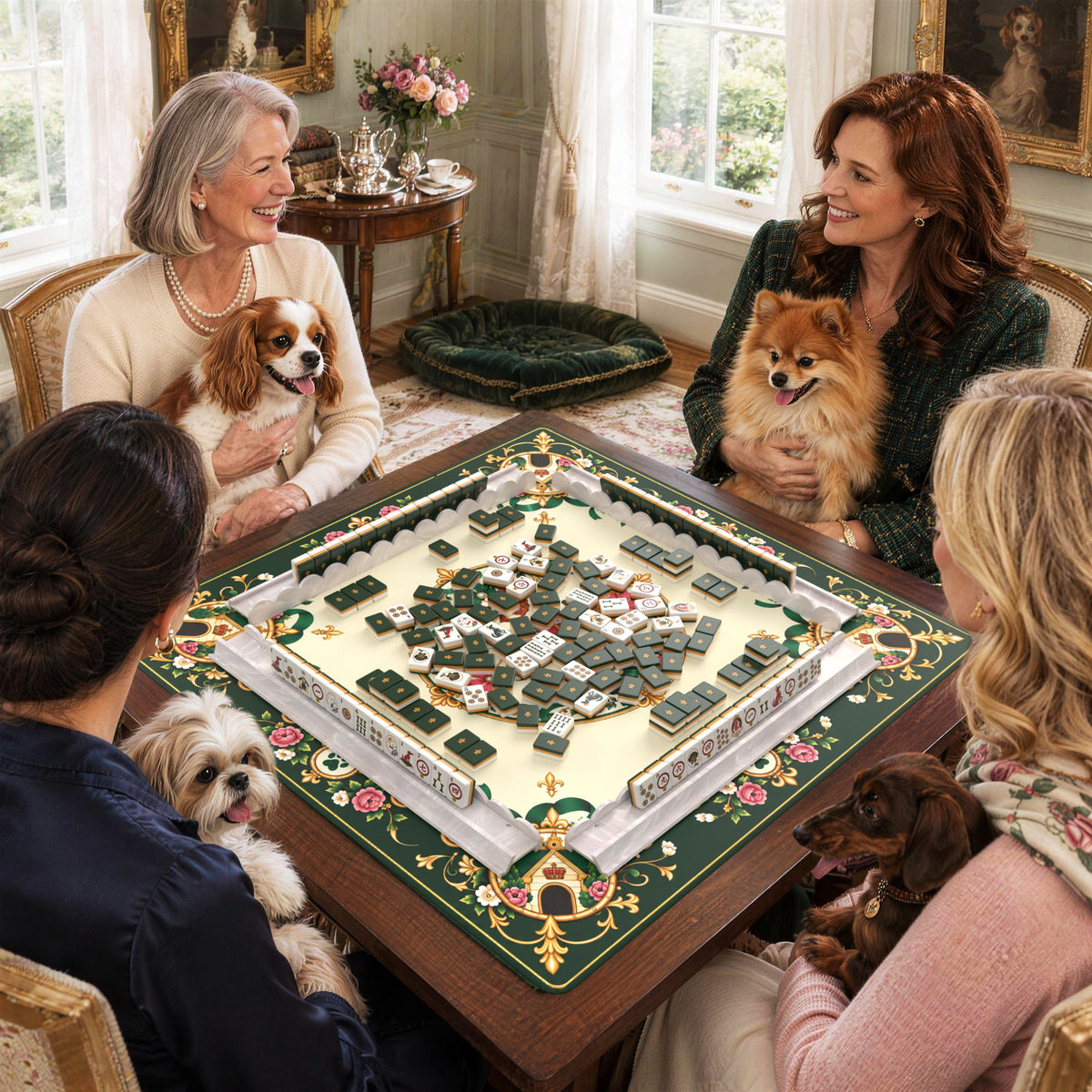
Automatic vs. Manual Setup: Time and Effort Breakdown
Here's what you're trading off when you skip the motor:
Factor | Automatic Table | Manual Mat + Racks | Manual Mat Only |
Setup time per round | 3–5 min | 8–12 min | 15–25 min |
Physical strain (hand/wrist) | None | Minimal (pusher eases it) | High (knuckle-breaking the wall) |
Storage footprint | ~12–16 sq ft permanent | ~2 sq ft folded | ~2 sq ft folded |
Cost (rough range) | High | Low to moderate | Low |
Maintenance | Motor, wear; parts may fail | None | None |
Noise level | Moderate (motorized hum, clicking) | Silent | Silent |
Setup learning curve | Minimal (one button) | Minimal | Easy |
The honest read: a quality best-selling mahjong set paired with racks and pushers covers 80% of what seniors need—speed without the cabinet. If setup pain (not just time) is the barrier, racks win on practicality and cost.
What to Check Before You Buy an Automatic Table
Space and power: Automatic tables measure roughly 3–4 feet on each side and weigh 80–150+ pounds. You'll need a dedicated spot near a grounded outlet (120V standard in the US). Apartment dwellers and those with limited room often find manual + racks with pushers a better fit.
Noise tolerance: The motor hums, gears click, and tiles tumble for 3–5 seconds per cycle. In quiet senior centers or homes, this can disrupt conversation or surprise players with hearing aids. Manual setups produce zero noise.
Maintenance reality: Motors fail. Gears wear. Tile sensors misalign. Ask the seller about warranty (typically 1–3 years), spare parts availability, and repair costs before ordering. Some vendors don't service units outside their region.
Tile compatibility: Not all motors work with all tile weights and sizes. Standard American sets (152 tiles + 8 jokers) fit most tables, but engraved or custom sets may jam if tiles are thicker or lighter. Confirm tile spec with the table maker.
Who operates it? If a caregiver or staff member must run the table, training is quick (press a button). If a frail senior with tremor or cognitive changes must do it themselves, the learning curve matters less than the reliability of the motor.
Manual Alternatives That Deliver 90% of the Benefit
Many of our weekly players discovered that the real strain isn't time—it's hand work. A quality mahjong mat paired with racks and pushers cuts setup effort dramatically:
Racks hold tiles vertically, eliminating the need to grip and arrange them flat.
Pushers let players advance tiles without bending or twisting wrists, reducing strain from the "Charleston" passing round.
A mat with raised edges and printed suit/honor guides makes wall-breaking and organization intuitive—no fumbling.
Setup still takes 8–12 minutes, but 90% is standing and organizing, not painful gripping.
The cost? A solid engraved set, mat, and rack-plus-pusher kit runs a fraction of an automatic table and ships free across the US. For seniors with mild to moderate arthritis, this is the sweet spot.
🀄 Shop best-selling mahjong sets →
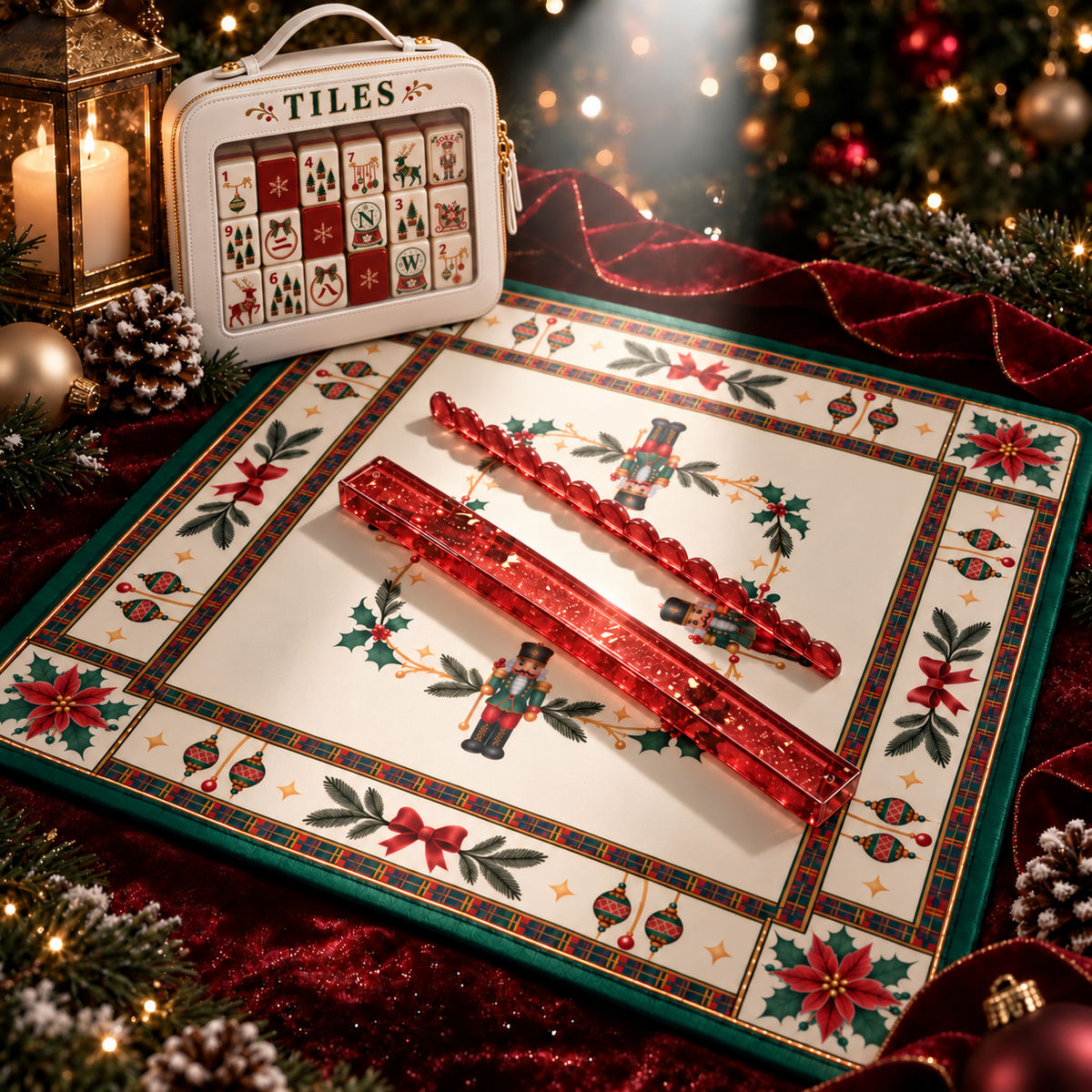
Comparing Purchase vs. Rental for Occasional Use
If you're testing whether an automatic table makes sense, renting is smart. Senior centers, retirement communities, and some game clubs rent tables by the day or month. Rental costs let you test noise level, space needs, and whether your group actually uses the speed gain before buying.
Buy if: You host games 4+ times weekly, own the space, have multiple seniors with arthritis, and plan to keep the table 5+ years.
Rent if: You're trying it for the first time, space is tight, or you're unsure whether the noise and learning curve fit your group.
Skip the automatic entirely if: You play casually (1–2 times weekly), have working hands, and enjoy the social ritual of setup. Many of our best weekly games run on quality mats with racks—no electricity required, no parts to break.
Where to Source and Red Flags to Avoid
Automatic tables are niche products. You'll find them through dedicated game suppliers, direct from Asian manufacturers (via import), or occasionally at retirement community auctions. Avoid sellers who don't disclose:
Weight, exact dimensions, and power requirements
Tile compatibility (what set weight/size it accepts)
Warranty length and what's covered
Local service or parts availability
Real customer reviews (not fabricated testimonials)
Ask the seller to confirm that a standard 152-tile American mahjong set will cycle smoothly. If they can't answer, keep shopping.
🎁 See our most-loved mahjong sets & accessories →
The Real Cost: Total Spend Checklist
Before you commit, total the full picture:
Table purchase (ask your vendor for a quote)
Delivery and installation (can be substantial; confirm this upfront)
Electricity upgrade if needed (have an electrician assess)
Extra tiles (some tables wear tiles faster; budget replacements)
Warranty extension (optional but wise for motorized equipment)
Annual maintenance (cleaning, lubrication, sensor checks if offered)
Many seniors find that a one-time buy of engraved, quality American sets, durable mats, and racks with pushers covers years of weekly play without hidden costs. Manual setup truly is the lower-risk path for most groups.
✨ Find your Mahstead set — free US shipping →
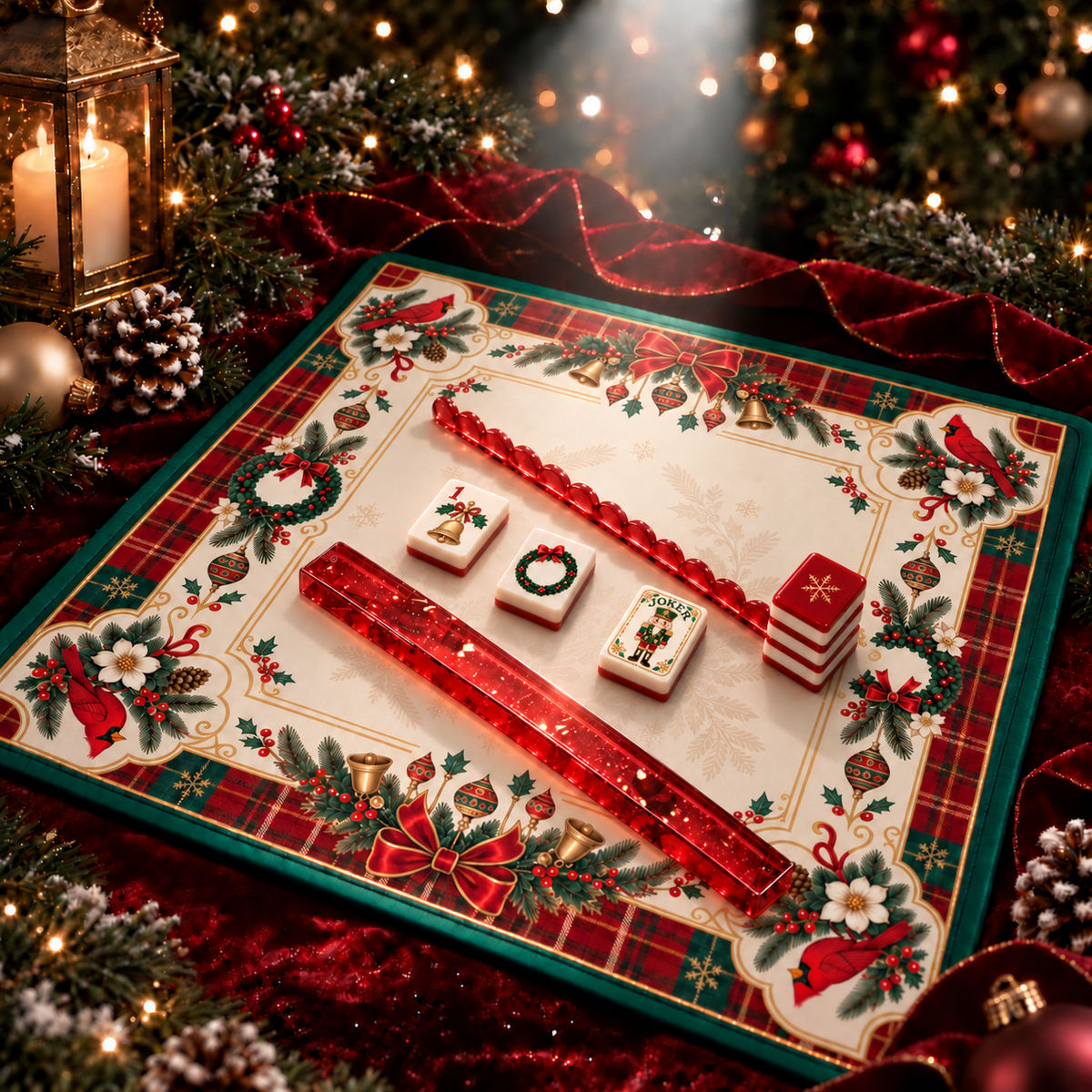
FAQ
How long does an automatic mahjong table take to shuffle and deal?
Most models complete a full cycle (shuffle, stack, and distribute tiles to the players' racks) in 3–5 minutes, compared to 15–25 minutes of manual setup and wall-breaking.
Can a senior with arthritis operate an automatic table alone?
Yes, if mobility and cognition are intact—pressing the start button requires minimal strength. However, a caregiver should monitor the first few uses to confirm the player is comfortable with the motor noise and process.
Is an automatic table worth it for occasional home play?
Rarely. If you play once or twice weekly and own the space, invest in a quality mat and racks with pushers instead. The pain relief comes from ergonomic tools, not speed.
What tile size and weight do automatic tables accept?
Standard American mahjong sets (152 tiles, typical weight and dimensions) fit most machines, but confirm with your vendor before ordering. Heavy or oversized tiles may jam gears.
Can you move an automatic mahjong table easily?
No. Most weigh 80–150+ pounds and require a dedicated power outlet and space. Moving involves disconnecting, transporting carefully, and reinstalling—plan for professional help or a strong team.
What happens if the motor breaks?
Repair depends on warranty (typically 1–3 years) and whether the seller offers parts or service in your region. Some vendors don't support out-of-region repairs. Ask about this before buying.
Is a silent, manual setup with racks really enough to prevent hand pain?
For many seniors with mild to moderate arthritis, yes—racks eliminate gripping, and pusher tools reduce wrist strain. For severe arthritis or nerve damage, an automatic table may still be necessary; consult your doctor or occupational therapist.


View More
View More
View More
