
Mahjong Lessons in Westchester: Finding Teachers & Starting Play
Last updated: Nov 23, 2026
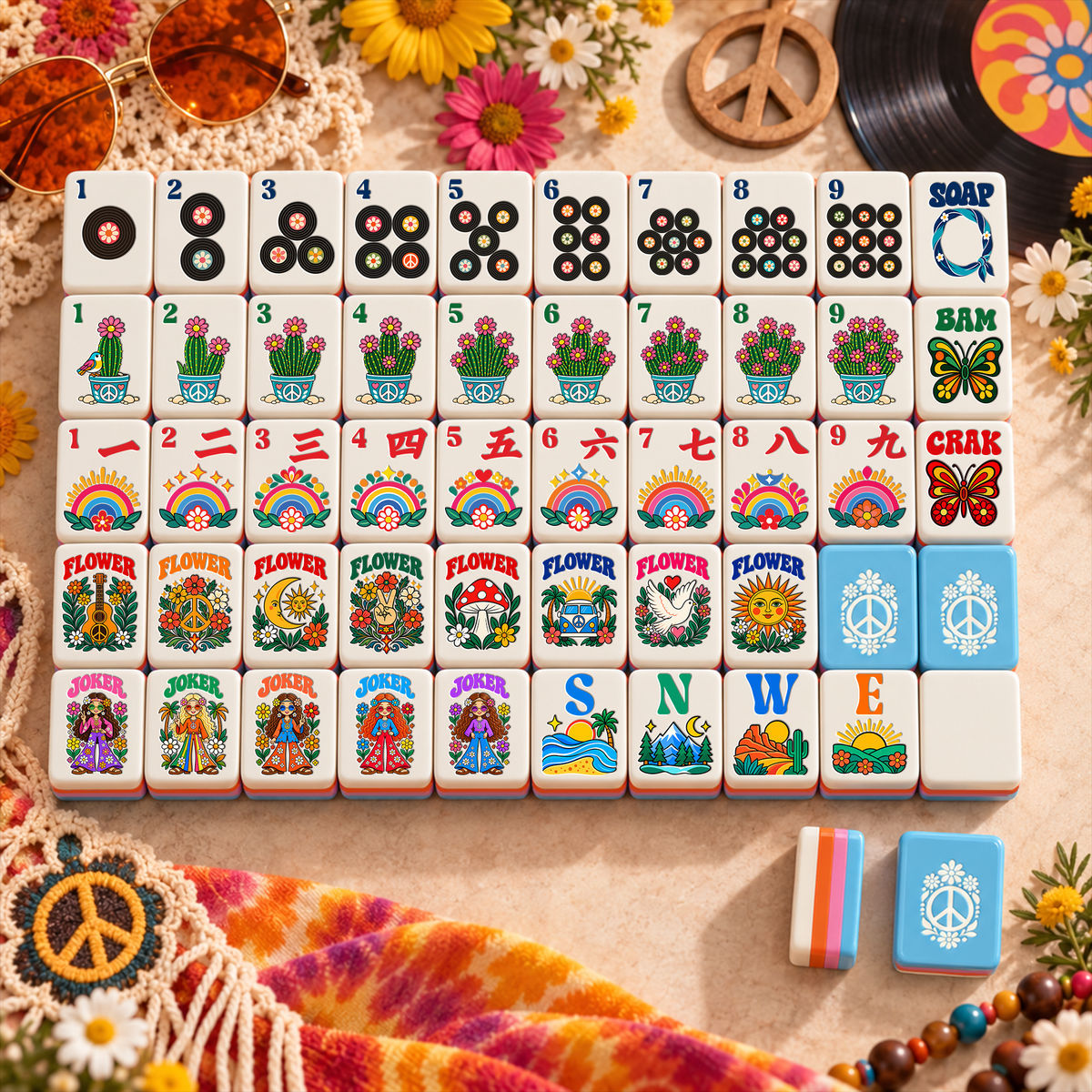
Mahjong lessons in Westchester are available through community centers, public libraries, and private country clubs that host regular beginner and intermediate classes. Most community programs charge modest hourly or session fees; private lessons run higher. A typical beginner course covers tile identification, hand-reading from the current National Mah Jongg League card, the Charleston passing ritual, and basic scoring over 4–6 weeks. Look for classes at your town's Parks & Recreation department, the local public library's adult education bulletin board, or country clubs in your area that list open play nights. Avoid private instructors who don't teach American mahjong rules or who charge upfront for multi-month commitments before you've played a hand. Once you commit to lessons, invest in a 160-tile American set and a quality mat so you practice the real table feel at home—the tactile difference between genuine acrylic tiles and cheap plastic ones is immediate and worth the cost. 🀄 Shop best-selling mahjong sets →
Where exactly do Westchester players find lessons?
Westchester's mahjong instruction lives in three main ecosystems. First, check your town's Parks & Recreation website—most offer adult education courses in fall and spring, often taught by retired players who know American rules inside-out. Second, the Westchester County Library system and its branches frequently host community game nights and beginner workshops; call ahead or visit the adult programs desk. Third, country clubs and athletic clubs in your area often welcome non-members to beginner cohorts or can refer you to their instructor pool. Don't overlook synagogue bulletin boards and community centers; many have standing Thursday-night or Tuesday-afternoon beginner circles. Start by calling your local Parks & Rec office or library reference desk; they'll know current offerings faster than online search.

What should a real beginner mahjong course actually teach?
A solid beginner program covers six core areas over 4–8 weeks: tile anatomy (the three suits—Bams, Craks, Dots—plus winds, dragons, flowers, and jokers), how to read the current year's National Mah Jongg League card, the Charleston (the tile-passing ritual before each game), exposing and claiming tiles correctly, how jokers work in American mahjong, and basic scoring. Each lesson should include 1–2 hours of supervised play so you practice calling hands, discarding safely, and recognizing when an opponent is close to winning. Red flags: instructors who skip the card, teach chows (sequences you can claim—they don't exist in American mahjong), or rush through Charleston rules. The best teachers spend at least 20 minutes on how to read the mahjong card because that skill unlocks every hand you'll ever win. Ask prospective instructors upfront whether they teach from the official NMJL card and whether the course includes tabletop play; both are non-negotiable.
🎁 See our most-loved mahjong sets & accessories →
How do you practice mahjong between lessons at home?
Between class sessions, you need three things: a real 160-tile American set, a quality mat with dividers, and the current year's NMJL card. At home, you can drill solo—lay out example hands from the card, shuffle your tiles, and practice spotting which tiles complete them. Better still, recruit a household member or friend and play hands together without gambling, focusing purely on recognizing patterns and calling correctly. Use a mahjong mat because it marks each player's wall and discard zone; without those dividers, you'll build sloppy walls and miss the discipline that lesson time teaches. A set with acrylic tiles and a padded mat costs far less than a single private lesson, and the tactile feedback of real tiles trains your hands and eyes for table speed. Many instructors will tell you mid-course which brands hold up best; listen to them. Don't buy a set with tiny tiles or a flimsy mat—they'll frustrate you and slow your learning.
What's the difference between joining a Westchester lesson group vs. open play night?
Lesson groups are structured: a teacher covers one topic per session, students practice that skill under supervision, and the pace is slow enough for note-taking and questions. Open play nights are unstructured: experienced players sit down, deal, and play at conversation speed; a novice can watch or sit in, but they'll be learning on the fly. Beginner courses are essential first; open nights are for practicing what you already know. Most community centers run lessons at set times (Tuesday 7 p.m., Saturday 2 p.m., etc.) and publish the calendar months ahead. Open nights happen weekly or bi-weekly and welcome walk-ins, but they assume you know the rules. The sweet spot: take a 4-week beginner course, then drop in to open play 2–3 times before signing up for a second course. That rhythm builds confidence without overwhelming you. After two courses and four weeks of open play, you'll be ready to join a regular game. Always ask the instructor or group coordinator which open nights are most beginner-friendly.
What equipment do you need before your first lesson?
Bring a notepad, a pen, and a printable or digital copy of the current year's National Mah Jongg League card (available free online from the League). Your instructor will either provide loaner tiles and mats or ask you to bring your own. If they ask you to bring tiles, buy a 160-tile American set in advance; don't borrow or use a cheap plastic one—the weight and click of acrylic tiles will train your muscle memory and make tabletop speed feel natural later. A quality mat with pushers and racks is worth the cost because it replaces fumbling with actual table discipline. If you're unsure what to buy, text or email the instructor three days before class and ask what set they recommend; most will steer you to sturdy, forgiving brands built for beginners. Pro tip: don't spend on an expensive set before your first lesson. Take the course with loaner tiles, see if mahjong sticks, and then invest in acrylic tiles and a mat you'll use weekly for years.
✨ Find your Mahstead set — free US shipping →

What to Check Before You Buy a Beginner Set
Consideration | Why it matters | What to avoid |
Tile material | Acrylic tiles are durable, weigh well, and teach correct wall-building | Plastic tiles crack, feel cheap, and don't train your hands for real tables |
Tile size | Standard 1.2–1.5 inches; large enough to read, small enough to shuffle | Tiny tiles are hard to read; oversized tiles won't fit racks or standard mats |
Set completeness | 160 tiles = 152 playing tiles + 8 spare jokers; buy once, use for decades | Incomplete sets or sets missing jokers force you to borrow or stop mid-game |
Mat presence | A quality mat includes wall dividers and discard zones | Playing on a bare table teaches bad habits and slows your learning |
Instruction alignment | Ask the teacher if the brand suits their teaching style | Buying a set the instructor doesn't know wastes their time troubleshooting |
Budget | Beginner sets are affordable; see current price on the product page | Don't overspend before you know if you'll stick; loaner tiles are free in most courses |
Common mistakes beginners make when starting lessons in Westchester
Skipping the tile-handling drills. Many students want to jump straight to playing hands and skip the 15 minutes spent shuffling, wall-building, and organizing their rack. That shuffling teaches you finger speed; the wall-building teaches geometry and defensibility. Don't rush it.
Buying a set after the first lesson. Attend the first class with nothing; ask the instructor what they recommend; buy it within a week. Buying before lessons often means buying the wrong size or material for your instructor's table.
Comparing American mahjong to other variants. If you've seen Chinese or Hong Kong mahjong, forget it for now. American mahjong has no sequences, no melds off the wall, and no winning on a drawing tile. That confusion will sink your first two weeks. Stay focused on American rules.
Assuming one lesson teaches you to win. Mahjong is a card game, not arithmetic. Even after four weeks, you'll make discards that gift your opponents winning tiles. That's normal. The skill is learning why you made that discard and how to avoid it next time. Lessons teach framework; experience teaches judgment.
Underestimating the Charleston. The tile-passing ritual before each game looks simple and is actually strategic. Beginners who skip the logic of Charleston learn to play against mediocre opponents forever. Instructors who drill Charleston create players who hold their own at real tables. Respect the Charleston.
How to transition from lessons to regular weekly games
After 6–8 weeks of structured lessons, you're ready for steady play. Here's the transition checklist:
Ask your instructor to introduce you to an open play group. They know which circles are patient with newer players and which expect speed.
Attend two open nights with your instructor present. You'll feel less alone and the teacher can spot habits to break.
Commit to one regular game weekly for at least three months. That's enough repetition to build real pattern recognition.
Invest in a portable mat and case if you'll travel to games. A mahjong bag or case protects your tiles and mat and signals to other players that you're serious.
Keep the NMJL card laminated or in a sleeve. You'll refer to it dozens of times per game, and paper falls apart fast.
Track your discards and winners for three weeks. Note which tiles you threw that cost you; that awareness cuts losing hands in half.
The jump from lesson to open play can feel steep—experienced players move fast and don't narrate their thinking. That's okay. You're not expected to win for six months. You're expected to follow suit, call correctly, and ask questions without slowing the game. After three months, you'll feel the rhythm. After a year, you'll teach someone else.
Getting the most from your first mahjong set purchase
Once you've committed to lessons and played a few hands, the best-selling mahjong sets balance durability, readability, and cost. Look for acrylic tiles (not bone or plastic), a mat with clear dividers, and racks with pushers that let you organize your hand without dropping tiles. Many Westchester players buy a set after their first course and keep it for 10+ years. That durability means the upfront cost disappears into weekly play. If you're gifting a set to a friend who's taking lessons, check the pillar page on mahjong for beginners for setup tips, or ask the instructor which set they'd recommend as a gift. A thoughtful first set is an investment in friendship and shared play.

FAQ
How do I find a mahjong lesson in my specific Westchester town?
Call your town's Parks & Recreation department or visit their website; most list adult education courses for fall and spring. Next, contact the main branch of your county library system and ask the adult programs librarian—they maintain referral lists and often host beginner workshops. Third, search your town for country clubs, athletic clubs, or synagogues and call the main desk asking whether they host mahjong instruction or open play.
Can I learn mahjong from YouTube before taking a lesson?
YouTube is helpful for tile names and basic hand shapes, but it won't teach you the current year's NMJL card, the Charleston ritual, or real table etiquette. Take a live lesson first; use YouTube to drill between sessions. One instructor mistake can stick with you for years; a real teacher catches it in week two.
What's the cheapest way to start mahjong in Westchester?
Take a community center beginner course (usually $60–$120 for 4–6 weeks) and borrow tiles from the instructor. After you finish and know you'll play weekly, buy a 160-tile set and mat. Spending $200 on equipment before you've played a full game is poor judgment; spending it after you've played 20 hands is smart.
How often should I practice between lessons?
Aim for 2–3 hours per week outside of class: one solo drill session (30 minutes shuffling and reading hands from the card) and one multi-player session (90 minutes with a friend or family member). Consistency beats volume; three short weeks beat one marathon weekend.
Will a Westchester lesson prepare me to play out of state or online?
Yes and no. American mahjong rules are identical everywhere, so your skills transfer. But some open play groups house-rule certain situations; online platforms vary in speed and tile graphics. Your Westchester lesson teaches core American mahjong. Everything else is local flavor. Expect a 2–3 game adjustment period anywhere new.
What should I tell an instructor I'm looking for if I call ahead?
Say: "I'm a complete beginner. I'm looking for a 4–6 week course that covers American mahjong rules, the NMJL card, the Charleston, and supervised play. Does your course include all of those? What tiles and mat should I bring, or do you provide them?" That question filters out poor instructors in seconds.


View More
View More
View More
