
Mahjong Lessons in San Jose: Where to Learn & How to Start
Last updated: Nov 23, 2026
San Jose mahjong lessons are available through community colleges, public library programs, synagogues, and independent instructors—mostly teaching American mahjong to groups of 4–6 people over 6–12 weeks. Most beginner classes cost between session fees or per-class rates; search your local library website, Meetup, or community center bulletin boards under "mahjong," "game club," or "adult education." Lessons cover tile recognition, hand reading from the current National Mah Jongg League card, the Charleston tile-pass ritual, and basic scoring. Expect to invest in a 160-tile set and a mat to practice at home. Avoid booking with instructors who promise to teach "all variants"—American mahjong has its own rules and card, separate from Chinese, Hong Kong, and Riichi styles. Many San Jose players supplement live lessons with home study using online tutorials and the official League card.
Where do San Jose beginners find in-person mahjong classes?
Start with your local public library's website; many Bay Area branches host game clubs or partner with adult-education programs. Community centers list classes under "recreation" or "enrichment." Meetup.com shows active game groups—filter by "mahjong" and your zip code. Synagogues and country clubs often run seasonal sessions. Call ahead to confirm the instructor teaches American mahjong (not Chinese or Hong Kong variants), the class size, and whether tiles and mats are provided or if you bring your own.

What happens in a typical first lesson?
Your instructor begins with tile anatomy: the three suits (Bams, Craks, Dots numbered 1–9), winds, dragons, flowers, and jokers. You'll learn why jokers can't be used as single tiles or pairs, how to recognize a pung (three identical tiles), kong (four), and why American mahjong has no sequences. Next comes the Charleston—the ritual three-pass exchange of tiles before every hand—and hand-reading: how to match your tile combination to patterns on the current National Mah Jongg League card. Expect to play one or two hands at reduced speed; scoring comes later. A good instructor repeats tile names aloud, lets you handle tiles, and doesn't rush explanations.
How do you choose between live lessons and self-study?
Learning Style | Best For | Time Commitment | Real-World Feel |
Live group lesson | Social learners, feedback | 2 hrs/week × 6–12 weeks | Immediate; play with humans same day |
Private instructor | Shy learners, custom pace | 1–2 hrs, scheduled | One-on-one feedback; book 4–8 sessions |
Online video + practice | Self-directed, budget-conscious | 5–10 hrs total, then daily | Requires disciplined home play; slower confidence |
Library/community center drop-in | Casual starters, no commitment | 1–2 hrs, any week | Mixed skill levels; hit-or-miss instruction |
A group lesson builds confidence fastest because you play live on day one and return weekly to a familiar table. Self-study suits you if you already play another card game and learn visually. Private lessons work best if you're nervous around strangers or have an odd schedule. Many San Jose players combine: take 6 weeks of group lessons, then play weekly drop-in games at their library while learning advanced hands on their own.
What gear do you need before your first lesson?
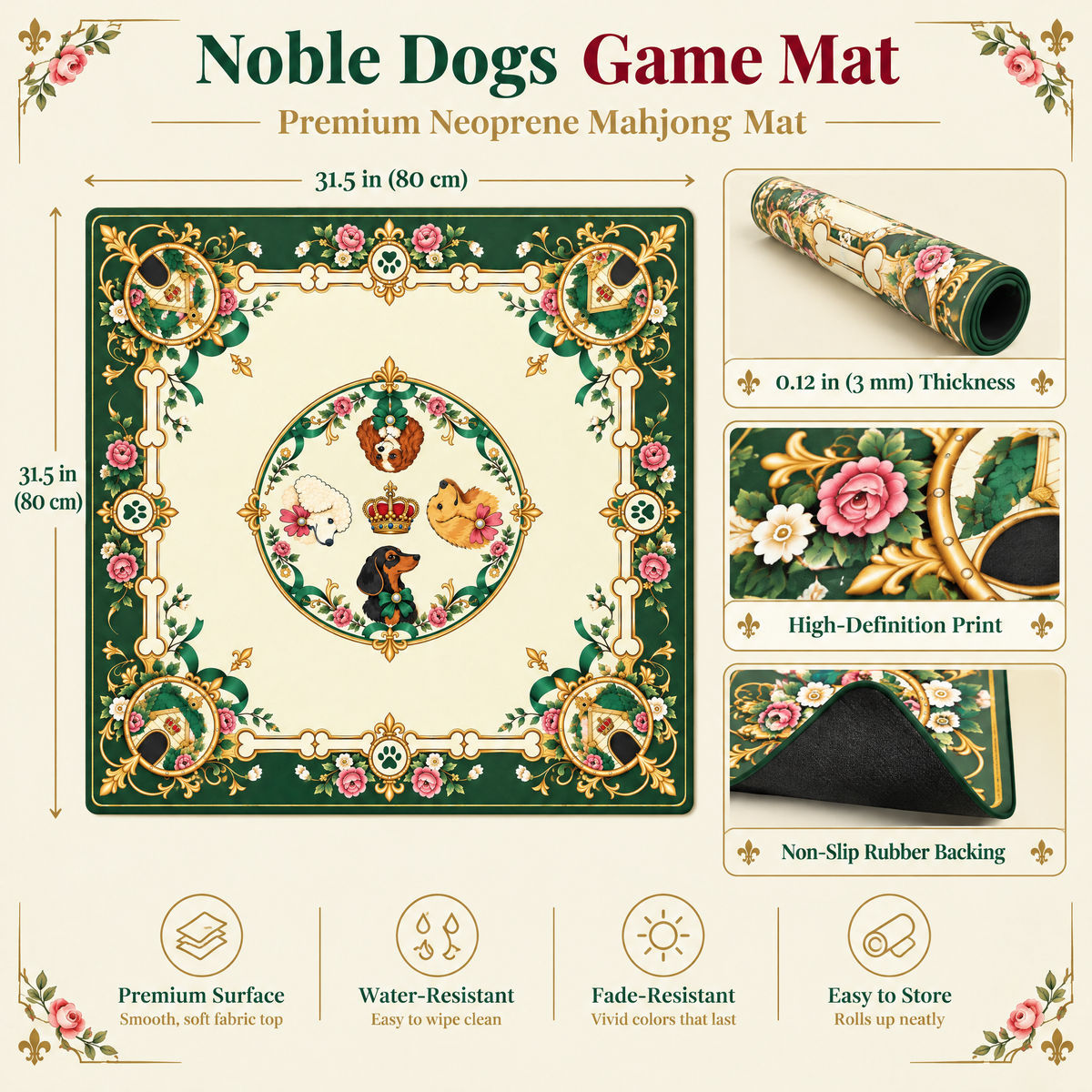
Your instructor may provide a loaner set and mat, but owning your own speeds learning. A 160-tile acrylic set with a coordinating mahjong mat lets you practice the same tile feel and layout you'll use in lessons. Racks help beginners organize tiles without fumbling; racks with pushers keep your hand neat and let you practice the push-and-pull rhythm instructors teach. A travel bag is optional but useful if you'll carry your set to lessons or a friend's house. You'll also need the current year's National Mah Jongg League card (your instructor provides this, or you purchase your own). Avoid cheap plastic sets; acrylic tiles feel closer to what you'll use in organized games and last years of weekly play.
🀄 Shop best-selling mahjong sets →
What's the difference between American mahjong lessons and other styles?
American mahjong uses 152 tiles (in a 160-tile set with spares), exactly 8 jokers, and hands that only come from the National Mah Jongg League card—you cannot invent your own hand. You cannot call sequences (chows); only groups of three or more identical tiles (pungs, kongs, quints, sextets) or joker combinations count. Chinese mahjong allows chows, has fewer jokers, and uses a different tile layout and scoring system. Hong Kong mahjong adds unique melds. Riichi mahjong (Japanese) has its own card and concealed hand strategy. If your instructor says "all four games," that's a red flag—each one is deep enough for 50+ hours of study. Ask directly: "Do you teach American mahjong with the National League card?" If yes, you're in the right class.
🎁 See our most-loved mahjong sets & accessories →
How long until you're ready to join a regular game?
Most students feel confident joining a casual home game after 8–12 weeks of weekly lessons. You'll recognize tiles, read the card, execute a Charleston, and play without constant help. Organized League-sanctioned games (often held at clubs or tournament events) require you to know scoring and strategy—that's an additional 3–6 months of practice. Don't rush: beginners who play too fast make careless errors (calling the wrong hand, misreading the card, miscounting jokers) that frustrate the table. Play weekly drop-in games at your library for 2–3 months after lessons end, ask for gentle corrections, and watch how experienced players organize their racks and track the discard pile. Speed comes naturally once your hands stop shaking.
What to check before you buy a set for home practice
Acrylic tiles should feel smooth without rough edges—run your thumb along the top edge before purchase. Ensure your set has 160 tiles (152 playing tiles plus spares for a 160-tile set). Check that the bag fits inside your car's cup holder or small backpack if you'll travel to lessons. If you're left-handed, test a rack with pushers to confirm the tiles don't jam when you push from the left. A mat should lie flat without bunching; acrylic or felt surfaces both work, but felt is quieter during tile-laying if you play in an apartment. Ask the seller (or your teacher) whether spares include extra jokers or blank tiles—both are useful, and knowing your set composition helps during practice.
✨ Find your Mahstead set — free US shipping →
For deeper study after your first lessons, see our guide to mahjong for beginners and the fundamentals of how to play American mahjong.

FAQ
What if there are no mahjong classes near me in San Jose right now?
Start with Meetup or Facebook groups—many San Jose players organize casual home games open to beginners. Ask at your library's reference desk; librarians often know informal game groups. Watch YouTube tutorials on tile names and the Charleston, buy a 160-tile set, and invite friends to learn together using the same video.
Do I need to buy a mahjong set before my first lesson?
No. Most instructors provide loaner sets and mats for the first 4–6 weeks. After that, owning your own set speeds practice at home. A best-selling acrylic set with a mat is a solid investment once you know you'll play regularly.
Can I learn mahjong online instead of in-person in San Jose?
Yes, but it's slower. Online videos teach tile names and hand-reading well, but you won't play live until week 4–6. In-person lessons let you play on day one with a teacher watching. Combine both: take 6 weeks in-person, then supplement with online videos for hand patterns you find confusing.
How much does a mahjong lesson cost in the San Jose area?
Library and community center classes typically charge per-session fees or a flat rate for a multi-week session. Private instructors may charge hourly rates. Prices vary; contact your local library or instructor directly for current rates.
Is American mahjong different from the mahjong my grandmother played?
Very likely. Your grandmother may have played Chinese, Hong Kong, or Taiwanese mahjong—each has different tile counts, hand rules, and scoring. American mahjong uses the National League card, 152 tiles, no sequences, and specific pung/kong rules. Ask your instructor which variant you're learning; if it's American, you're learning the modern standardized game most U.S. clubs play.
What's the Charleston, and why do instructors make such a big deal about it?
The Charleston is a three-pass ritual before each hand: you swap tiles right-right-right, then pass back center-center-center, then left-left-left. It randomizes your starting hand and makes the game fair. Beginners fumble the passes at first, but it becomes automatic after 10–15 hands. Your instructor emphasizes it because getting it right sets the tone for the entire game.


View More
View More
View More
