
Mahjong Lessons in Omaha: Where to Learn & What to Expect
Last updated: Nov 23, 2026
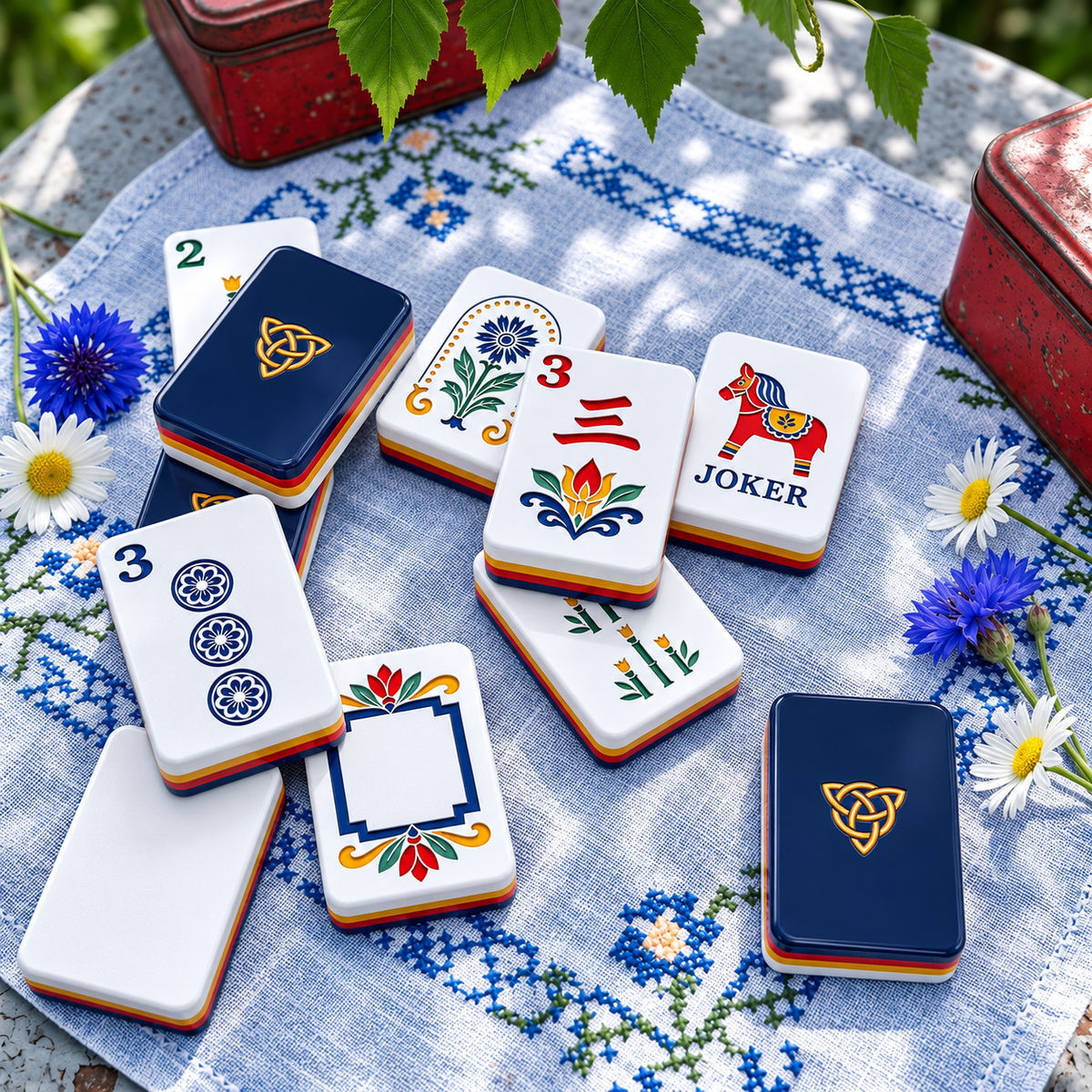
Mahjong lessons in Omaha are available through community centers (check Parks & Recreation departments), public libraries (many offer free or low-cost instruction), synagogues and Jewish cultural centers, and country clubs with active game groups. One-on-one tutoring and small-group lessons are also offered by independent instructors—search meetup boards and local Facebook groups. Most beginner courses run 4–8 weeks and cover tile recognition, hand-reading from the National Mah Jongg League card, the Charleston (tile-passing ritual), and basic strategy. Expect to spend a few hours learning before your first full game. A standard 160-tile American mahjong set is essential; we recommend one from our best-selling mahjong sets so you can practice at home between lessons. Ask instructors about their variant (American mahjong is most common in the Midwest) and whether materials are supplied or you should bring your own gear. 🀄 Shop best-selling mahjong sets →
Where exactly do Omaha residents find mahjong lessons?
Omaha's mahjong community is active but scattered across public and private spaces. Start with the Douglas County Library system—call or visit their website to ask whether any branches offer mahjong instruction or host drop-in games. Omaha Parks & Recreation often sponsors classes at community centers, particularly in neighborhoods with larger populations of players; check their spring and fall activity guides. Jewish Family Services and local synagogues frequently offer beginner lessons or can refer you to game groups. Search "Mahjong Omaha" on Meetup, Facebook Groups, and Nextdoor to find weekly games where experienced players coach newcomers. Country clubs and senior centers also host lessons. If you exhaust local options, online tutoring via Zoom works well for basics—instructors can walk you through tile layout, hand patterns, and joker rules on video, then you join a live game once you're ready.

What should a complete beginner expect during the first lesson?
Your first lesson will cover what's in a mahjong set (152 playing tiles plus 8 jokers), how to recognize the three suits (Bams, Craks, Dots), winds, dragons, and flowers. The instructor will explain the Charleston—the tile-passing ritual that starts every game—and show you how to read the current year's National Mah Jongg League card, which defines all legal winning hands. You'll learn how to build a wall, draw tiles, and spot the difference between a pung (three identical tiles you can expose), a kong (four identical tiles), and jokers' special role (they can only fill gaps in exposed melds, never form a pair or single tile). Expect to practice one or two full rounds, which takes 30–60 minutes per game. Beginners often misunderstand joker rules and the "no chows" rule (you cannot expose sequences like 1–2–3 in American mahjong—only identical-tile groups and pairs). A good instructor will address these head-on with examples. Bring a notebook; the card is dense and you'll want to mark which sections you struggled with.
How does the National Mah Jongg League card work, and why does it matter for lessons?
The National Mah Jongg League issues a new card every spring with hundreds of legal hand patterns. American mahjong is not played by intuition or traditional Chinese rules—you win only if your final 14 tiles (including the drawn tile that completes your hand) match a pattern listed on the current year's card. The card is organized into sections by hand type: Like Hand, Consecutive Like Hand, Pung, Kong, Quint, Sextet, etc., each row showing a specific pattern you can expose and a pair. For example, a row might read: "3 Bams, 3 Bams, 3 Bams; 5 Craks, 5 Craks, 5 Craks; 7 Dots, 7 Dots, 7 Dots; 1 Dot" (a hand of three pungs and a pair). Your lesson instructor will teach you how to scan the card quickly—recognizing sections and asking "Do I have three identical tiles?" or "Do my tiles form a sequence of different suits?"—so you can spot winning hands during play. Understanding the card structure is the single most important skill after learning basic tile names. We have a detailed guide on how to read the mahjong card that you can study alongside your lessons.

What's the honest learning curve, and how do you avoid common beginner mistakes?
Most players take 4–8 weeks of regular lessons before they feel confident in a full game. Tile recognition and card-reading become automatic after 5–10 games. The biggest mistake beginners make is not learning joker rules thoroughly—jokers fill single gaps in exposed melds, but you cannot use a joker to form a pair or a single tile, and you cannot play a joker in place of a tile you haven't yet seen (you must already have 13 tiles showing, then draw, then can swap a joker for an exposed tile if needed). Another trap: misreading the card and thinking you can form a chow (sequence like 5–6–7). You can't expose sequences in American mahjong—only identical-tile groups and jokers filling gaps in those groups. A third blunder is not understanding the Charleston; if you pass tiles incorrectly or late, you'll disrupt the hand. Ask your instructor to drill the Charleston with you several times before your first full game. Finally, many learners ignore the joker rules until they get stuck mid-game; read them before your second lesson so you're not frantically asking questions during play. Practice counting your wall and discarding at home using a best-selling set so the rhythm becomes muscle memory.
🎁 See our most-loved mahjong sets & accessories →
What gear do you actually need, and what's optional?
A 160-tile American mahjong set is non-negotiable; it includes 152 playing tiles, 8 jokers, and spare tiles. Omaha instructors almost always supply sets for group lessons, but owning one lets you practice at home and host games. A mahjong mat is optional but transformative—it keeps tiles organized during the Charleston and play, protects your table, and makes you look like a serious player (instructors notice). Racks with pushers are equally optional but extremely helpful; they hold your tiles at an angle so you can read them without fumbling, and they speed up the Charleston and tile-swapping phases. A bag or case is only needed if you'll carry your set to lessons or games. Many Omaha players buy one set and a mat, then add racks and a bag if they're hooked after a few months.
Beginner Gear Comparison
Item | Essential? | Why It Helps During Lessons | Our Pick |
160-tile set | Yes | Lets you practice at home; matches what instructors use | |
Mahjong mat | No, but highly recommended | Keeps tiles neat during Charleston; reduces table damage | |
Racks with pushers | No, but helpful | Organizes your hand; speeds up tile management | |
Bag or case | No | Only if carrying your set outside the home |
What to check before you buy your first set
American or another variant? Confirm your instructor teaches American mahjong (the only variant played with the National Mah Jongg League card). Chinese, Hong Kong, Riichi, and Taiwanese mahjong use different rules, tile counts, and winning patterns—a set designed for Chinese mahjong won't help you in an American lesson.
160-tile set, not 144 or 152? Make sure you're buying a 160-tile set, which includes 152 playing tiles plus 8 jokers (the count you'll use in every game) and spare tiles. Some older or import sets come in smaller counts; avoid those for beginner lessons.
Readable tiles? Large, clear engraving or printing matters. If you can't read the suit symbol and number on a tile from three feet away, you'll waste time squinting during your lesson. Acrylic sets with engraved markings are easier to read under typical home lighting than tiles with faint printing.
Durable case? If your set didn't come with a box or bag, invest in one before your first lesson so you're not scrambling to transport 160 loose tiles. A cloth bag is cheaper; a hard case lasts longer if you'll play regularly.
✨ Find your Mahstead set — free US shipping →

FAQ
Do I need to know Chinese to learn American mahjong?
No. American mahjong uses English numbers, directional wind names (North, East, South, West), and simple suit labels (Bam, Crak, Dot). All instruction in Omaha is in English. The tile symbols are pictorial and easy to recognize after one or two lessons.
Can I learn mahjong online instead of in-person?
Yes, partly. Video lessons cover tile names, card-reading, and basic strategy. But you need an in-person game (or a Zoom video call with live players) to practice the Charleston, hand dynamics, and real-time decision-making. Most Omaha beginners benefit from 2–4 in-person lessons, then supplement with online videos or tutoring.
How much does a beginner mahjong lesson typically cost in Omaha?
Library and Parks & Rec classes range from free to modest fees; synagogue instruction varies by organization. Private tutors charge hourly rates; ask instructors directly when you contact them, as prices vary by experience level and lesson length.
What's the difference between jokers in American mahjong and in other card games?
In American mahjong, jokers are tiles (not cards) that fill single gaps in exposed melds—for example, if you expose a pung of 5 Bams and have 5 Dots and 5 Craks, you can use a joker in place of the missing 5 Bam in an exposed group. Jokers can never form a pair or a single tile, and you cannot hold jokers hidden in your hand.
If I finish a lesson course, can I jump straight into competitive play?
Most beginner courses prepare you for casual games with friends or open-play groups. Competitive tournaments have stricter rules, higher stakes, and faster play. Finish your lessons, play 10–15 casual games, then ask your instructor whether you're ready for tournament-level play or should take an intermediate course.
Where can I find ongoing games after my lessons end?
Ask your instructor for recommendations. Many Omaha community centers and synagogues host weekly drop-in games. Meetup and Facebook Groups often list standing game schedules. Starting players are usually welcome if you show up on time and know the basics.


View More
View More
View More
