
Mahjong Lessons in Las Vegas: Where to Start & What You Need
Last updated: Nov 23, 2026
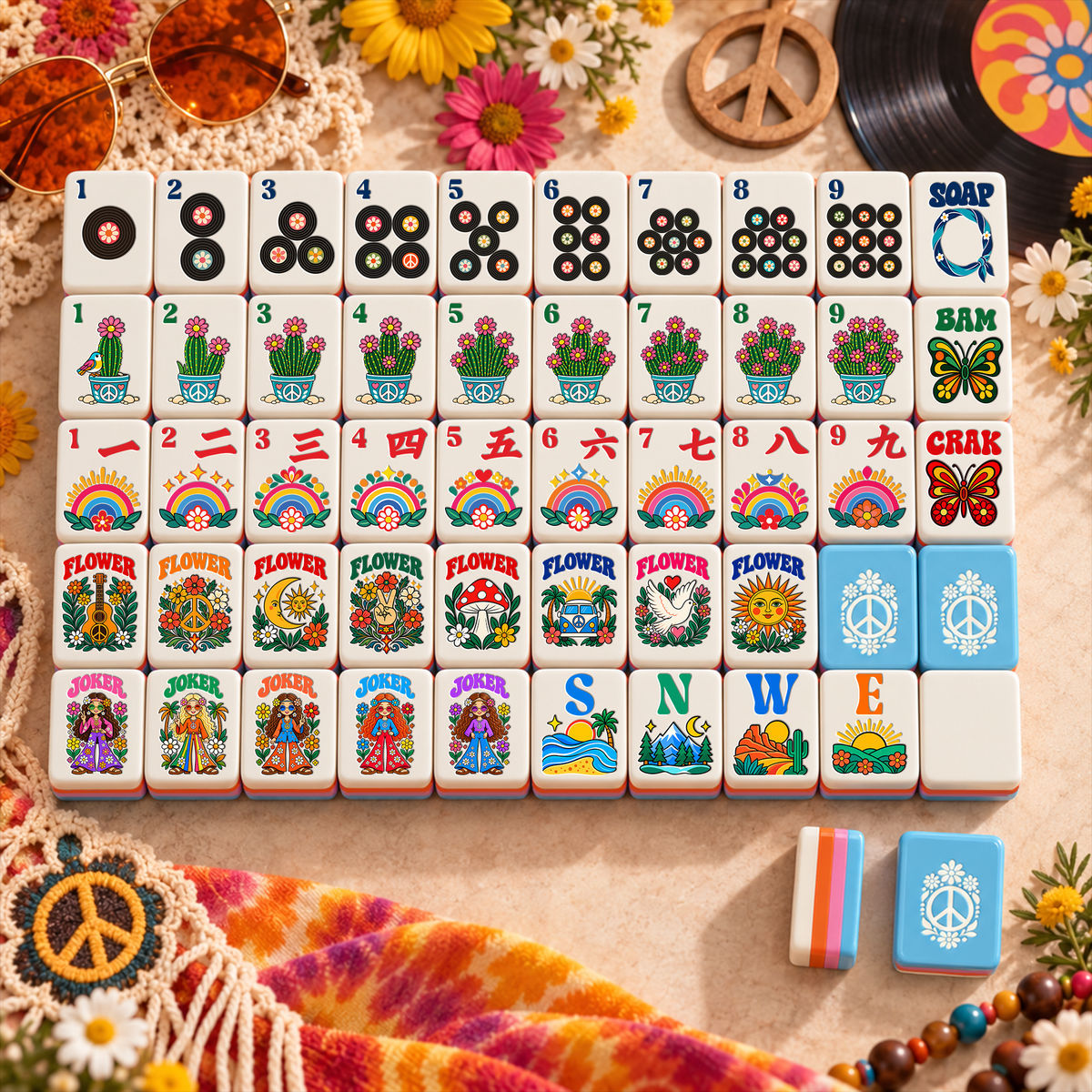
Las Vegas offers mahjong lessons through community recreation programs (contact the Parks and Recreation Department for current class schedules), public libraries, senior centers, synagogues, and private country clubs—most welcome newcomers. Lessons typically run 4–8 weeks and cover tile recognition, hand-reading from the current year's National Mah Jongg League card, the Charleston tile-passing ritual, and basic American mahjong rules. Costs vary widely depending on venue; many community centers charge per class or session. Expect to spend 2–3 hours per lesson and bring a notebook. Before enrolling, confirm whether the instructor teaches American mahjong (152 tiles, hand-based, no sequences) or a different variant—Las Vegas players use American rules almost exclusively. Having your own 160-tile set at home (with spare jokers and tiles) helps you practice between lessons and makes you feel like part of the group during game nights.
Where do you find mahjong lessons in Las Vegas?
Community recreation centers and public libraries are the most reliable entry points; they publish schedules on their websites and accept walk-ins or phone registrations. Senior centers (independent or within community complexes) often offer beginner classes in the morning or early afternoon. Synagogues and country clubs with mahjong programs typically allow non-members to audit or join classes; call ahead to confirm. Meetup boards and Facebook groups for "Las Vegas mahjong" or "Las Vegas seniors" often list informal game nights where experienced players mentor newcomers. A single instructor or group may move venues seasonally, so follow local community announcements rather than relying on outdated online listings.

What should you expect in your first lesson?
Your instructor will likely start with tile anatomy: the three suits (Bams, Craks, Dots, numbered 1–9), winds, dragons, flowers, and jokers—all 152 playing tiles plus spares. You'll handle real tiles (not cards or digital sets) so you learn to recognize them by shape, color, and sound. Weeks two and three cover the Charleston (the formal tile-passing exchange before each hand begins), hand patterns from the National Mah Jongg League card, and how to call a winning hand. Most classes play one or two hands so everyone practices in real time. Bring water, wear comfortable clothes (you'll reach across a table often), and don't worry if you forget rules—every beginner does, and good instructors repeat them constantly.
How long before you can play a full game?
Most players grasp the basics—tiles, Charleston, winning hands—after 4–6 weeks of lessons. However, true fluency with hand-reading, quick tile recognition, and confident calling takes 3–6 months of weekly play. In Las Vegas, once you've completed an introductory course, instructors often invite students to weekly practice games where you play alongside experienced players. These games move slowly at first and pause for questions; many instructors or group leaders mentor openly during play. The real accelerator is repetition: after 20–30 hands played with coaching, most people feel ready to join open game nights with less supervision.
What's the difference between American and other mahjong variants?
American mahjong uses only the current year's hand card (published each spring by the National Mah Jongg League)—you cannot invent hands or play hands from other years or regions. There are no sequences or "chows" (you can't play 1-2-3 of the same suit in a row as a legal call); only pungs (three identical tiles), kongs (four), and higher groups are exposable. Jokers can fill in for any single tile in exposed groups but never in a pair or standing alone. Chinese, Hong Kong, Riichi, and Taiwanese variants have their own card systems, rule sets, and tile counts; instructors in Las Vegas teach American almost exclusively, but always ask. Understanding this distinction before starting saves you weeks of confusion—you won't waste time learning rules that don't apply to the games you'll actually play.
🀄 Shop best-selling mahjong sets →

How do you practice at home between lessons?
Purchase a 160-tile set with spare jokers so you can lay out full hands and practice reading the tile card while handling real tiles. Many players keep a printed how-to-read-the-mahjong-card guide at home and spend 15–20 minutes daily recognizing tiles by sight alone. Use a practice mat to learn proper hand layout; a mat with a smooth surface and marked zones speeds up tile sorting. Some beginners practice with a single friend (slower, less pressure) before joining a full four-player game. Record your questions during practice—instructors love addressing real errors that come up at the table. The goal isn't perfection; it's building muscle memory so you recognize tiles and patterns instantly during actual play.
🎁 See our most-loved mahjong sets & accessories →
What equipment do you need before your first lesson?
Check with your instructor or class organizer: most Las Vegas community classes provide loaner sets so you don't need to buy immediately. However, having your own set removes anxiety and lets you practice at home. A 160-tile American mahjong set (152 playing tiles plus spares) is the standard. A practice mat helps you lay out hands neatly and keeps tiles from sliding; a cloth mat or a dedicated table cover works fine. A score sheet and pen are essential—American mahjong scoring is specific, and writing scores down prevents disputes. You don't need racks or pushers for lessons (many classes don't use them), but once you join open games or host at home, a set of racks with pushers becomes very practical, especially if players have wrist or dexterity concerns. A travel bag or case is optional but valuable if you plan to carry your set to lessons and games.
Item | Why it matters | When you need it |
160-tile set | Complete; includes spares | After first lesson or from day one |
Practice mat | Prevents tile damage; eases sorting | First home practice session |
Pen & paper | Record scores; verify hands | Every game |
Racks with pushers | Reduces hand fatigue; speeds play | Once you join open games (weeks 4+) |
Travel bag | Protects set; eases transport | If hosting or joining multiple venues |
How do you avoid common beginner mistakes?
Do not try to learn multiple tile sets or rule variants at once—stick to American mahjong and the current year's card only. Many newcomers buy old or generic sets; confirm your set has exactly 152 playing tiles plus spares, not fewer. Do not skip the Charleston—it's not optional, and understanding it before your first game saves frustration. Do not expect to win quickly; American mahjong is about hand recognition and pattern-matching, not luck. Do not assume you know what a winning hand looks like until your instructor shows you at least five examples on the card. Do not hesitate to ask for help; every player at your table was once a beginner, and the mahjong community is remarkably patient with questions.
✨ Find your Mahstead set — free US shipping →
What to check before you buy or commit to lessons
Verify the variant: Call the venue or instructor and ask, "Do you teach American mahjong with the National Mah Jongg League card?" If they say anything else, ask about the tile count and rules to be sure.
Confirm schedule and cost: Ask whether lessons are drop-in or require full enrollment; what the per-session cost is; and whether you can observe a game for free before registering.
Ask about materials: Do they provide a set, or should you bring one? Do they have spare tiles and jokers on hand if yours wear out?
Check inclusivity: Are beginners welcome at all? Do instructors pause for questions during play? Do they use accessible language and avoid inside jokes that confuse newcomers?
Confirm lesson length: Some "lessons" are actually social games with light instruction; others are structured classes. Ask how much time is spent teaching versus playing.

FAQ
Can I learn mahjong entirely online before joining a Las Vegas group?
Online tutorials teach concepts and tile recognition, but nothing replaces handling real tiles and playing live games. Most Las Vegas instructors expect students to have basic knowledge before class starts—online prep helps, but in-person lessons with a live teacher are essential.
Do I need to own a set before my first lesson?
No. Most Las Vegas community centers and classes provide loaner sets. However, buying your own 160-tile set after your first lesson lets you practice at home and accelerates learning.
How much does a typical mahjong lesson course cost in Las Vegas?
Community center classes typically charge per session or per multi-week course; synagogues and senior centers often offer sliding-scale or donation-based instruction. Private instructors may charge hourly rates. Costs vary; contact venues directly for current pricing.
What's the difference between a lesson and a social game night?
Lessons are structured, focus on teaching rules and hand-reading, and move slowly so everyone learns. Social game nights are faster, assume basic knowledge, and prioritize fun. Start with lessons; join game nights once you feel confident.
Can I switch to a different mahjong variant after learning American?
Yes, but it's easier to stick with one variant for your first 6–12 months. American mahjong rules and strategy are specific; learning Chinese or Hong Kong variants afterward is manageable but adds complexity.
Should I buy a mat and racks before my first lesson?
Not necessary. Mats help at home during practice; racks are useful once you play regularly. Most lessons and early games happen without them. Buy these items after your first month once you know you'll keep playing.


View More
View More
View More
