
Mahjong Lessons in Des Moines: Where to Learn & How to Start
Last updated: Nov 23, 2026
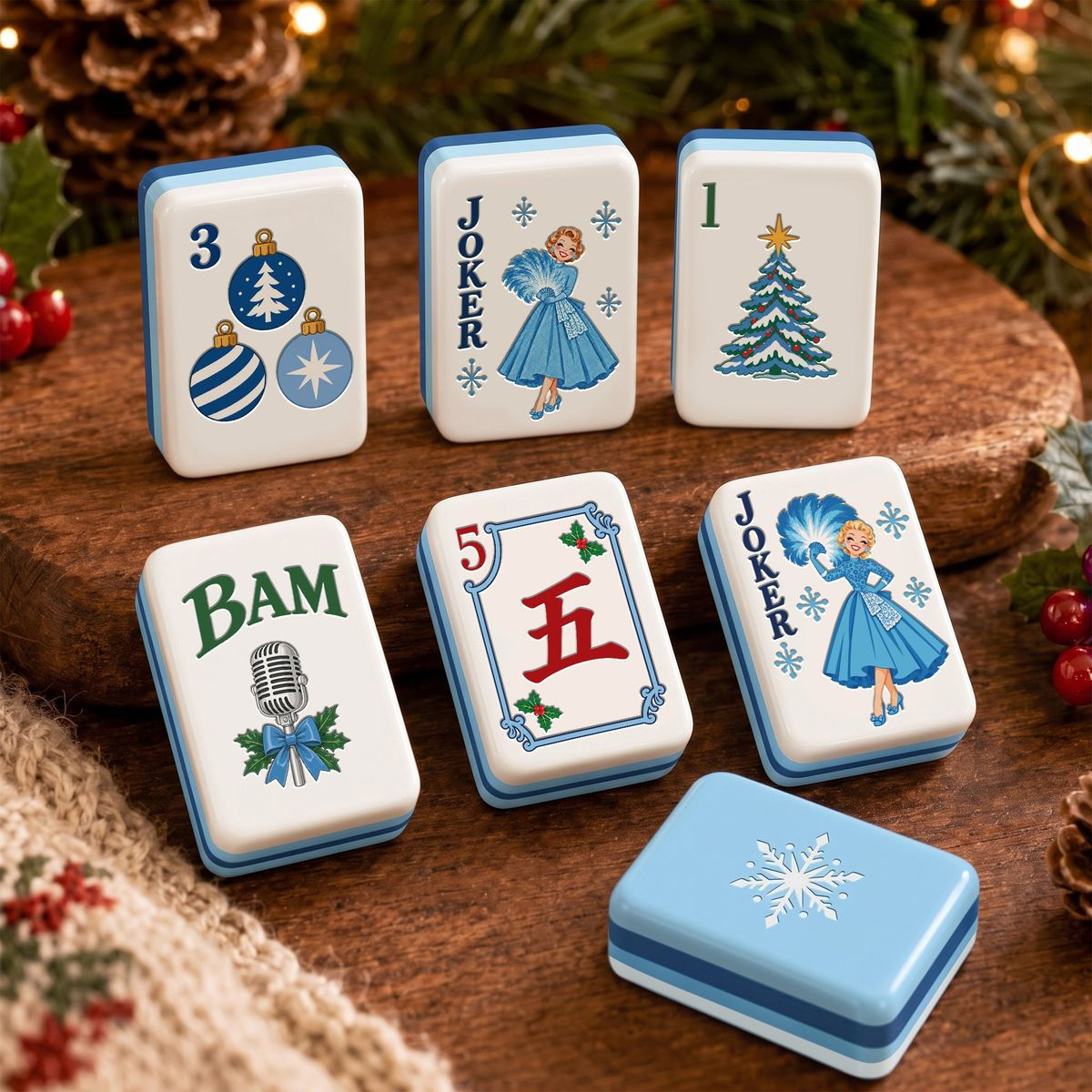
Mahjong lessons in Des Moines are available through community recreation departments, public library programs, senior centers, country clubs, and informal meetup groups—most meet weekly year-round. A beginner session typically lasts 2–3 hours and teaches tile recognition, hand-reading from the current National Mah Jongg League card, and the Charleston (tile-passing ritual). Expect to learn American mahjong rules, scoring basics, and how jokers work in exposed melds. Most groups welcome drop-ins; some charge a small table fee. You'll need a 160-tile American mahjong set with a mat and racks. Start by searching your city's recreation website, calling community centers directly, or checking meetup boards for "mahjong" + "Des Moines." Mahstead players often bring their own engraved sets to regular games, making it easy to spot an active group.
Where do you find active mahjong games in Des Moines?
Start with Des Moines Parks and Recreation's program catalog—they often list weekly mahjong classes in fall and spring. Public libraries frequently host game nights or can connect you to established clubs. Senior centers and retirement communities almost always have standing games; call ahead to ask about open play. Country clubs and golf clubs sometimes host mahjong as a member activity. Meetup boards, Facebook community pages, and Nextdoor neighborhood apps show informal groups looking for new players. Visit your nearest recreation center in person—staff know which games meet when and whether beginners are welcome.
🀄 Shop best-selling mahjong sets →
What should you expect at your first lesson?
A typical beginner session starts with tile recognition: learning Bams, Craks, Dots (the three main suits), Winds, Dragons, Flowers, and Jokers. The instructor explains that American mahjong uses exactly 152 tiles plus 8 jokers, and that you win by matching a hand pattern from the current year's National Mah Jongg League card. You'll learn the Charleston—a three-round passing ritual before each game starts—which shuffles your tiles and prevents any player from knowing what others hold. Most lessons cover how to read the card, spot valid combinations (pungs, kongs, quints, sextets), and why jokers cannot fill a single tile or a pair. Expect hands-on play in the second half; the instructor guides you through one complete game, pointing out common beginner mistakes like forgetting to claim a discard or miscounting your meld. Bring a notebook; the card and rules take a few games to absorb.

How is American mahjong different from what you might have heard?
American mahjong has no chows—no sequences like 1-2-3. Every exposed meld must be identical tiles: three 5 Dots (a pung), four 5 Dots (a kong), or longer runs of the same tile. Jokers are wild and can substitute for any tile in an exposed meld, but never in a pair or single tile—this is a hard rule. The hand you play must match exactly one line from the current year's card; you cannot invent hands as you can in Chinese or Riichi variants. Hong Kong mahjong uses sequences, plays with concealed hands, and has no card; Chinese mahjong has regional rules; Riichi is Japanese and involves betting rounds. American mahjong's reliance on the yearly card makes it unique: the same hand layout works for all 144 players nationwide each spring, creating a level playing field.
What equipment do you need to bring or buy?
A personal 160-tile acrylic set, a mat, and a rack with pushers make a huge difference in comfort and speed. Many casual groups share sets, but owning your own protects your investment and lets you practice at home. Best-selling mahjong sets often come with everything except the mat; adding a dedicated mat prevents tile wear and gives you a consistent playing surface whether you play at a table, club, or at home. A mat also holds racks steady and keeps stray tiles from rolling off. Racks with pushers are not required, but they prevent hand-reading (other players can't see which tiles you're holding) and speed up your turns. For travel to lessons or club nights, a sturdy bag or case protects your set from humidity and chips. You'll also need the current year's National Mah Jongg League card—most clubs have copies, but buying your own lets you study hands before class.
🎁 See our most-loved mahjong sets & accessories →
What mistakes do beginners make, and how do you avoid them?
Mistake 1: Confusing pungs with chows. A pung is three identical tiles (e.g., three 3 Craks). A chow is a sequence like 3-4-5 Craks—but American mahjong has no chows. You cannot expose or play a sequence. Many players from other regions expect sequences to work; they don't here.
Mistake 2: Using a joker in a single tile or a pair. Jokers are only legal in groups of three or more. If your hand needs a 2 Dot as a single tile to win, a joker cannot fill it. If your pair is two Winds and you need a joker to make it three, that's illegal. This rule prevents cheating and keeps the game consistent.
Mistake 3: Playing a hand that is not on the card. The National Mah Jongg League card lists every legal hand for that year. If your meld combination doesn't match a line on the card exactly, you cannot declare it a winning hand, even if the tiles look right to you. Study the card structure: sections are organized by tile type (like "Like Numbers"), pattern (like "Consecutive Pungs"), and special conditions (like "All Flowers" or "Joker must be used in this meld").
Mistake 4: Forgetting the tile count. You draw and discard one tile per turn. After the Charleston, each of four players holds 13 tiles plus one drawn on your first turn = 14 on your turn to discard. If your hand count is wrong, you're blocked from winning. Keep a spare tile aside while you sort your hand so you don't lose track.
Mistake 5: Not claiming a discard quickly. When another player discards a tile you need for a pung, kong, or your winning meld, you must claim it before the next player draws. If you hesitate, the turn passes and you miss the tile. Beginners often freeze in decision-making; playing faster games at home builds confidence.

How do you prepare before your first lesson?
Preparation | When to Do It | Why It Matters |
Watch a 10-minute "tiles 101" video online | 3 days before | Recognize Bams, Craks, Dots, Winds, Dragons fast |
Read the first page of the current National Mah Jongg League card | 2 days before | Understand hand structure and what "Like Numbers" means |
Visit the club or center in advance if possible | 1 week before | Know where to park, arrive 15 min early, find the room |
Bring a pen and small notebook | Day of lesson | Write down rules and hand patterns you forget |
Tell the instructor you're a complete beginner | First 5 minutes | They'll slow down explanations and pair you with a patient player |
Most lessons assume zero prior knowledge. Arriving slightly early and mentioning you're brand-new helps instructors adjust pace and set expectations. If you own a set, bring it so you can handle tiles during the teaching part—muscle memory matters. If you don't own a set yet, the instructor's demo set is enough for one lesson, but buying your own before week two lets you play at home and absorb the rules faster.
✨ Find your Mahstead set — free US shipping →
How do you find the right group for your skill level and schedule?
Call ahead before your first visit. Ask: "Do you accept absolute beginners?" "How many players are at a typical session?" "Is there a table fee?" "Do I need to bring a set, or do you have loan sets?" "What time does play start and end?" "Is this American mahjong?" Some groups are competitive and fast; others are relaxed and teaching-focused. Beginner groups often run on weeknights or Saturday mornings. Intermediate groups meet during the day or evening. If a group feels too quick or dismissive on visit one, try another. Des Moines has enough casual and competitive groups that you'll find a fit. Experienced players remember learning curve frustration and usually welcome new faces warmly.
What to check before you buy your own set
If you decide to invest in a personal set, match it to how you'll play. Do you want an engraved set with custom text (great for gifts or personal pride)? A colorful, themed design? Or best-selling classic designs built for durability and fast play? Acrylic tiles last longer than bamboo and are easier to clean after spilled drinks or dusty club rooms. A mat prevents tile sliding and protects your table; choose one sized for four-player play so all players have equal arm room. Racks with pushers let you hide your hand and sort tiles quietly. A travel bag protects your set if you move between clubs or play at multiple venues. For a beginner buying their first set, starting with a best-selling collection set plus a mat covers all essential needs—add racks and a bag later as you play more often. How to choose a mahjong mat walks through mat sizes and styles if you want to dive deeper.
How to make the jump from lessons to regular play
After three or four lessons, you're ready for casual drop-in play. Ask the instructor or club coordinator which groups welcome intermediate beginners and what the weekly schedule is. Most clubs have a "learning table" where players are still picking up speed—prioritize those first. Bring your own set if you have one; it shows you're serious and lets other players see your style. Arrive 10–15 minutes early to shuffle tiles and chat. Don't apologize for slow play early on; experienced players know the curve. Focus on reading the card and spotting melds rather than speed. After 8–10 games, you'll know hand patterns by sight and move much faster. At that point, you can try mixed-level tables if you want more challenge. Playing weekly (not just monthly) builds muscle memory fast; aim for once or twice a week in your first month if possible.

FAQ
Do I need to own a mahjong set to take lessons in Des Moines?
No. Most instructors and clubs have loan sets for beginners. However, buying your own set before week two helps you practice at home and absorb rules faster. A 160-tile acrylic set ships free across the US and outlasts bamboo in regular use.
What is the National Mah Jongg League card, and why do I need it?
The card is the rulebook for American mahjong. Published every spring, it lists all legal winning hands for that year in standard pattern sections. You cannot win a hand unless it matches a line on the card exactly. Every club has copies available, but owning your own lets you study hands before lessons.
How long does it take to get good enough to play in a regular game?
Most players feel comfortable in a casual drop-in game after 4–6 lessons. Hand reading and tile spotting come faster with weekly play. After 20–30 games over two months, you'll recognize patterns by sight and play at a normal pace. Competitive speed takes 6–12 months of regular play.
Is American mahjong harder than Chinese mahjong?
It's different, not harder. American mahjong has no sequences and relies on a yearly card, so there's less to memorize once you know the card. If you learned Chinese or Hong Kong mahjong first, American mahjong rules will feel restrictive, but most beginners find the card structure easier to follow than regional Chinese rule variants.
What happens if I make a mistake during a hand—can I take it back?
Once you've discarded a tile, that turn is locked. If you claimed a discard and realized it was a wrong move, most casual groups allow a one-time "undo" for beginners; ask the table before play starts. Competitive games have stricter rules and no take-backs. This is why practicing at home first builds confidence.
Should I memorize the mahjong card before my first lesson?
No. Trying to memorize the card before you know tiles and melds is overwhelming. Learn tile recognition first, then study one section of the card at a time during your lessons. After three games, patterns start sticking. Focus on one or two hand types per week rather than the whole card at once.


View More
View More
View More
