
Mahjong Lessons in Denver: Where to Learn & What to Expect
Last updated: Nov 23, 2026
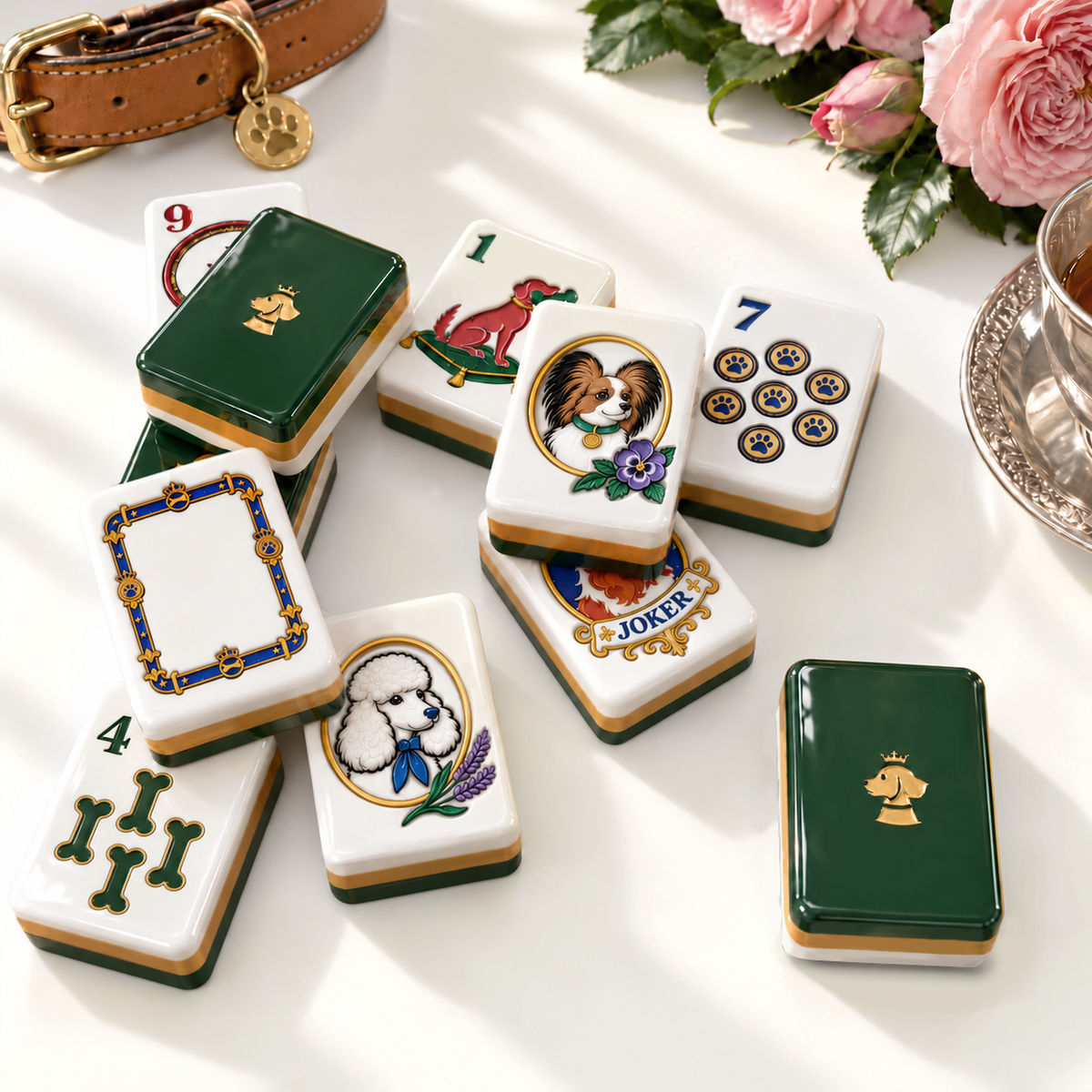
Mahjong lessons in Denver are offered through community centers, public libraries, synagogues, country clubs, and informal meetup groups—search "mahjong Denver" on community center websites, library bulletin boards, Meetup.com, and Facebook groups focused on games or senior activities. Most lessons run 2–4 hours weekly and teach American mahjong (the version using a card and 152 tiles). Expect to learn tile names, the Charleston (tile-passing ritual), hand-reading, and scoring over 4–8 weeks; instructors often provide tiles and a mat, so you arrive with nothing. Cost varies by venue—community centers typically charge modest per-session or seasonal fees. Before your first class, familiarize yourself with how American mahjong works and consider having your own best-selling mahjong set at home to practice between lessons. 🀄 Shop best-selling mahjong sets →
What venues in Denver actually offer mahjong lessons?
Denver's mahjong instruction is scattered across public institutions and private clubs rather than dedicated mahjong studios. Check your local community center—many offer drop-in or registered classes under "games," "senior activities," or "cultural programs." Public libraries often host free or low-cost mahjong meetups; call or visit the website to ask the reference desk or community room coordinator. Synagogues frequently host mahjong circles, especially on Thursday or Friday afternoons, and typically welcome newcomers regardless of membership. Country clubs and retirement communities near Denver also run weekly games with built-in teaching for beginners. Meetup.com and Facebook groups (search "Denver mahjong" or "Colorado mahjong players") connect informal players who may host beginner-friendly games. The best approach: start by calling your nearest community center games coordinator or checking the library's event calendar.

How long does it take to play your first real hand?
Most Denver lessons get you playing recognizable hands within the first 2–3 sessions. Instructors begin with tile identification (suits, numbers, winds, dragons) and the Charleston shuffling ritual, then teach you to read the yearly card and spot basic hand patterns. By week two, you're usually drawing and discarding in a real game, though you'll rely heavily on the teacher's guidance. A full 4–6 week beginner course builds enough confidence that you can join a regular game without slowing it down. The rule: American mahjong newcomers often feel lost for the first 20–30 minutes, competent by hour two, and genuinely playable after 3–4 games. Starting at home with mahjong for beginners content before your first lesson cuts the learning curve in half.
🎁 See our most-loved mahjong sets & accessories →
Do instructors provide sets, or should you bring your own?
Denver instructors and clubs almost always provide tiles, mats, and racks for lessons—you show up empty-handed. However, owning your own set transforms your learning. Practicing at home between lessons cements tile names, hand patterns, and the flow of the game far faster than weekly instruction alone. Many Denver players purchase a set after their third lesson once they know they're serious. An acrylic set with clear engraved tiles is ideal for beginners: lightweight, durable through years of play, easy to read, and designed for American mahjong's four-player format (152 tiles). Having a mahjong mat at home also matters—it marks the discard area, organizes your hand, and keeps tiles from sliding everywhere. If budget is tight, attend three lessons first, then invest in your own set; if you're confident now, starting with one makes the jump to weekly games seamless.
Which set or accessories work best for a Denver beginner?
Item | Who it's for | Why it works |
Acrylic American set | First-time players | Tiles are engraved, not stamped; they stay legible after hundreds of games. Durable. Light to carry to lessons. |
Travel bag or case | Intermediate players moving from lessons to home games | Protects your set on the car ride to friends' homes or clubs. Keeps tiles, mat, and racks together. |
Mat (bamboo, vinyl, or cloth) | Anyone playing at home | Defines play area, organizes discards, prevents tiles sliding. Mat usually lasts longer than loose play on wood. |
Racks with pushers | Serious players | Pushers let you hide your hand until you're ready to call. Racks organize tiles; faster, less hand strain. Optional but standard. |
Beginners typically start with just a set and mat. After 10–15 games, you'll know if pushers matter to you and whether you want a travel case. Browse our best-selling collection to see what most Denver players choose; all ship free to Colorado.

How do you find ongoing games once lessons end?
Once you've completed a beginner course, you're ready to join the steady games Denver hosts. Ask your instructor for a list of weekly games at community centers or clubs—many continue year-round. Return to the same venue where you learned; most instructors coordinate a "beginner" and "regular" game night, so you graduate naturally. Join any Facebook groups or Meetup communities you found earlier and announce you've completed lessons and want to play. Attend one open game even if you're nervous—experienced players remember being new and will be patient. Many Denver games run Thursday evenings or weekend mornings; ask your teacher which day feels like the best cultural fit. Consistency is key: the same people, same time, same venue builds friendships and gives you a second home for play.
What to check before your first lesson
Bring: Water bottle, notebook (optional, for noting hand patterns), and an open mind. Arrive 10 minutes early.
Check beforehand: Does the venue provide all tiles and mats? What's the cost per session or full course? Can you drop in or must you register? Is it American mahjong (card-based, 152 tiles) or another variant? What's the instructor's experience level—do they play competitively or teach casually?
After lesson one: If the pace feels too fast, ask the instructor for a beginner-level resource or consider a second venue. If it clicks, commit to at least four weeks; the game only makes sense in repetition.
Your homework: Spend 15 minutes between lessons reading tile names, watching one tutorial, or practicing hand-reading. Bring your own set by week three if possible.
✨ Find your Mahstead set — free US shipping →
Should you buy a set before or after your first lesson?
Buy after. Lessons run on the instructor's tiles; buying now means storing an unused set if the game doesn't click. Attend two lessons, confirm you're hooked, then order a best-selling acrylic set for home practice. Acrylic tiles outlast resin or plastic; they're the standard in American mahjong for good reason. Shipping to Denver is free, and you'll receive it within a week, so there's no disadvantage to waiting three lessons. If you love it after week one, buy immediately—you'll use it constantly.

FAQ
Can I learn mahjong online before attending Denver lessons?
Yes. Watch a 30-minute intro video or read how to play American mahjong before your first class. This cuts learning time in half and makes the lesson far less overwhelming. You don't need to memorize everything; just know what a pung, kong, and the card are.
Are Denver lessons taught in English or another language?
Most community center and library lessons are in English. Synagogue and some senior-focused circles may have instructors fluent in multiple languages; ask when you call. The game itself is language-neutral—tiles have symbols, not words.
Do I need to own a mat, or can I play on a table?
You can play on a bare table, but a mat keeps tiles organized and defines the discard zone. Most Denver games use one. A basic mahjong mat is inexpensive and lasts for years; it's worth the investment once you're committed to regular play.
How often should I practice at home between lessons?
15–30 minutes per week is enough. Shuffle tiles, review hand patterns, and play a few rounds solo. This alone doubles your retention compared to lesson-only learning. After four lessons, aim for one home practice session plus one venue game per week.
What's the difference between American mahjong and Chinese mahjong that Denver instructors teach?
American mahjong uses a card (updated yearly) listing all valid hands, 152 tiles, and jokers; you memorize nothing. Chinese mahjong relies on memorized hand rules and fewer jokers. Denver lessons almost always teach American unless specified. Ask your instructor which variant they teach before signing up.
Can I use a bamboo mahjong set I found online, or should I buy from Mahstead?
Any American mahjong set works—bamboo, acrylic, or plastic. Mahstead sets are acrylic with engraved tiles designed specifically for American mahjong; tiles stay legible after hundreds of games. If you buy bamboo, confirm it's a 160-tile American set (152 playing tiles plus spares), not a 144-tile Chinese set, or you won't have enough for a full game.
Will Denver lessons teach me to play with racks and pushers?
Some do, some don't. Racks are optional but standard in regular games—they hide your hand and reduce hand strain. Ask the instructor whether the lesson includes racks. If not, don't buy them yet; you'll know whether you want them after your first 5–10 games.
How much do mahjong lessons in Denver usually cost?
Community center drop-in sessions typically run a modest per-session fee; registered 6–8 week courses cost slightly less per session. Libraries and synagogues often teach free or by donation. Call your venue directly for current pricing. Private instructors may charge hourly rates; ask around at the game venues.


View More
View More
View More
